Mo Dao Zu Shi follows the journey of Wei Wuxian, a brilliant but unconventional cultivator who is resurrected thirteen years after his tragic death to unravel a dark mystery. The series explores profound themes of moral ambiguity, the heavy price of sacrifice, and a deep, enduring love that transcends lifetimes.
This collection curates 25 of the most impactful quotes from the series, capturing the emotional growth of its characters and the philosophy of their “untamed” world.
Who cares about the crowded road? I’ll walk my single-plank bridge until it’s dark
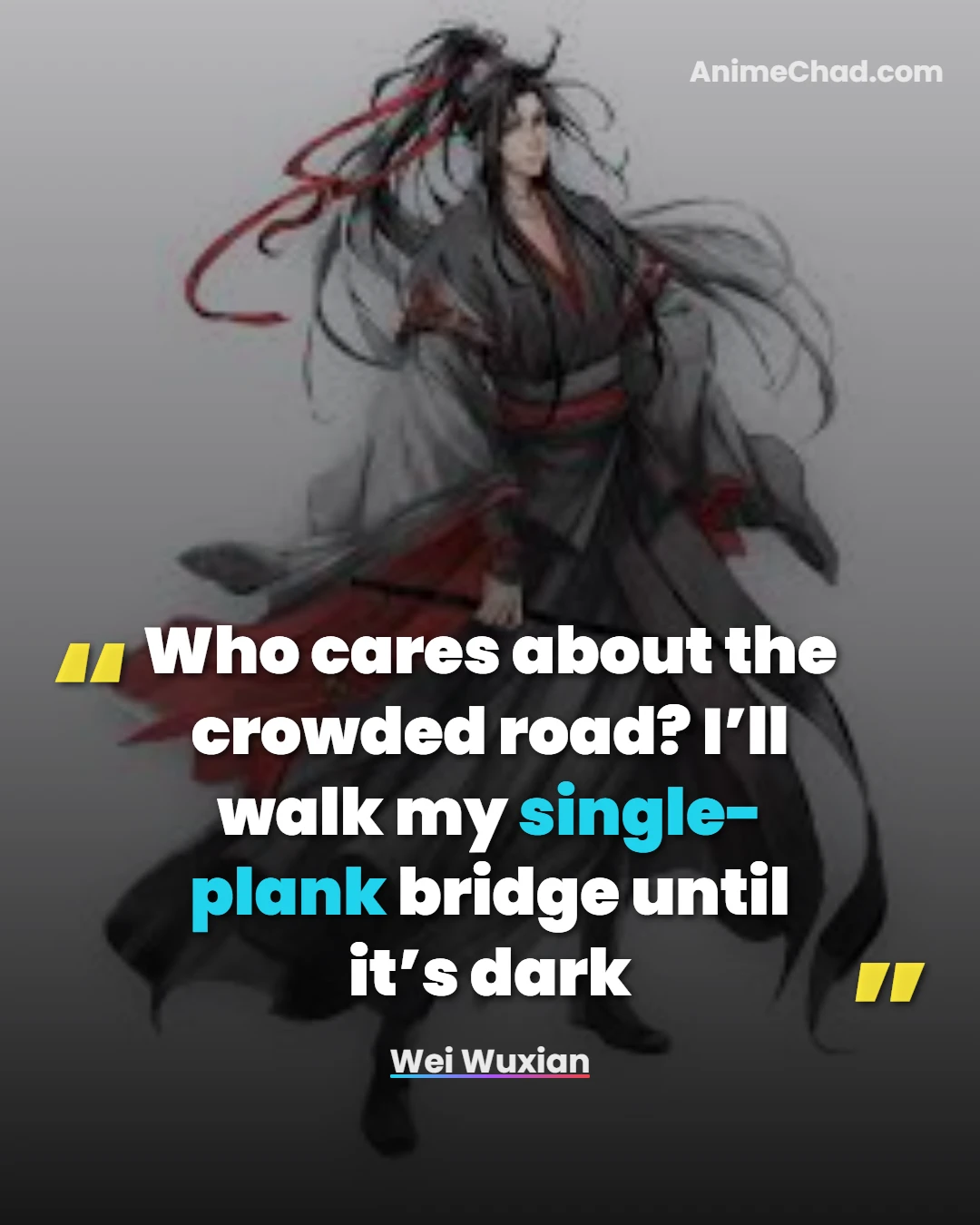
(Episode 20: Unwavering)
Wei Wuxian
Defiantly choosing demonic cultivation over orthodox paths to protect the innocent, marking his shift toward the tragic Yiling Patriarch persona.
I want to bring someone back to Cloud Recesses. Bring him back and hide him away
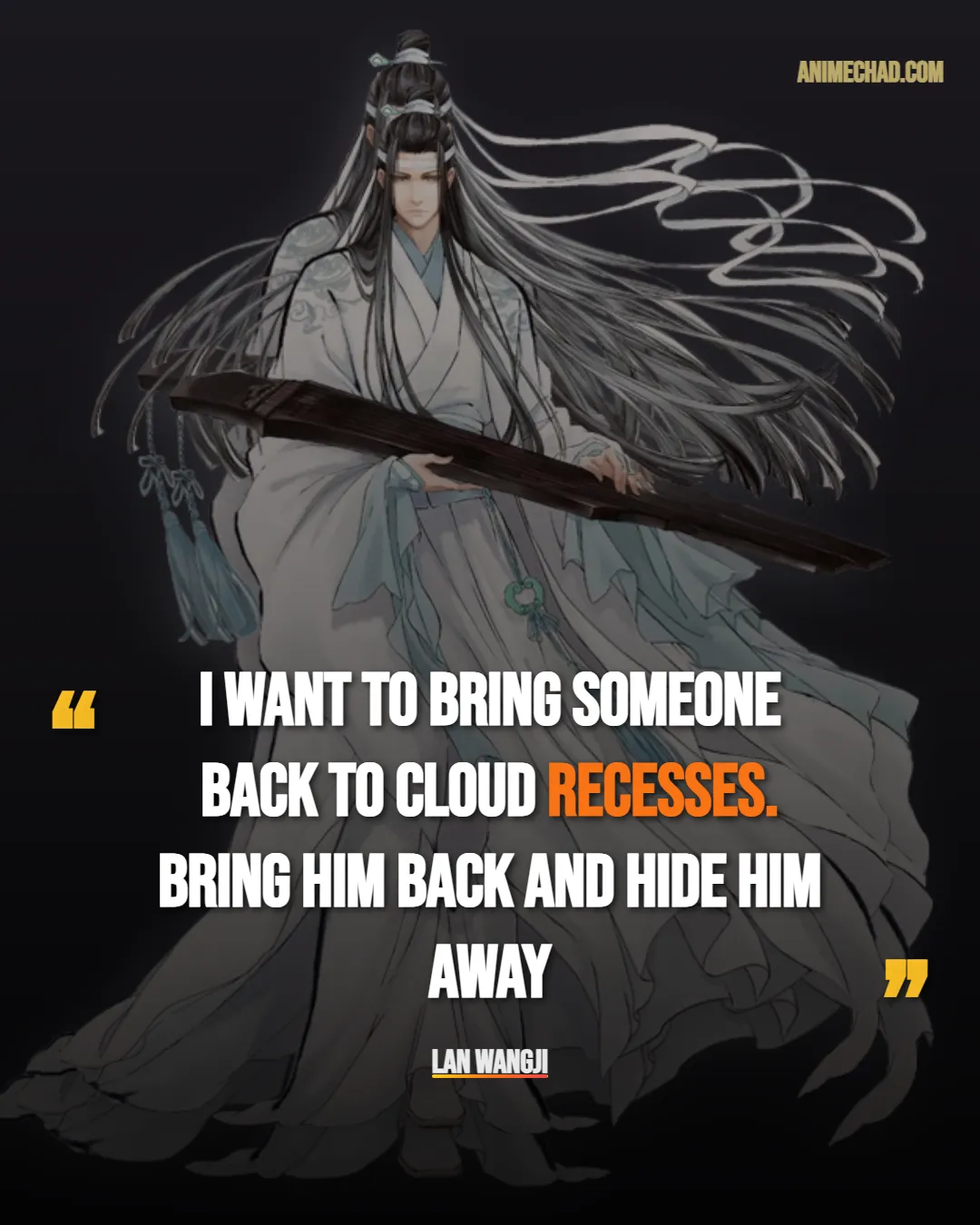
(Episode 15: Heartbreak)
Lan Wangji
Expressing a desperate desire to protect Wei Wuxian from the world’s judgment, mirroring his father’s past attempt to save his mother.
Every day means every day
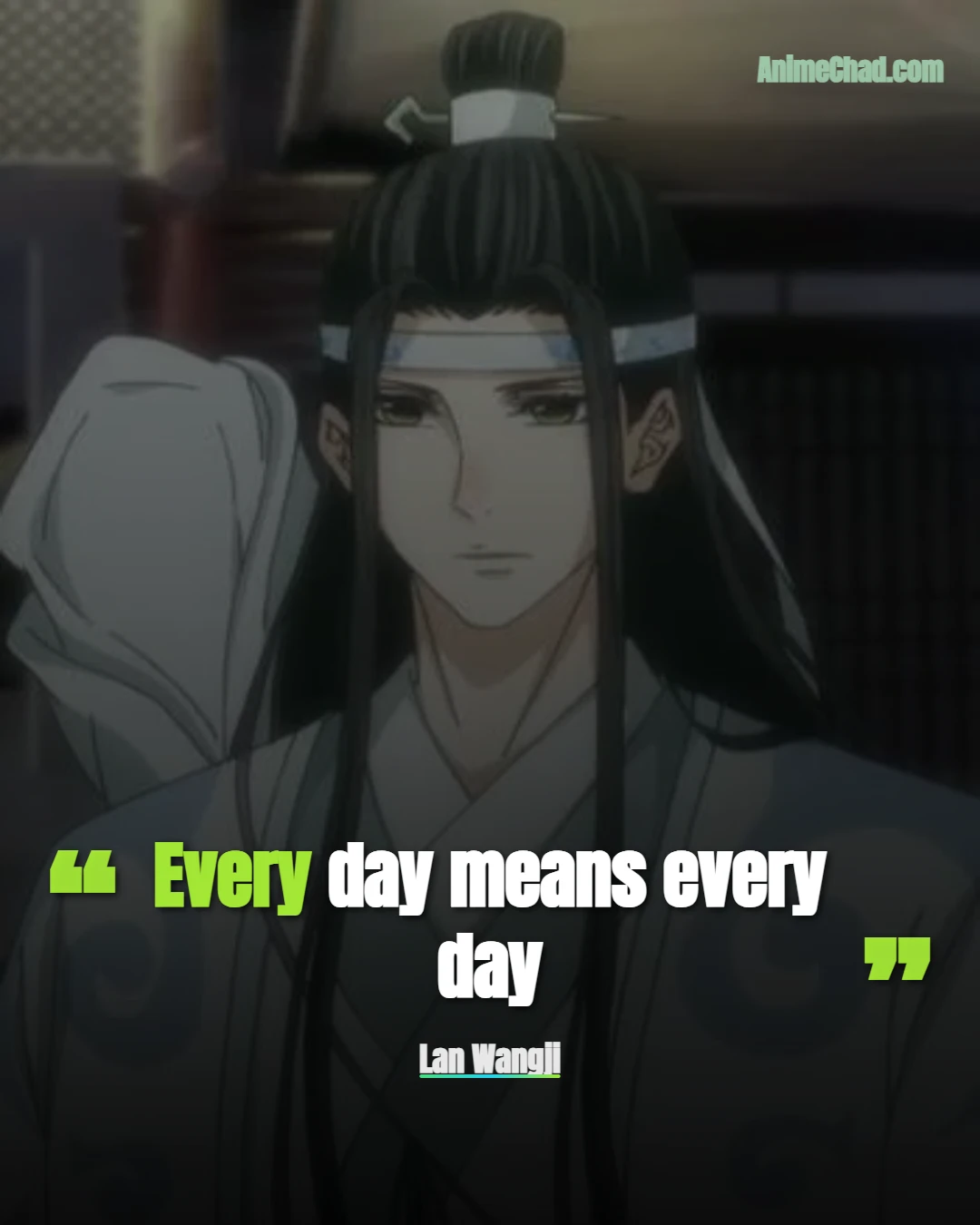
(Novel Volume 5 / Episode 35: Rebirth)
Lan Wangji
A simple yet powerful commitment to their lifelong partnership, representing the stability Wei Wuxian never thought he would find.
Let the self judge the right and wrongs, let others decide whether to praise or to blame
(Episode 1: The Return)
Wei Wuxian
The core philosophy of the series, emphasizing personal integrity over the fickle and often hypocritical moral judgment of society.
But never have I ever wanted to hurt you
(Episode 33: Guanyin Temple)
Jin Guangyao
The tragic villain’s final confession to Lan Xichen, revealing a shred of genuine humanity beneath a lifetime of manipulation and murder.
If the face says nothing, listen to the heartbeat
(Novel Volume 4 / Episode 28)
Wei Wuxian
Observing Lan Wangji’s stoic nature, this quote highlights the deep emotional undercurrents that define their wordless understanding of one another.
You have to remember the good things people have done for you, instead of remembering the bad
(Novel Volume 5 / Episode 14)
Wei Wuxian
Taught by his mother, this philosophy allows Wei Wuxian to remain optimistic and free-spirited despite the immense betrayal he faces.
At best, you’re the untamed hero; at worst, you offend people wherever you go
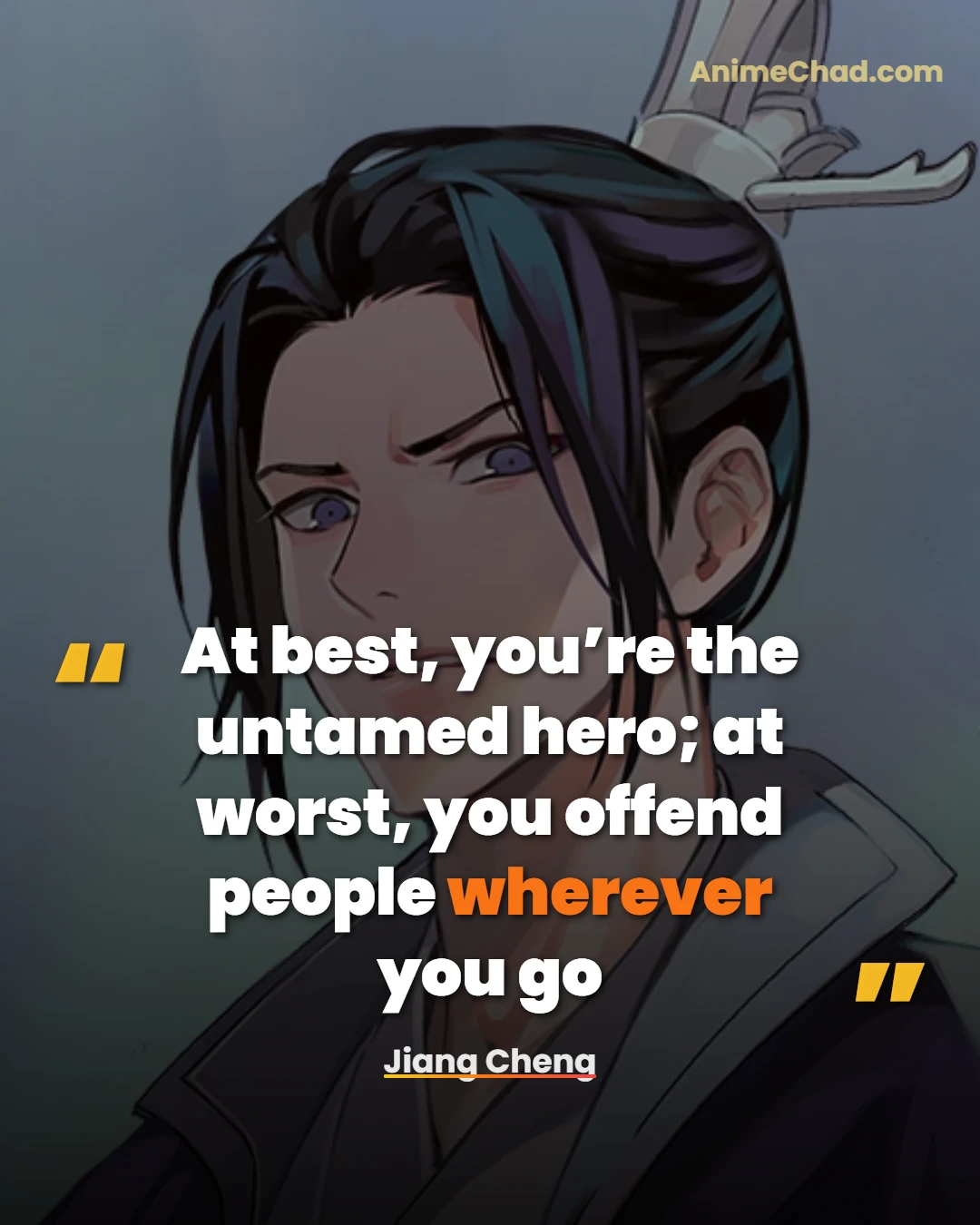
(Episode 25: Conflict)
Jiang Cheng
A harsh warning that captures the precarious social standing of those who dare to challenge the status quo in the cultivation world.
I do
(Episode 32: Truth)
Lan Wangji
A simple affirmation of absolute trust in Wei Wuxian when the rest of the world remains suspicious, cementing their unbreakable bond.
I want to go on Night Hunts with you for the rest of my life
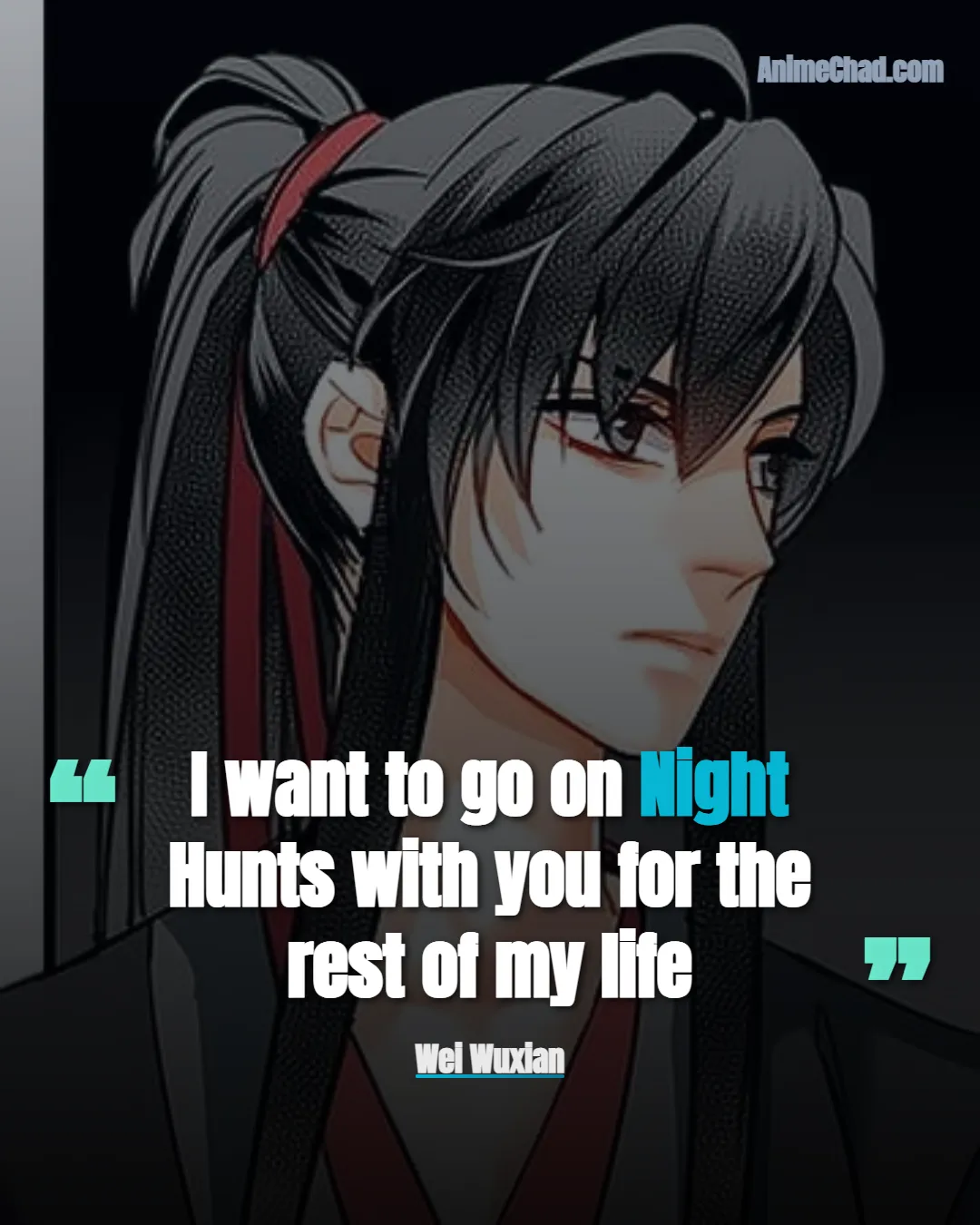
(Novel Volume 5 / Episode 35)
Wei Wuxian
Part of his ultimate confession, signaling his transition from a lonely fugitive to someone who finally has a home and a partner.
Someday, you’ll say those words in tears
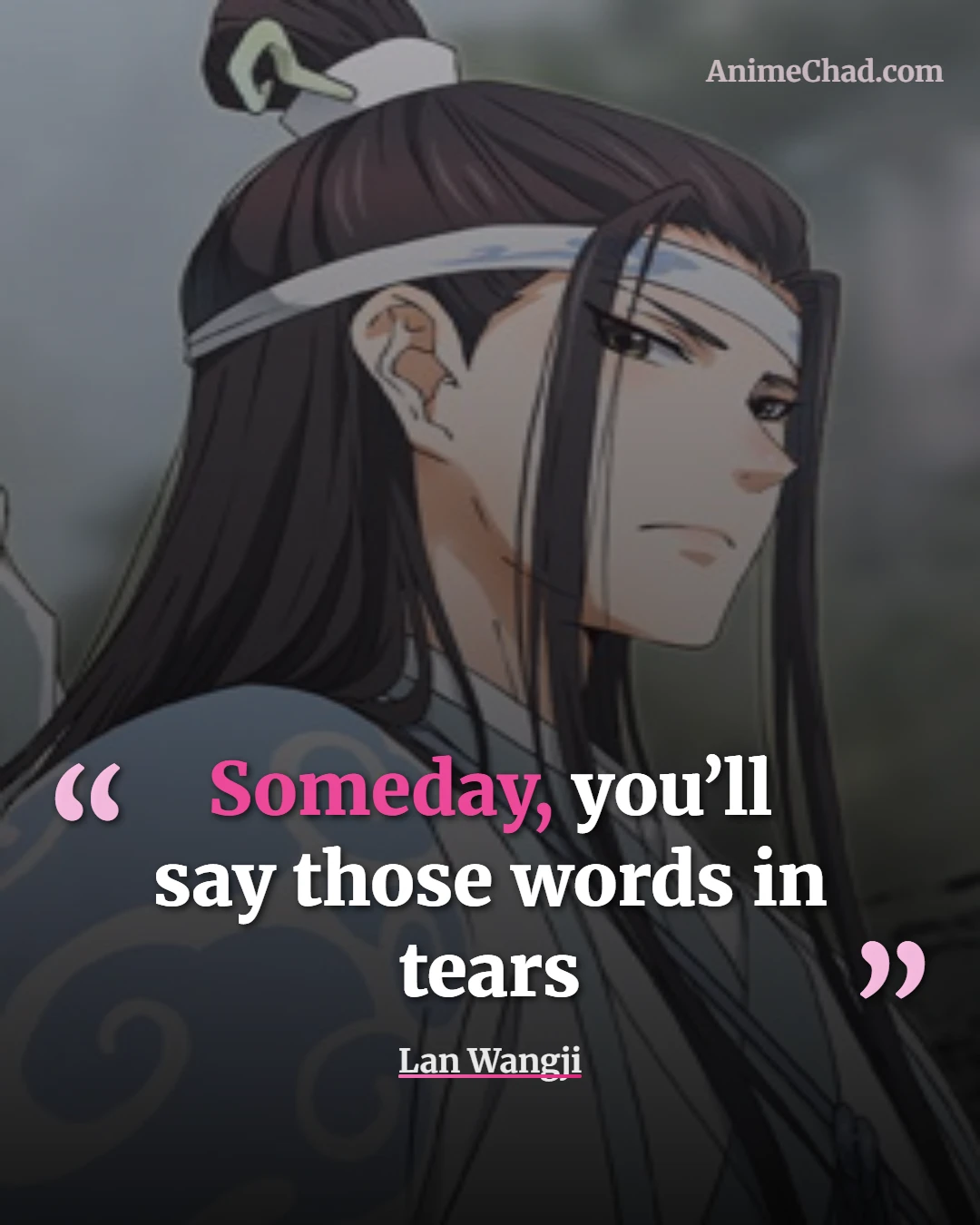
(Novel Volume 1 / Episode 3)
Lan Wangji
Foretelling the immense grief and regret Wei Wuxian will eventually feel for his reckless words and the tragedies that follow.
Why would a living person worry about what happens after they die? I’ll just live freely
(Episode 3: Gusu)
Wei Wuxian
Reflecting his youthful, carefree nature before the war, a stark contrast to the heavy burdens he carries in his second life.
You’re especially wonderful. I like you

(Novel Volume 5 / Episode 34)
Wei Wuxian
The long-awaited confession that breaks through Lan Wangji’s emotional walls and reconciles their decade-long misunderstandings.
Hatred could blind a person’s eyes, making him unable to admit anything in favor of his enemy
(Novel Volume 4 / Episode 31)
Wei Wuxian
A commentary on the cycle of revenge and prejudice that fuels the primary conflicts between the great cultivation sects.
In this world, there are things you simply cannot control
(Episode 21: Loss)
Wei Wuxian
Coming to terms with the reality that even with immense power, one cannot save everyone or prevent every tragedy.
I am here
(Episode 35: Ending)
Lan Wangji
Providing the constant, steady presence that Wei Wuxian lacked during his first life, symbolizing ultimate safety and devotion.
One cannot force others to like them, but one can make themselves worthy of love
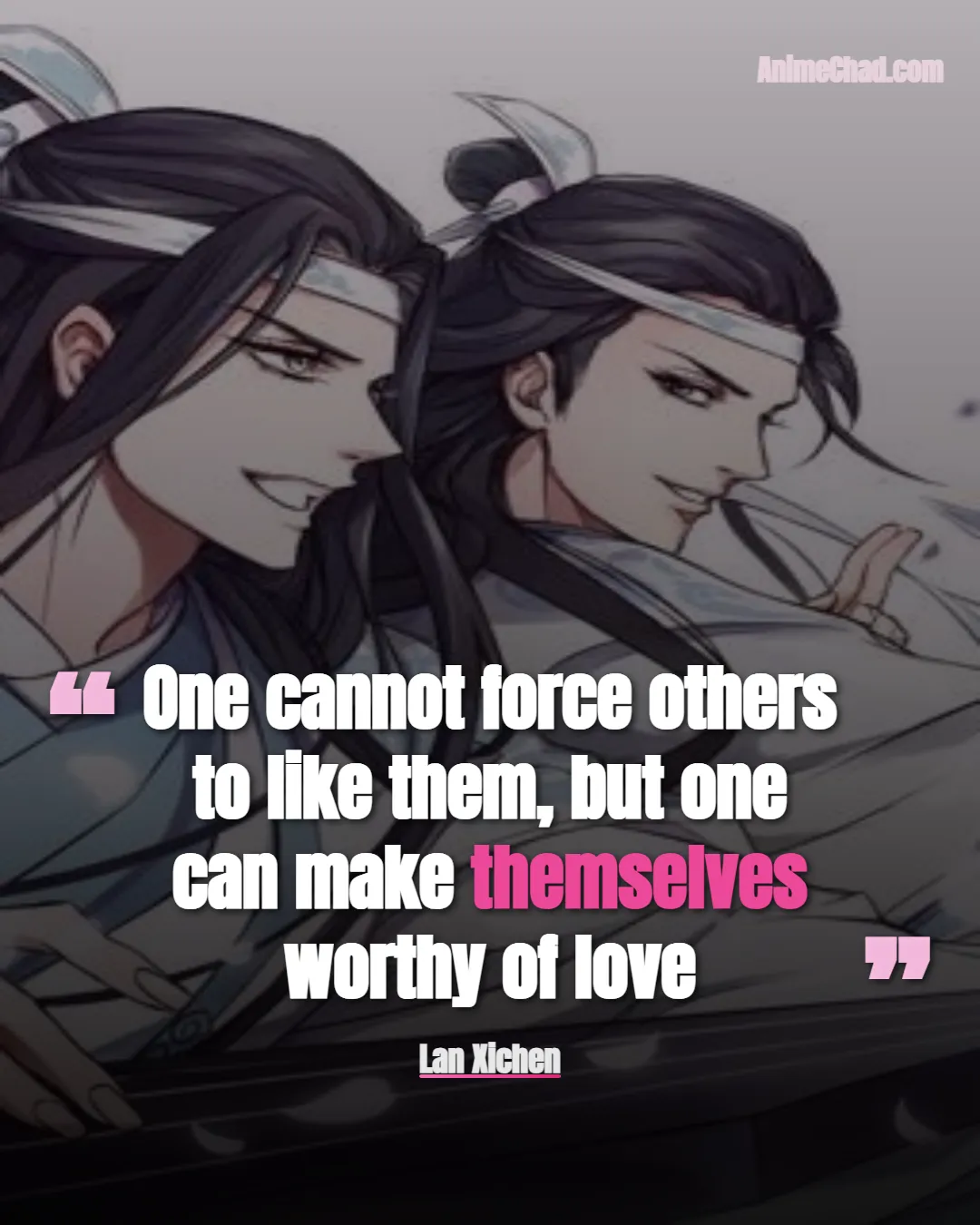
(Episode 8: Discipline)
Lan Xichen
A gentle piece of advice that reflects his role as a mediator and his deep empathy for those around him.
Your admiration was a bit too cheap, wasn’t it?
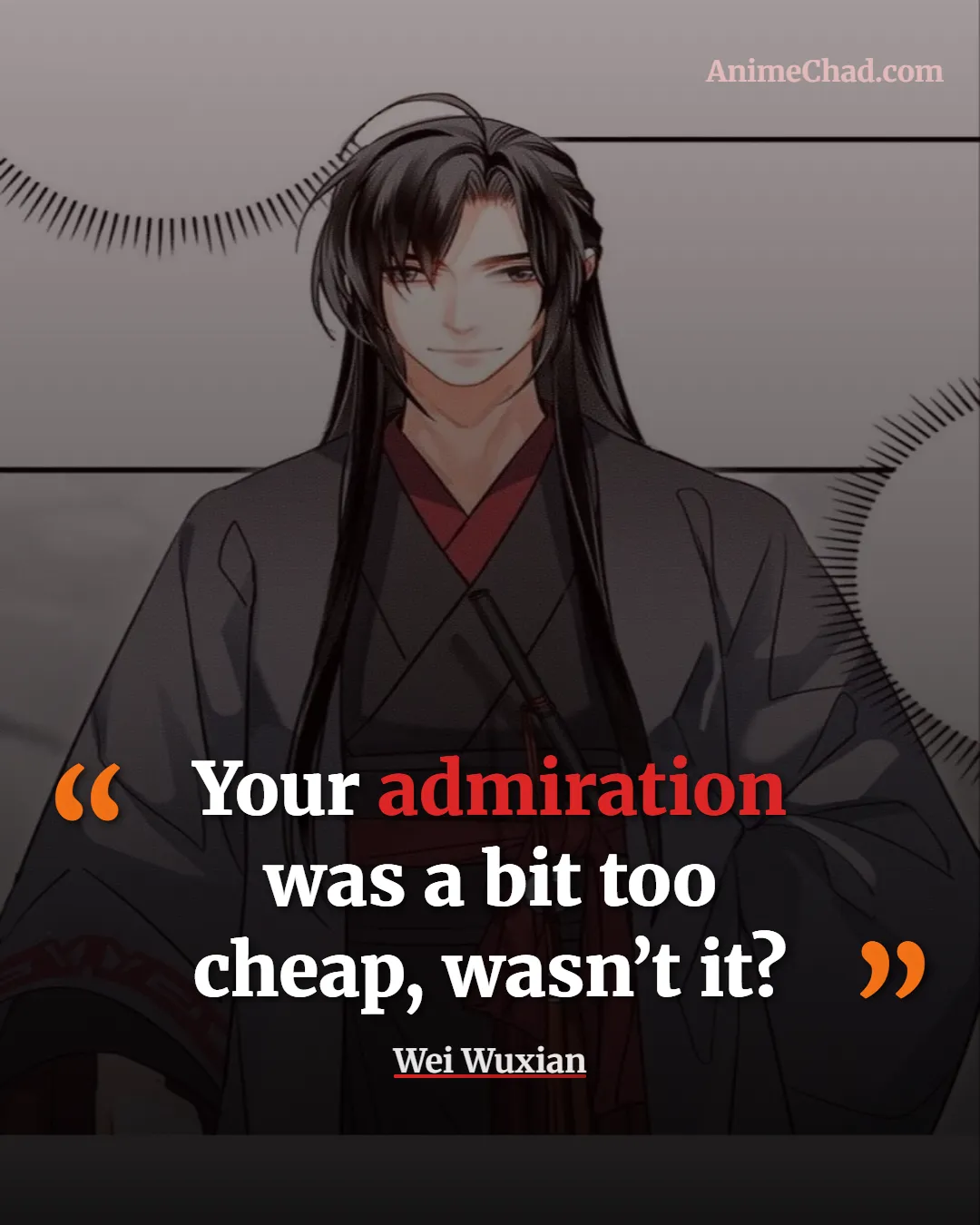
(Novel Volume 4 / Episode 30)
Wei Wuxian
Calling out the hypocrisy of the masses who praised him when he was useful and vilified him when he became a threat.
To do what is right, regardless of the path

(Episode 4: The Vow)
Wei Wuxian
Establishing the heroic ideal that drives his actions, even when those actions lead to his eventual social exile.
Even if I don’t use my sword, I will still rise unparalleled

(Episode 20: Power)
Wei Wuxian
A bold declaration of his genius and the legitimacy of his new path, despite the scorn of the traditional sects.
Drink the finest wine, and love the person you want to love

(Episode 35: Epilogue)
Wei Wuxian
The ultimate resolution of his journey, finding peace and happiness in the simplest of life’s pleasures with Lan Wangji.
The rich brother is Brother Rich
(Episode 27: A-Yuan)
Wen Yuan (A-Yuan)
A lighthearted moment that showcases the domestic bond forming between the “two fathers” while living in the Burial Mounds.
Only when people don’t hold so much in their hearts would they finally feel free

(Novel Volume 5 / Episode 14)
Wei Wuxian
Encouraging others to let go of grudges, a theme that allows for his own eventual healing and redemption.
Playing inquiry for thirteen years, waiting for someone who will not return
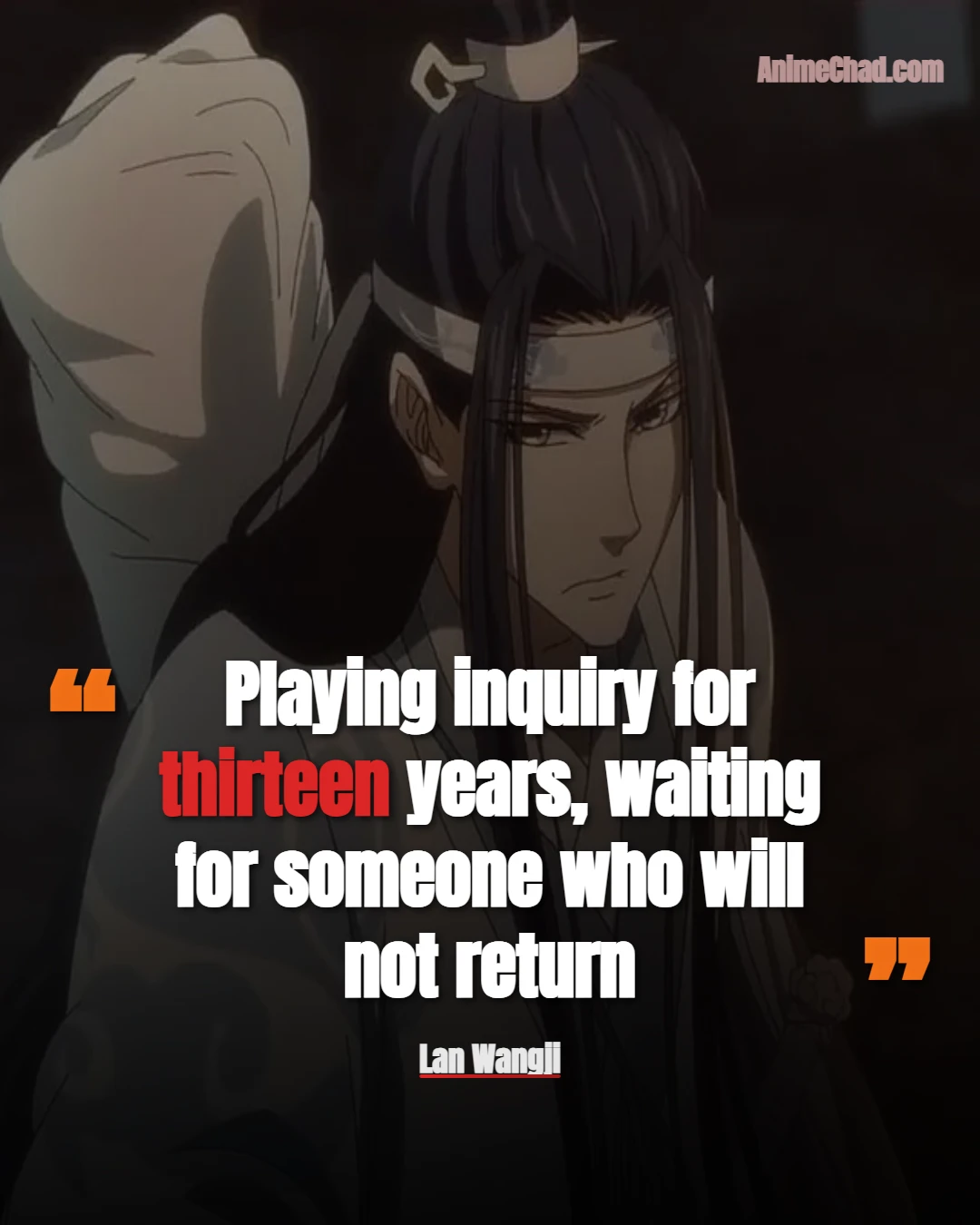
(Post-Series Quote / Fan Popularized)
Lan Wangji
Though popularized in the fandom, it captures the essence of Lan Wangji’s grieving period and his unwavering hope for a miracle.
The sun on the ground was falling

(Novel Volume 2 / Episode 23)
Narrator / Wei Wuxian
A poetic reference to the fall of the Wen Sect (Sun Motif), marking the end of one era and the start of another.