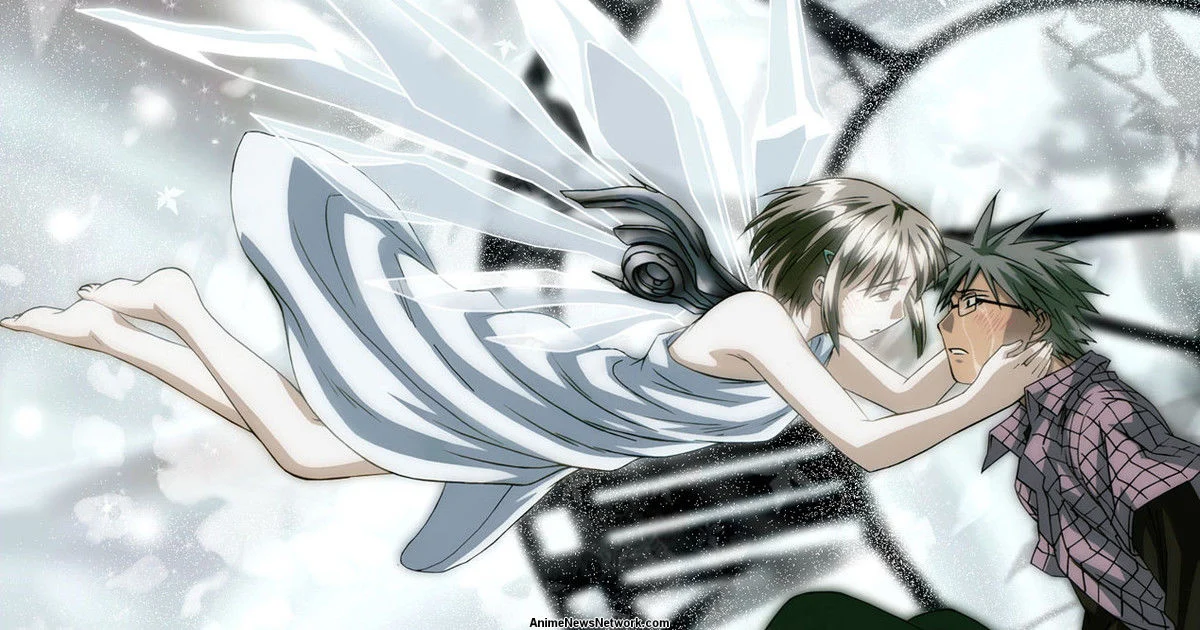
Kokkoku is a psychological supernatural thriller that follows the Yukawa family as they use a mysterious stone to enter “Stasis,” a world where time is frozen, to rescue kidnapped relatives from a dangerous cult. It stands out for a rigid, logic-based power system, an underdog family pushed to extremes, and a narrative that repeatedly subverts “obvious” outcomes.
The anime below deserve more attention because they deliver similarly smart rule-driven mechanics, character-focused tension, and unexpected story turns—without relying on mainstream popularity.
1. Pet (2020)

- Streaming: Crunchyroll; Amazon Prime Video (availability varies by region)
- Plot (≤2 sentences): Certain people can dive into and manipulate memories, and criminal organizations weaponize them as tools. Two “pets” try to keep their identities intact while being used as disposable assets.
- Similarities to Kokkoku: A strict supernatural system with dangerous side effects; psychological pressure and identity erosion replace flashy action; betrayal and control drive the suspense.
- MAL rating: ~7.0
- Episodes: 13
- Studio/Staff: Geno Studio; director Takahiro Omori
- Recognition: Cult-favorite “hidden gem” reputation among psychological thriller fans
2. ID:INVADED (2020)

- Streaming: Crunchyroll; Hulu (availability varies by region)
- Plot (≤2 sentences): Investigators enter surreal mindscapes of killers to solve murders using experimental tech. A broken detective confronts trauma as cases spiral into a larger conspiracy.
- Similarities to Kokkoku: A separate “rules world” like Stasis; mystery-first pacing; character wounds inform every decision; twists that reframe earlier events.
- MAL rating: ~7.8
- Episodes: 13
- Studio/Staff: NAZ; director Ei Aoki
- Recognition: Frequently cited as an underwatched standout of its year
3. Sagrada Reset (2017)
- Streaming: Crunchyroll (availability varies by region)
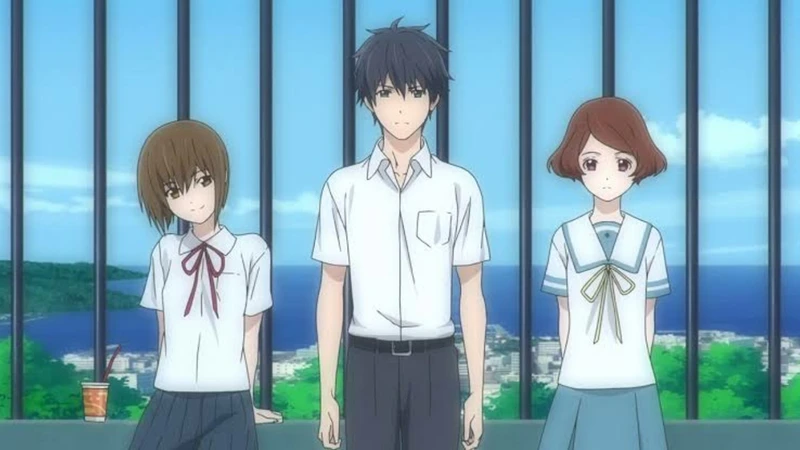
- Plot (≤2 sentences): In a town where nearly everyone has powers, a boy with perfect memory teams with a girl who can reset time. Their careful “if-then” use of abilities pulls them into moral and political conflict.
- Similarities to Kokkoku: Time mechanics treated like a system, not a miracle; emotionally restrained characters; tension built from consequences and loopholes rather than brute force.
- MAL rating: ~7.3
- Episodes: 24
- Studio/Staff: David Production; director Shinya Kawatsura
- Recognition: Known for meticulous internal logic and slow-burn reveals
4. Noein: To Your Other Self (2005)
- Streaming: Availability varies by region (often appears on catalog services)
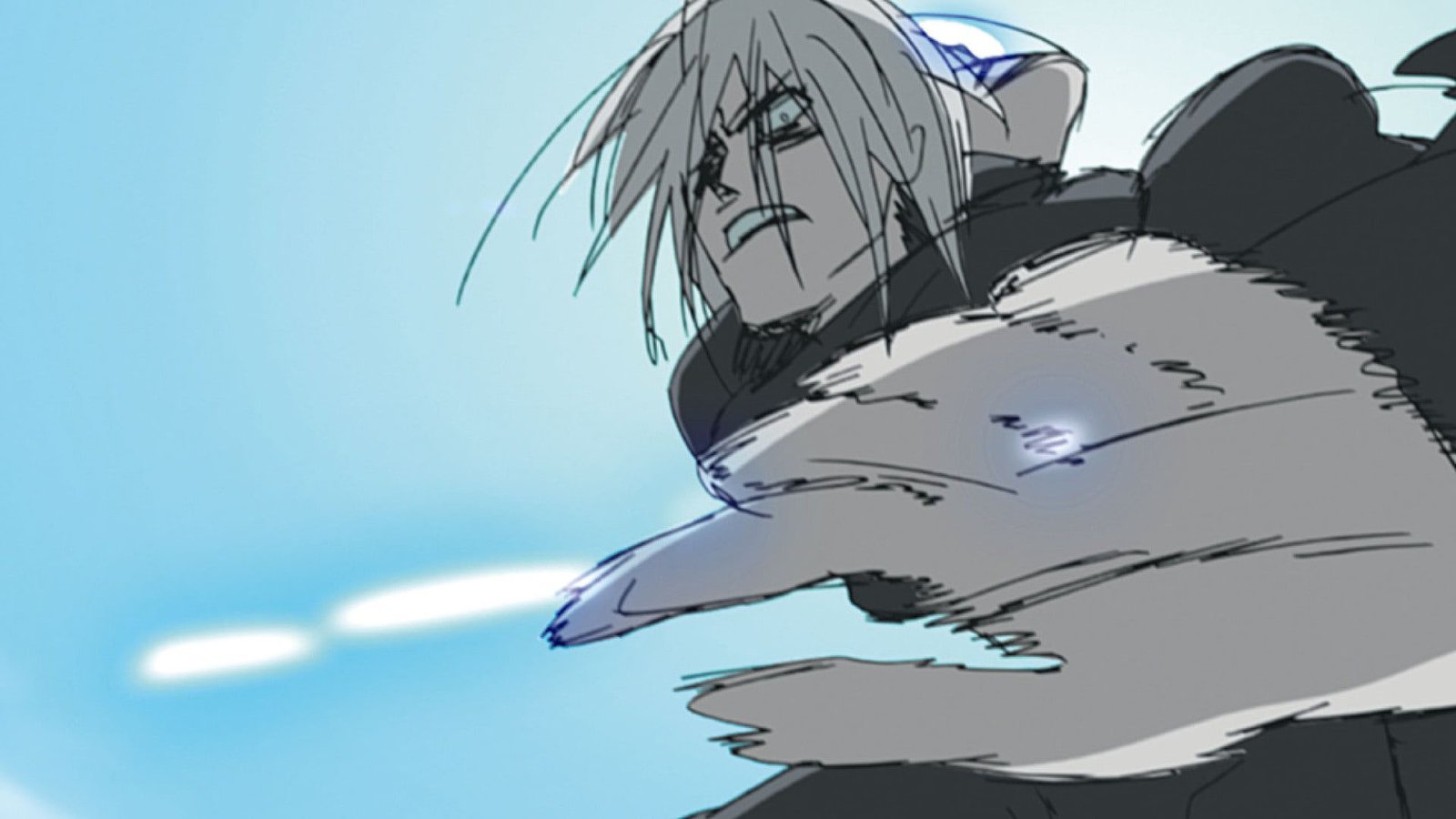
- Plot (≤2 sentences): Children become key pieces in a conflict between future timelines and alternate dimensions. A soldier from the future protects a girl who may decide reality’s fate.
- Similarities to Kokkoku: High-concept science/supernatural blend; escalating stakes from intimate to cosmic; distinct animation and kinetic direction that sells the instability of reality.
- MAL rating: ~7.6
- Episodes: 24
- Studio/Staff: Satelight; director Kazuki Akane
- Recognition: Respected for ambitious storytelling and experimental visuals
5. Ghost Hound (2007)
- Streaming: Availability varies by region
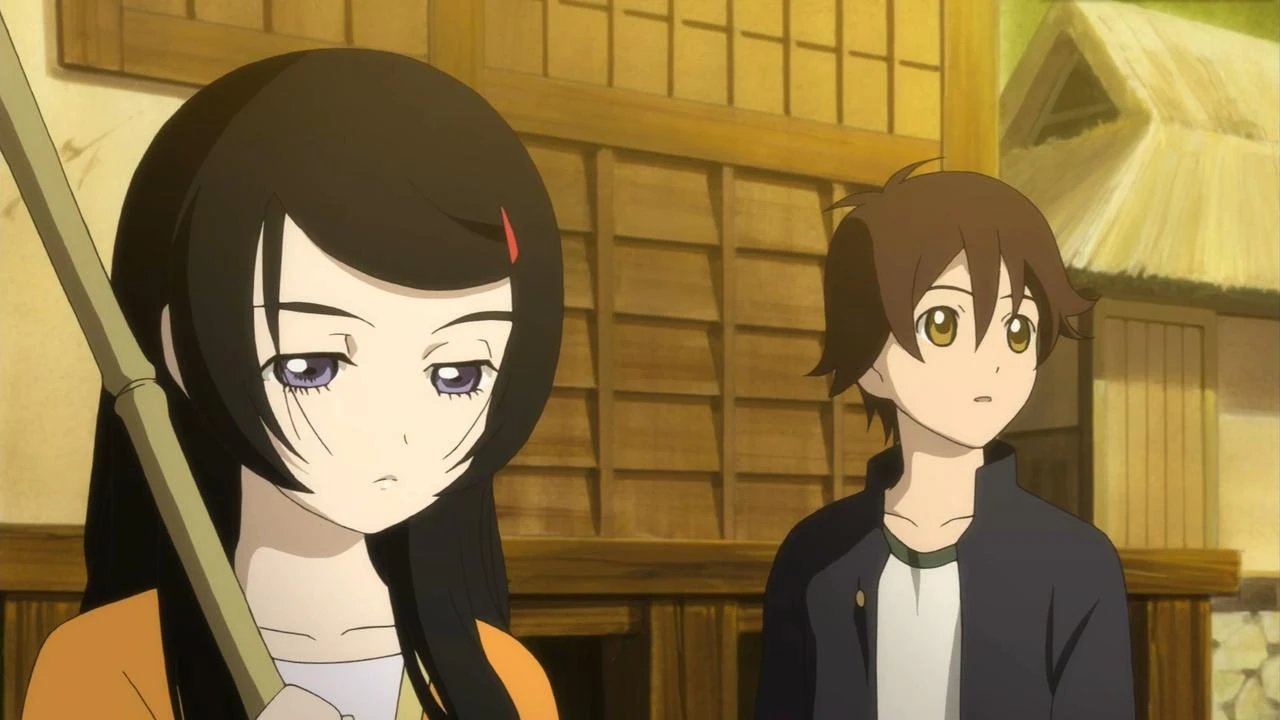
- Plot (≤2 sentences): Three boys experience out-of-body travel into an “Unseen World” overlapping their rural town. Their supernatural experiences uncover buried trauma and a sinister research thread.
- Similarities to Kokkoku: Quiet dread; the uncanny invading everyday life; character psychology matters as much as plot; slow tension with sudden spikes of terror.
- MAL rating: ~7.5
- Episodes: 22
- Studio/Staff: Production I.G; director Ryutaro Nakamura
- Recognition: Often recommended to fans of cerebral, unsettling supernatural anime
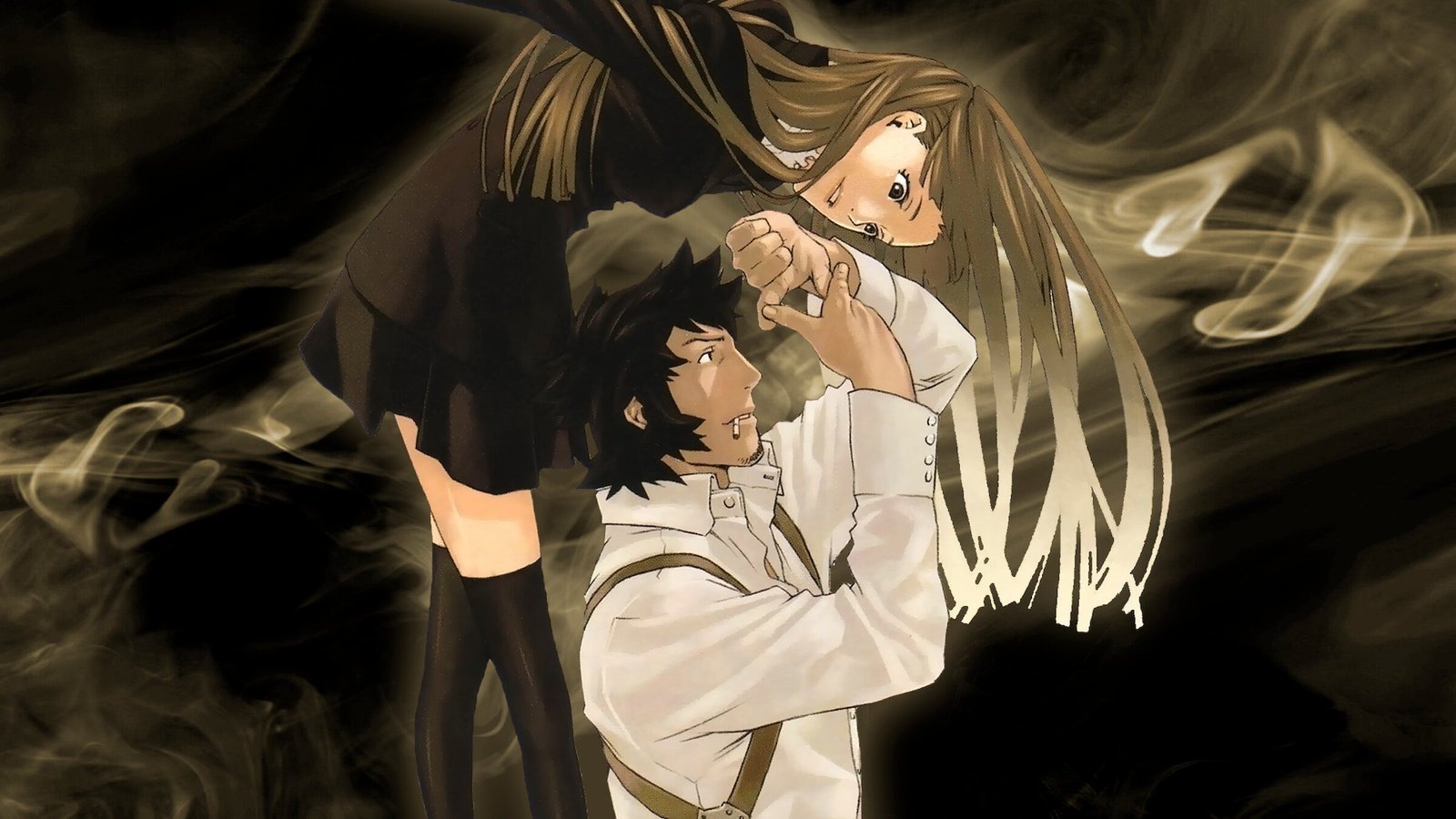
6. Speed Grapher (2005)
- Streaming: Availability varies by region
- Plot (≤2 sentences): A photographer gains a destructive power tied to his camera after encountering a secret elite society. He protects a girl while uncovering a world of corruption and grotesque deals.
- Similarities to Kokkoku: Adult, gritty thriller tone; powers tied to human flaws; conspiratorial antagonists; constant feeling that the system is rigged against the “ordinary” hero.
- MAL rating: ~7.3
- Episodes: 24
- Studio/Staff: Gonzo; director Kunihisa Sugishima
- Recognition: Noted for harsh social critique and oppressive atmosphere
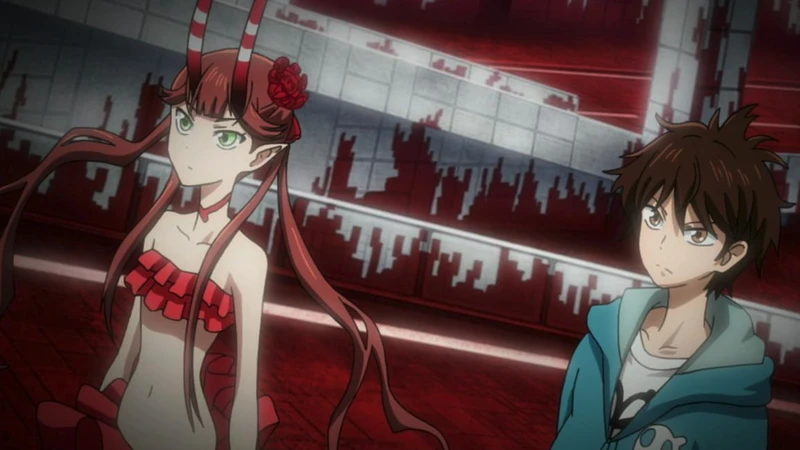
7. C: The Money of Soul and Possibility Control (2011)
- Streaming: Availability varies by region
- Plot (≤2 sentences): A student is pulled into a parallel “Financial District” where battles gamble people’s futures. Winning brings wealth; losing erases possibilities from real life.
- Similarities to Kokkoku: A separate domain with strict rules; abstract but consistent mechanics; underdog protagonist forced to mature quickly; subversion of “success” narratives.
- MAL rating: ~7.2
- Episodes: 11
- Studio/Staff: Tatsunoko Production; director Kenji Nakamura
- Recognition: Praised for concept originality and thematic bite
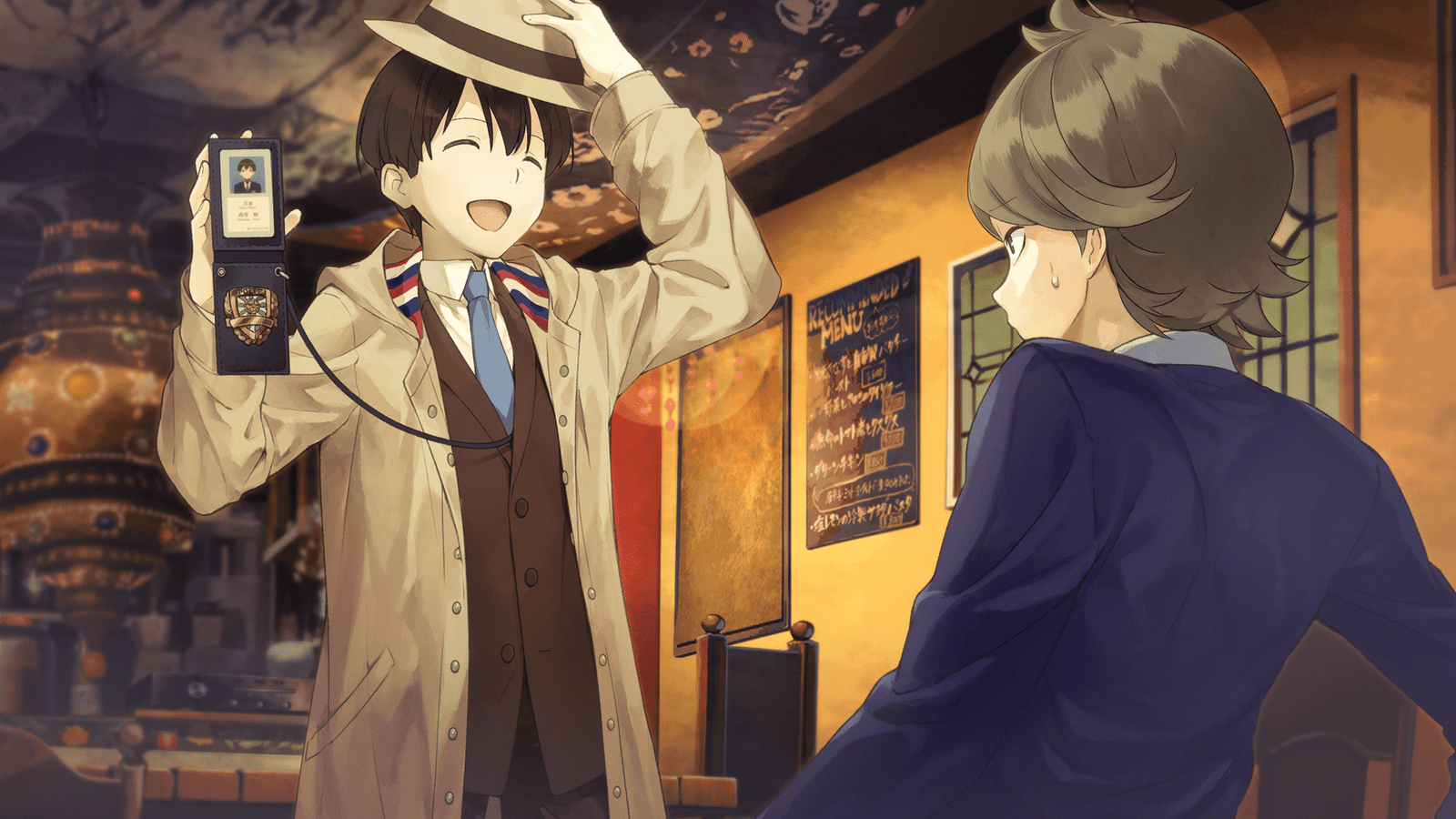
8. Occultic;Nine (2016)
- Streaming: Availability varies by region
- Plot (≤2 sentences): A group of strangers connected to an occult blog is drawn into a conspiracy mixing paranormal events and science. The puzzle expands rapidly as truths collide with denial.
- Similarities to Kokkoku: Mystery layering; ensemble cast with intersecting secrets; escalating dread; twists that make earlier “random” scenes click into place.
- MAL rating: ~6.9–7.0
- Episodes: 12
- Studio/Staff: A-1 Pictures; director Kyohei Ishiguro
- Recognition: Known for breakneck pacing and plot density
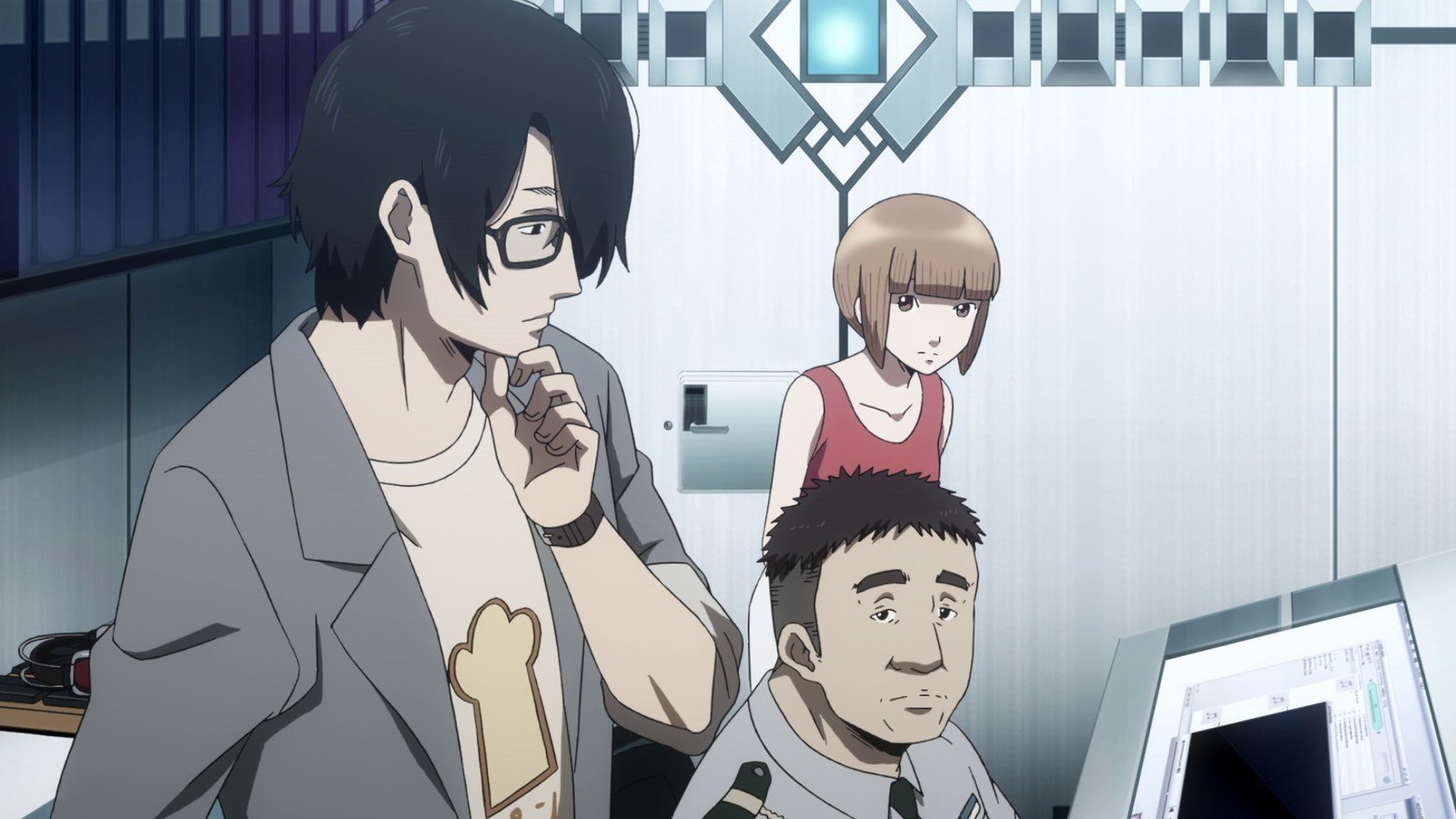
9. The Perfect Insider (2015)
- Streaming: Availability varies by region
- Plot (≤2 sentences): A visit to a remote research facility turns into an impossible-murder case. Logic battles emotion as the mystery reveals unsettling human motives.
- Similarities to Kokkoku: Cold, cerebral tone; plot driven by deduction and character contradictions; expectation subversion via “rational” explanations that feel more disturbing than magic.
- MAL rating: ~7.2–7.3
- Episodes: 11
- Studio/Staff: A-1 Pictures; director Mamoru Kanbe
- Recognition: Strong reputation among niche mystery anime fans
10. Dennou Coil (2007)
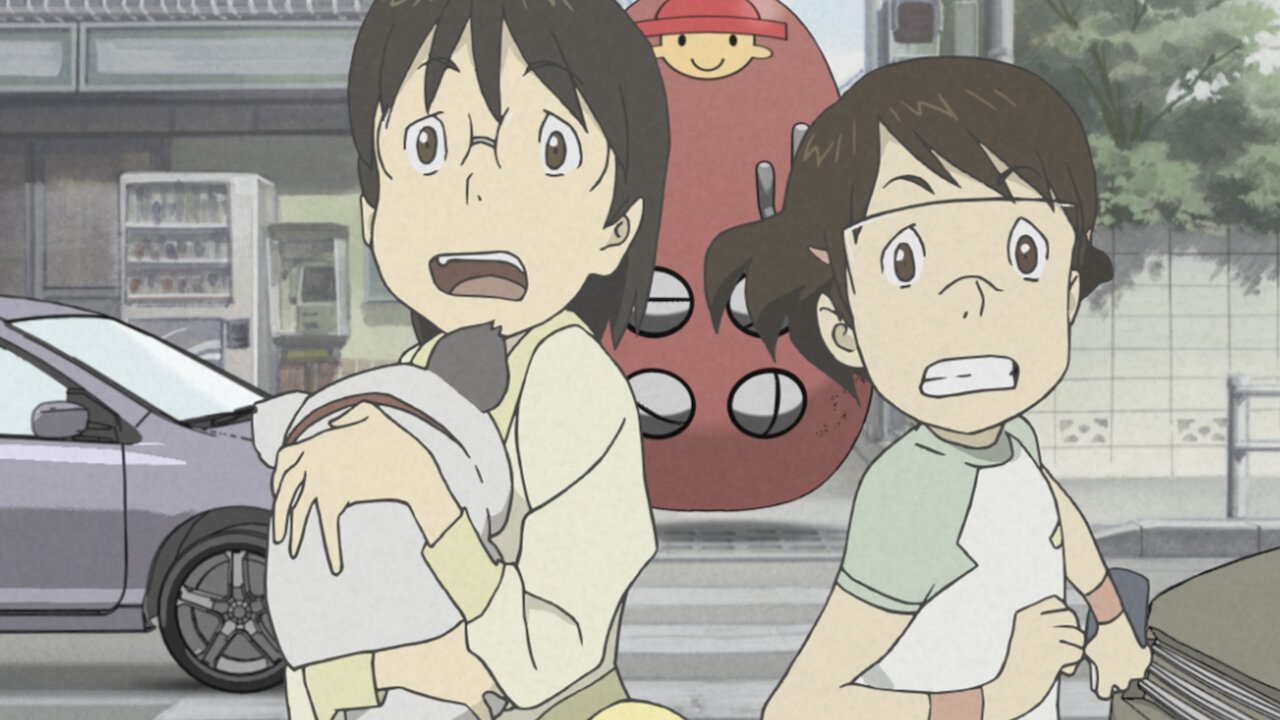
- Streaming: Availability varies by region (often licensed intermittently)
- Plot (≤2 sentences): Children explore a city where AR overlays reality and “glitches” behave like urban legends. What begins playful becomes a haunting search for truth and loss.
- Similarities to Kokkoku: Hidden layer of reality with rules; childhood/ordinary life colliding with terrifying implications; gradual transformation from curiosity to high-stakes consequences.
- MAL rating: ~7.7
- Episodes: 26
- Studio/Staff: Madhouse; director Mitsuo Iso
- Recognition: Frequently praised for worldbuilding and emotional payoff
11. Babylon (2019)

- Streaming: Amazon Prime Video (availability varies by region)
- Plot (≤2 sentences): A prosecutor uncovers a conspiracy linked to a woman whose influence pushes people toward suicide. The investigation becomes a moral collapse under impossible pressure.
- Similarities to Kokkoku: Oppressive suspense; protagonist outmatched by an inhuman-feeling force; constant rug-pulls; asks what “choice” means under coercion.
- MAL rating: ~7.0
- Episodes: 12
- Studio/Staff: Revoroot; director Kiyotaka Suzuki
- Recognition: Polarizing but widely discussed for its themes
12. Shigofumi: Letters from the Departed (2008)

- Streaming: Availability varies by region
- Plot (≤2 sentences): A courier delivers letters written by the dead to the living, forcing recipients to confront guilt, regret, or truth. Each delivery reveals a human story with sharp emotional edges.
- Similarities to Kokkoku: Family wounds and moral consequences; supernatural premise used to expose human psychology; twists that turn “simple” situations heavy.
- MAL rating: ~7.5
- Episodes: 12
- Studio/Staff: J.C.Staff; director Tatsuyuki Nagai
- Recognition: Often highlighted for emotional intensity and dark empathy
13. Kubikiri Cycle: The Blue Savant and the Nonsense User (2016)

- Streaming: Availability varies by region
- Plot (≤2 sentences): Gifted eccentrics gather on an island and become trapped in a murder case. A cynical narrator watches genius and nonsense collide as paranoia rises.
- Similarities to Kokkoku: Character-driven tension; puzzle-box construction; stylish direction; expectation subversion through perspective shifts and deliberately “off” social dynamics.
- MAL rating: ~7.7
- Episodes: 8 (OVA)
- Studio/Staff: Shaft; story by Nisio Isin
- Recognition: Admired for visual identity and dialogue-driven suspense
14. Bokurano (2007)

- Streaming: Availability varies by region
- Plot (≤2 sentences): Fifteen kids agree to pilot a giant robot, then learn each battle demands a devastating personal cost. The show focuses on fear, denial, and survival rather than heroics.
- Similarities to Kokkoku: Brutal subversion of genre expectations; ordinary people forced into extraordinary horror; character arcs built from consequences, not power-ups.
- MAL rating: ~7.7
- Episodes: 24
- Studio/Staff: Gonzo; director Hiroyuki Morita
- Recognition: Known for its bleak, unforgettable psychological impact
15. Boogiepop and Others (2019)

- Streaming: Availability varies by region
- Plot (≤2 sentences): A city’s supernatural incidents are told through fragmented viewpoints around the urban legend “Boogiepop.” Stories interlock into a bigger truth about hidden threats.
- Similarities to Kokkoku: Non-linear reveal structure; uncanny “rules behind reality”; atmosphere-first dread; the sense that the world has always been stranger than the characters knew.
- MAL rating: ~7.1
- Episodes: 18
- Studio/Staff: Madhouse; director Shingo Natsume
- Recognition: Respected for structure and mood, even if underwatched
Why These Anime Work for Mentioned Anime Fans
They all commit to a defined “system” (time, minds, dimensions, futures, or hidden layers) where rules matter and breaking them has consequences, which matches the appeal of Kokkoku’s Stasis. They also emphasize underdog protagonists—people who win by endurance, compromise, and clever choices rather than destined strength—while steadily subverting what you think the story’s “real” conflict is. Finally, each series prioritizes character damage and moral trade-offs, delivering the same blend of thriller momentum and uncomfortable psychological truth that makes Kokkoku linger after the credits.