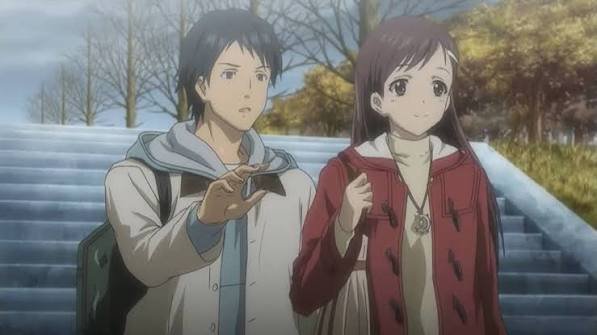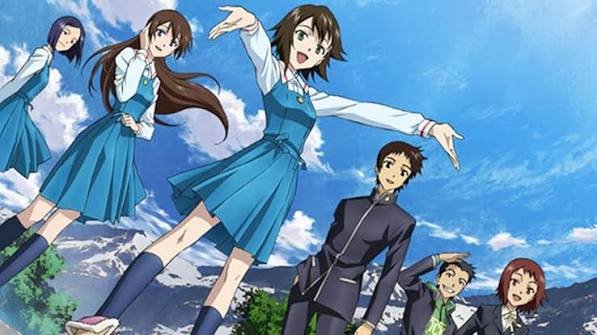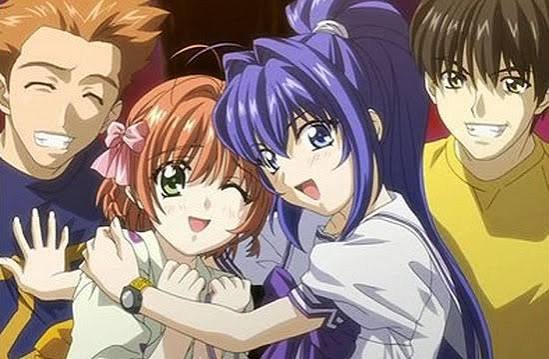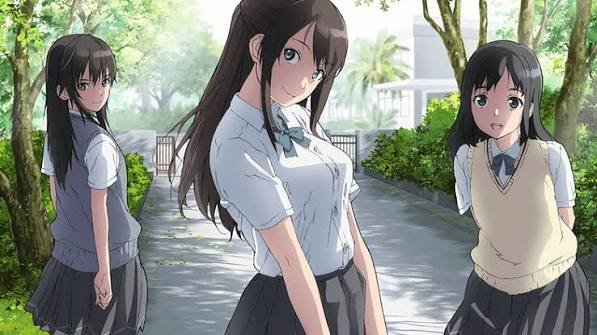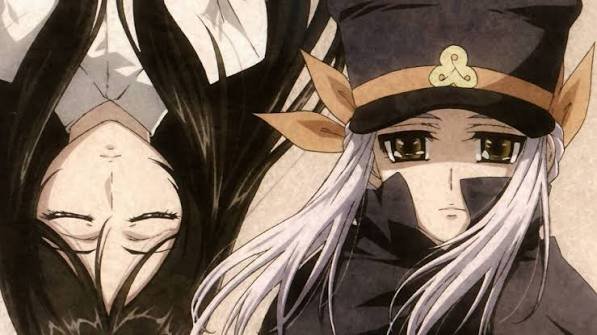
Shigofumi (Letters from the Dead) is a haunting, emotionally resonant anthology series that explores the intersection of life, death, and the unresolved emotions that bind them. The story follows Fumika, a mysterious young girl who works as a “shigofumi” carrier, delivering letters written by the recently deceased to the living. As she travels between the world of the living and the dead, each episode reveals a new story of grief, regret, guilt, and the desperate need for closure, while gradually unraveling the mystery of Fumika’s own tragic past.
The series is defined by its core themes: a power system rooted in the supernatural rules governing the delivery of letters from the dead, where the boundary between worlds is both sacred and fragile. The protagonists are profound underdogs—both the living recipients of the letters, who are grappling with loss, and Fumika herself, who is haunted by her own unresolved trauma. Shigofumi masterfully subverts expectations by presenting what appears to be a simple episodic supernatural drama and gradually revealing a deep, interconnected narrative about identity, memory, and the consequences of violence. It is a series that understands the power of a single message to heal or to destroy.
For fans of Shigofumi, finding similar anime can be a challenge. The series occupies a unique space—part supernatural mystery, part psychological drama, part meditation on mortality. Yet, many underrated series share its core DNA: a focus on the emotional weight of death and the afterlife, an exploration of the unresolved feelings that bind the living to the dead, and a willingness to confront the darker aspects of human nature. These shows deserve far more attention for their emotional depth, their philosophical ambition, and their ability to find beauty in the midst of sorrow.
Here are 15 underrated anime that capture the spirit of Shigofumi.
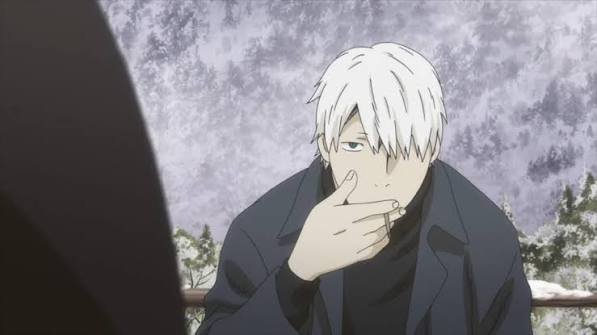
1. Mushishi (2005)
- Streaming Availability: Crunchyroll, Hulu
- Rating: MAL: 8.7
- Episodes: 26 (Season 1)
- Studio: Artland
- Notable Staff: Based on the manga by Yuki Urushibara.
Plot Summary: Ginko, a “Mushi-shi,” travels the countryside investigating “Mushi”—primordial, ethereal lifeforms that exist alongside humanity, often causing inexplicable and sometimes harmful phenomena. His journey is one of quiet observation, understanding, and finding balance.
Similarities to Shigofumi: Both are episodic series that explore the relationship between the natural and supernatural worlds, with a focus on the emotional impact of these encounters on ordinary people. The tone is quiet, contemplative, and deeply melancholic. Ginko, like Fumika, is a wanderer who observes the human condition from a distance, offering understanding rather than judgment.
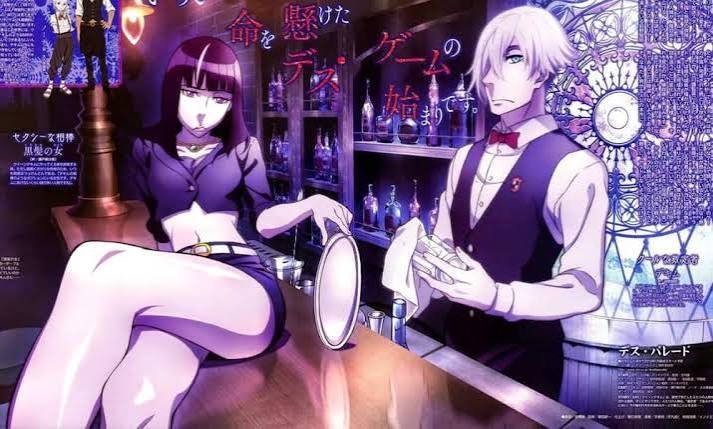
2. Death Parade (2015)
- Streaming Availability: Crunchyroll, Funimation
- Rating: MAL: 8.0
- Episodes: 12
- Studio: Madhouse
- Notable Staff: Directed by Yuzuru Tachikawa.
Plot Summary: After death, souls are sent to the Quindecim bar, where the arbiter Decim must judge them by having them play a game that reveals their deepest secrets and true nature. The outcome determines whether the soul is reincarnated or sent to the void.
Similarities to Shigofumi: Both are set in a liminal space between life and death, where the true nature of individuals is revealed after they have passed. The focus is on the psychological depth of the characters and the exploration of morality, judgment, and the human condition. Both series use a supernatural framework to explore profound questions about life and death.
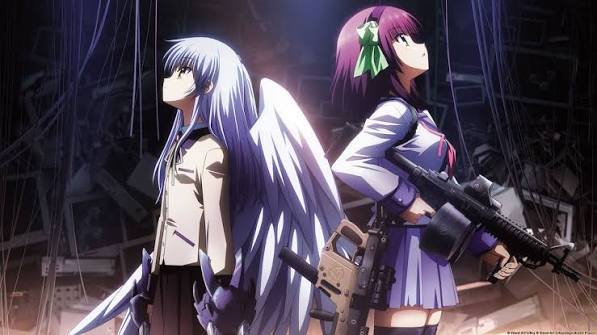
3. Angel Beats! (2010)
- Streaming Availability: Crunchyroll, Funimation
- Rating: MAL: 8.0
- Episodes: 13
- Studio: P.A. Works
- Notable Staff: Created by Jun Maeda, directed by Seiji Kishi.
Plot Summary: Otonashi wakes up in the afterlife, a high school purgatory where students who died with unfulfilled dreams must learn to let go of their past lives. He joins a rebel group called the SSS, who fight against a mysterious girl named Angel, the student council president who enforces the rules of this world.
Similarities to Shigofumi: Both are about the afterlife and the unresolved emotions that keep the dead from moving on. The characters are all “underdogs” who have suffered tragic, unfair deaths, and their journey is one of healing and acceptance. The focus on the emotional weight of loss and the search for peace is a core similarity.
4. Haibane Renmei (2002)
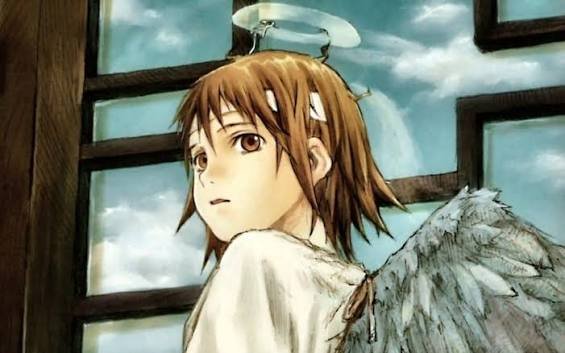
- Streaming Availability: Funimation
- Rating: MAL: 8.0
- Episodes: 13
- Studio: Radix
- Notable Staff: Created by Yoshitoshi ABe.
Plot Summary: Rakka, a newly born “Haibane,” awakens in a strange, walled town with small wings and no memory of her past. She and the other Haibane are forbidden from leaving and must live a quiet, simple life while grappling with their existence and the nature of their “sin.”
Similarities to Shigofumi: Both are set in a liminal space between worlds, where the protagonists must come to terms with their pasts and find a way to move on. The focus is on the emotional and spiritual journey of the characters, and the exploration of sin, guilt, and redemption. The tone is quiet, contemplative, and deeply atmospheric.
5. Kino’s Journey (2003)
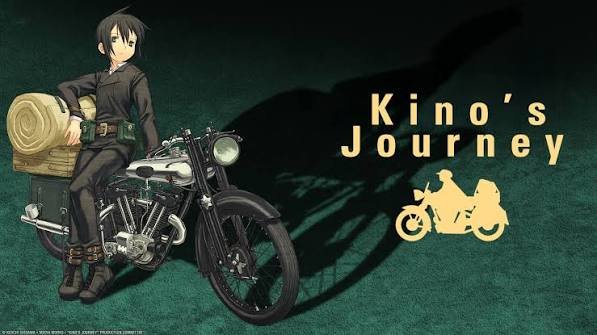
- Streaming Availability: Amazon Prime Video, HiDive
- Rating: MAL: 8.3
- Episodes: 13
- Studio: A.C.G.T.
- Notable Staff: Based on the light novel series by Keiichi Sigsawa.
Plot Summary: Kino, a young traveler, journeys with a talking motorcycle named Hermes through a variety of strange and unique countries, each with its own distinct culture, technology, and philosophy. Kino’s rule is to stay in each country for only three days and two nights.
Similarities to Shigofumi: Both are episodic journeys that explore the complexities of human nature and society through a series of self-contained stories. The tone is quiet, observational, and often melancholic. The protagonists are wanderers who observe the world without judgment, allowing the audience to draw their own conclusions.
6. Natsume’s Book of Friends (Natsume Yuujinchou) (2008)
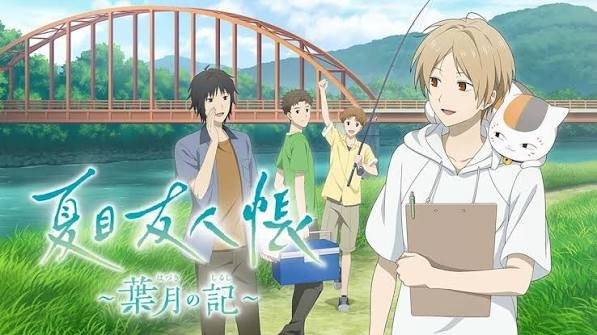
- Streaming Availability: Crunchyroll
- Rating: MAL: 8.3
- Episodes: 13 (Season 1)
- Studio: Brain’s Base
- Notable Staff: Based on the manga by Yuki Midorikawa.
Plot Summary: Takashi Natsume, a boy who can see spirits, inherits a book from his grandmother that contains the names of spirits she had bound to her will. He decides to return the names to their owners, and in doing so, he learns about the spirits’ lives and forms deep connections with them.
Similarities to Shigofumi: Both are episodic series about a protagonist who interacts with supernatural beings and helps them resolve their unfinished business. The focus is on empathy, understanding, and the healing power of connection. The tone is warm, melancholic, and deeply emotional, with a focus on the beauty of the unseen world.
7. The Perfect Insider (Subete ga F ni Naru) (2015)
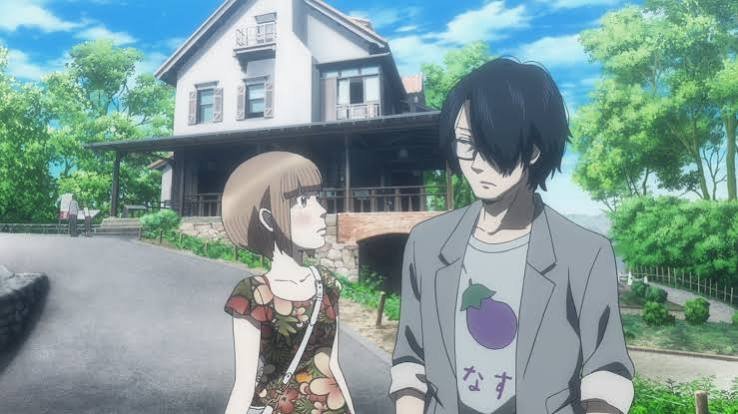
- Streaming Availability: Crunchyroll
- Rating: MAL: 7.1
- Episodes: 11
- Studio: A-1 Pictures
- Notable Staff: Based on the award-winning novel by Hiroshi Mori.
Plot Summary: Brilliant professor Sohei Saikawa and his student Moe Nishinosono travel to a remote island research facility, only to be trapped there when a murder occurs. The central mystery involves the facility’s enigmatic genius, Dr. Magata Shiki, who has lived in isolation for fifteen years.
Similarities to Shigofumi: Both are intellectually rigorous series that use a mystery framework to explore deep philosophical questions about life, death, and the nature of human existence. The focus is on dialogue and deduction rather than action. The exploration of isolation, trauma, and the search for meaning is a direct thematic parallel.
8. Ghost Hound (2007)
- Streaming Availability: Amazon Prime Video, HiDive
- Rating: MAL: 7.0
- Episodes: 22
- Studio: Production I.G.
- Notable Staff: Created by Masamune Shirow, directed by Ryutaro Nakamura.
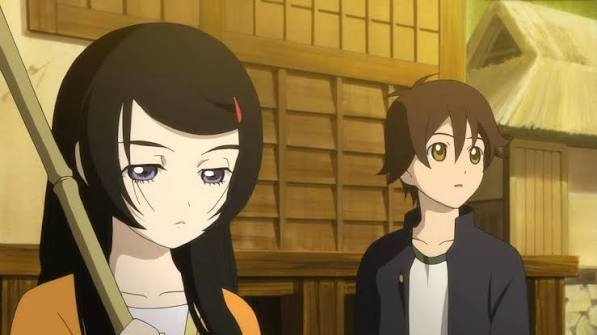
Plot Summary: Three high school boys who have all experienced past traumas begin to have out-of-body experiences. They use this phenomenon to explore the “Unseen World” and investigate a mysterious case from their past connected to a local religious cult.
Similarities to Shigofumi: Both explore the boundary between the living and the dead, and the psychological impact of trauma and unresolved grief. The focus is on the characters’ inner lives and their journey towards healing. The tone is quiet, atmospheric, and deeply introspective, with a similar focus on the unseen world.
9. Mushi-Shi: Next Passage (2014)
- Streaming Availability: Crunchyroll, Hulu
- Rating: MAL: 8.8
- Episodes: 10 (Season 2, Part 1)
- Studio: Artland
- Notable Staff: Based on the manga by Yuki Urushibara.
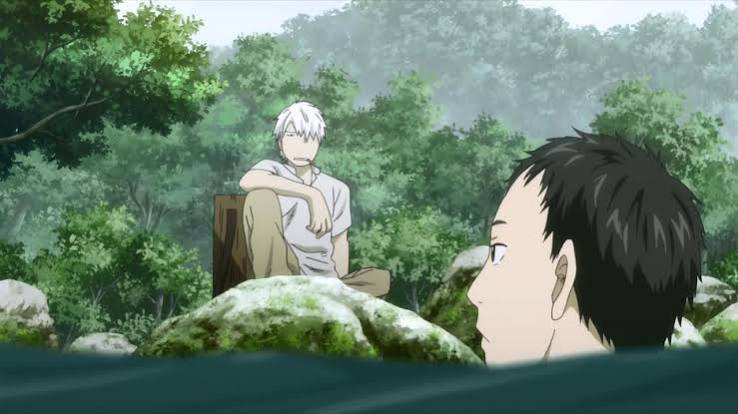
Plot Summary: The continuation of Ginko’s journey, exploring more stories of the Mushi and their impact on human lives. Each episode is a self-contained narrative that delves into the mysteries of the natural and supernatural world.
Similarities to Shigofumi: As a direct continuation of the original Mushishi series, this shares the same episodic, contemplative, and deeply emotional storytelling. The focus on the delicate balance between humanity and the unseen world, and the bittersweet nature of life’s encounters, is a direct parallel to the themes of Shigofumi.
10. Air (2005)

- Streaming Availability: Funimation
- Rating: MAL: 7.3
- Episodes: 12
- Studio: Kyoto Animation
- Notable Staff: Based on the visual novel by Key.
Plot Summary: Yukito Kunisaki, a traveling performer, arrives in a quiet seaside town searching for the “girl in the sky,” a figure from his family’s history. He meets Misuzu Kamio, a lonely and eccentric girl, and their fates become intertwined with a thousand-year-old curse.
Similarities to Shigofumi: Both are steeped in a sense of melancholy and the bittersweet nature of memory and destiny. The supernatural elements are tied to the characters’ emotional states and their search for connection. The focus on finding beauty and hope in the face of despair is a direct thematic parallel.
11. Kanon (2006)

- Streaming Availability: Crunchyroll, Funimation
- Rating: MAL: 7.9
- Episodes: 24
- Studio: Kyoto Animation
- Notable Staff: Based on the visual novel by Key.
Plot Summary: Yuuichi Aizawa returns to a town he lived in seven years ago, but he has lost all memories of the time he spent there. He reconnects with several girls, each of whom is connected to his forgotten past in a way that is often tragic and mysterious.
Similarities to Shigofumi: Both are about the power of memory and the unresolved emotions that bind people to the past. The supernatural elements are used to explore themes of loss, regret, and the search for closure. The tone is melancholic and emotionally resonant, with a focus on the healing power of connection.
12. Sunday Without God (Kamisama no Inai Nichiyoubi) (2013)
- Streaming Availability: Crunchyroll
- Rating: MAL: 7.1
- Episodes: 12
- Studio: Madhouse
- Notable Staff: Based on the light novel series by Kimihito Irie.
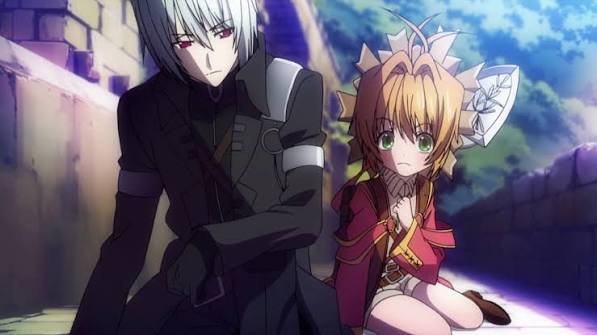
Plot Summary: In a world where God has abandoned humanity and people can no longer die, a young girl named Ai works as a “grave keeper,” laying the dead to rest. She embarks on a journey to understand the nature of her world and the meaning of life and death.
Similarities to Shigofumi: Both are set in a world where the boundary between life and death is blurred, and the protagonist’s role is to help the dead find peace. The focus is on the emotional and philosophical implications of death and the afterlife. The tone is melancholic, introspective, and deeply thought-provoking.
13. Hanbun no Tsuki ga Noboru Sora (2006)
- Streaming Availability: Not currently available on major platforms.
- Rating: MAL: 7.4
- Episodes: 6
- Studio: Group TAC
- Notable Staff: Based on the light novel series by Tsumugu Hashimoto.
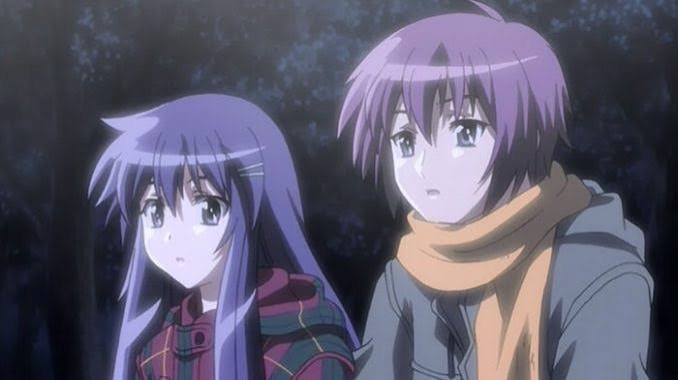
Plot Summary: Yuuichi Ezaki, a young man hospitalized with a serious illness, meets Rika Akiba, a girl with a terminal heart condition. Their relationship develops in the confines of the hospital, as they confront the reality of their mortality and the fleeting nature of life.
Similarities to Shigofumi: Both are about characters who are confronting the reality of death and the importance of cherishing every moment. The focus is on the emotional weight of mortality and the search for meaning in the face of loss. The tone is quiet, melancholic, and deeply moving.
14. Aoi Bungaku (Blue Literature) (2009)
- Streaming Availability: Crunchyroll
- Rating: MAL: 7.7
- Episodes: 12
- Studio: Madhouse
- Notable Staff: Various directors, adapting classic Japanese literature.
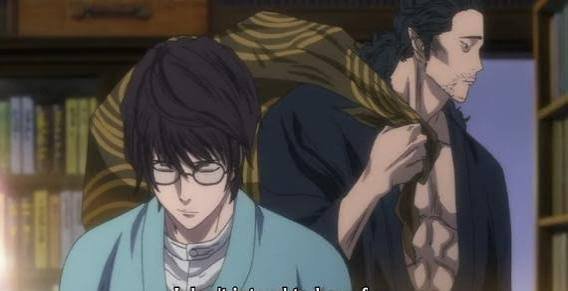
Plot Summary: This anthology series adapts six classic works of Japanese literature, including “No Longer Human” by Osamu Dazai and “Kokoro” by Natsume Soseki. Each arc tells a self-contained story exploring themes of alienation, despair, and the dark side of the human psyche.
Similarities to Shigofumi: Both are deeply literary and psychological, exploring the darker aspects of human nature with a sense of gravitas and intellectual rigor. The focus is on character study and the exploration of complex emotional states. The tone is consistently melancholic and introspective.
15. The Girl Who Leapt Through Time (Toki wo Kakeru Shoujo) (2006)
- Streaming Availability: Crunchyroll, Amazon Prime Video
- Rating: MAL: 8.2
- Episodes: 1 (Film)
- Studio: Madhouse
- Notable Staff: Directed by Mamoru Hosoda.
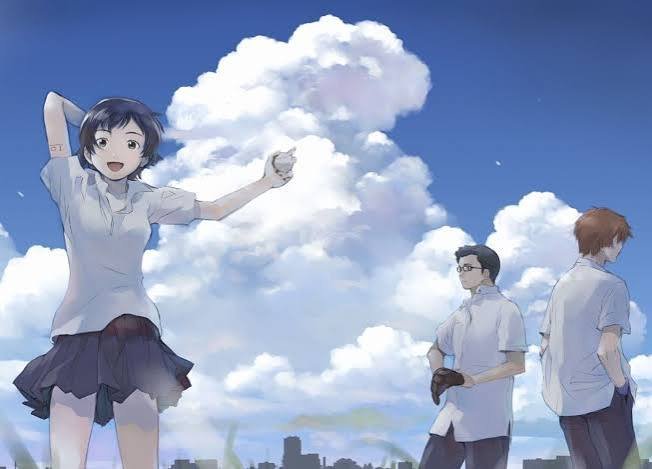
Plot Summary: Makoto Konno, a high school girl, discovers she has the ability to leap through time. She uses this power to fix small problems and avoid awkward situations, but she soon learns that her actions have unintended consequences for herself and the people she cares about.
Similarities to Shigofumi: Both are about the consequences of choices and the importance of accepting responsibility for one’s actions. The focus is on the emotional weight of regret and the desire to make things right. The film is a poignant meditation on youth, loss, and the fleeting nature of time.
Why These Anime Work for Shigofumi Fans
Fans of Shigofumi are drawn to stories that are emotionally resonant, philosophically ambitious, and unafraid to explore the darker aspects of human existence. They appreciate a narrative that uses supernatural elements not for spectacle, but for exploring the depths of the human heart. They are invested in characters who are grappling with loss, regret, and the search for meaning, and they are not afraid of a story that is willing to be melancholic, introspective, and deeply moving.
The anime listed above all share this fundamental DNA:
- The Supernatural as Emotional Metaphor: Whether it is the letters from the dead, the Mushi, or the spirits in Natsume’s Book of Friends, these series use the supernatural as a lens through which to explore universal human emotions. The focus is not on the mechanics of the supernatural world, but on the emotional impact it has on the characters.
- The Underdog Confronting Mortality: The protagonists are not heroes. They are ordinary people who are forced to confront the reality of death, loss, and the limits of their own power. Their strength lies not in their abilities, but in their resilience, their capacity for empathy, and their willingness to accept the impermanence of life.
- Subversion of the Episodic Format: These series use the episodic format not as a crutch, but as a strength. Each episode or arc is a self-contained story that explores a different facet of the human condition, gradually building a rich and nuanced portrait of life and death.
These 15 anime, like Shigofumi, understand that the most powerful stories are often the quietest ones. They are underrated gems that offer a profound, thought-provoking, and deeply moving experience for viewers who are willing to look beneath the surface and confront the mysteries of existence.