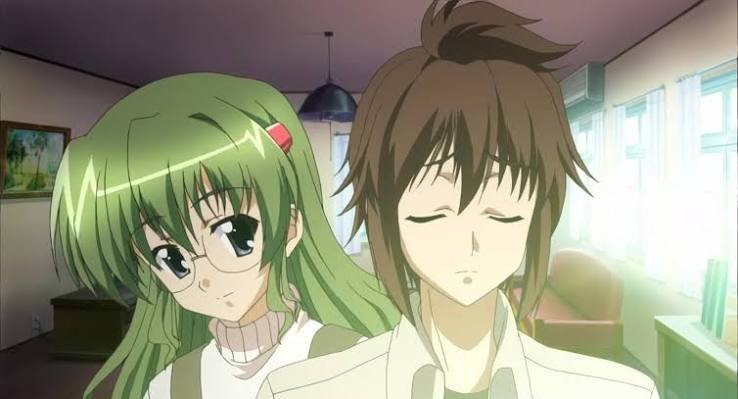
Aoi Haru (Blue Spring) is a gritty, atmospheric coming-of-age film that captures the restless energy and simmering violence of disaffected youth. Based on the manga by Taiyo Matsumoto, the story is set in a run-down Japanese high school where the students have largely given up on their futures. The narrative follows a group of delinquent boys, particularly Kujo and his friend Aoki, as they navigate a world of petty crime, gang violence, and the desperate search for meaning in a system that has already written them off. The film culminates in a tense rooftop standoff that forces the characters to confront the consequences of their choices.
The series is defined by its core themes: the power of social structures to crush individual potential, the underdog struggle of marginalized youth against a system that has abandoned them, and the subversion of expectations about what a high school story can be. The protagonists are profound underdogs—not in a physical sense, but as young men who have been failed by their families, their schools, and society at large. Aoi Haru masterfully subverts expectations by rejecting the idealized, nostalgic portrayal of youth in favor of a raw, unflinching, and deeply melancholic exploration of alienation, violence, and the fragile bonds of friendship.
For fans of Aoi Haru, finding similar anime can be a challenge. The film occupies a unique space—part coming-of-age drama, part crime thriller, part meditation on the failure of institutions. Yet, many underrated series share its core DNA: a focus on marginalized youth, an unflinching examination of violence and its consequences, and a willingness to explore the darker, more uncomfortable aspects of adolescence. These shows deserve far more attention for their emotional depth, their social commentary, and their refusal to provide easy answers.
Here are 15 underrated anime that capture the spirit of Aoi Haru.
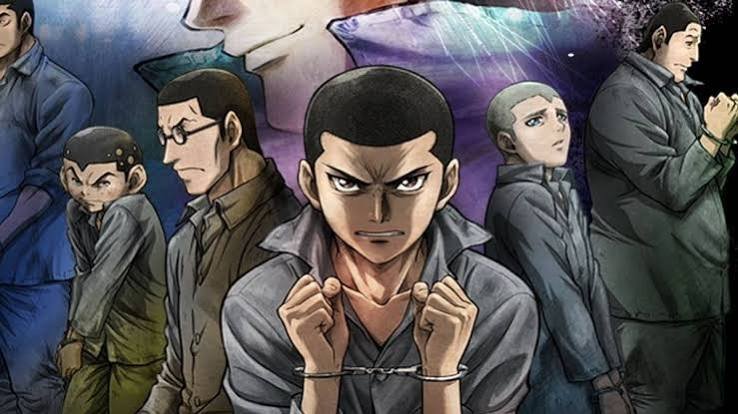
1. Rainbow: Nisha Rokubou no Shichinin (2010)
- Streaming Availability: Crunchyroll, Funimation
- Rating: MAL: 8.5
- Episodes: 26
- Studio: Madhouse
- Notable Staff: Based on the manga by George Abe and Masasumi Kakizaki.
Plot Summary: Set in post-war Japan, the story follows seven young men who are incarcerated in a brutal reformatory school. They form an unbreakable bond of friendship as they endure horrific abuse and dream of a better life after their release.
Similarities to Aoi Haru: Both are gritty, unflinching portrayals of marginalized youth who have been failed by society and are struggling to survive in a brutal system. The focus is on the bonds of friendship forged in the face of adversity and the desperate search for hope in a hopeless world. The tone is dark, raw, and deeply emotional.
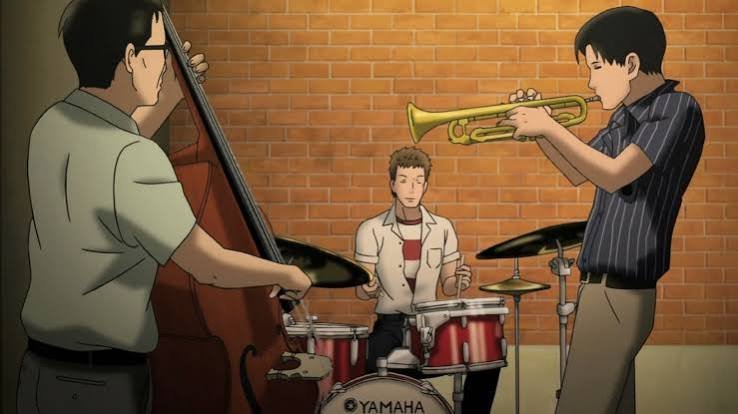
2. Kids on the Slope (Sakamichi no Apollon) (2012)
- Streaming Availability: Crunchyroll, HiDive
- Rating: MAL: 8.3
- Episodes: 12
- Studio: MAPPA, Tezuka Productions
- Notable Staff: Directed by Shinichiro Watanabe (Cowboy Bebop), with music by Yoko Kanno.
Plot Summary: Kaoru Nishimi, a lonely and isolated transfer student, forms an unlikely friendship with Sentaro Kawabuchi, a delinquent with a passion for jazz. Through their shared love of music, they navigate the complexities of adolescence, friendship, and first love in 1960s Japan.
Similarities to Aoi Haru: Both are set in a specific time period and explore the lives of marginalized youth who find connection through an unconventional passion. The focus is on the bonds of friendship and the struggle to find one’s place in a world that often feels hostile. The tone is melancholic, nostalgic, and deeply human.
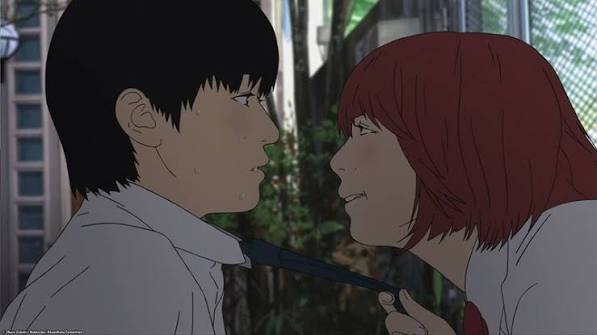
3. The Flowers of Evil (Aku no Hana) (2013)
- Streaming Availability: Crunchyroll
- Rating: MAL: 7.2
- Episodes: 13
- Studio: Zexcs
- Notable Staff: Based on the manga by Shuzo Oshimi, directed by Hiroshi Nagahama.
Plot Summary: Takao Kasuga, a bookish middle school student, is blackmailed by his classmate Sawa Nakamura after she witnesses him stealing the gym clothes of his crush. He is drawn into a dark, psychological game that forces him to confront his own repressed desires and the suffocating conformity of his small town.
Similarities to Aoi Haru: Both are dark, psychological explorations of adolescence that reject the idealized portrayal of youth. The focus is on the alienation and frustration of young people who feel trapped by their circumstances. The unique rotoscoped animation style of The Flowers of Evil adds to its unsettling, realistic atmosphere, much like the gritty realism of Aoi Haru.
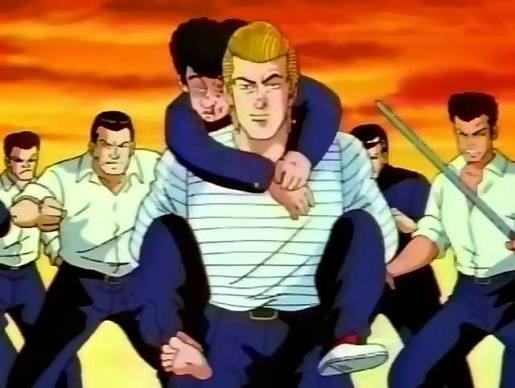
4. Crows (1994)
- Streaming Availability: Not currently available on major platforms.
- Rating: MAL: 6.8
- Episodes: 2 (OVA)
- Studio: Knack Productions
- Notable Staff: Based on the manga by Hiroshi Takahashi.
Plot Summary: Harumichi Bouya, a new transfer student, enrolls at Suzuran High School, a school known for its population of violent delinquents. He quickly becomes embroiled in the school’s complex hierarchy of gangs and rivalries, fighting his way to the top.
Similarities to Aoi Haru: Both are set in run-down high schools populated by delinquents, where violence is a way of life and social status is determined by strength. The focus is on the codes of honor and loyalty that govern these marginalized communities. The tone is gritty, raw, and unapologetically violent.
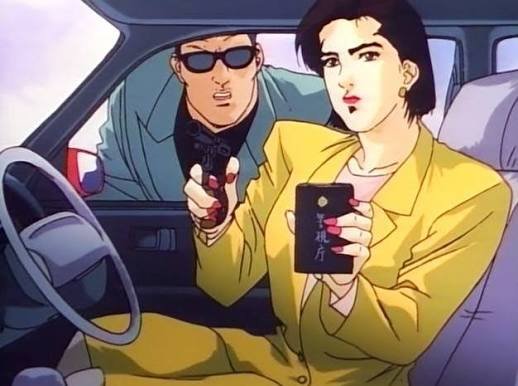
5. Sanctuary (1996)
- Streaming Availability: Not currently available on major platforms.
- Rating: MAL: 6.9
- Episodes: 1 (OVA)
- Studio: Pastel
- Notable Staff: Based on the manga by Sho Fumimura and Ryoichi Ikegami.
Plot Summary: Two childhood friends, Akira Hojo and Chiaki Asami, survive the Killing Fields of Cambodia and return to Japan with a shared ambition: to change the country. One pursues power through the criminal underworld, while the other enters politics, both willing to do whatever it takes.
Similarities to Aoi Haru: Both are about marginalized individuals who have been shaped by violence and are struggling to survive in a corrupt system. The focus is on the dark side of ambition and the moral compromises required to achieve one’s goals. The tone is gritty, cynical, and deeply critical of society.
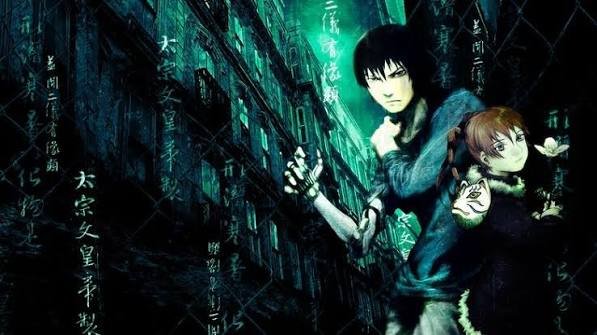
6. Texhnolyze (2003)
- Streaming Availability: Funimation
- Rating: MAL: 7.8
- Episodes: 22
- Studio: Madhouse
- Notable Staff: Directed by Hiroshi Hamasaki, with original story by Chiaki J. Konaka.
Plot Summary: In the underground city of Lux, a brutal world of violence and decay, a young fighter named Ichise loses an arm and a leg. He is fitted with “Texhnolyze,” advanced mechanical prosthetics, and becomes entangled in a conflict between factions vying for control of the city.
Similarities to Aoi Haru: Both are dark, atmospheric, and deeply philosophical series that explore the dehumanizing effects of violence and the struggle for survival in a cruel world. The protagonist is an underdog who is literally rebuilt with mechanical parts. The minimal dialogue and oppressive atmosphere create a similarly bleak and powerful experience.
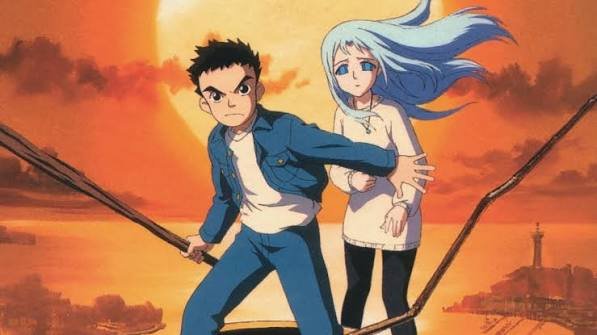
7. Now and Then, Here and There (1999)
- Streaming Availability: HiDive
- Rating: MAL: 8.0
- Episodes: 13
- Studio: AIC
- Notable Staff: Directed by Akitaro Daichi.
Plot Summary: Shu, an ordinary boy, is transported to a dystopian world where water is scarce and children are forced to become soldiers. He is captured and must survive the brutality of this world while trying to protect a mysterious girl named Lala-Ru.
Similarities to Aoi Haru: Both are unflinching explorations of the cruelty of war and the exploitation of children. The focus is on the psychological toll of violence and the resilience of the human spirit in the face of overwhelming evil. The tone is bleak and often disturbing, with a similar refusal to look away from suffering.
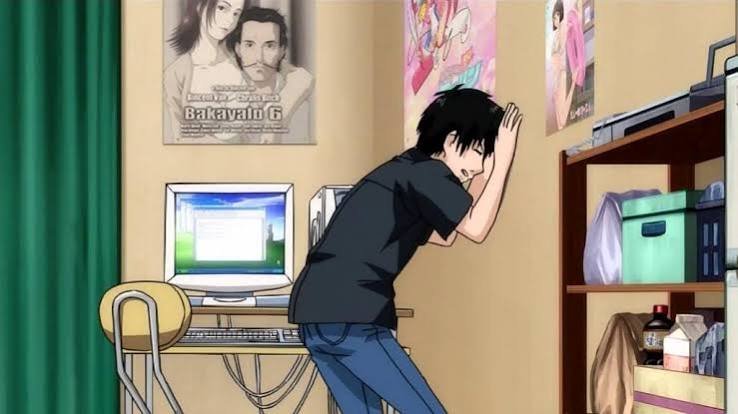
8. Welcome to the N.H.K. (2006)
- Streaming Availability: Crunchyroll, Funimation
- Rating: MAL: 8.3
- Episodes: 24
- Studio: Gonzo
- Notable Staff: Based on the novel by Tatsuhiko Takimoto.
Plot Summary: Tatsuhiro Sato, a 22-year-old hikikomori, has withdrawn from society and lives in isolation, convinced that a vast conspiracy is responsible for his failures. He meets Misaki Nakahara, a mysterious girl who claims she can cure him, leading to a complex and often darkly comic exploration of mental illness and social alienation.
Similarities to Aoi Haru: Both are about young people who have been failed by society and are struggling to find meaning in a world that has abandoned them. The focus is on the psychological toll of isolation and the desperate search for connection. The tone balances dark comedy with genuine emotional depth.
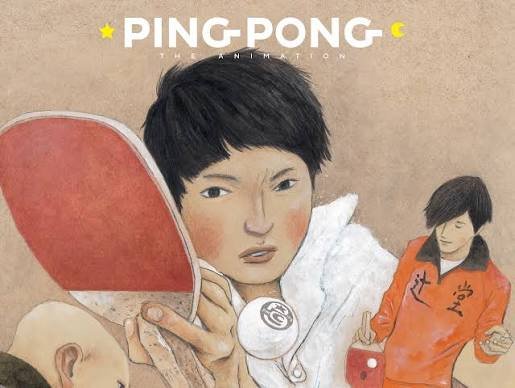
9. Ping Pong the Animation (2014)
- Streaming Availability: Crunchyroll, Funimation
- Rating: MAL: 8.6
- Episodes: 11
- Studio: Tatsunoko Production
- Notable Staff: Based on the manga by Taiyo Matsumoto, the same creator as Aoi Haru.
Plot Summary: Makoto “Smile” Tsukimoto and Yutaka “Peco” Hoshino are childhood friends and talented ping pong players with very different approaches to the sport. The series follows their journey through the competitive world of high school table tennis, exploring their rivalry, their friendship, and their personal growth.
Similarities to Aoi Haru: Both are based on the works of Taiyo Matsumoto and share his distinctive, expressive art style and focus on marginalized, emotionally complex characters. The theme of friendship tested by competition and personal ambition is central to both. The series is a unique and visually stunning exploration of what it means to be talented, to work hard, and to find one’s place in the world.
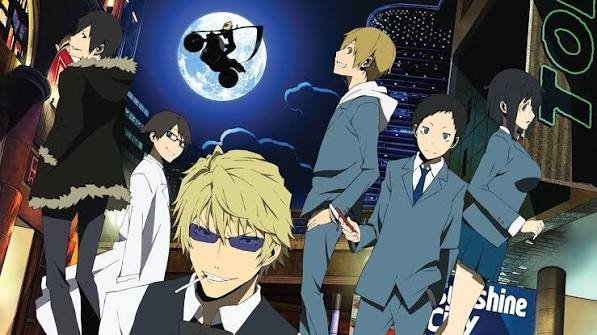
10. Durarara!! (2010)
- Streaming Availability: Crunchyroll, Funimation
- Rating: MAL: 8.0
- Episodes: 24 (Season 1)
- Studio: Brain’s Base
- Notable Staff: Based on the light novel series by Ryohgo Narita.
Plot Summary: Set in the Ikebukuro district of Tokyo, the series follows a large ensemble cast of characters, including a headless rider, a manipulative information broker, and a high school student who is drawn into the city’s underworld. The story is told through multiple perspectives, weaving together seemingly unrelated events.
Similarities to Aoi Haru: Both are set in urban environments and explore the lives of marginalized and eccentric characters who are navigating a world of violence and intrigue. The focus is on the interconnectedness of people and the hidden connections that bind them. The tone is stylish, atmospheric, and often darkly comedic.
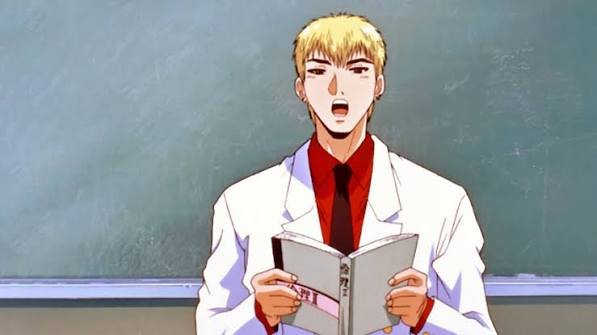
11. Great Teacher Onizuka (1999)
- Streaming Availability: Crunchyroll, Amazon Prime Video
- Rating: MAL: 8.7
- Episodes: 43
- Studio: Studio Pierrot
- Notable Staff: Based on the manga by Tooru Fujisawa.
Plot Summary: Eikichi Onizuka, a former gang leader, becomes a teacher at a prestigious private school. He is assigned to a class of delinquent students who have driven away their previous teachers, and he uses his unorthodox methods to reach them and help them overcome their personal struggles.
Similarities to Aoi Haru: Both are about marginalized youth who have been written off by the system and the adults who have failed them. The focus is on the struggle to connect with these students and to help them find hope and purpose. The series balances comedy with genuine emotional drama, and Onizuka himself is an underdog who refuses to give up on his students.
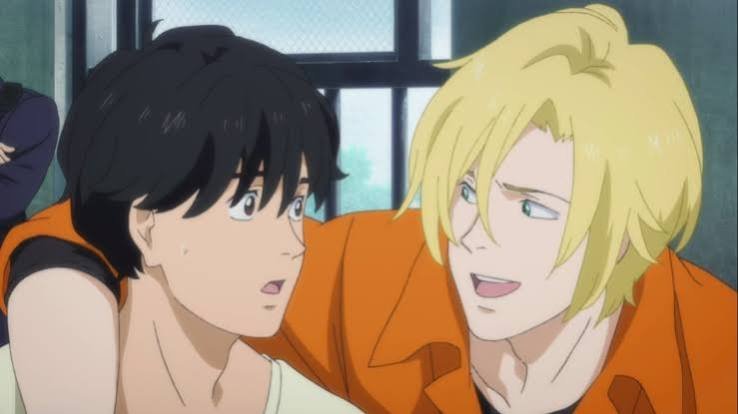
12. Banana Fish (2018)
- Streaming Availability: Amazon Prime Video
- Rating: MAL: 8.1
- Episodes: 24
- Studio: MAPPA
- Notable Staff: Based on the manga by Akimi Yoshida.
Plot Summary: Ash Lynx, a young gang leader in New York City, becomes involved in a conspiracy involving a mysterious drug called “Banana Fish.” He forms a deep bond with Eiji Okumura, a Japanese photographer, as they navigate a world of violence, corruption, and exploitation.
Similarities to Aoi Haru: Both are gritty, unflinching portrayals of marginalized youth who are caught in a world of violence and exploitation. The focus is on the bond between two young men who find solace in each other amidst the chaos. The tone is dark, suspenseful, and deeply emotional, with a similar willingness to explore the darker aspects of human nature.
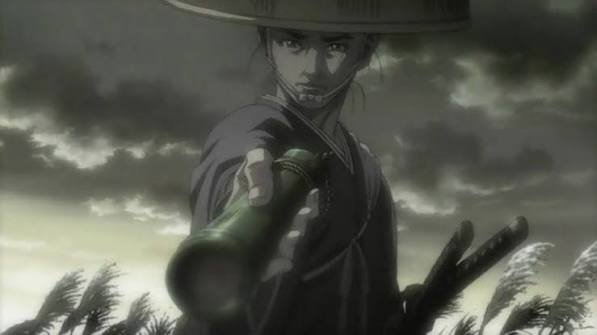
13. Shigurui: Death Frenzy (2007)
- Streaming Availability: Crunchyroll, Funimation
- Rating: MAL: 7.5
- Episodes: 12
- Studio: Madhouse
- Notable Staff: Based on the manga by Takayuki Yamaguchi.
Plot Summary: Set in the Edo period, the story follows two rival swordsmen, Gennosuke Fujiki and Seigen Irako, as they compete to become the successor to a legendary fencing master. The competition leads to a brutal and bloody confrontation that destroys them both.
Similarities to Aoi Haru: Both are about the destructive power of ambition and the consequences of violence. The focus is on the dark side of human nature and the moral compromises required to achieve one’s goals. The tone is grim, atmospheric, and unflinchingly violent, with a similar sense of fatalism.
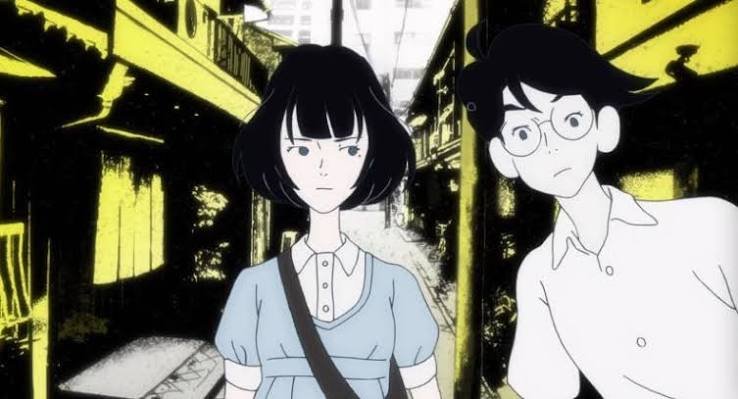
14. The Tatami Galaxy (2010)
- Streaming Availability: Crunchyroll, Funimation
- Rating: MAL: 8.5
- Episodes: 11
- Studio: Madhouse
- Notable Staff: Directed by Masaaki Yuasa, based on the novel by Tomihiko Morimi.
Plot Summary: An unnamed college student reflects on his failures, wondering how his life would have been different if he had made different choices. The series uses a time-loop structure to show him living through these alternate realities, searching for the “rose-colored campus life” he dreamed of.
Similarities to Aoi Haru: Both are about young people who are struggling to find meaning and purpose in their lives. The focus is on the consequences of choices and the search for happiness. The unique, fast-paced visual style of The Tatami Galaxy captures the protagonist’s chaotic mind, much like the raw energy of Aoi Haru.
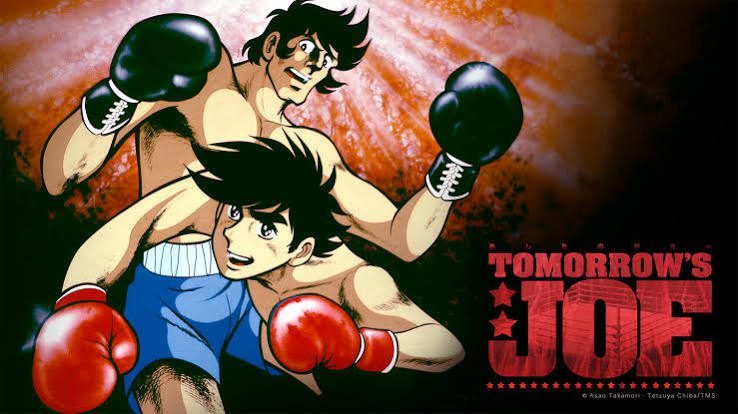
15. Ashita no Joe (Tomorrow’s Joe) (1970)
- Streaming Availability: Crunchyroll
- Rating: MAL: 8.3
- Episodes: 79 (Season 1)
- Studio: Mushi Production
- Notable Staff: Based on the manga by Asao Takamori and Tetsuya Chiba.
Plot Summary: Joe Yabuki, a troubled young drifter, is taken in by a former boxing coach who sees potential in him. He becomes a professional boxer, channeling his anger and frustration into the sport, and becomes a symbol of hope for the marginalized and downtrodden.
Similarities to Aoi Haru: Both are about marginalized youth who find purpose and meaning through physical competition. Joe, like the characters in Aoi Haru, is an underdog who has been failed by society and must fight to prove his worth. The series is a landmark of the sports genre, known for its gritty realism and its exploration of the darker side of ambition.
Why These Anime Work for Aoi Haru Fans
Fans of Aoi Haru are drawn to stories that are gritty, realistic, and unafraid to explore the darker aspects of adolescence and society. They appreciate a narrative that rejects the idealized, nostalgic portrayal of youth in favor of a raw, honest, and deeply human exploration of alienation, violence, and the search for meaning. They are invested in underdog characters who are struggling against a system that has abandoned them.
The anime listed above all share this fundamental DNA:
- The Failure of Institutions: Whether it is the run-down school in Aoi Haru, the brutal reformatory in Rainbow, or the corrupt system in Sanctuary, these series understand that the institutions meant to protect and nurture the young often fail them. The characters are left to fend for themselves in a world that is indifferent to their suffering.
- The Underdog’s Struggle: The protagonists are not heroes. They are marginalized youth, outcasts, and survivors who are fighting for their place in a world that has written them off. Their strength lies not in their power, but in their resilience, their capacity for friendship, and their refusal to give up on themselves.
- Subversion of the Coming-of-Age Genre: These series reject the nostalgic, sentimental portrayal of youth in favor of a raw, honest, and often brutal exploration of the realities of adolescence. They understand that growing up is not always a beautiful experience, but a painful and often violent struggle for survival.
These 15 anime, like Aoi Haru, are not afraid to look into the shadows. They are underrated gems that offer a profound, thought-provoking, and deeply moving experience for viewers who are willing to confront the darker side of youth and emerge with a deeper understanding of the human condition.