Ajin: Demi-Human follows Kei Nagai, a high school student who discovers he is an immortal Ajin after dying and regenerating. The series delves into themes of immortality’s curse, ethical dilemmas of survival, human prejudice against the “other,” and personal growth amid relentless pursuit.
This curated collection of 24 quotes captures pivotal moments, balancing intense battles and quieter reflections across arcs, highlighting character evolution and thematic depth.

Somewhere in the world, there are always people dying: from war, poverty or other absurd reasons. Why aren’t you trying to save them?
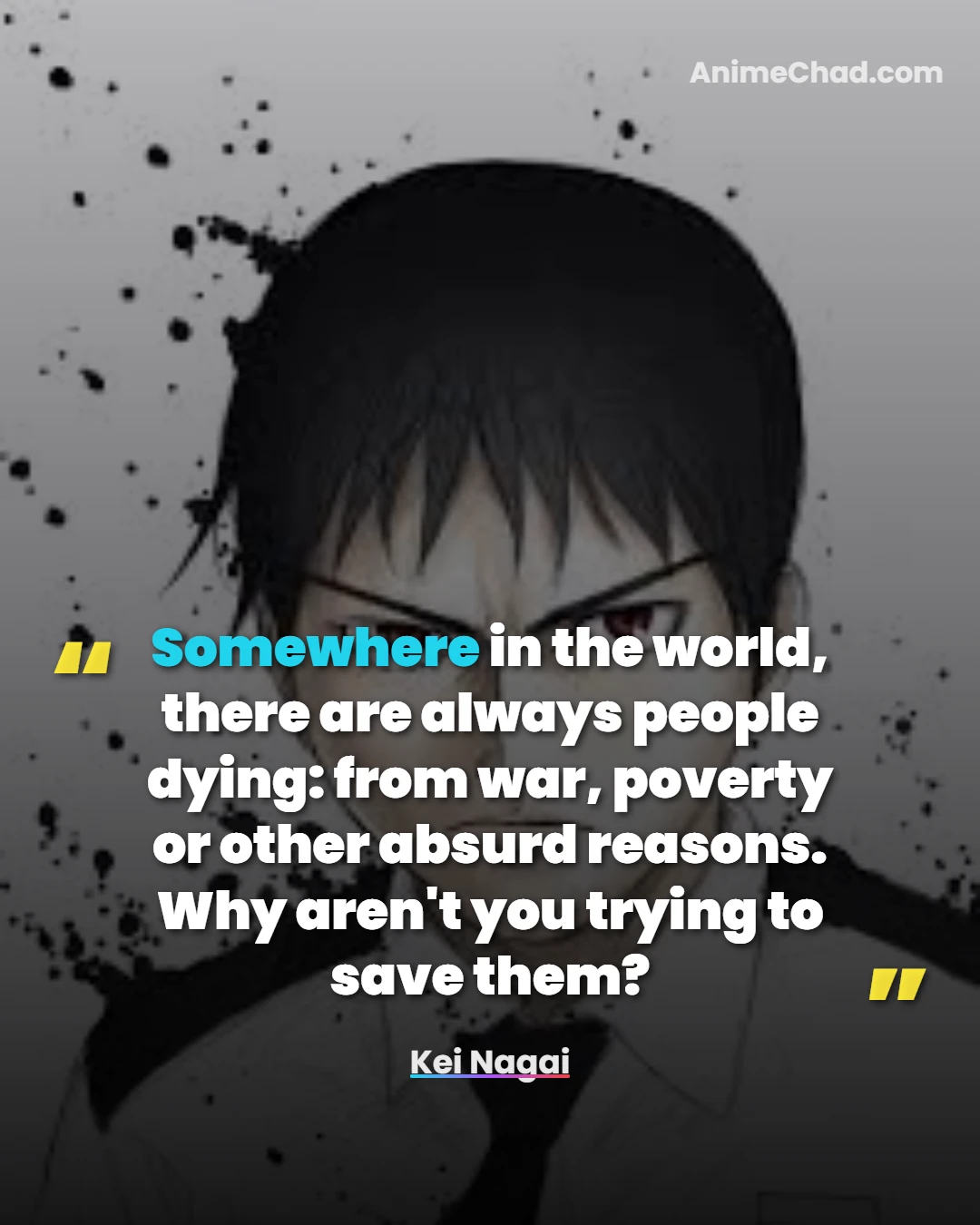
Episode 1 (What’s that stuff have to do with us?)
Kei Nagai
Kei’s cynical retort reveals his initial emotional detachment, prioritizing self-preservation over global suffering, setting up his survivalist arc.
Whenever I play video games, I always make sure to play the hardest mode the game has to offer. I’ve learned one thing. If the game is really hard to play, then it’s also a lot more fun
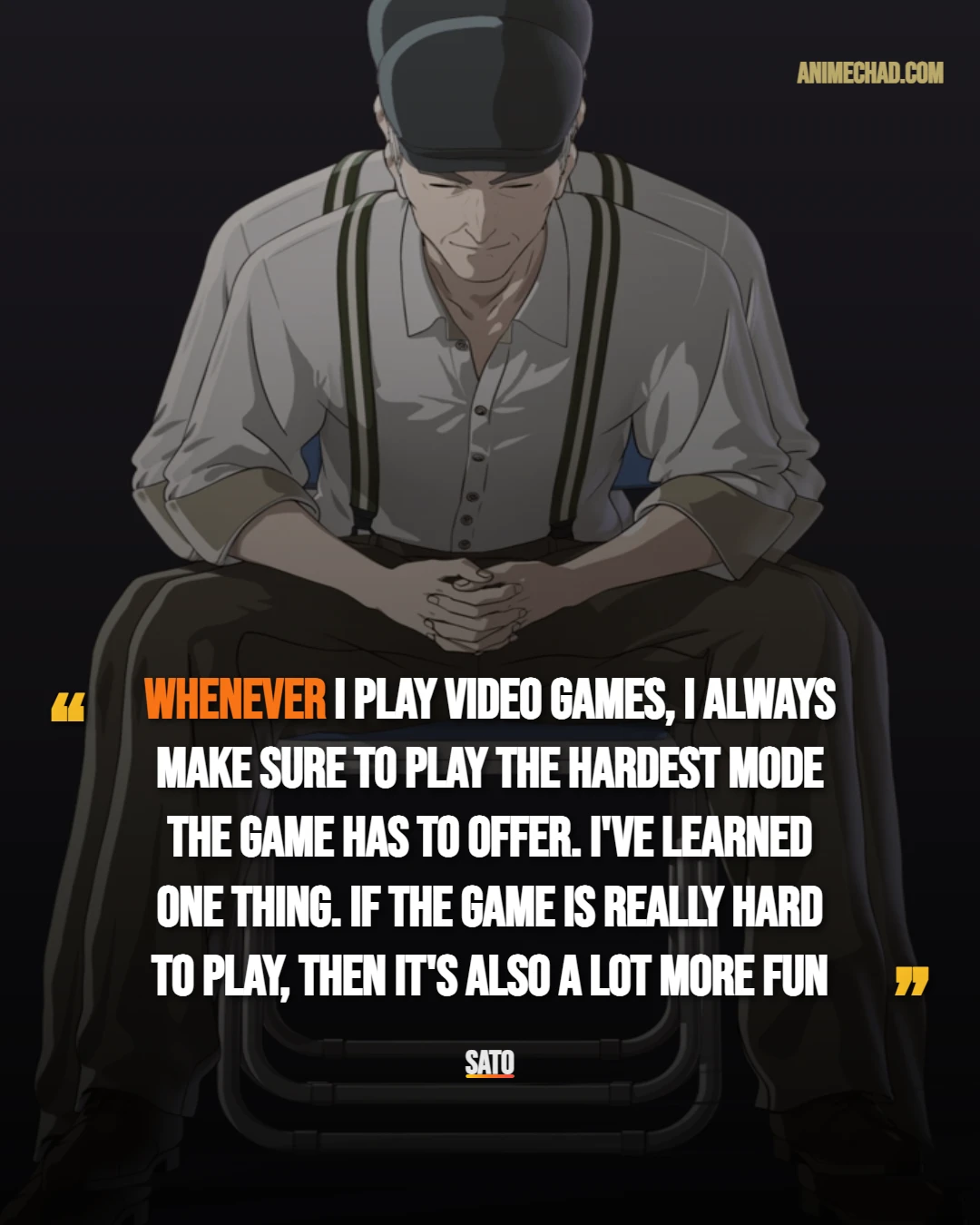
Episode 6 (I’m Gonna Kill You Too)
Sato
Sato’s chilling philosophy equates life to a game, showcasing his psychopathic thrill-seeking and contrasting Kei’s logic with chaotic amorality.
Personal feelings just complicate matters. You can’t rely on them to turn your situation around. I’ve known that people destroy themselves when they get carried away with their emotions
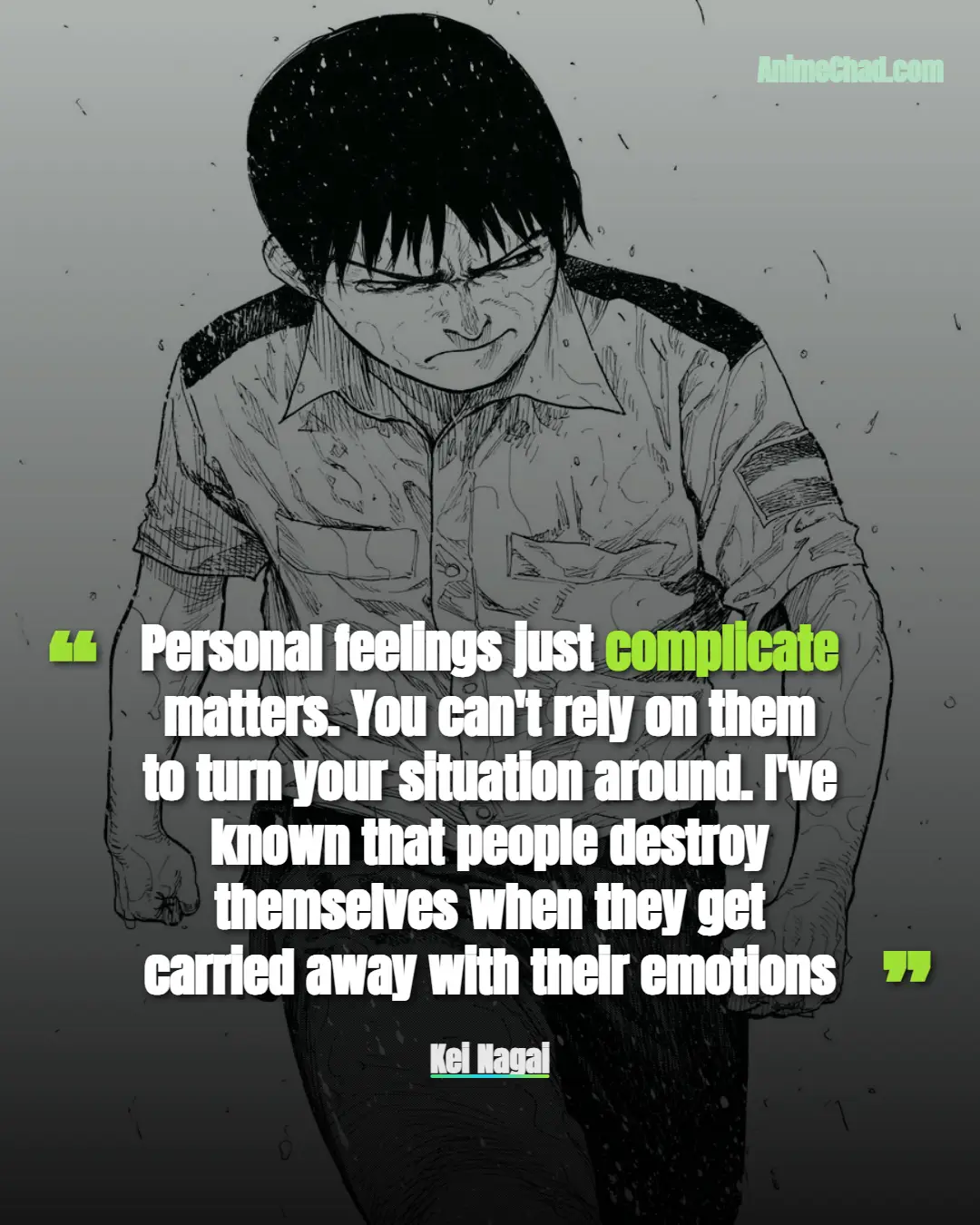
Episode 10 (The Price of Immortality approx.)
Kei Nagai
Kei dismisses emotions as weaknesses during escape, underscoring his rational facade cracking under pressure of immortality’s isolation.
A winning hand’s only good when you keep your cards hidden
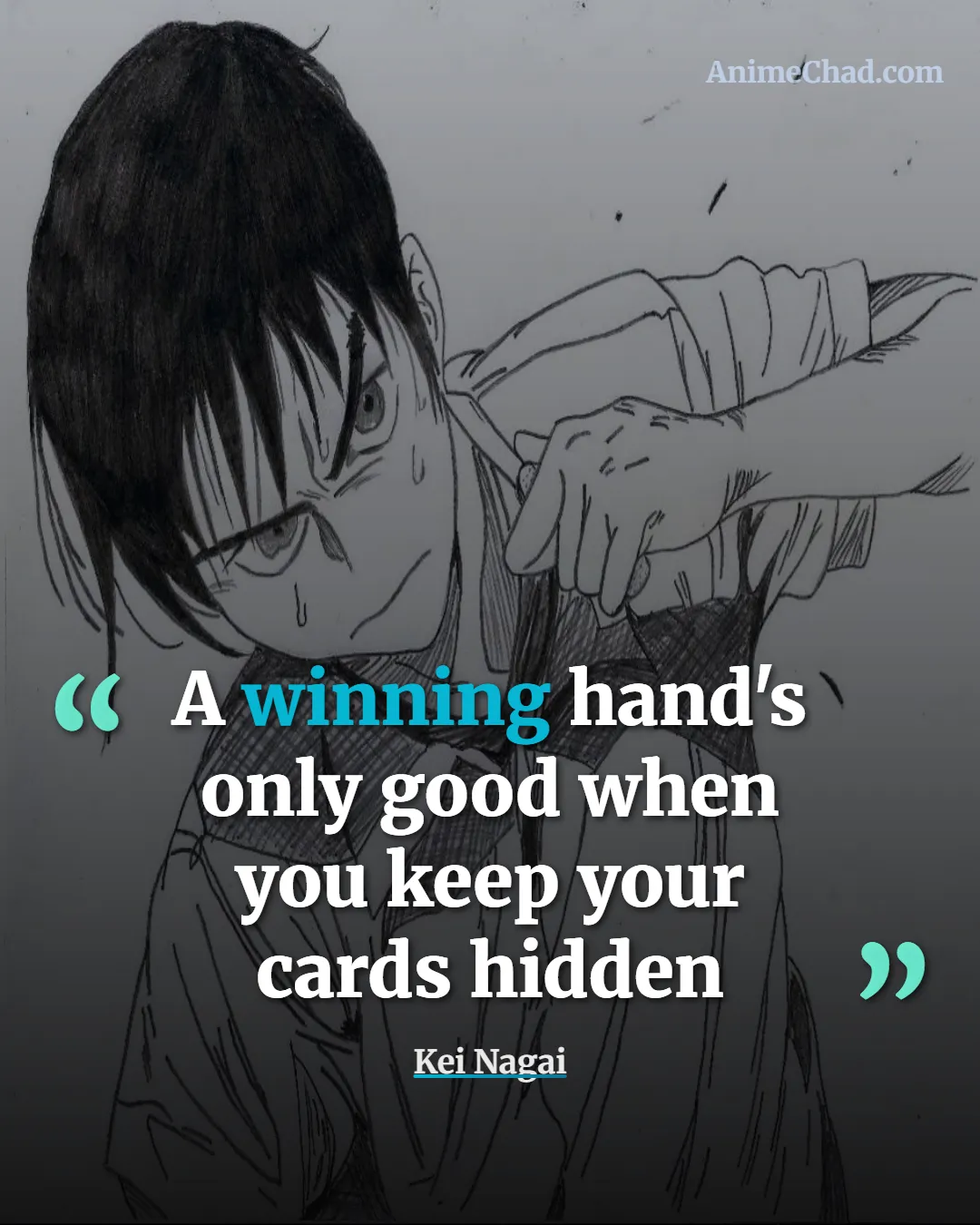
Episode 11 (The Book’s Not Out Yet)
Kei Nagai
In strategic planning, Kei emphasizes deception, marking his shift from victim to tactician in the government pursuit arc.
If he doesn’t need my help, I’ll back off. But if anything happens, I’m there. No matter what it takes
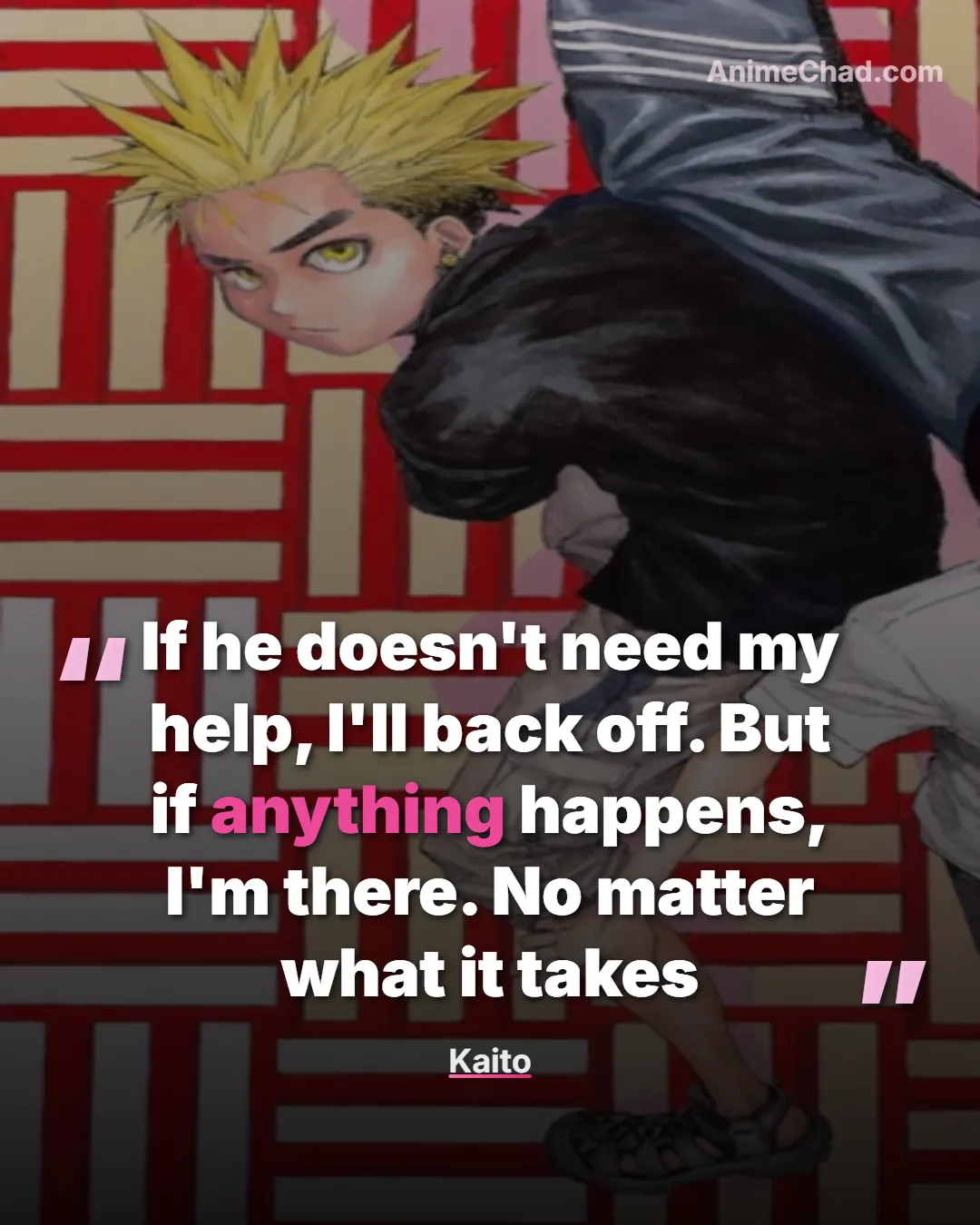
Episode 9 (The Sadness of Immortals)
Kaito
Kaito’s unwavering loyalty to Kei highlights human-Ajin bonds, evoking emotional weight as it foreshadows his sacrificial fate.
It’s become a tough world for Ajin to live in. Just like smokers
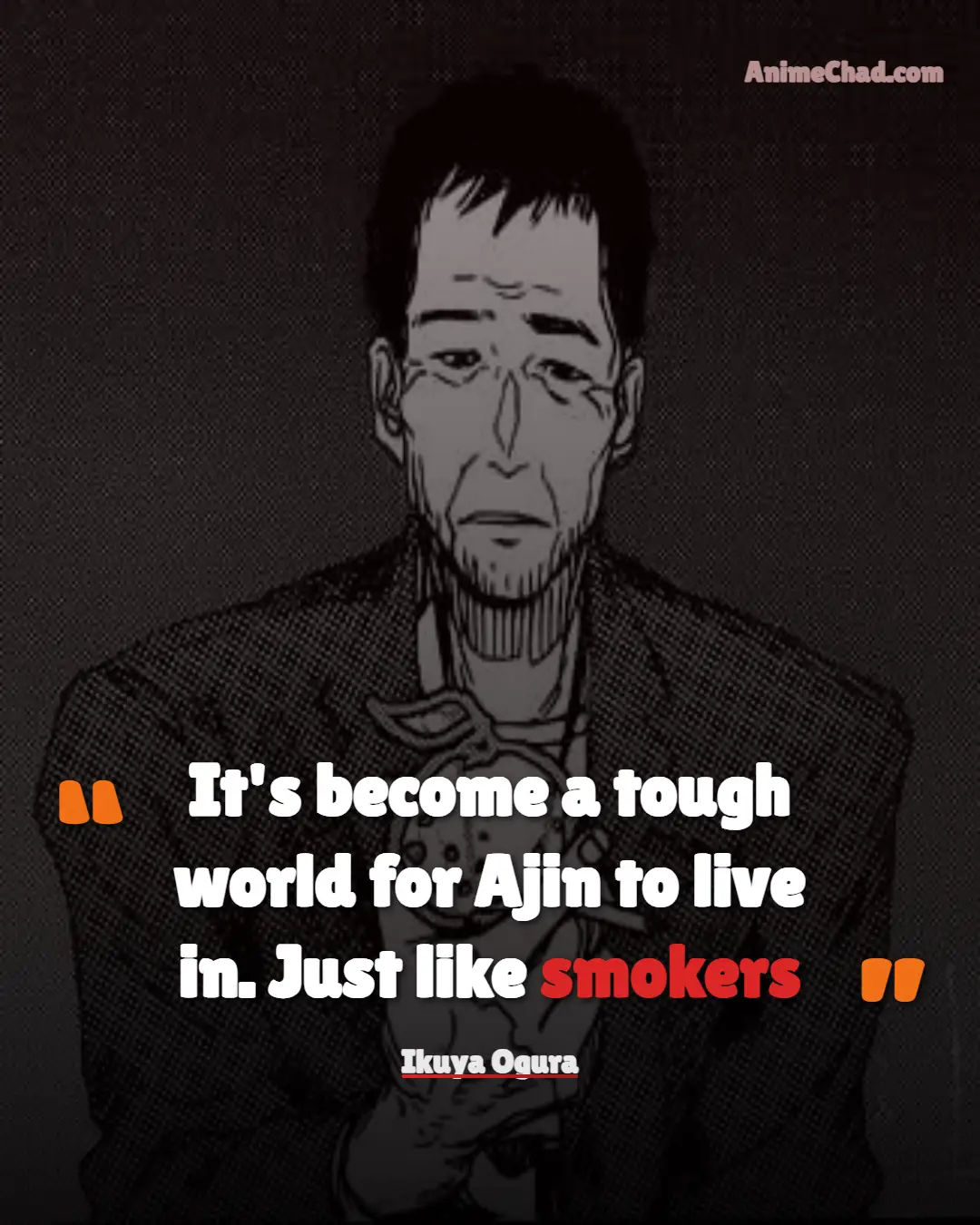
Episode 8 (I Swear I’ll Cover The Whole Thing Up)
Ikuya Ogura
Ogura’s wry analogy during capture conveys Ajin’s societal stigma, blending humor with prejudice theme in a tense imprisonment moment.
Kai…for my sake…he waged his life…his one and only life…for someone like me
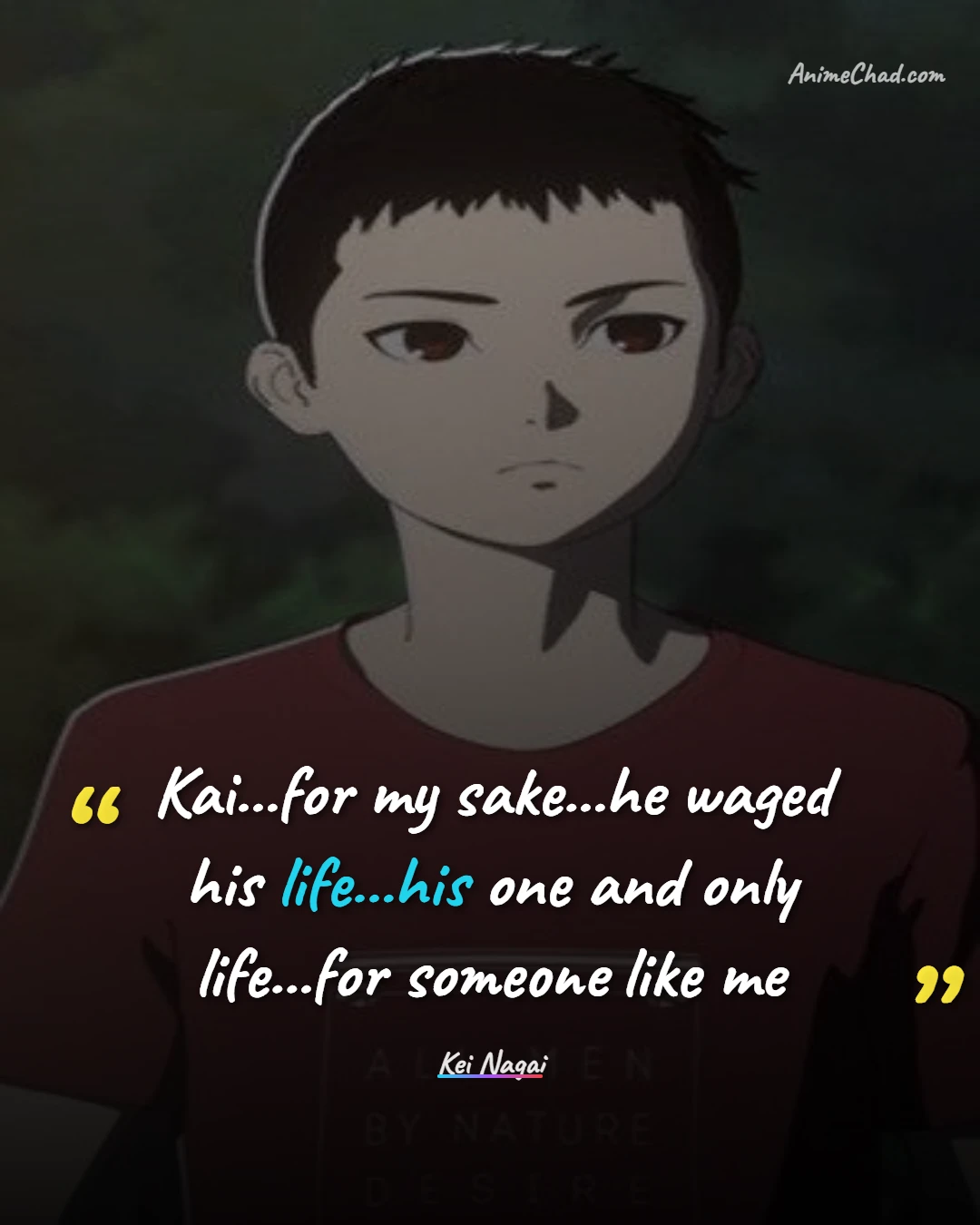
Chapter 20 (The Price of Immortality approx.)
Kei Nagai
Kei’s grief over Kaito’s death shatters his detachment, spurring rare vulnerability and growth toward valuing human fragility.
Is it impossible for a monster like me to pretend to live like a human?
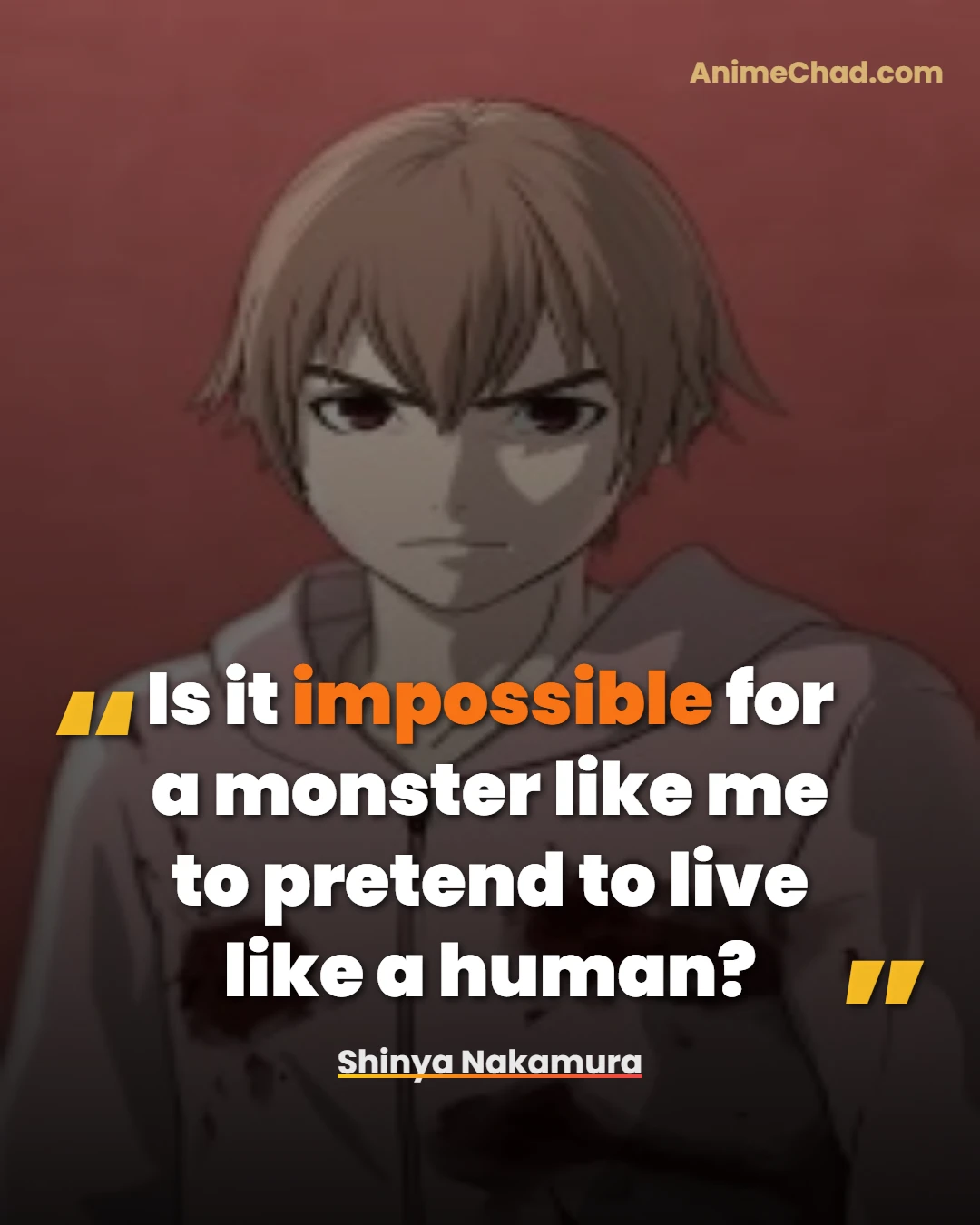
Ajin: Demi-Human OVA
Shinya Nakamura
Nakamura’s despair in hiding reflects Ajin identity crisis, emphasizing peaceful yearning for normalcy amid hunter threats.
Can’t believe we’ve got all these Ajin in one spot. It’s like my own personal harem
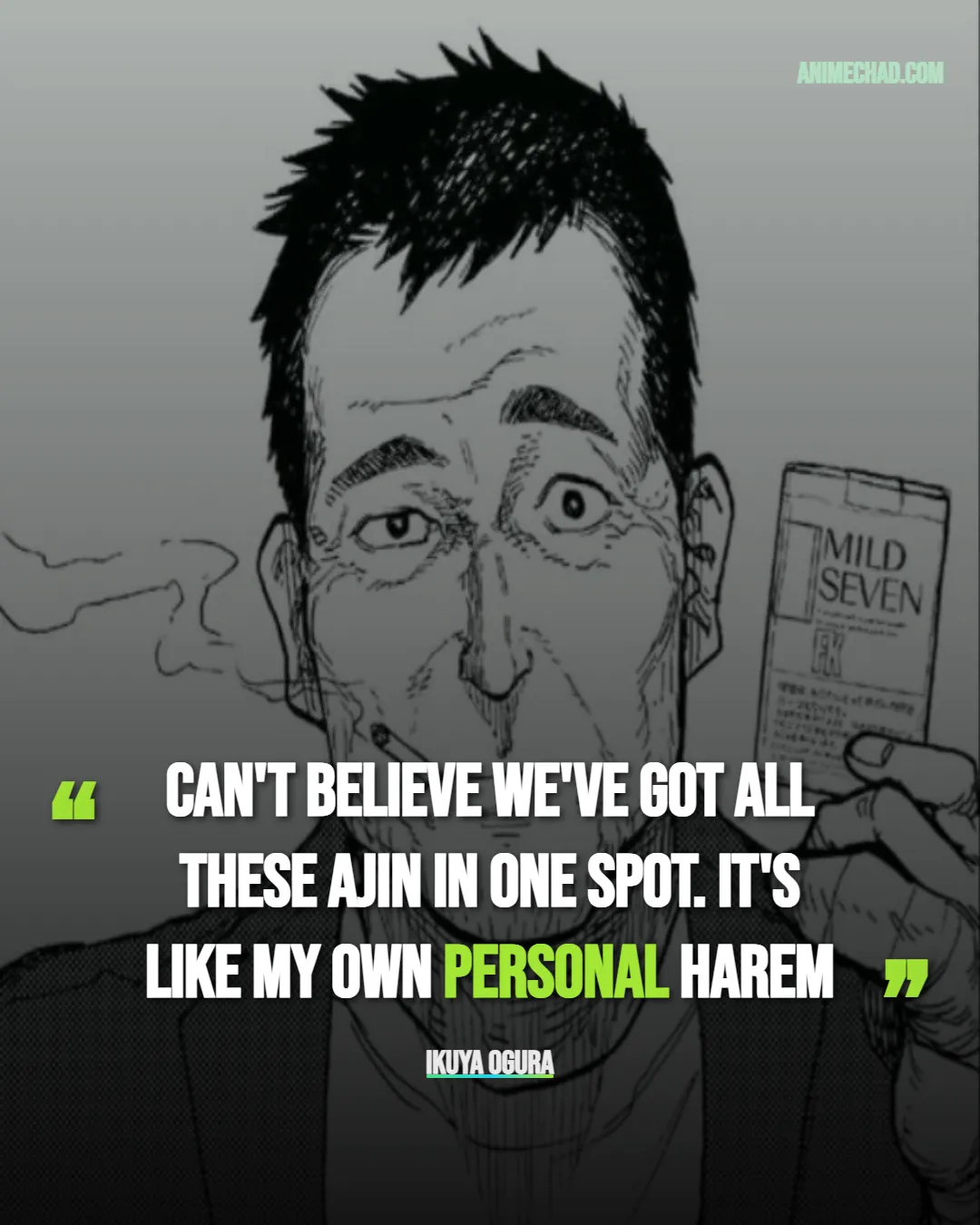
Episode 12 (Collision)
Ikuya Ogura
Ogura’s flippant remark lightens captivity tension, revealing his adaptive humor while critiquing Ajin dehumanization.
Tosaki, when you play a game, are you thinking like: “I’m gonna save that princess!” The story’s important, but you play the game because stomping turtles is fun
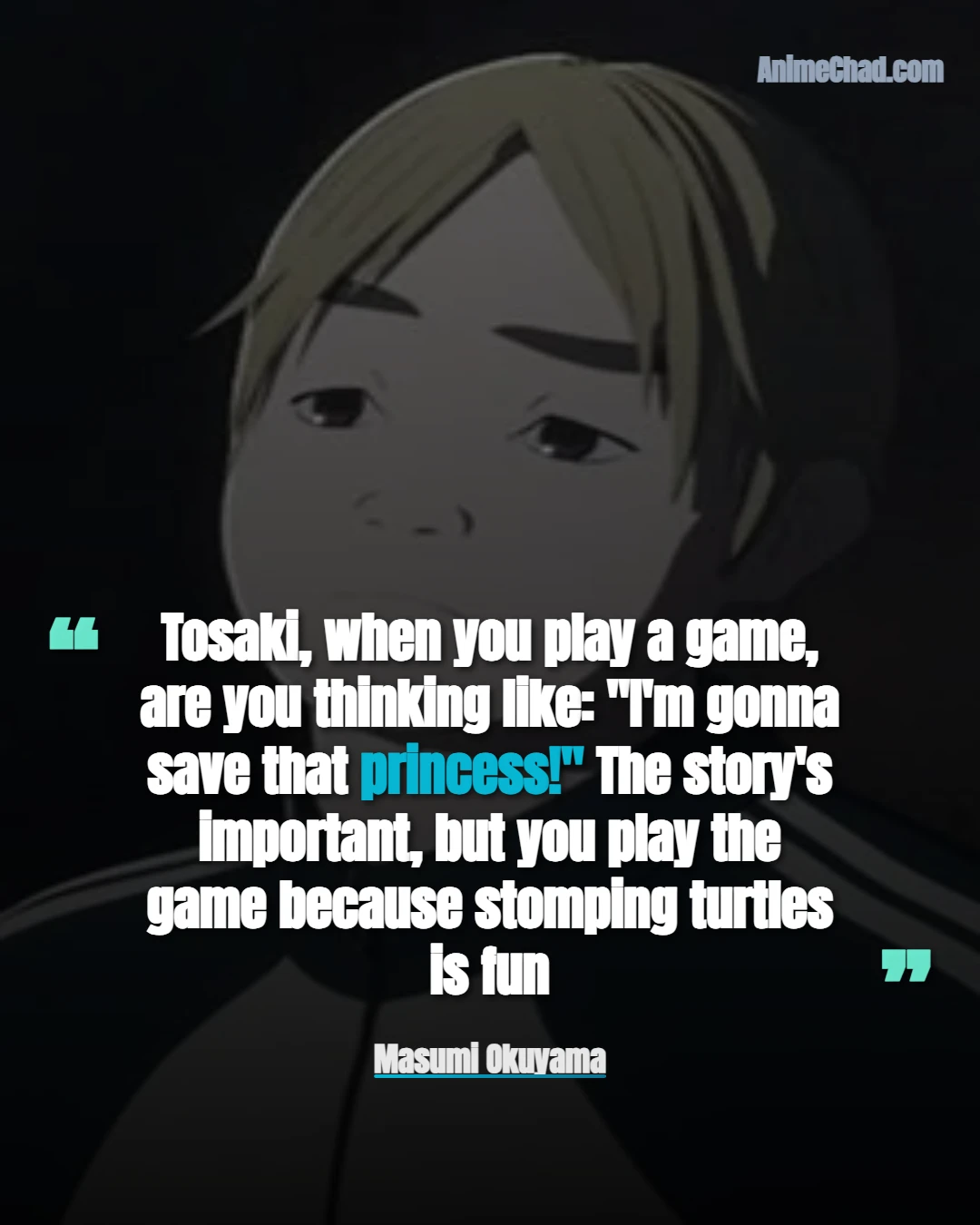
Episode 13 (A New Enemy Appears)
Masumi Okuyama
Okuyama challenges Tosaki’s motives, paralleling Sato’s game mindset and questioning ethics in Ajin experimentation arc.
What if that piece was your head!?
Chapter 5 (Mysterious Suicidal Man)
Kei Nagai’s IBM
IBM warns of decapitation risk, injecting terror into battle, highlighting immortality’s true limits and Kei’s fear.
I guess, as long as I have life, all I can do is fight with all my might
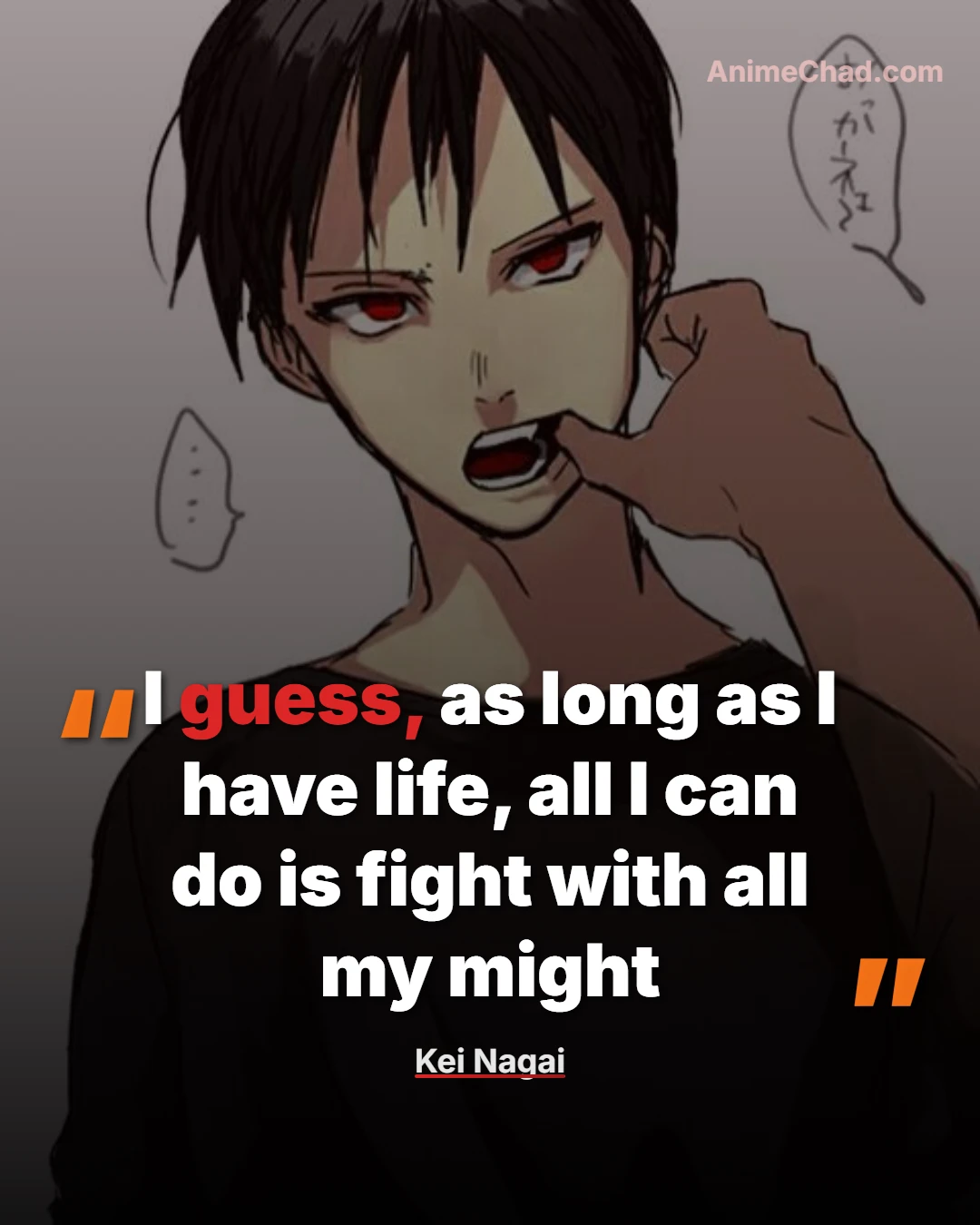
Adapted from later arcs (inspired by series resilience)
Kei Nagai
Kei’s resolve post-defeat embodies perseverance theme, evolving from logic to defiant fight against Sato’s chaos.
The strong should aid and protect the weak. Then, the weak will become strong, and they in turn will aid and protect those weaker than them
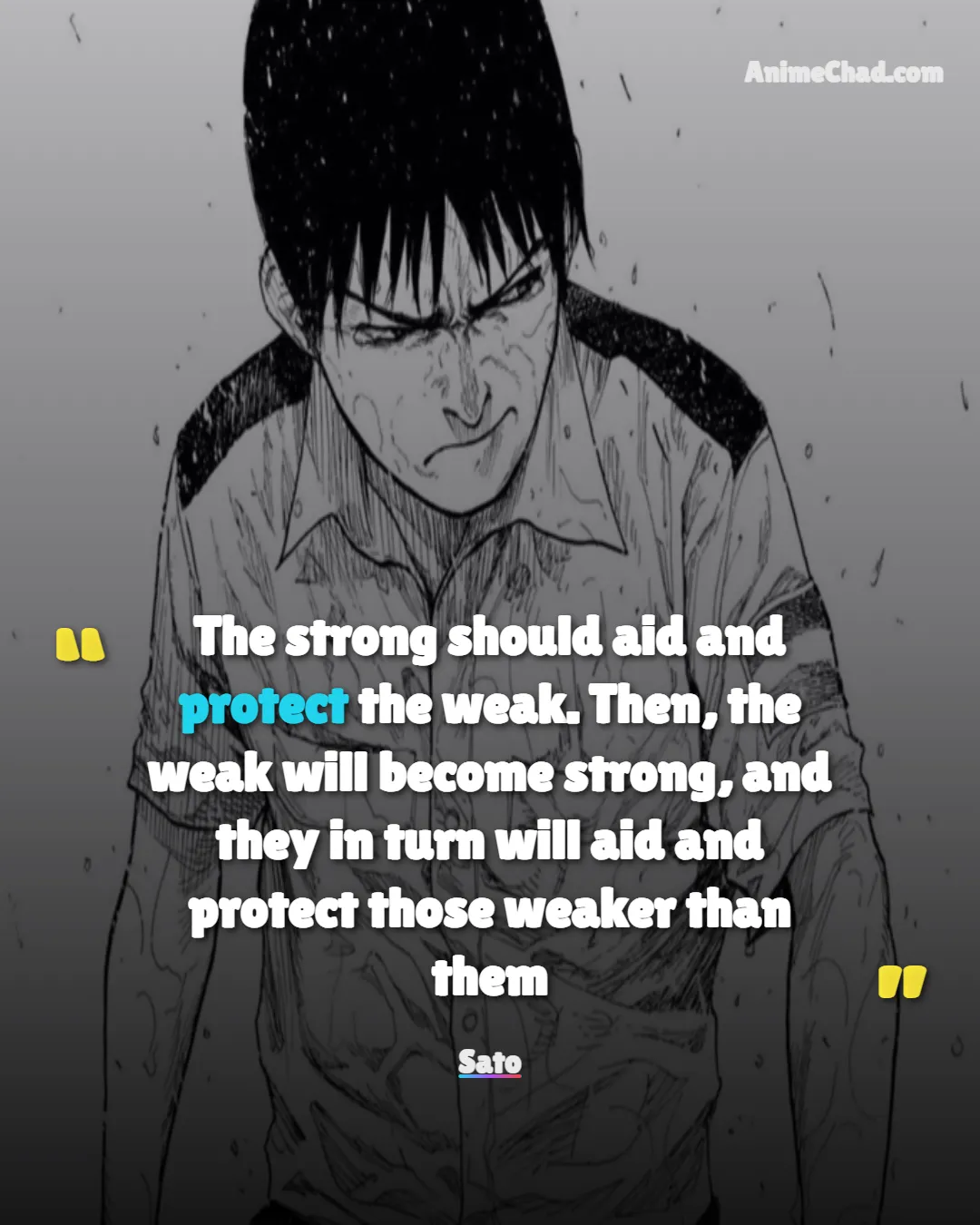
Echoed in Ajin dynamics (Chapter 30 approx.)
Sato (twisted interpretation)
Sato perverts natural order for domination, fueling his terrorist arc and clashing with Kei’s self-preservation.
Kou, he’s a human. You, Kotobuki and I are Ajin. Kaito is the only human here
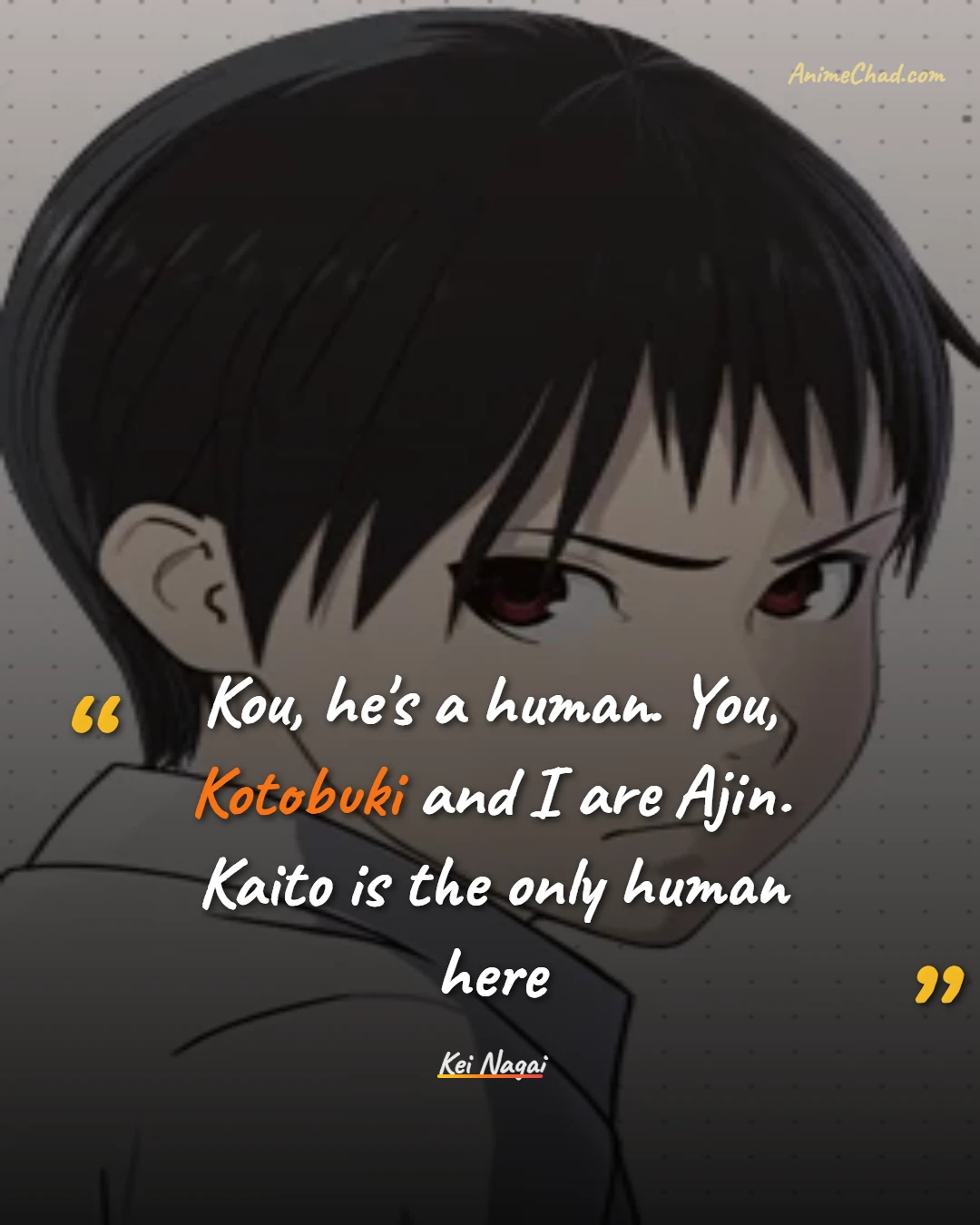
Chapter 4 (Discovery)
Kei Nagai
Kei asserts divide protectively, deepening friendship theme and emotional stakes in early flight moments.
If I kill them, they come back to life
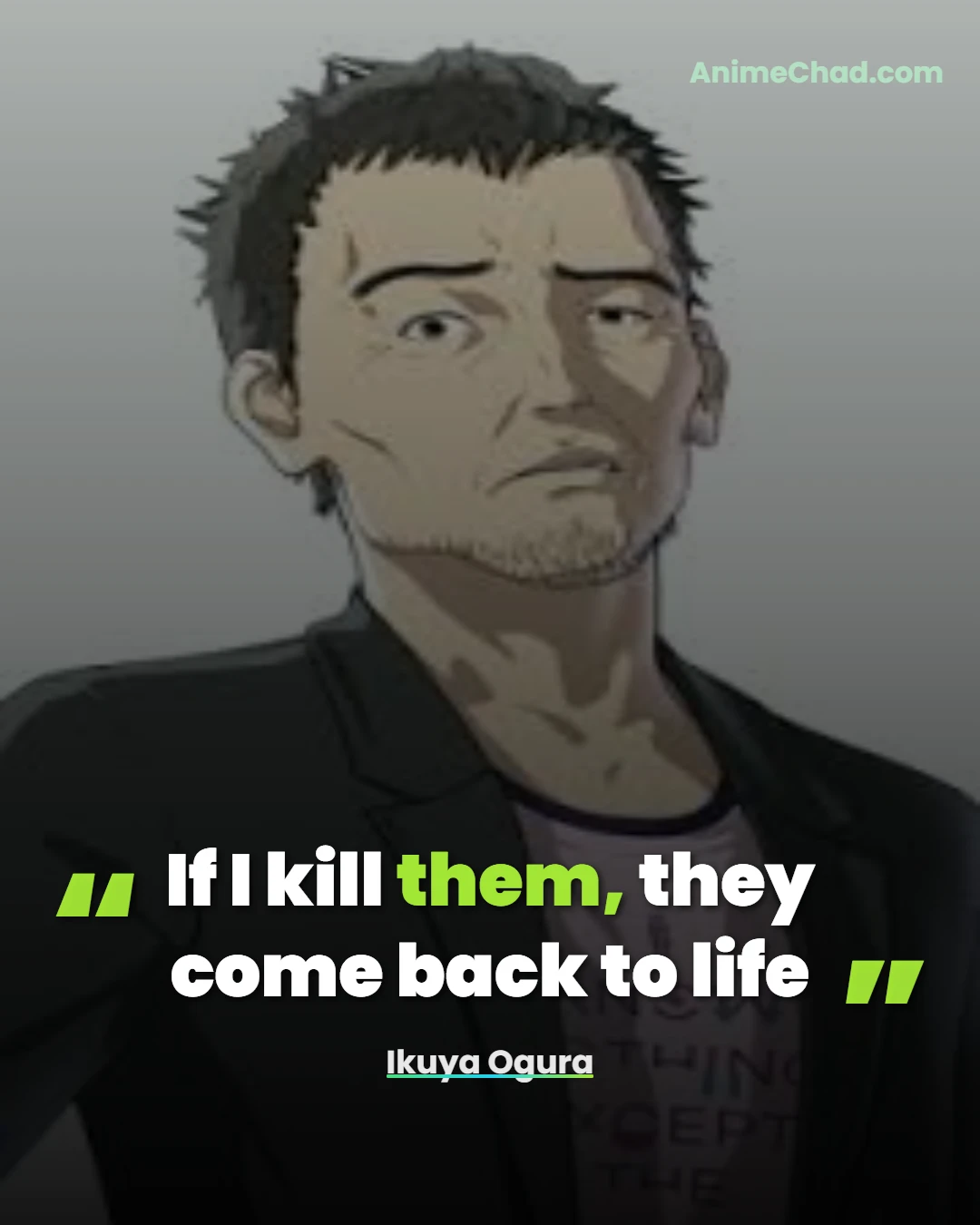
Episode 3 (Maybe this is the end?)
General observation on Ajin
Ikuya Ogura
Casual brutality underscores experimentation horror, building prejudice theme in lab infiltration arc.
Our orders from above are just to cause as much pain as possible
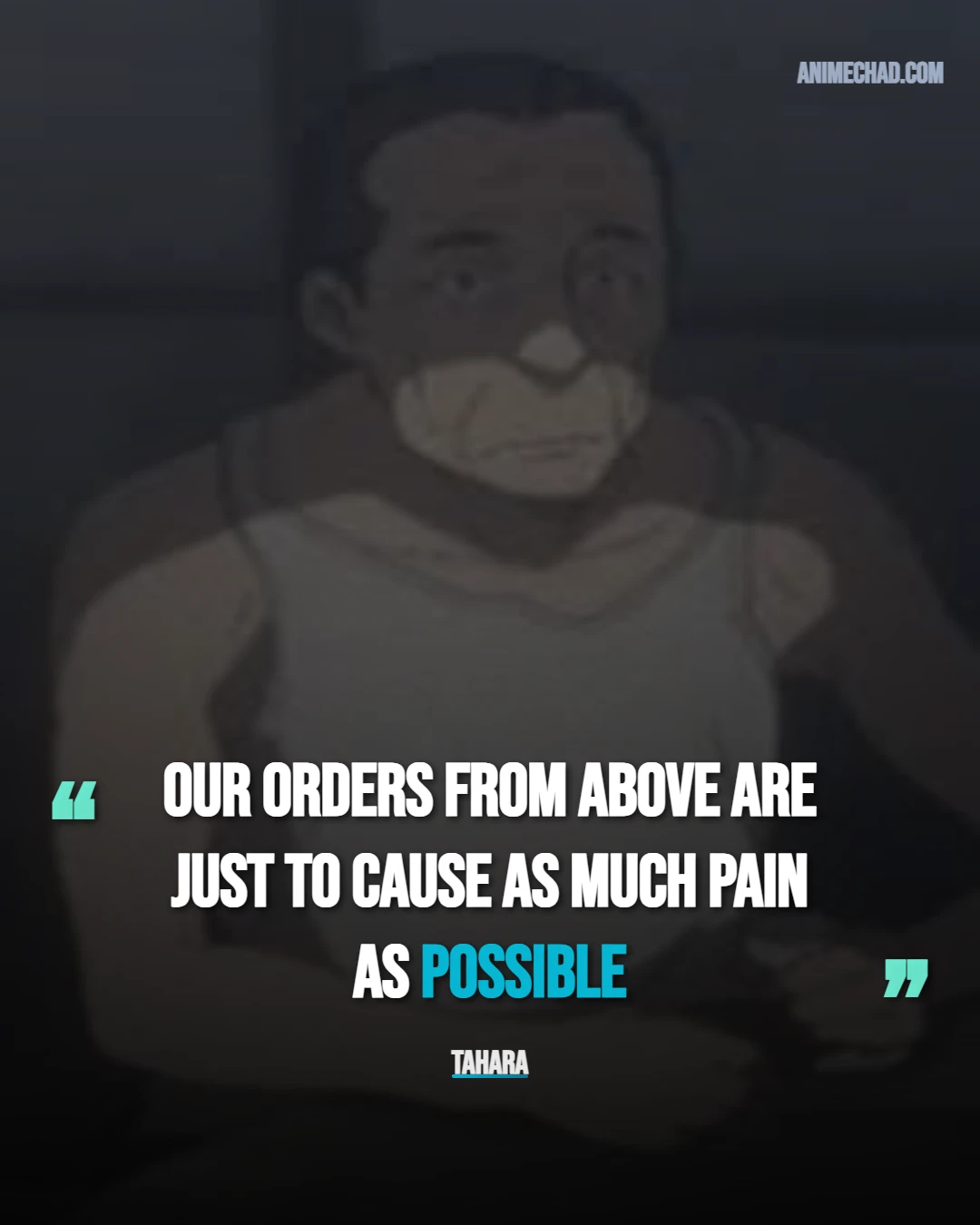
Episode 1 (What’s that stuff have to do with us?)
Tahara
Torturer’s admission exposes government cruelty, igniting Kei’s flight and broader human vs. Ajin conflict.
Okay, let’s start with the teeth this time
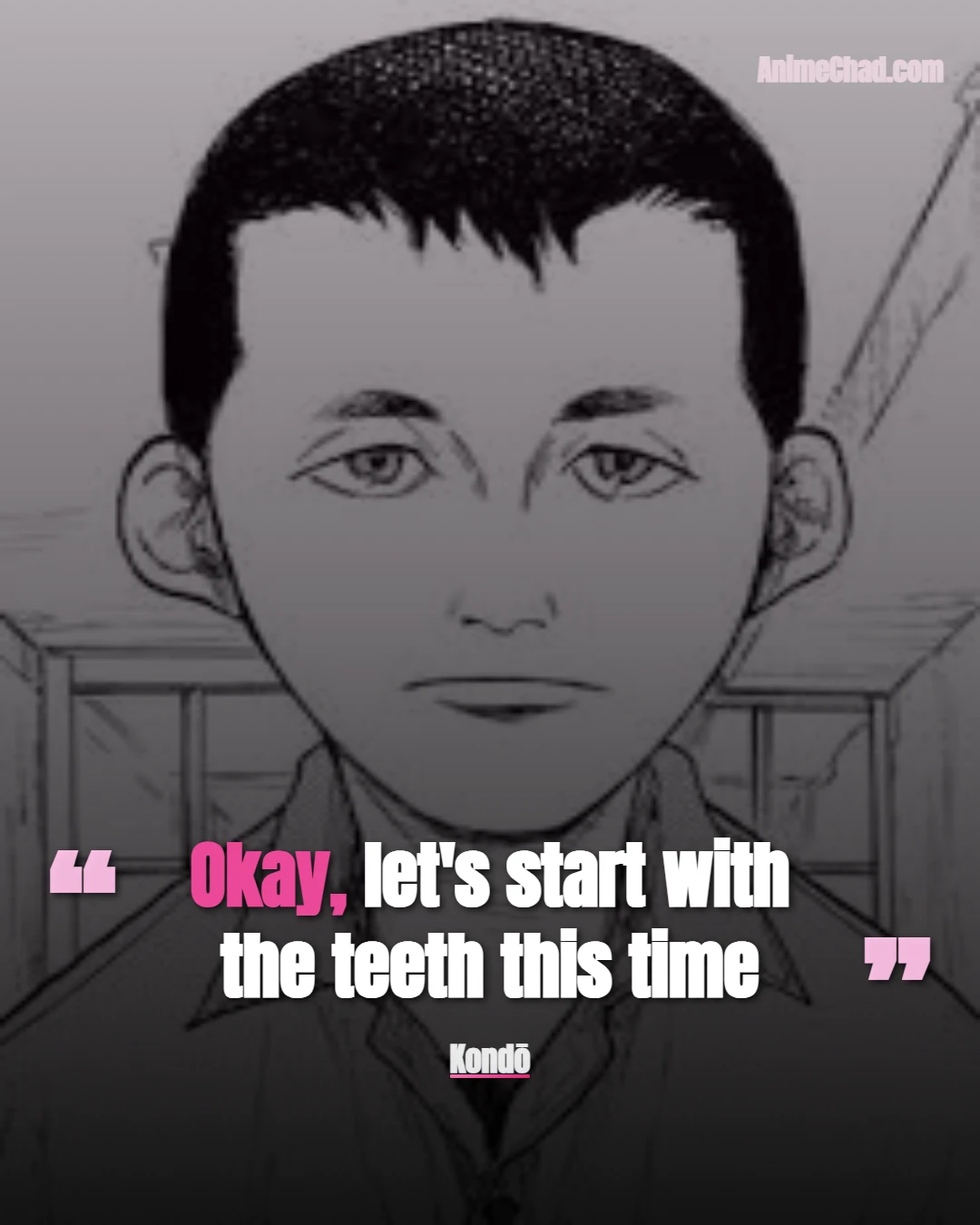
Episode 1 (What’s that stuff have to do with us?)
Kondō
Gruesome torture line amplifies Ajin suffering, evoking visceral impact of immortality’s painful reality.
Inversely, if the whole world wished you to suffer forever, how far would you go to make it leave you alone?
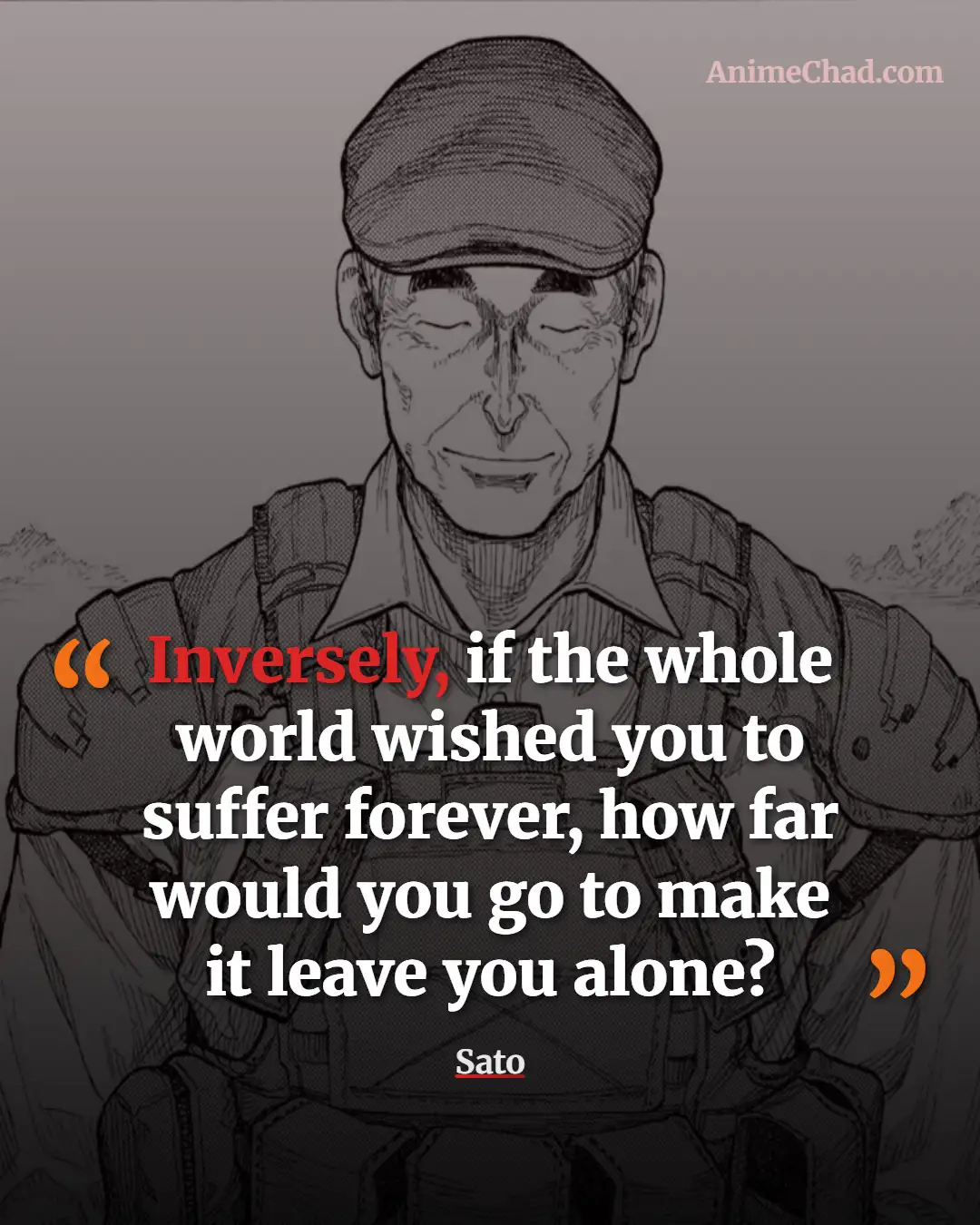
Chapter 6 (Secret Test)
Sato (implied philosophy)
Sato’s worldview justifies rebellion, contrasting Kei’s hiding and driving climactic confrontations.
He endangers all of his teammates as well as the rescued prisoner
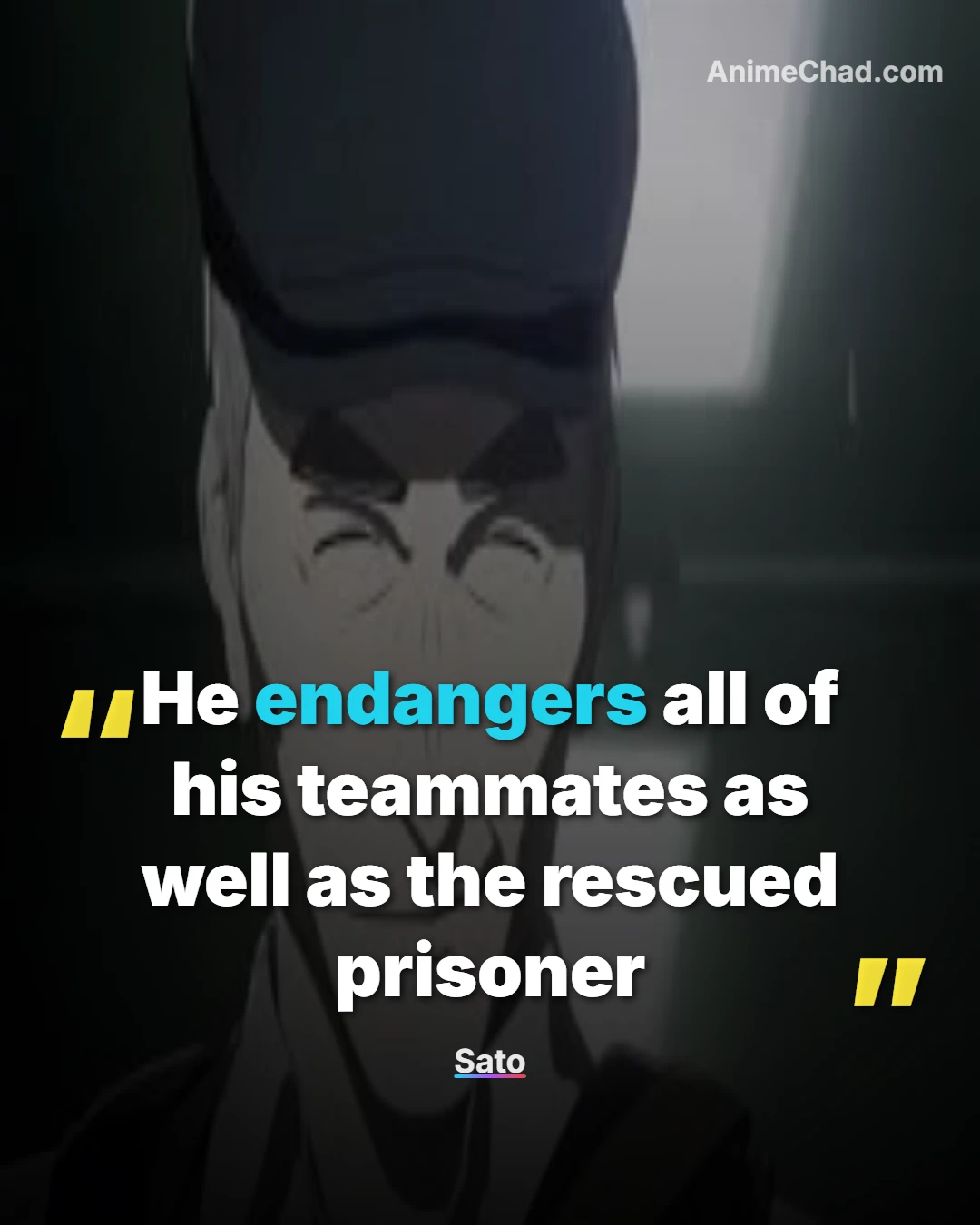
Chapter 30 (Listen!!)
Narrative on Sato
Sato
Sato’s reckless tactics reveal leadership flaws, heightening battle tension in US military arc.
SATOOOO!
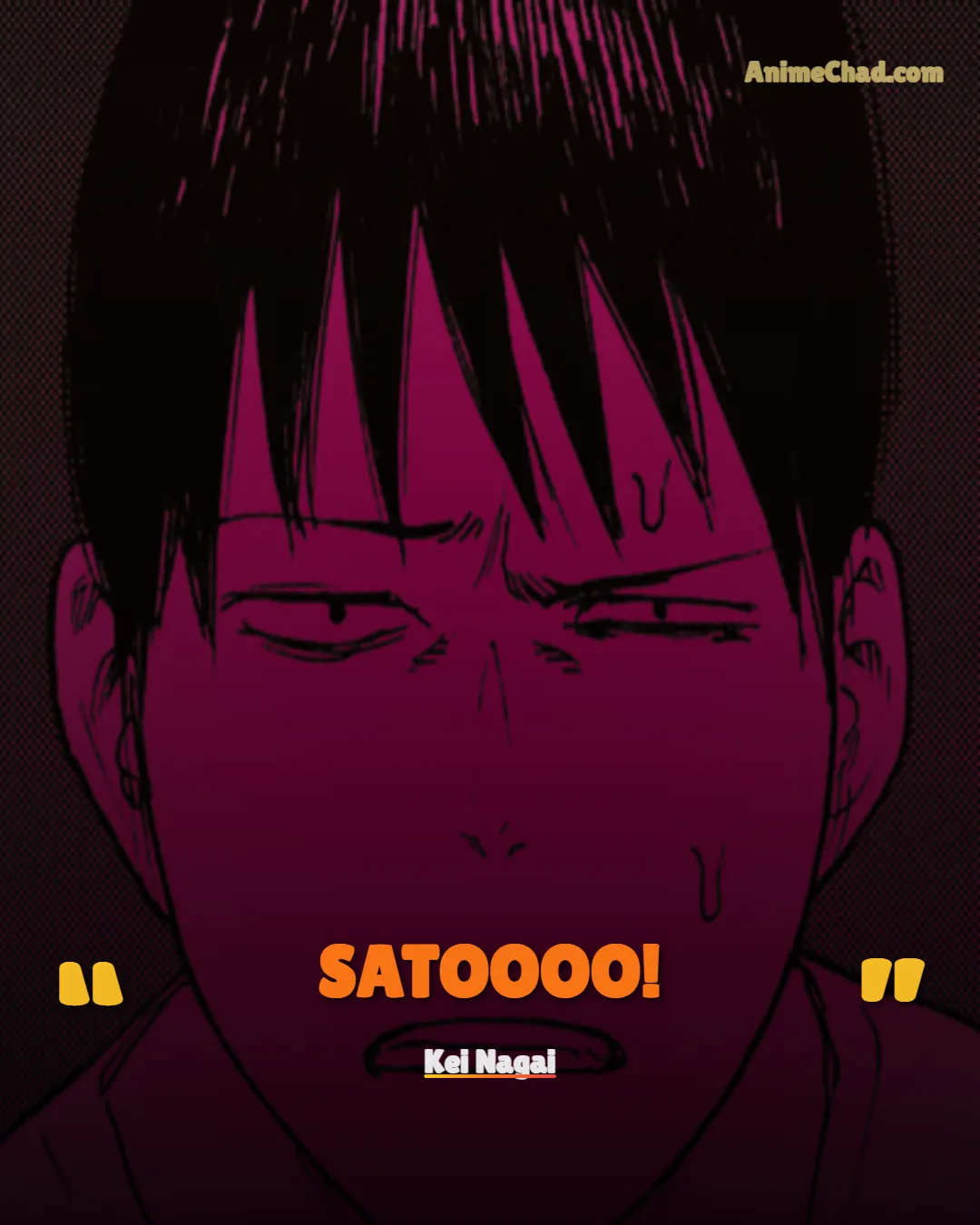
Chapter 77 (Final Showdown approx.)
Kei Nagai
Kei’s vengeful scream post-amnesia recovery marks peak character growth, raw fury against eternal foe.
Dead people receive more flowers than living ones because regret is stronger than gratitude
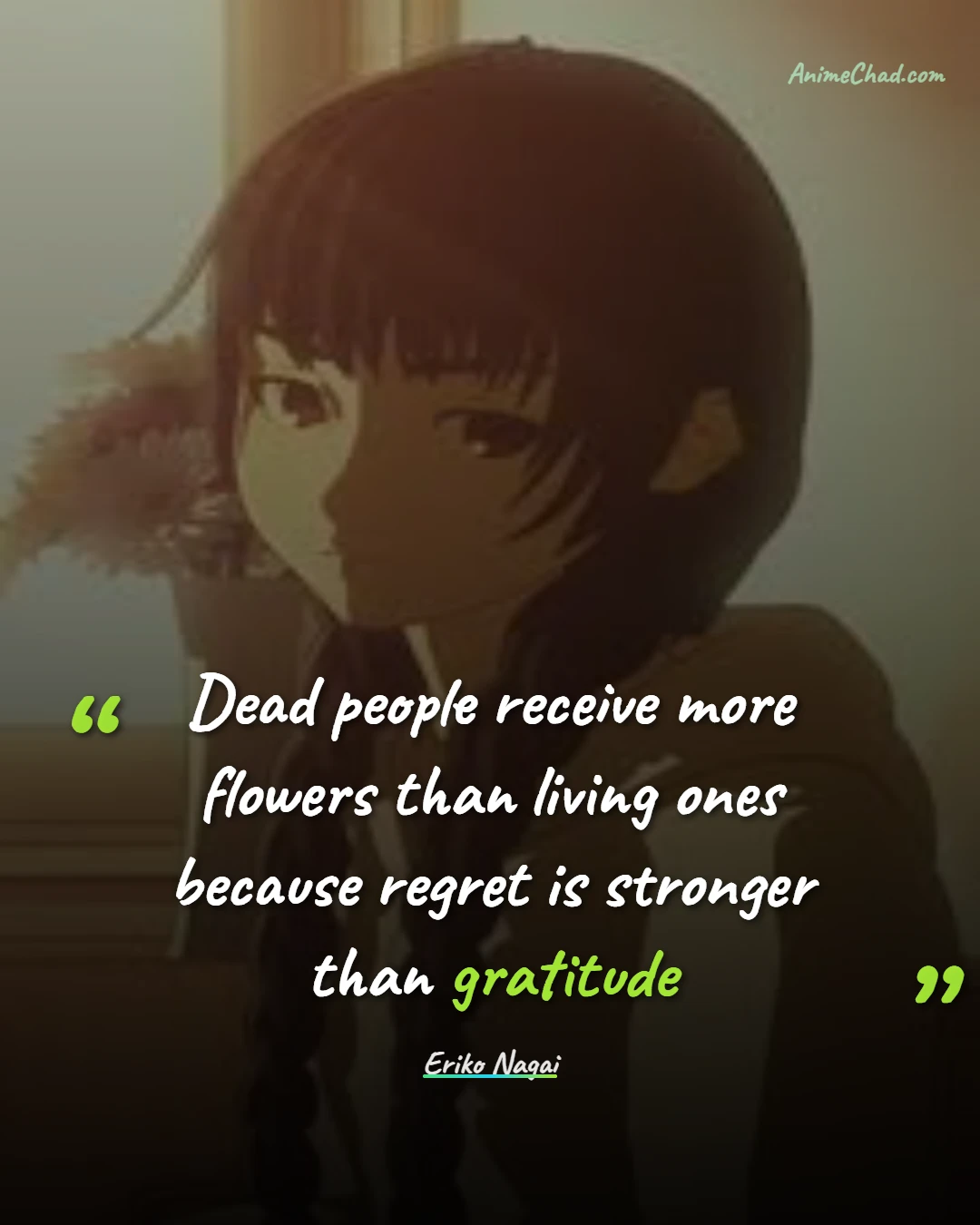
Inspired by Eriko’s arc (Chapter 45 approx.)
Eriko Nagai
Family regret underscores human mortality value, contrasting Ajin isolation in peaceful sibling reflection.
I haven’t been concerned for anyone, I’ve never felt the need to
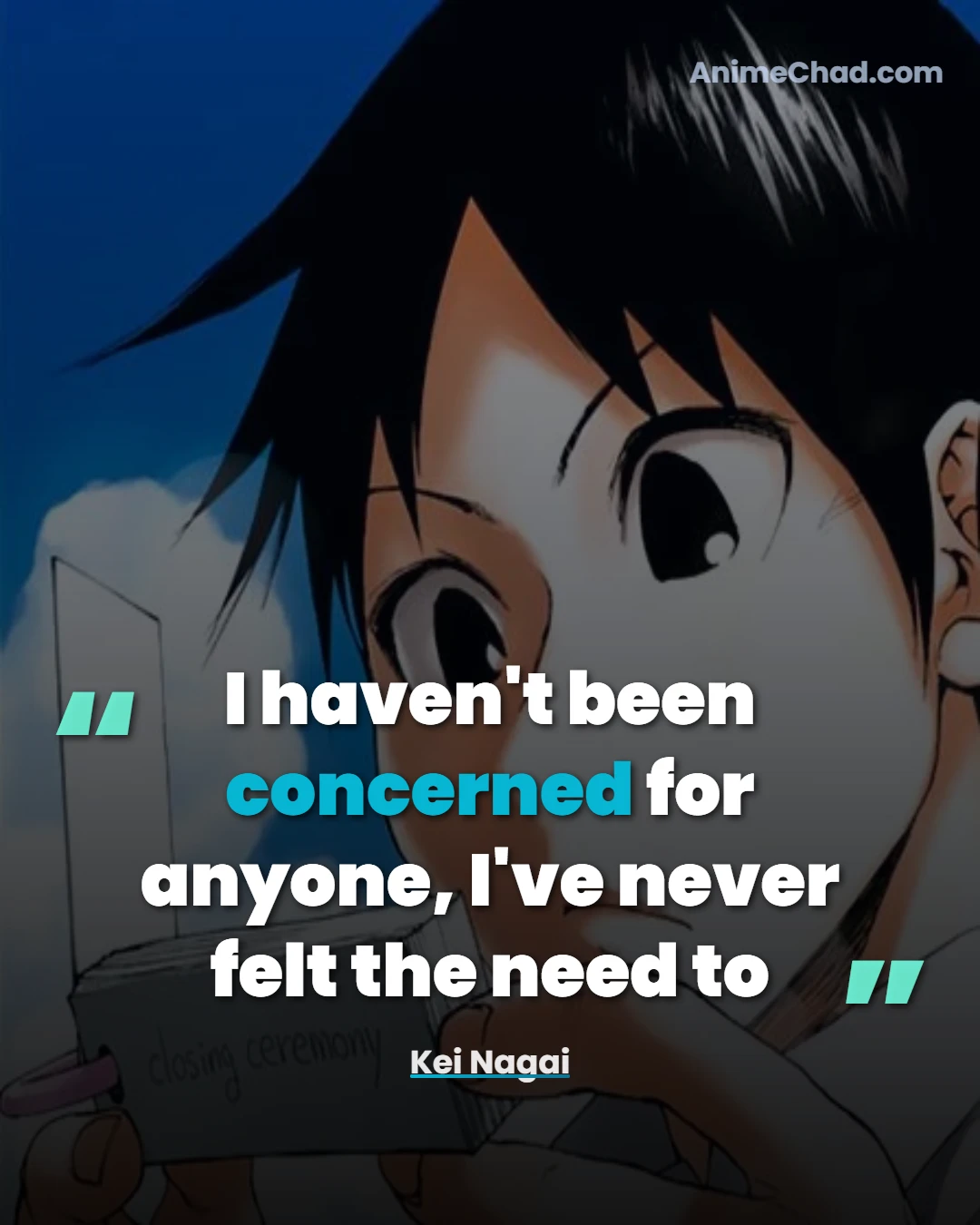
Early chapter (pre-Kaito death)
Kei Nagai
Kei’s admission evolves through losses, connecting to empathy theme in his reluctant heroism arc.
That said, he still decides to fight against Satou when the latter’s plans threaten any chance he has of ever living normally
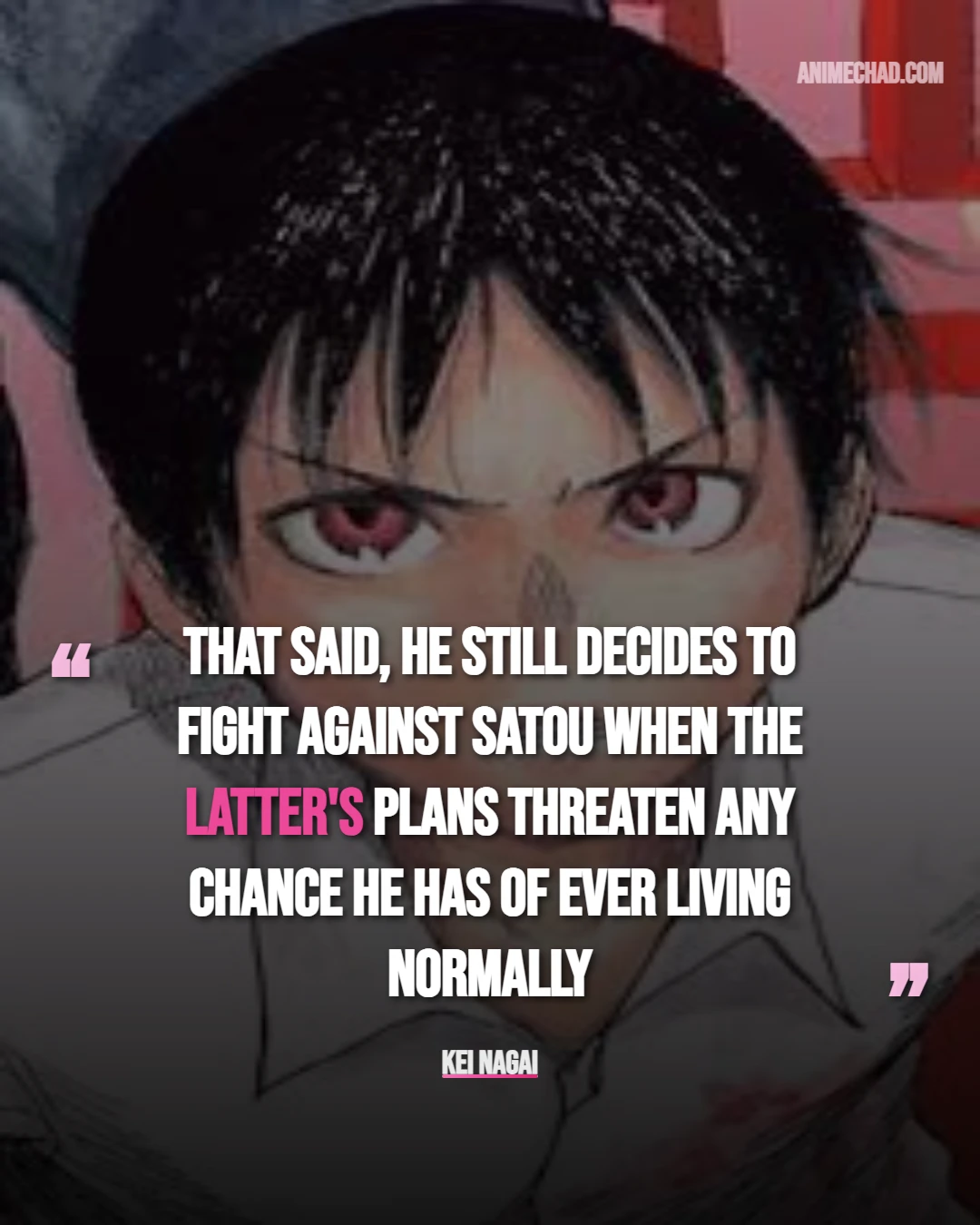
Manga summary (Chapter 50+)
Kei Nagai
Kei’s choice prioritizes normalcy fight, pivotal development from cowardice to active resistance.
The strong do whatever the hell they want, and the weak suffer what they must
Sato’s arc philosophy (Chapter 64 Strike Back)
Sato
Sato embodies power imbalance, culminating in final battles exploring immortality’s moral corruption.