
Fafner in the Azure stands apart from typical mecha anime by emphasizing emotional sacrifice, identity erosion, and the long-term cost of survival over spectacle. Its slow-burn storytelling, evolving power systems, and morally ambiguous conflicts create an underdog narrative that consistently subverts genre expectations.
The following anime series share similar thematic DNA—psychological depth, ensemble character development, and narrative risk-taking—yet remain overlooked despite critical praise. If you value anime that trusts its audience and rewards patience, these titles are worth your time.
1. Soukyuu no Fafner: Dead Aggressor – Exodus (2015)
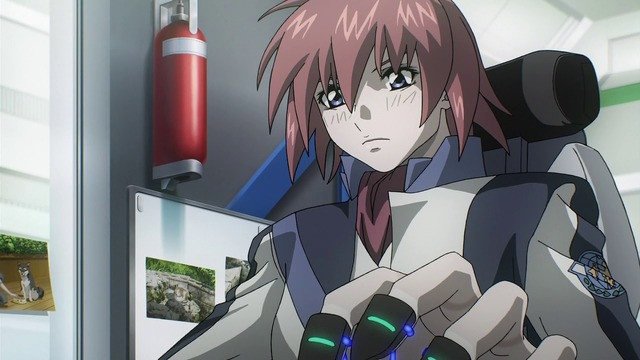
- Streaming: Crunchyroll (region-dependent)
- Episodes: 26
- MAL Rating: ~7.3
- Studio/Staff: Xebec; Director: Tow Ubukata
- Recognition: Long-running cult mecha franchise continuation
Summary: Humanity’s fragile survival continues as the cost of piloting Fafners becomes increasingly irreversible. The sequel deepens the series’ meditation on memory, loss, and inherited trauma.
Similarities: Direct thematic continuation—identity erosion, evolving combat systems, and ensemble suffering taken to its logical extreme.
2. Bokurano (2007)
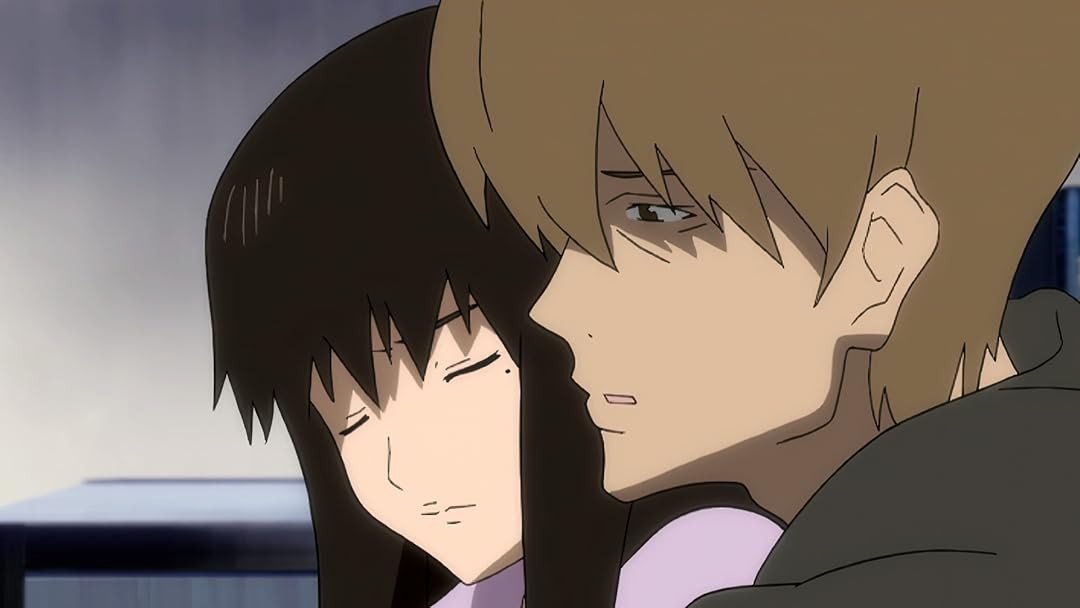
- Streaming: HIDIVE
- Episodes: 24
- MAL Rating: ~7.4
- Studio: Gonzo
- Recognition: Based on Mohiro Kitoh’s acclaimed manga
Summary: A group of children pilot a giant robot, gradually learning that each victory demands an unbearable personal price. The series dismantles the heroic mecha fantasy with brutal honesty.
Similarities: Like Fafner, it reframes mecha combat as psychological annihilation rather than empowerment.
3. RahXephon (2002)
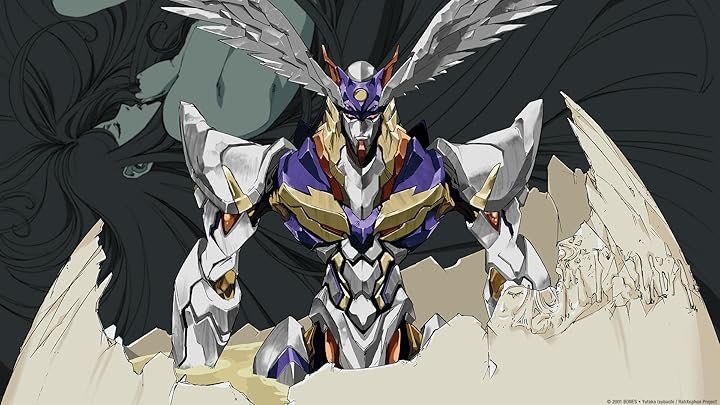
- Streaming: Funimation (limited regions)
- Episodes: 26
- MAL Rating: ~7.4
- Studio: Bones
- Recognition: Tokyo Anime Award nominee
Summary: A young pilot becomes entangled in a war shaped by music, fate, and fractured realities. The narrative slowly reveals its emotional and metaphysical core.
Similarities: Cryptic storytelling, identity loss, and a heavy focus on emotional resonance over exposition.
4. Blue Gender (1999)
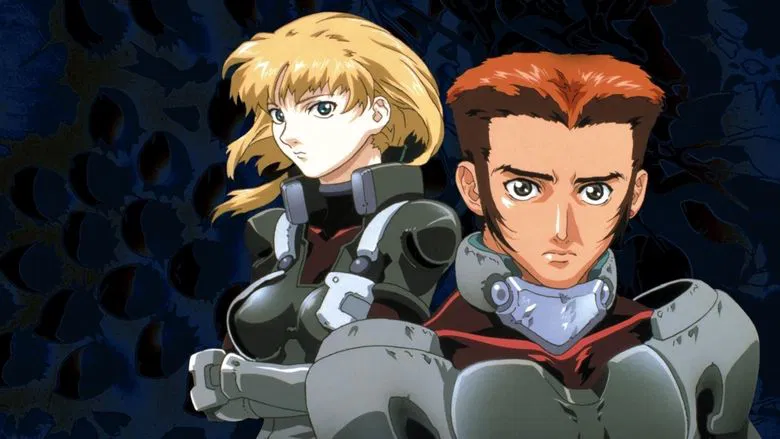
- Streaming: Amazon Prime Video (varies)
- Episodes: 26
- MAL Rating: ~7.2
- Studio: AIC
- Recognition: Early survival-mecha cult classic
Summary: Awaking in a post-apocalyptic future, a fragile protagonist must survive against overwhelming alien forces. Humanity’s cruelty proves as dangerous as the enemy.
Similarities: Bleak tone, biological horror, and the cost of adaptation mirror Fafner’s existential despair.
5. Gasaraaki (1998)
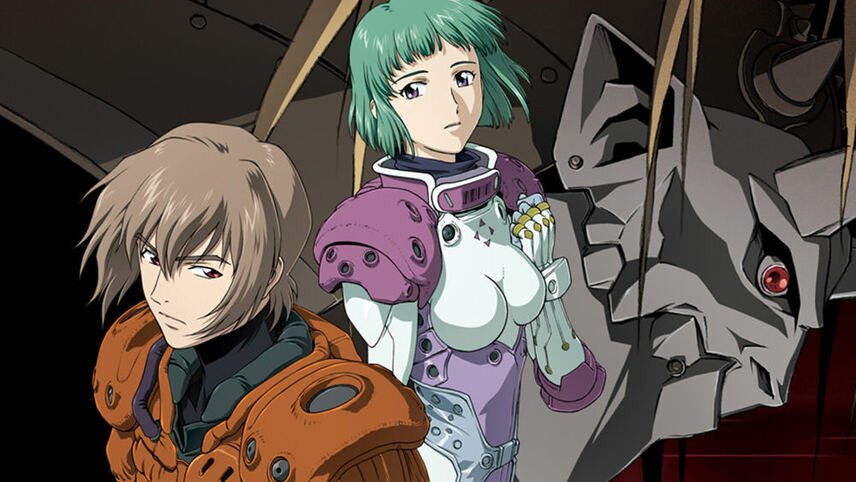
- Streaming: RetroCrush
- Episodes: 25
- MAL Rating: ~6.9
- Studio: Sunrise
- Notable Staff: Ryosuke Takahashi
Summary: A dense political-mecha drama blending economics, folklore, and warfare. The story prioritizes realism and consequence over spectacle.
Similarities: Slow pacing, layered themes, and an expectation that viewers engage intellectually.
6. Zegapain (2006)

- Streaming: Crunchyroll
- Episodes: 26
- MAL Rating: ~7.1
- Studio: Sunrise
- Recognition: Cult following resurgence after sequel film
Summary: A seemingly normal life fractures when the protagonist discovers reality itself is compromised. Memory and existence become battlegrounds.
Similarities: Shared focus on simulated reality, fading identities, and long-term psychological damage.
7. Argento Soma (2000)
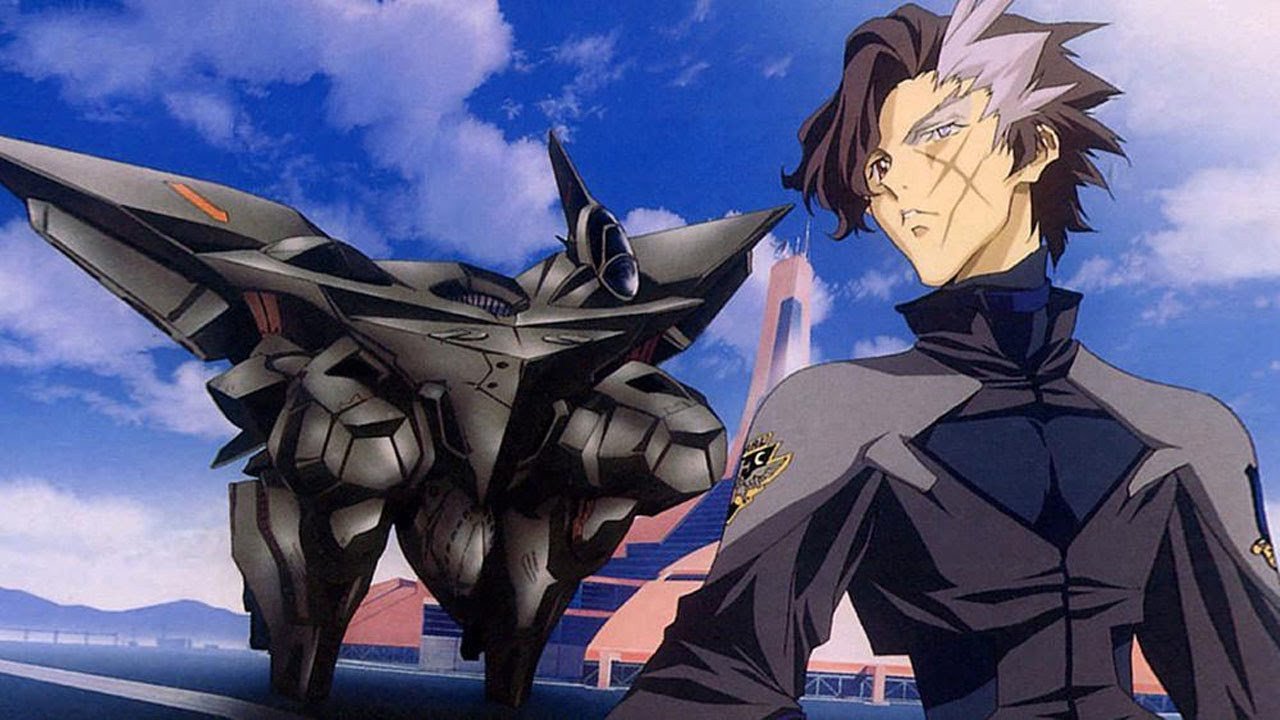
- Streaming: DVD/Blu-ray only (as of 2025)
- Episodes: 25
- MAL Rating: ~7.0
- Studio: Sunrise
- Inspiration: Loosely based on Frankenstein
Summary: A revenge-driven mecha narrative slowly transforms into a study of grief and forgiveness. Emotional evolution outweighs plot twists.
Similarities: Gradual character growth and moral ambiguity over traditional heroism.
8. Mugen no Ryvius (1999)
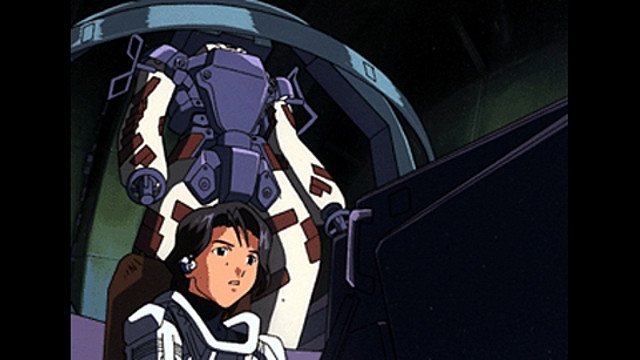
- Streaming: No official streaming (region-locked)
- Episodes: 26
- MAL Rating: ~7.3
- Studio: Sunrise
- Recognition: Early social-collapse sci-fi anime
Summary: Teenagers stranded in space form unstable hierarchies under extreme pressure. Leadership and ethics erode rapidly.
Similarities: Ensemble cast psychology and survival-driven power dynamics.
9. PlanetES (2003)
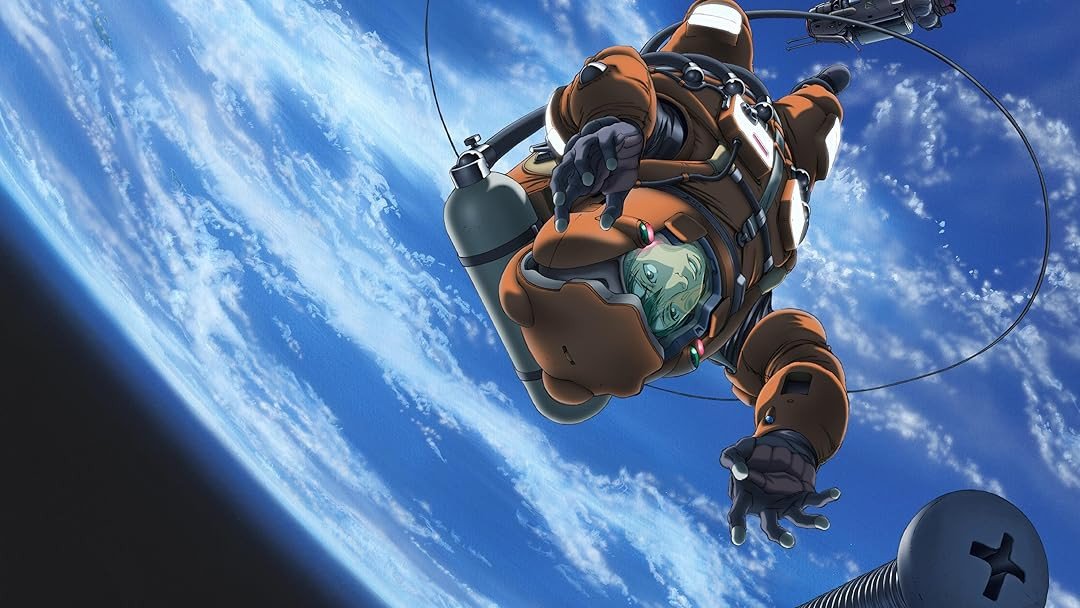
- Streaming: Crunchyroll
- Episodes: 26
- MAL Rating: ~8.2
- Studio: Sunrise
- Awards: Seiun Award winner
Summary: Realistic space work drama focusing on orbital debris collectors. Personal dreams clash with institutional indifference.
Similarities: Human fragility, professional sacrifice, and slow-burn emotional payoff.
10. Noein: To Your Other Self (2005)
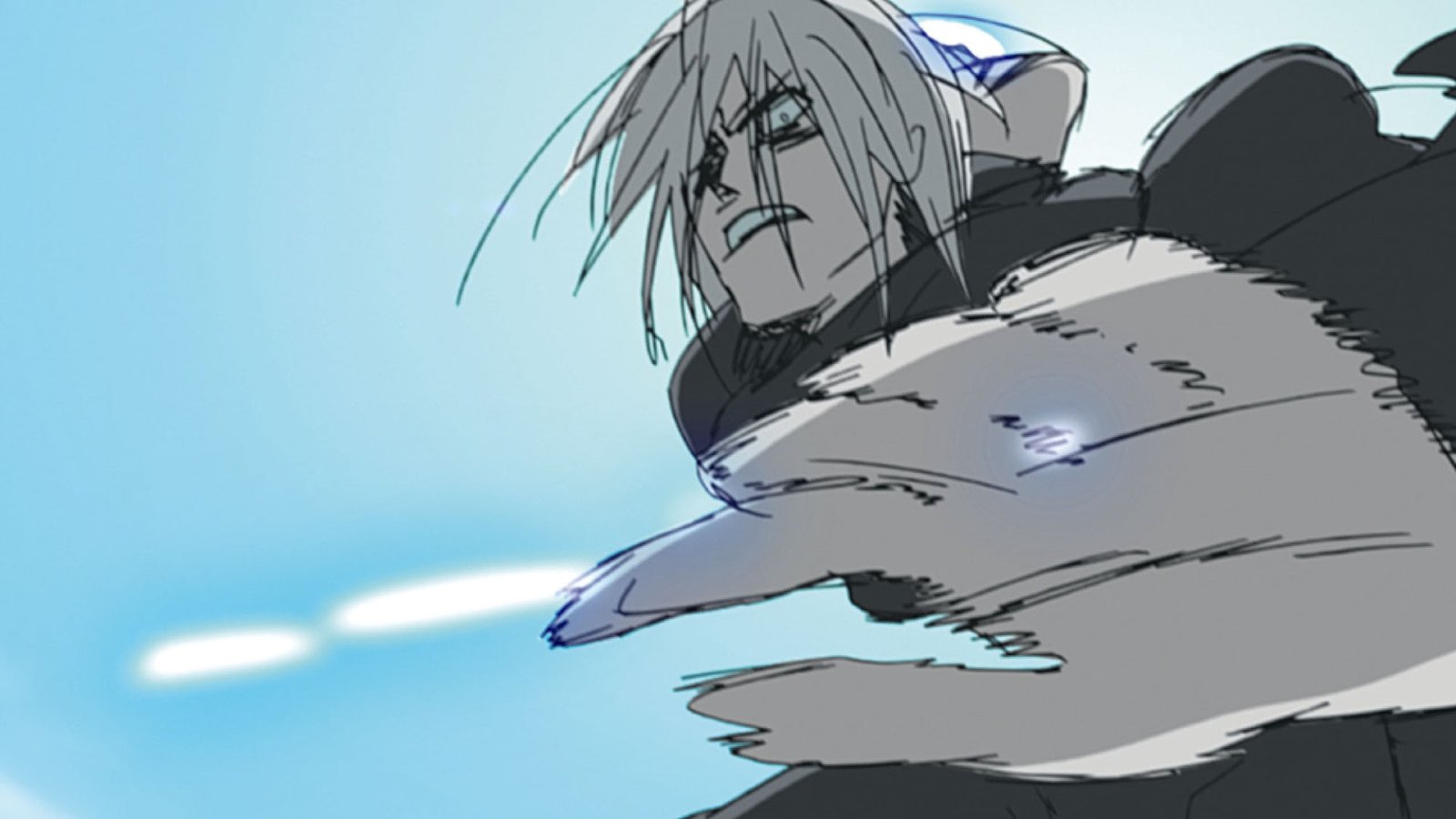
- Streaming: Crunchyroll
- Episodes: 24
- MAL Rating: ~7.6
- Studio: Satelight
- Recognition: Praised for experimental animation
Summary: Parallel worlds collide as children face existential choices that shape reality itself.
Similarities: Emotional stakes tied to metaphysical consequences and identity divergence.
11. Infinite Ryvius (1999)
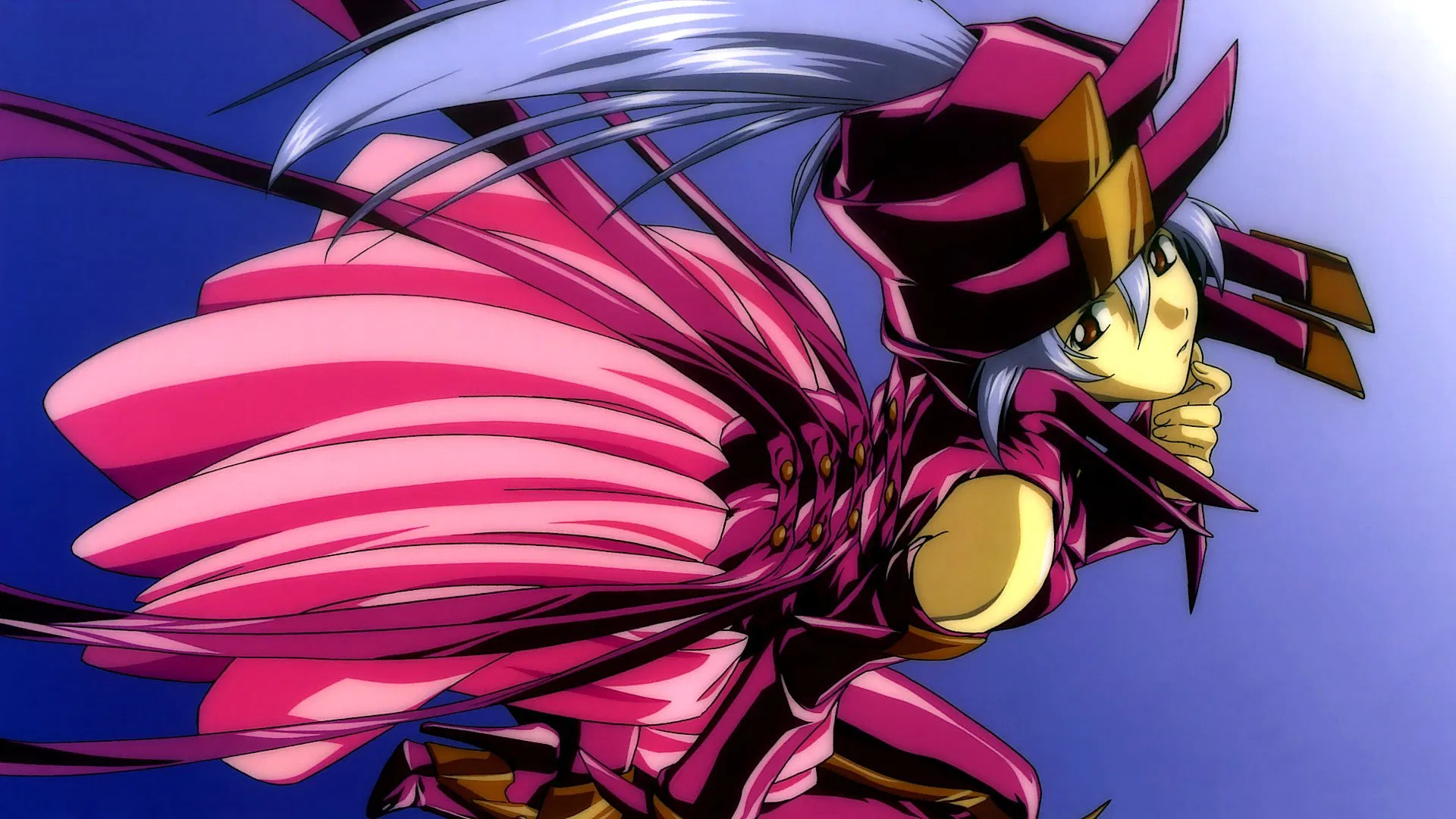
- Streaming: Limited archival releases
- Episodes: 26
- MAL Rating: ~7.2
- Studio: Sunrise
Summary: Social order disintegrates among isolated youths navigating power and fear.
Similarities: Like Fafner, survival reshapes morality and leadership.
12. Simoun (2006)
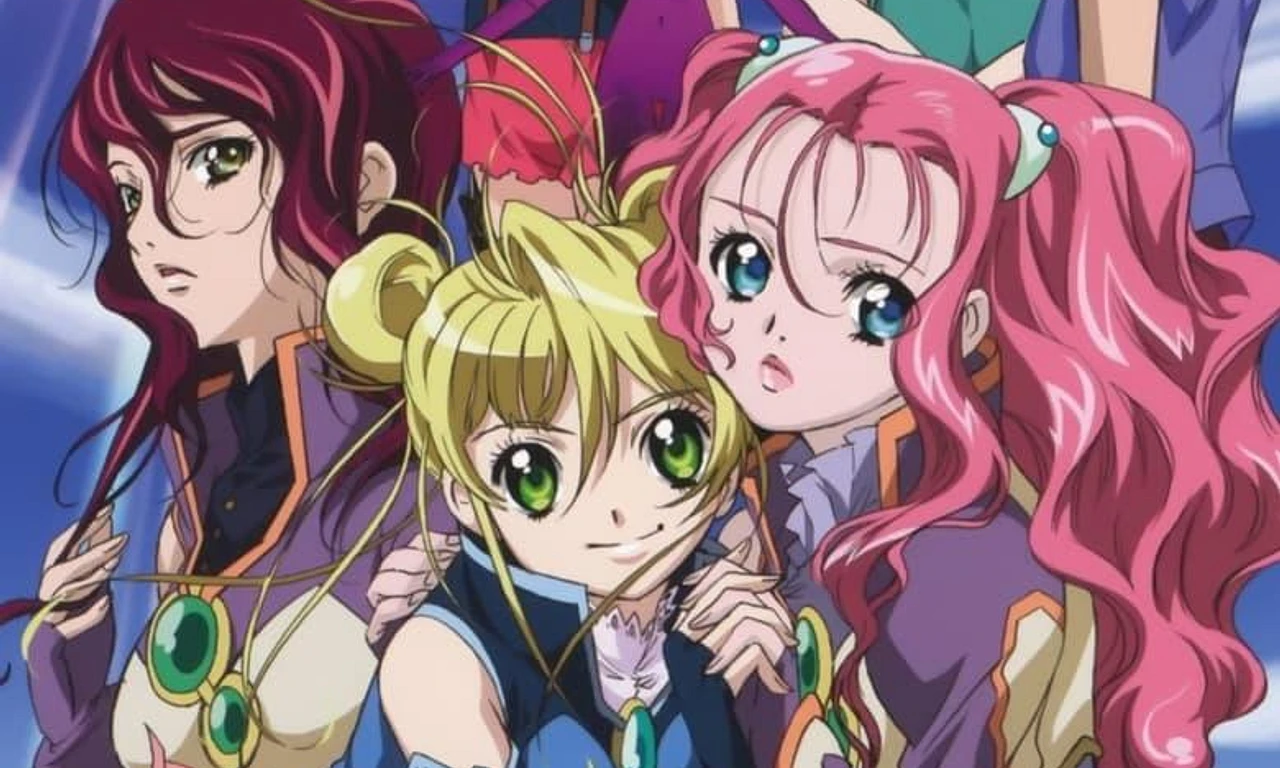
- Streaming: HIDIVE
- Episodes: 26
- MAL Rating: ~7.3
- Studio: Studio Deen
- Recognition: Early gender-fluid sci-fi anime
Summary: Pilots bound by ritualistic flight confront war, identity, and self-determination.
Similarities: Sacrifice-driven power systems and emotional consequences of duty.
13. Kurogane no Linebarrels (2008)
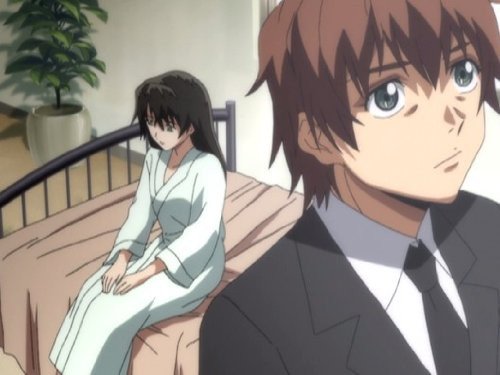
- Streaming: Crunchyroll
- Episodes: 24
- MAL Rating: ~6.8
- Studio: Gonzo
Summary: A reluctant hero gains overwhelming power that isolates him morally and socially.
Similarities: Subversion of power fantasies and long-term psychological cost.
14. Gasaraki (1998)
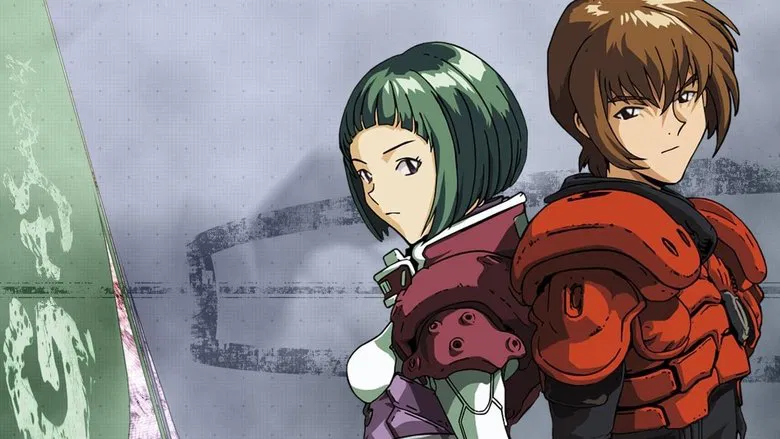
- Streaming: RetroCrush
- Episodes: 25
- MAL Rating: ~6.9
- Studio: Sunrise
Summary: Ritual, politics, and mecha intertwine in a grounded depiction of modern warfare.
Similarities: Dense worldbuilding and refusal to simplify conflict.
15. Star Driver (2010)
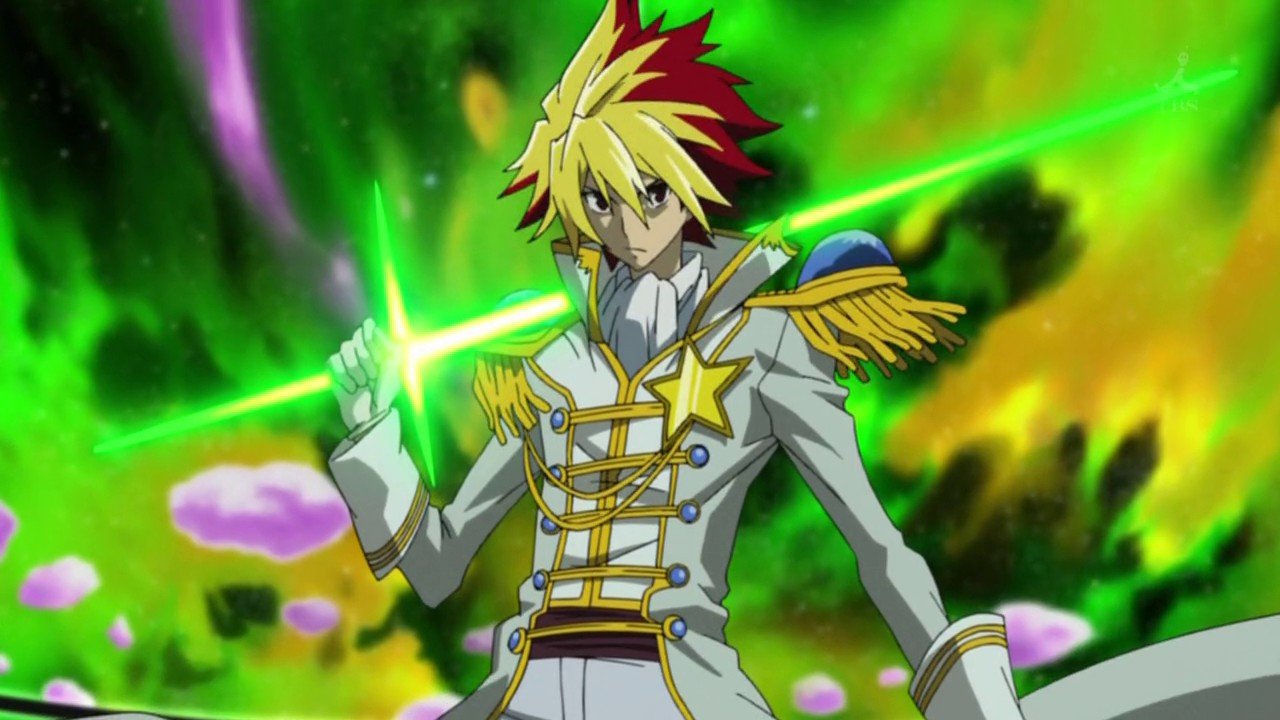
- Streaming: Crunchyroll
- Episodes: 25
- MAL Rating: ~7.2
- Studio: Bones
- Recognition: Known for theatrical presentation
Summary: Stylized mecha duels mask deeper emotional isolation and social hierarchies.
Similarities: Beneath the spectacle lies character-driven tragedy and self-discovery.
Why These Anime Work for Fafner in the Azure Fans
These series prioritize emotional consequence over power escalation, identity over victory, and long-term psychological impact over episodic resolution. Like Fafner, they trust viewers to engage with ambiguity, reward patience, and accept that survival often comes at an irreversible cost.