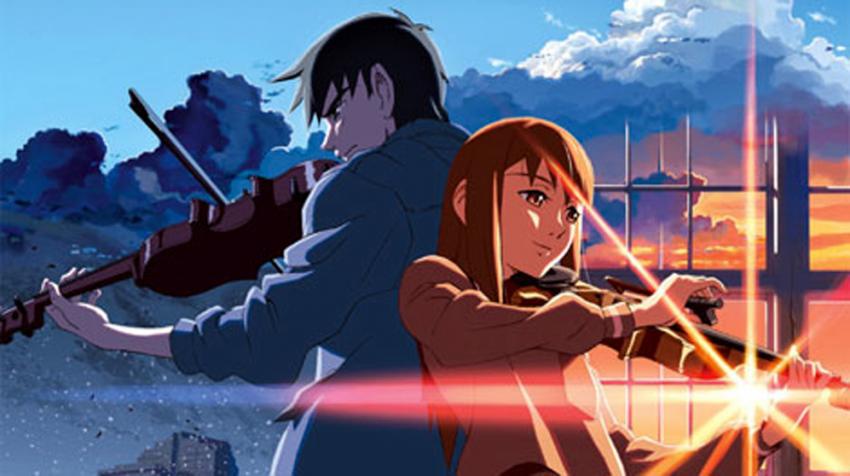
Punch Line is a masterclass in narrative subversion, a series that lures viewers in with a ridiculous, ecchi-inspired premise and then pulls the rug out from under them with a deeply complex, emotionally resonant, and meticulously plotted time-travel story. The protagonist, Yuta Iridatsu, is a spirit who must prevent a catastrophe that will destroy the Earth. There’s one catch: if he gets too excited by seeing panties, his spiritual power surges, causing a meteor to crash into the planet. He must navigate this absurd limitation while possessing the residents of his former boarding house to solve the mystery of his own disembodied state.
The series is defined by its core themes: a power system built on bizarre, comedic rules that later reveal profound narrative significance; an underdog protagonist who is, quite literally, powerless and must rely on others; and a masterful subversion of expectations, where every joke, every throwaway line, is a clue to a much larger, more serious story. Punch Line is a puzzle box disguised as a comedy, and its true genius is only revealed upon reflection and re-watching. It is a testament to the idea that even the most absurd premise can be the foundation for a truly brilliant narrative.
For fans of Punch Line, finding similar anime can be a challenge. The series occupies a unique space—part slapstick comedy, part psychological thriller, part mind-bending sci-fi. Yet, many underrated series share its core DNA: a willingness to embrace absurdity before revealing hidden depth, a focus on intricate plotting and foreshadowing, and protagonists who are underdogs in every sense of the word. These shows deserve far more attention for their ambition, their cleverness, and their refusal to be judged by their covers.
Here are 15 underrated anime that capture the spirit of Punch Line.
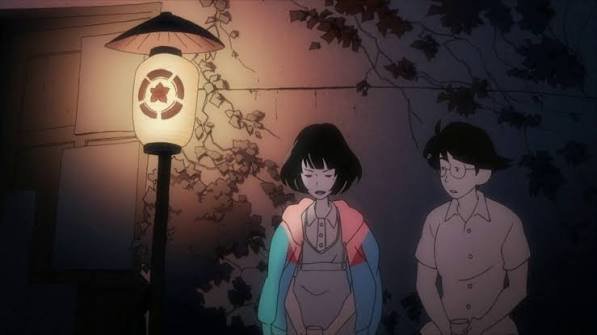
1. The Tatami Galaxy (Yojouhan Shinwa Taikei) (2010)
- Streaming Availability: Crunchyroll, Funimation
- Rating: MAL: 8.5
- Episodes: 11
- Studio: Madhouse
- Notable Staff: Directed by Masaaki Yuasa (Devilman Crybaby), based on the novel by Tomihiko Morimi.
Plot Summary: An unnamed college student reflects on his failures, constantly wondering how his life would have been different if he had made different choices, particularly which club he joined in his first year. The series uses a time-loop structure to show him living through these alternate realities.
Similarities to Punch Line: Both series are built on a time-loop/repeating structure where the protagonist must learn from his mistakes to achieve a desired outcome. The chaotic, fast-paced visual style of Masaaki Yuasa mirrors the frantic energy of Punch Line. More importantly, both series are about the search for the “perfect” timeline and the realization that true happiness comes from accepting the present, not chasing an idealized past.
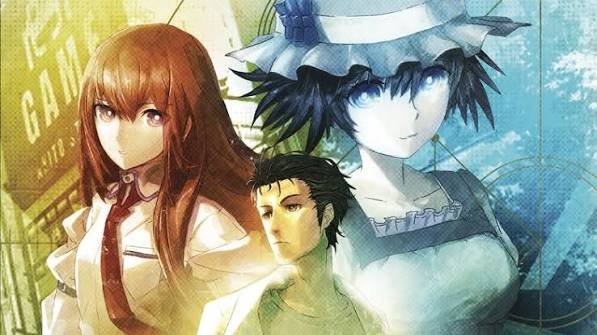
2. Steins;Gate (2011)
- Streaming Availability: Crunchyroll, Funimation
- Rating: MAL: 9.1
- Episodes: 24
- Studio: White Fox
- Notable Staff: Based on the visual novel by 5pb. and Nitroplus, directed by Hiroshi Hamasaki and Takuya Sato.
Plot Summary: Self-proclaimed “mad scientist” Rintaro Okabe and his friends accidentally discover a way to send text messages to the past, altering the present. Their experiments draw the attention of a shadowy organization, and Okabe must race against time to undo the changes and save the people he loves.
Similarities to Punch Line: While Steins;Gate is more mainstream, it is included because it is the gold standard for the “consequences of time travel” narrative that Punch Line also explores. Both series start with a lighthearted, comedic tone before descending into high-stakes psychological drama. The focus on cause and effect, the butterfly effect, and the emotional toll of altering the past are core themes in both.
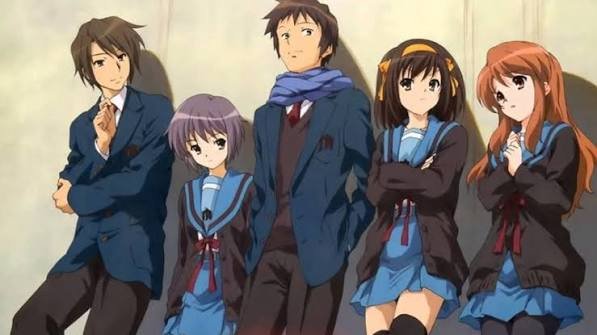
3. The Melancholy of Haruhi Suzumiya (2006)
- Streaming Availability: Crunchyroll, Funimation
- Rating: MAL: 7.8
- Episodes: 28
- Studio: Kyoto Animation
- Notable Staff: Based on the light novels by Nagaru Tanigawa.
Plot Summary: Kyon, a cynical high school student, is dragged into the world of the eccentric Haruhi Suzumiya, who is unknowingly a god-like being capable of altering reality. She forms the SOS Brigade to find aliens, time travelers, and espers, who turn out to be the other members of the club, all secretly monitoring her.
Similarities to Punch Line: Both series feature a protagonist who is an “ordinary” observer surrounded by extraordinary individuals. The non-linear storytelling and the gradual revelation of the true nature of the world are key similarities. The famous “Endless Eight” arc is a masterclass in the kind of repetitive, time-loop narrative that Punch Line employs, and both series use comedy to mask deeper existential questions.
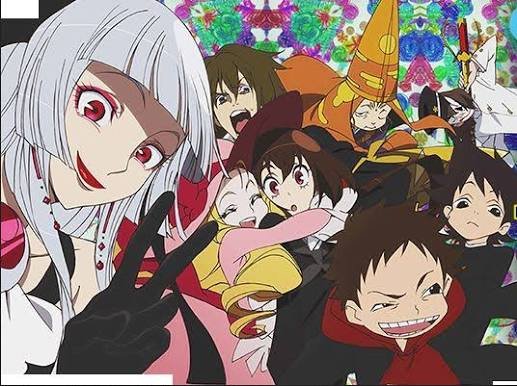
4. Kyousougiga (2013)
- Streaming Availability: Crunchyroll
- Rating: MAL: 8.0
- Episodes: 10
- Studio: Toei Animation
- Notable Staff: Directed by Rie Matsumoto, with original story by Izumi Todo.
Plot Summary: In a mirrored version of Kyoto, a young girl named Koto searches for her family, accompanied by her two brothers. The city is a chaotic, surreal place ruled by a monk and populated by strange creatures, and Koto’s arrival begins to unravel the fabric of this reality.
Similarities to Punch Line: Both are visually stunning, chaotic, and deeply emotional stories about family and the nature of reality. Kyousougiga is filled with absurdist humor and vibrant animation, but at its core is a touching story about a fractured family trying to find their way back to each other. The subversion of expectations—from wacky adventure to heartfelt drama—is a direct parallel to Punch Line.
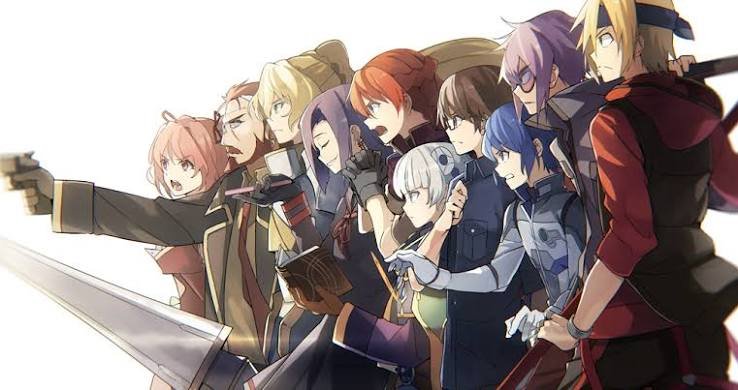
5. Re:Creators (2017)
- Streaming Availability: Amazon Prime Video
- Rating: MAL: 7.3
- Episodes: 22
- Studio: TROYCA
- Notable Staff: Directed by Ei Aoki (Fate/Zero), with original story by Rei Hiroe (Black Lagoon).
Plot Summary: Characters from various anime, manga, and video games are suddenly brought into the real world. They must come to terms with their existence as fictional creations and confront the “gods” who created them—the writers and artists of our world.
Similarities to Punch Line: Both series are deeply meta and self-aware, commenting on the nature of storytelling and the relationship between creator and creation. The characters in Re:Creators are forced to confront the fact that their lives, their traumas, and their very identities were designed for entertainment, a theme that resonates with the constructed nature of Punch Line‘s narrative. The focus is on dialogue and character interaction over action.
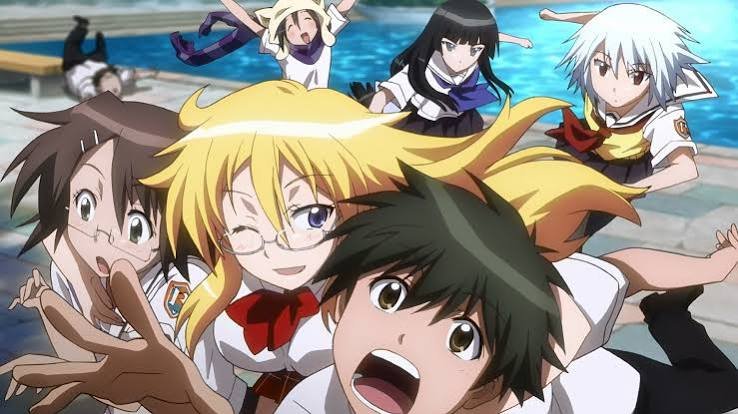
6. Ben-To (2011)
- Streaming Availability: Funimation
- Rating: MAL: 7.2
- Episodes: 12
- Studio: David Production
- Notable Staff: Based on the light novel series by Asaura.
Plot Summary: In a world where discounted boxed lunches (bento) are sold at half-price before closing, a secret war rages among students, salarymen, and other bargain hunters. They fight in organized brawls to claim the last remaining bento, adhering to a strict code of honor.
Similarities to Punch Line: The core similarity is the commitment to an utterly absurd premise. Ben-To takes the mundane act of buying discounted food and elevates it to a high-stakes martial arts drama with its own rules, lore, and power system. It is a hilarious and surprisingly engaging subversion of the battle shonen genre, proving that any premise can work if executed with sincerity and creativity, just like Punch Line.
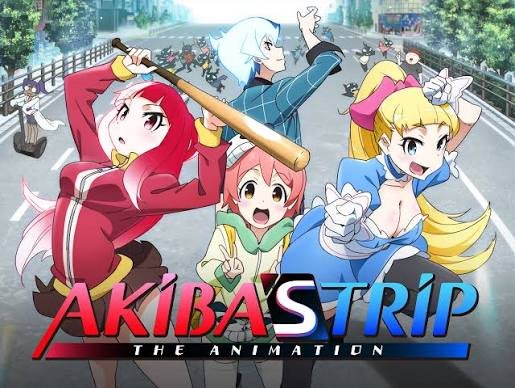
7. Akiba’s Trip: The Animation (2017)
- Streaming Availability: Crunchyroll, Funimation
- Rating: MAL: 6.6
- Episodes: 13
- Studio: Gonzo
- Notable Staff: Based on the video game series by Acquire.
Plot Summary: In Akihabara, a group of young people fights against vampire-like creatures called “Bugged Ones” who prey on otaku. Their only weakness is sunlight, which can only be exposed by stripping them of their clothes, leading to a series of comedic and ecchi battles.
Similarities to Punch Line: Both series use ecchi elements as a core mechanic of their power system. The “stripping” in Akiba’s Trip is not just fan service; it is a functional, comedic tool for defeating enemies. The series is a self-aware parody of otaku culture, embracing its ridiculousness with a straight face, much like Punch Line does with its panty-meteor premise. Both are far smarter than they appear on the surface.
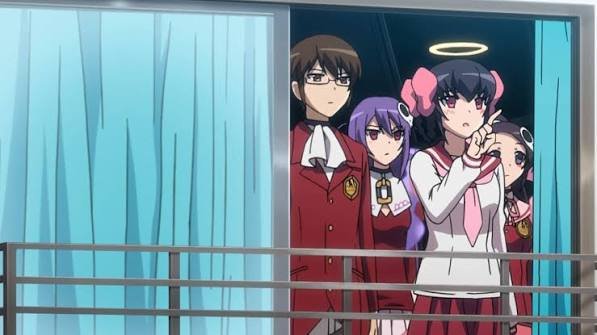
8. The World God Only Knows (Kami nomi zo Shiru Sekai) (2010)
- Streaming Availability: Crunchyroll
- Rating: MAL: 7.8
- Episodes: 12 (Season 1)
- Studio: Manglobe
- Notable Staff: Based on the manga by Tamiki Wakaki.
Plot Summary: Keima Katsuragi, a self-proclaimed “God of Conquest” in dating sims, is forced to use his gaming skills to capture the hearts of real girls who have been possessed by runaway spirits. If he fails, the spirits will consume their souls.
Similarities to Punch Line: Both are comedy series with a surprisingly deep emotional core. Keima, like Yuta, is an underdog protagonist who must use his wits rather than physical strength. The premise is built on a “game-like” power system with specific rules and conditions. As the series progresses, it moves beyond the episodic comedy to explore deeper themes of identity, loneliness, and the nature of love.
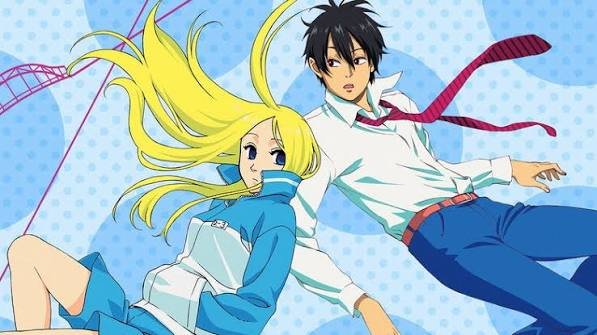
9. Arakawa Under the Bridge (2010)
- Streaming Availability: Crunchyroll, Funimation
- Rating: MAL: 7.6
- Episodes: 13 (Season 1)
- Studio: Shaft
- Notable Staff: Based on the manga by Hikaru Nakamura, directed by Akiyuki Shinbo.
Plot Summary: Kou Ichinomiya, a privileged young man who lives by a strict code of never being indebted to anyone, falls into the Arakawa River and is saved by a mysterious girl named Nino, who claims to be from Venus. To repay his debt, he must become her boyfriend and live with her under the bridge, surrounded by a community of eccentric misfits.
Similarities to Punch Line: Both series feature a protagonist who is thrust into a world of absurdity and must learn to adapt to its illogical rules. The under-the-bridge community is filled with characters who have rejected societal norms, much like the residents of the boarding house in Punch Line. The surreal, Shaft-styled presentation of Arakawa adds to its dreamlike, offbeat tone, and both series ultimately explore the theme of finding connection in unexpected places.
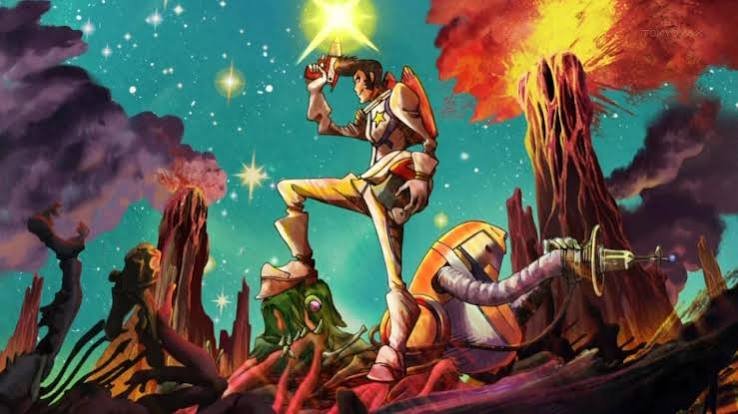
10. Space Dandy (2014)
- Streaming Availability: Crunchyroll, Funimation
- Rating: MAL: 7.8
- Episodes: 13 (Season 1)
- Studio: Bones
- Notable Staff: Directed by Shinichiro Watanabe (Cowboy Bebop), with a rotating cast of guest directors.
Similarities to Punch Line: Space Dandy is a series that thrives on subverting expectations. Each episode is a self-contained story that can range from hilarious comedy to philosophical drama to pure visual spectacle. The protagonist, Dandy, is a self-proclaimed “dandy guy in space” who is often out of his depth, an underdog who survives on luck and charm. The series is a celebration of animation and a testament to the idea that a show can be anything it wants to be.
Plot Summary: Dandy is a dandy guy in space, an alien hunter who travels the cosmos with his robot assistant QT and a cat-like alien named Meow. Each episode follows their misadventures as they encounter strange planets, bizarre aliens, and the occasional cosmic threat, often ending in their own deaths.
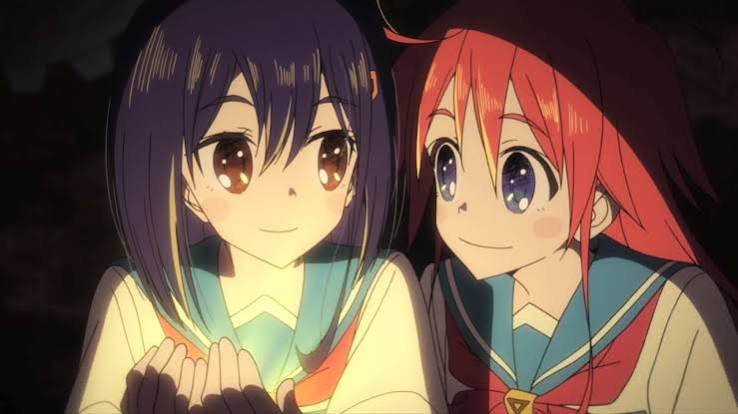
11. Flip Flappers (2016)
- Streaming Availability: Crunchyroll, Amazon Prime Video
- Rating: MAL: 7.4
- Episodes: 13
- Studio: Studio 3Hz
- Notable Staff: Directed by Kiyotaka Oshiyama, with original story by Yuniko Ayana.
Plot Summary: Cocona, a shy and indecisive girl, is dragged into the world of “Pure Illusion” by the energetic and mysterious Papika. Together, they explore surreal dreamscapes and collect magical fragments, all while uncovering the secrets of their own pasts and the organization they work for.
Similarities to Punch Line: Both series are vibrant, colorful, and deeply surreal. The “Pure Illusion” worlds are fantastical and ever-changing, much like the shifting realities of Punch Line. The core theme of two girls forming a bond and discovering their own identities through their adventures is central to both. Flip Flappers is a visual feast that uses its animation to explore themes of identity, trauma, and the power of imagination.
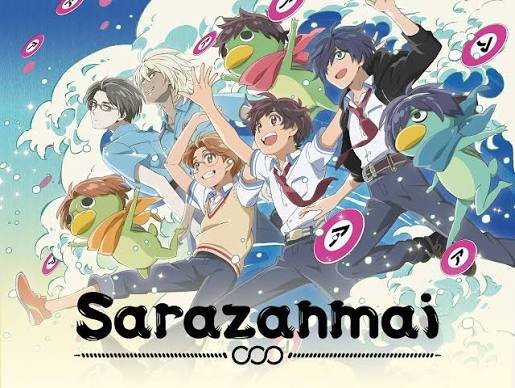
12. Sarazanmai (2019)
- Streaming Availability: Crunchyroll
- Rating: MAL: 7.1
- Episodes: 11
- Studio: MAPPA and Lapin Track
- Notable Staff: Directed by Kunihiko Ikuhara (Revolutionary Girl Utena, Mawaru Penguindrum).
Plot Summary: Three middle school boys are transformed into kappa by a mysterious prince and must collect the “shirikodama” (a mythical soul orb) of zombies to earn their humanity back. The process is both absurd and deeply symbolic, revealing their hidden desires and traumas.
Similarities to Punch Line: Both series are built on a foundation of absurd, almost nonsensical concepts that serve as metaphors for deeper psychological truths. The “kappa” transformation and the extraction of shirikodama are as bizarre as the panty-meteor, but they are used to explore themes of desire, connection, and the masks we wear. The repetitive, musical structure of Sarazanmai mirrors the cause-and-effect loops of Punch Line.
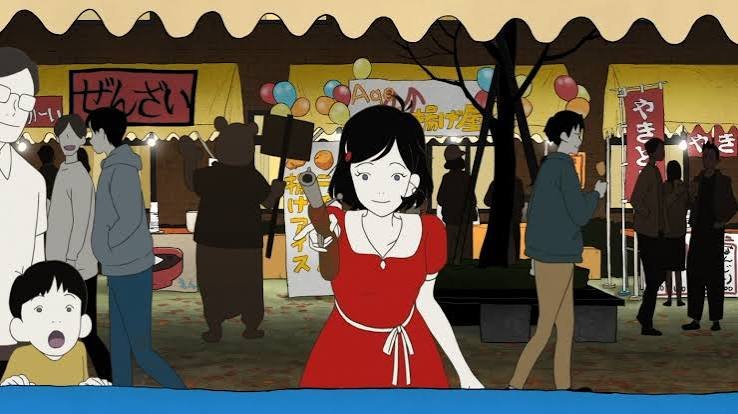
13. The Night is Short, Walk on Girl (Yoru wa Mijikashi Arukeyo Otome) (2017)
- Streaming Availability: Amazon Prime Video
- Rating: MAL: 8.3
- Episodes: 1 (Film)
- Studio: Science SARU
- Notable Staff: Directed by Masaaki Yuasa, based on the novel by Tomihiko Morimi.
Plot Summary: A young woman known only as “Otome” embarks on a wild, surreal night out in Kyoto, drinking, dancing, and meeting a cast of eccentric characters. Unbeknownst to her, her senior, “Senpai,” is trying to orchestrate a “coincidental” meeting with her throughout the night.
Similarities to Punch Line: Both are chaotic, fast-paced, and visually inventive stories that take place over a compressed period of time. The energy of the animation and the interconnectedness of seemingly random events are a direct parallel to the intricate plotting of Punch Line. It is a film about fate, coincidence, and the joy of living in the moment, themes that resonate with the time-travel narrative of Punch Line.
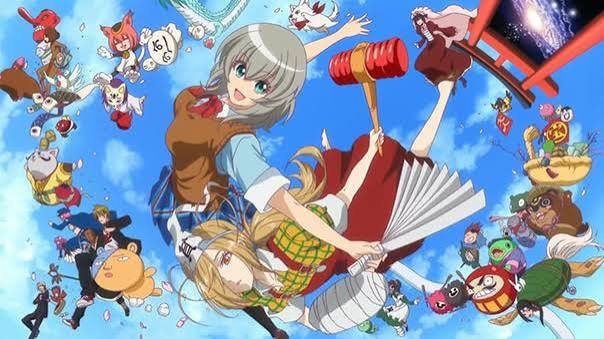
14. Good Luck Girl! (Binbougami ga!) (2012)
- Streaming Availability: Crunchyroll, Funimation
- Rating: MAL: 7.6
- Episodes: 13
- Studio: Sunrise
- Notable Staff: Based on the manga by Yoshiaki Sukeno.
Plot Summary: Ichiko Sakura is a beautiful, intelligent, and wealthy girl who has been blessed with an abundance of “happiness energy,” which she unknowingly drains from the people around her. A poverty god named Momiji is sent to strip her of this excess energy, leading to a series of comedic battles.
Similarities to Punch Line: Both are high-energy comedies that are far more clever than they appear. The power system—the balance of happiness and poverty energy—is a creative and funny concept. The show is packed with references and parodies, much like Punch Line, and both series feature a protagonist who must learn to become less selfish and more aware of the needs of others. The comedic timing and visual gags are a strong match.
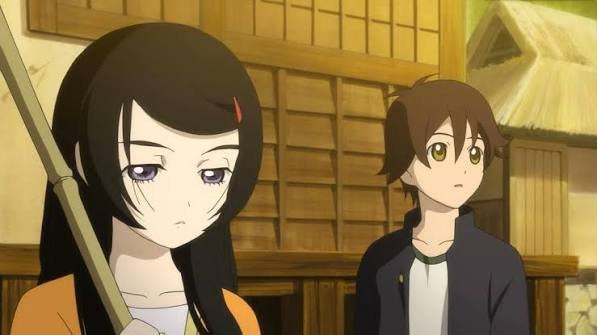
15. Ghost Hound (2007)
- Streaming Availability: Amazon Prime Video, HiDive
- Rating: MAL: 7.0
- Episodes: 22
- Studio: Production I.G.
- Notable Staff: Created by Masamune Shirow (Ghost in the Shell), directed by Ryutaro Nakamura (Serial Experiments Lain).
Plot Summary: Three high school boys who have all experienced past traumas begin to have out-of-body experiences. They use this phenomenon to explore the “Unseen World” and investigate a mysterious case from their past connected to a local religious cult.
Similarities to Punch Line: The core similarity is the exploration of the “unseen world” and the ability of a spirit to interact with the living world. Yuta’s existence as a spirit is the central premise of Punch Line, and Ghost Hound explores a similar concept with a more serious, psychological tone. Both series are about characters trying to understand their pasts and find closure, using supernatural means to do so.
Why These Anime Work for Punch Line Fans
Fans of Punch Line are drawn to stories that are unafraid to be weird, that trust their audience to follow a complex, non-linear narrative, and that ultimately reward patience with emotional depth. They appreciate a good joke, but they also appreciate a well-crafted plot where every detail matters. They are looking for shows that subvert the tropes of anime, not just replicate them.
The anime listed above all share this fundamental DNA:
- Power Systems Built on Absurdity: Whether it’s the panty-meteor, the bento brawls, or the shirikodama extraction, these series understand that a unique and creative power system can be the hook for a much deeper story. The rules are often comedic, but they are always consistent and meaningful.
- The Ultimate Underdogs: Yuta is a disembodied spirit who cannot even get excited without causing a disaster. Similarly, the protagonists of these series are often outmatched, outclassed, or simply confused. Their struggle is not to become the strongest, but to simply understand their situation and survive it.
- Subversion of Expectations: These series are all about misleading the audience. They present as ecchi comedies, silly parodies, or wacky adventures, only to reveal hidden depths of emotional complexity and narrative sophistication. They understand that the best way to surprise an audience is to first make them laugh.
These 15 anime, like Punch Line, are proof that a ridiculous premise is not a barrier to greatness. They are underrated gems that offer a unique blend of comedy, creativity, and genuine emotional weight for viewers who are willing to look beyond the surface.