Zetsuen no Tempest (Blast of Tempest) is a masterful blend of Shakespearean drama, intricate mystery, and high-stakes magical conflict. The story follows Yoshino Takigawa and Mahiro Fuwa, two teenagers whose quest to uncover the truth behind the murder of Mahiro’s sister, Aika, becomes entangled with a world-ending crisis. They find themselves caught between two opposing magical factions: the Kusaribe clan, who seek to resurrect the destructive “Tree of Exodus,” and the mysterious mage Hakaze, who is trying to stop them.
The series is defined by its core themes: a power system rooted in logic, philosophy, and ancient lore, where battles are won through intellect as much as magical might. The protagonists are quintessential underdogs, armed only with their wits, determination, and a deep bond forged by shared loss. Zetsuen no Tempest brilliantly subverts expectations by weaving Shakespeare’s The Tempest and Hamlet into its narrative structure, creating a story where the line between protagonist and antagonist, hero and villain, is constantly blurred. It is a thinking person’s action anime, filled with philosophical debates and shocking twists.
For fans of Zetsuen no Tempest, finding similar anime can be a challenge. The series occupies a unique space—part revenge tragedy, part apocalyptic thriller, part intellectual chess match. Yet, many underrated series share its core DNA: a focus on intellectual battles, protagonists driven by grief or a desire for truth, and a willingness to subvert genre conventions in service of a larger, more meaningful narrative. These shows deserve far more attention for their ambition, their narrative complexity, and their refusal to take the easy path.
Here are 15 underrated anime that capture the spirit of Zetsuen no Tempest.
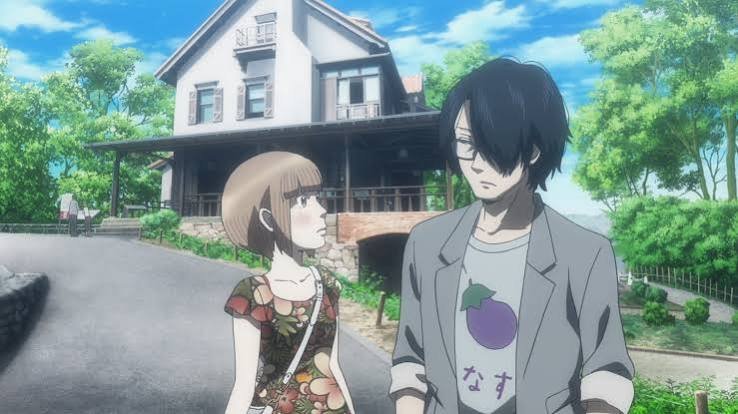
1. The Perfect Insider (Subete ga F ni Naru) (2015)
- Streaming Availability: Crunchyroll
- Rating: MAL: 7.1
- Episodes: 11
- Studio: A-1 Pictures
- Notable Staff: Based on the award-winning novel by Hiroshi Mori.
Plot Summary: Brilliant professor Sohei Saikawa and his student Moe Nishinosono travel to a remote island research facility, only to be trapped there when a murder occurs. The central mystery involves the facility’s enigmatic genius, Dr. Magata Shiki, who has lived in isolation for fifteen years.
Similarities to Zetsuen no Tempest: Both series are intellectual chess matches, driven by dialogue and deduction rather than action. The protagonists are brilliant but flawed individuals trying to solve a seemingly impossible mystery. The philosophical debates between characters about life, death, and the nature of genius are a direct parallel to the lengthy, engaging discussions in Zetsuen no Tempest.
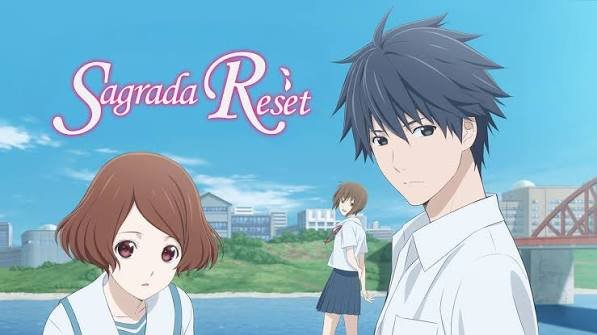
2. Sagrada Reset (Sakurada Reset) (2017)
- Streaming Availability: Crunchyroll
- Rating: MAL: 7.4
- Episodes: 24
- Studio: David Production
- Notable Staff: Directed by Shinya Kawatsura, with composition by Katsuhiko Takayama.
Plot Summary: In the town of Sakurada, where almost everyone has a unique ability, Kei Asai has the power to remember everything he sees and hears. Together with Misora Haruki, who can reset time up to three days, they solve cases for the town’s “Service Club” and uncover the truth behind their powers.
Similarities to Zetsuen no Tempest: Both series feature a power system with hard, logical rules that characters must exploit strategically. The focus is on cause and effect, with every action having consequences. Like Yoshino, Kei is a stoic, analytical protagonist who relies on his intellect to unravel complex mysteries. The philosophical undertones and deliberate pacing are a perfect match.
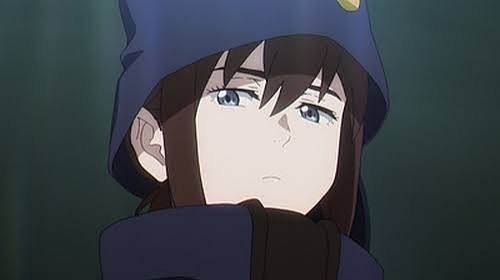
3. Boogiepop and Others (2019)
- Streaming Availability: Crunchyroll, Funimation
- Rating: MAL: 7.0
- Episodes: 18
- Studio: Madhouse
- Notable Staff: Based on the influential light novel series by Kouhei Kadono.
Plot Summary: The story is told in a non-linear fashion, revolving around Boogiepop, a rumored shinigami who appears to “save” people from a world of pain, and the various strange supernatural events and characters that plague a single city. The narrative weaves together multiple perspectives to reveal a larger, interconnected mystery.
Similarities to Zetsuen no Tempest: Both series are complex, non-linear puzzle boxes that demand the audience’s full attention. They share a cold, analytical tone and a focus on the philosophical implications of their supernatural events. The narrative structure, which reveals information piece by piece from different perspectives, is very similar, creating a sense of mystery that keeps the viewer guessing until the very end.
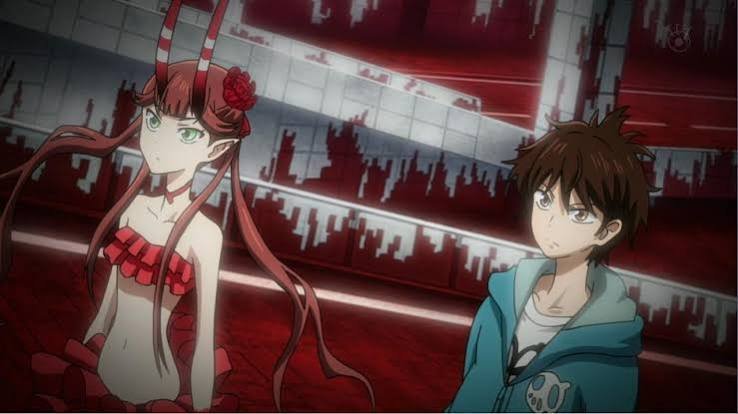
4. C: The Money of Soul and Possibility Control (2011)
- Streaming Availability: Funimation
- Rating: MAL: 7.1
- Episodes: 11
- Studio: Tatsunoko Production
- Notable Staff: Directed by Kenji Nakamura (Mononoke).
Plot Summary: Kimimaro Yoga, a poor economics student, is drawn into the “Financial District,” a supernatural realm where individuals must use their “future” as collateral to enter battles called “Deals.” Winning means gaining wealth, but losing means losing one’s future and potentially their life.
Similarities to Zetsuen no Tempest: Both series feature a power system that is abstract, complex, and tied to philosophical concepts. In C, it is economics and the value of one’s future; in Zetsuen no Tempest, it is logic and the will of the world tree. The protagonists are underdogs forced into a system they don’t understand, fighting to protect what they hold dear while questioning the very rules of the game.
5. From the New World (Shinsekai Yori) (2012)
- Streaming Availability: Crunchyroll, Amazon Prime Video
- Rating: MAL: 8.3
- Episodes: 25
- Studio: A-1 Pictures
- Notable Staff: Based on the award-winning novel by Yusuke Kishi.
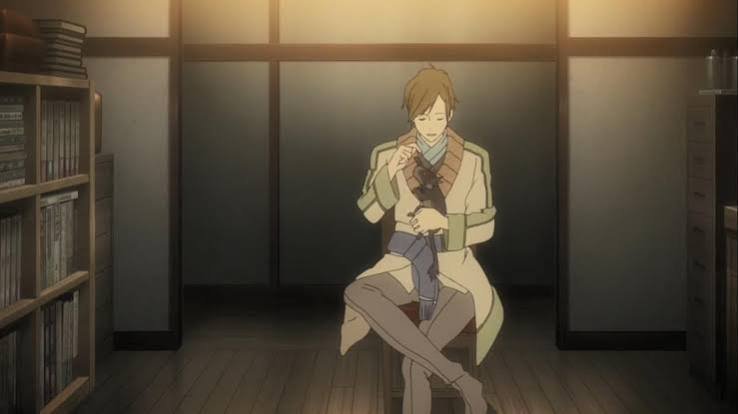
Plot Summary: A thousand years after humanity develops psychic powers called Cantus, a group of children in a seemingly utopian village begins to uncover the horrifying truths their society is built upon. They learn the terrible price of their peaceful existence and the fate of those who cannot control their powers.
Similarities to Zetsuen no Tempest: Both are sweeping, ambitious narratives that explore the dark side of power and the societal structures built around it. The slow-burn mystery structure, where the protagonists gradually uncover a hidden truth about their world, is a core similarity. Both series also feature a sense of impending doom and the feeling that the characters are pawns in a much larger game.
6. Mononoke (2007)
- Streaming Availability: Crunchyroll, Amazon Prime Video
- Rating: MAL: 8.4
- Episodes: 12
- Studio: Toei Animation
- Notable Staff: Directed by Kenji Nakamura (C: The Money of Soul and Possibility Control).
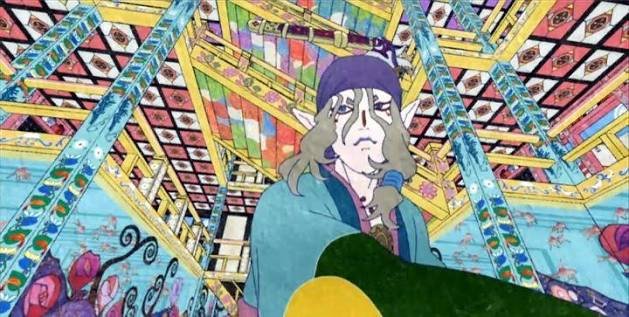
Plot Summary: A mysterious figure known only as the “Medicine Seller” travels feudal Japan, exorcising malevolent spirits called Mononoke. To do so, he must first uncover the spirit’s Form (Katachi), Truth (Makoto), and Regret (Kotowari), a process that requires intense psychological investigation.
Similarities to Zetsuen no Tempest: The core of both series is intellectual deduction. The Medicine Seller cannot simply destroy a Mononoke; he must understand it completely. Similarly, the characters in Zetsuen no Tempest must understand the logic of the magical system and the motivations of their enemies to succeed. The unique, highly stylized animation of Mononoke is a visual feast that mirrors the narrative’s complexity.
7. Ergo Proxy (2006)
- Streaming Availability: Crunchyroll, Amazon Prime Video
- Rating: MAL: 7.9
- Episodes: 23
- Studio: Manglobe
- Notable Staff: Directed by Shukou Murase (Witch Hunter Robin).
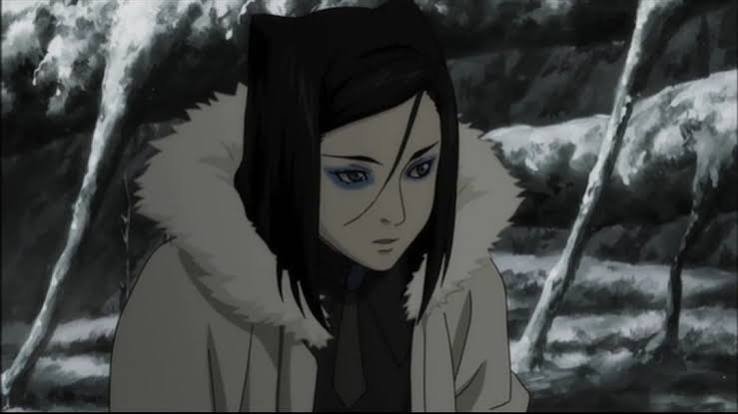
Plot Summary: In a post-apocalyptic domed city, an inspector and an immigrant android investigate a series of murders linked to a mysterious entity known as “Proxy.” Their journey takes them into the desolate outside world, where they confront questions about their own existence and the nature of their reality.
Similarities to Zetsuen no Tempest: Both series are dense, atmospheric, and unapologetically philosophical. They are slow-burn mysteries where the answers only lead to more profound questions. The intellectual protagonists, the brooding atmosphere, and the exploration of themes like identity, purpose, and the nature of reality are a strong match for the tone of Zetsuen no Tempest.
8. Katanagatari (2010)
- Streaming Availability: Not currently available on major platforms.
- Rating: MAL: 8.4
- Episodes: 12 (each episode is 50 minutes long)
- Studio: White Fox
- Notable Staff: Based on the light novel by Nisio Isin (Monogatari series), directed by Keitaro Motonaga.
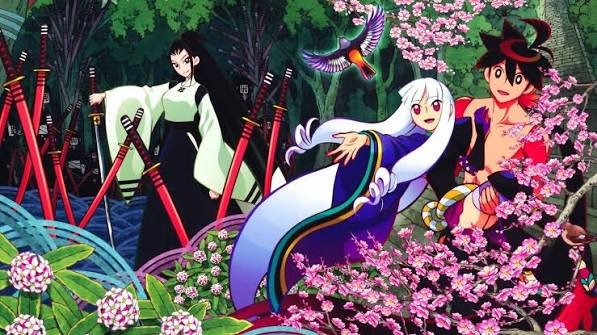
Plot Summary: Strategist Togame recruits the martial artist Shichika Yasuri to help her collect twelve legendary “Deviant Blades.” Their journey across a stylized version of Edo-era Japan is filled with battles, intrigue, and the gradual development of their unique bond.
Similarities to Zetsuen no Tempest: Both series are heavily dialogue-driven, with long conversations that reveal character and advance the plot. The focus is on strategy and understanding the opponent, rather than raw power. The episodic structure of collecting swords mirrors the chapter-based structure of Zetsuen no Tempest, and both feature a central duo whose relationship is the heart of the story.
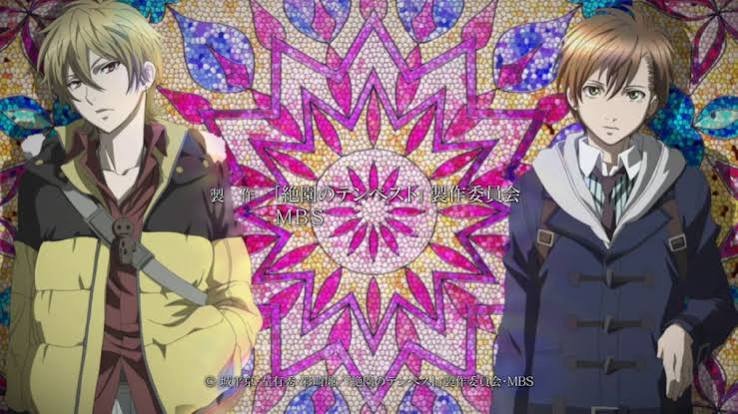
9. Blast of Tempest: The Civilization Blaster (Zetsuen no Tempest: The Civilization Blaster) (2013)
- Streaming Availability: Not currently available on major platforms.
- Rating: MAL: 7.2
- Episodes: 1 (OVA)
- Studio: Bones
- Notable Staff: Directed by Masahiro Ando, based on the manga by Kyou Shirodaira.
Plot Summary: This is a special OVA episode that serves as an epilogue to the main Zetsuen no Tempest series. It explores the aftermath of the conflict and provides additional closure for the characters, showing them navigating a world that has been permanently changed.
Similarities to Zetsuen no Tempest: As a direct continuation, this OVA naturally shares the same themes, characters, and narrative style. It is underrated simply because it is often overlooked or unknown to fans of the main series. It provides a satisfying and necessary conclusion, further exploring the philosophical implications of the story’s events and the characters’ emotional states.
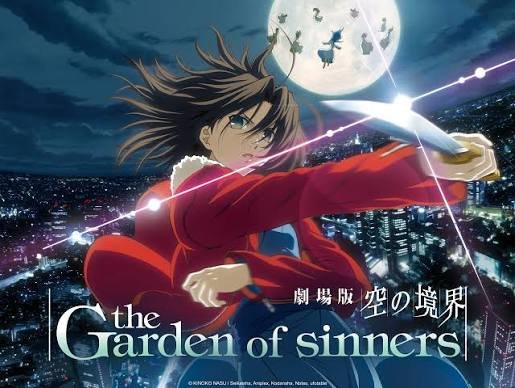
10. The Garden of Sinners (Kara no Kyoukai) (2007)
- Streaming Availability: Crunchyroll
- Rating: MAL: 8.2 (for the first film)
- Episodes: 7 films + OVA + sequel film
- Studio: ufotable
- Notable Staff: Based on the light novels by Kinoko Nasu (Fate/stay night), directed by Ei Aoki.
Plot Summary: A series of interconnected films that follow Shiki Ryougi, a girl with the ability to see and cut the “lines of death,” and Mikiya Kokutou, a kind and determined young man who loves her. They become involved in a series of supernatural mysteries involving magic, murder, and the nature of reality.
Similarities to Zetsuen no Tempest: Both are dark, philosophical, and non-linear stories about individuals with extraordinary powers investigating supernatural mysteries. The relationship between Shiki and Mikiya, built on understanding and acceptance, mirrors the bond between Yoshino and Mahiro. The series is a masterclass in atmospheric storytelling, with a focus on psychological depth and intellectual mystery.
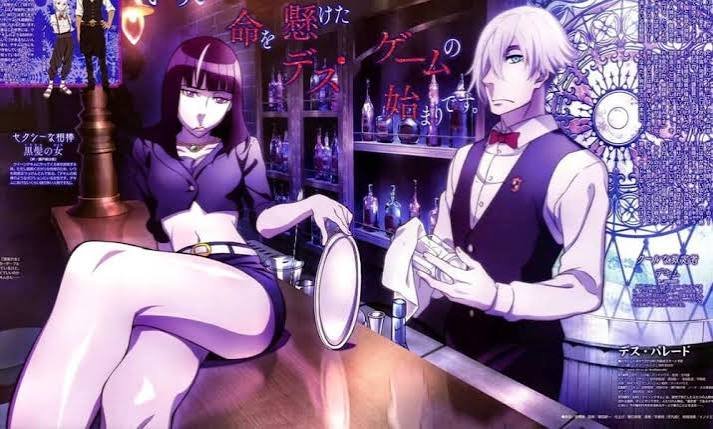
11. Death Parade (2015)
- Streaming Availability: Crunchyroll, Funimation
- Rating: MAL: 8.0
- Episodes: 12
- Studio: Madhouse
- Notable Staff: Directed by Yuzuru Tachikawa, with original concept by Yuzuru Tachikawa.
Plot Summary: After death, souls are sent to the Quindecim bar, where the arbiter Decim must judge them by having them play a game that reveals their deepest secrets and true nature. The outcome determines whether the soul is reincarnated or sent to the void.
Similarities to Zetsuen no Tempest: Both series use a game-like structure to explore the depths of human nature. The “games” in Death Parade are psychological battles, similar to the intellectual and magical duels in Zetsuen no Tempest. Both are deeply philosophical, questioning the nature of judgment, morality, and what it means to be human.
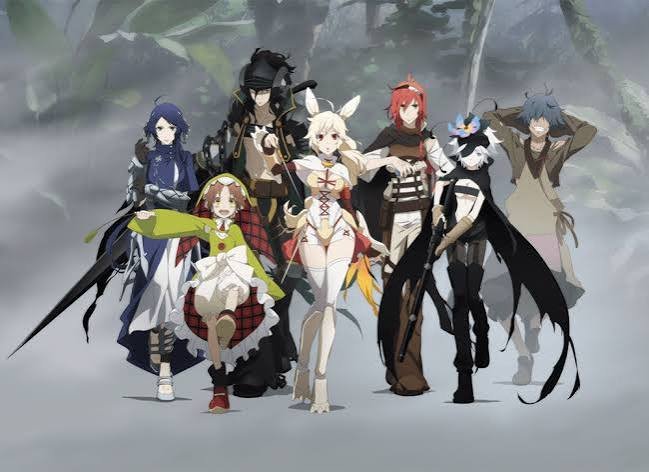
12. Rokka no Yuusha (Rokka: Braves of the Six Flowers) (2015)
- Streaming Availability: Crunchyroll
- Rating: MAL: 7.3
- Episodes: 12
- Studio: Passione
- Notable Staff: Based on the light novel series by Ishio Yamagata.
Plot Summary: When the Demon God awakens, six heroes bearing the mark of the “Braves of the Six Flowers” are destined to gather and save the world. However, when seven heroes arrive at the meeting point, they realize one of them is an impostor, and they must uncover the traitor before it is too late.
Similarities to Zetsuen no Tempest: This is a mystery at its core, disguised as a fantasy action series. Like Zetsuen no Tempest, the focus is on deduction, logic, and trust. The heroes are forced into a confined space, and the tension comes from the psychological battle to identify the traitor. The subversion of the classic “chosen hero” trope is a direct parallel to the morally ambiguous characters in Zetsuen no Tempest.
13. Gosick (2011)
- Streaming Availability: Crunchyroll, Funimation
- Rating: MAL: 7.7
- Episodes: 24
- Studio: Bones
- Notable Staff: Based on the light novel series by Kazuki Sakuraba, directed by Hitoshi Nanba.
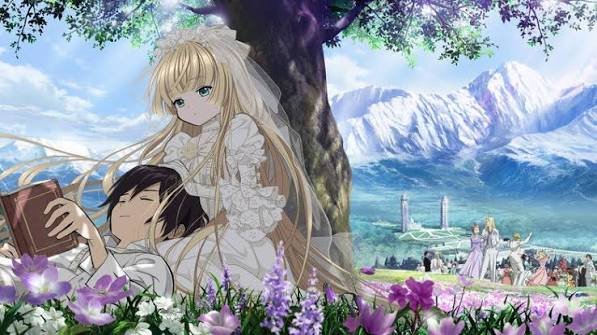
Plot Summary: In a fictional European country, Japanese exchange student Kazuya Kujo meets Victorique, a brilliant and mysterious girl who spends her days in the library. Together, they solve a series of mysteries that eventually lead them to uncover a dark conspiracy involving their country’s history.
Similarities to Zetsuen no Tempest: Both series feature a brilliant, isolated female character (Hakaze and Victorique) who is central to solving the central mystery. The dynamic between the intelligent girl and the more ordinary boy is a key element. The mysteries are complex and often tie into larger, world-altering events, and the series shares a similar blend of intellectual deduction and emotional drama.
14. Noein: To Your Other Self (2005)
- Streaming Availability: Crunchyroll
- Rating: MAL: 7.5
- Episodes: 24
- Studio: Satelight
- Notable Staff: Directed by Kazuki Akane (Escaflowne), with character designs by Satoshi Kon.
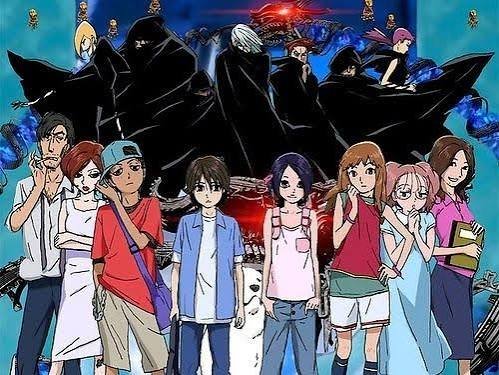
Plot Summary: In a future timeline, a devastating war is being fought across multiple dimensions. A group of time-traveling warriors called the Dragon Knights arrive in the present, seeking a mysterious object known as the “Dragon’s Torque,” which is connected to a young girl named Haruka.
Similarities to Zetsuen no Tempest: Both series involve a conflict that spans time and space, with the actions of the present having profound consequences for the future. The complex, multi-dimensional plot and the philosophical questions about fate, free will, and determinism are a strong match. The underdog protagonists are caught in a conflict far larger than themselves, and they must rely on their wits and the power of their bonds to survive.
15. Mawaru Penguindrum (2011)

- Streaming Availability: Crunchyroll, HiDive
- Rating: MAL: 8.0
- Episodes: 24
- Studio: Brain’s Base
- Notable Staff: Directed by Kunihiko Ikuhara (Revolutionary Girl Utena), with original story by Ikuhara.
Plot Summary: Two brothers, Kanba and Shoma, are given a mysterious penguin hat that can save their dying sister Himari, but only if they find the “Penguindrum.” Their quest is filled with surreal symbolism, social commentary, and the gradual unraveling of their family’s dark past.
Similarities to Zetsuen no Tempest: Both series are heavily symbolic and open to multiple interpretations. They use references to literature and mythology (Shakespeare in Zetsuen no Tempest, Japanese history and fairy tales in Penguindrum) to enrich their narratives. The focus is on family, fate, and the sacrifices one is willing to make for loved ones, creating a deeply emotional and intellectually stimulating experience.
Why These Anime Work for Zetsuen no Tempest Fans
Fans of Zetsuen no Tempest are drawn to stories that are intellectually engaging, emotionally resonant, and narratively ambitious. They appreciate a good mystery that unfolds slowly, characters who grow and change in response to trauma, and a story that is not afraid to ask difficult questions about fate, free will, and the nature of justice.
The anime listed above all share this fundamental DNA:
- Intellectual Power Systems: Whether it’s the logical magic of Sakurada Reset, the psychological deduction of Rokka no Yuusha, or the economic battles of C, these series treat their supernatural elements as systems to be understood and exploited, not just tools for spectacle.
- The Underdog’s Quest: The protagonists are rarely the most powerful or the “chosen ones.” They are often ordinary people thrust into extraordinary circumstances, driven by grief, loyalty, or a simple desire for the truth. Their victories are hard-won and meaningful.
- Subversion of Expectations: These series refuse to follow formula. Zetsuen no Tempest blends Shakespeare with an apocalyptic thriller, Penguindrum wraps social commentary in surrealism, and Shinsekai Yori turns a utopia into a horror story. They are ambitious, thought-provoking, and deeply rewarding for viewers who are willing to invest their full attention.
These 15 anime, like Zetsuen no Tempest, understand that the greatest battles are often fought with the mind, and the most profound mysteries are the ones we find within ourselves. They are underrated gems that offer rich, complex, and unforgettable experiences for the discerning viewer.