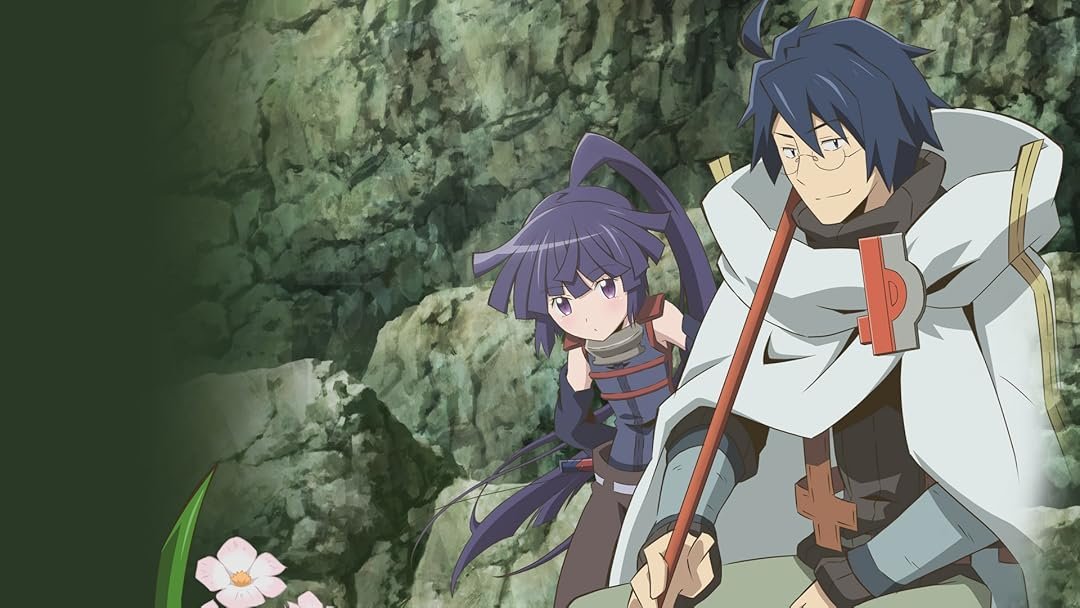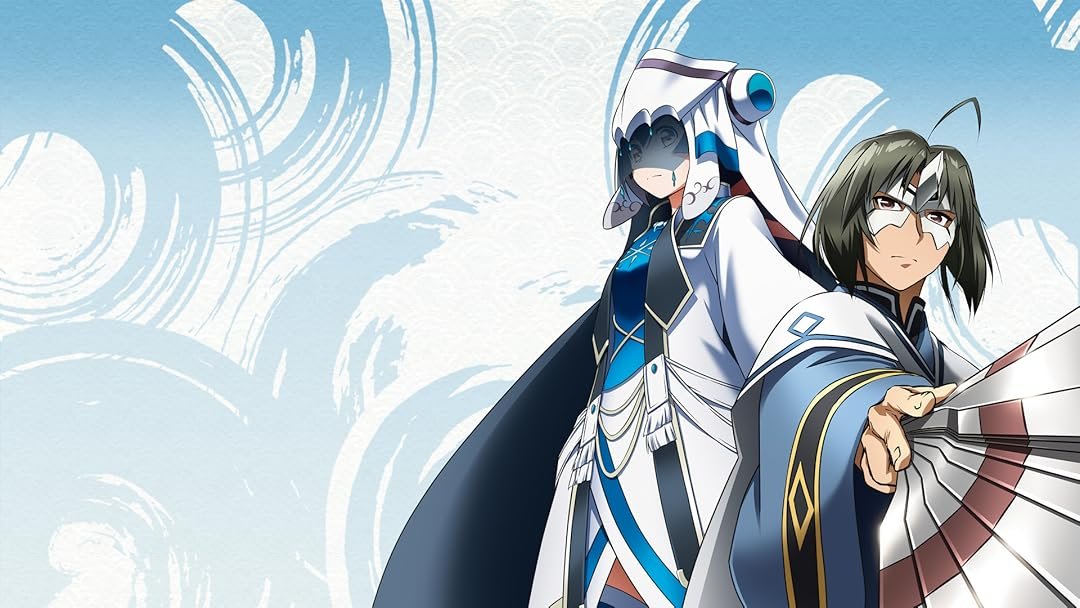
Hamatora: The Animation follows Nice, a Minimum Holder with supersonic speed, and his detective agency solving cases in Yokohama involving supernatural abilities called Minimums. The series delves into themes of power inequality, friendship, human values, and the ethics of superhuman gifts.
This curated collection of 25 quotes captures pivotal moments, character growth, and emotional depth across arcs, blending intense battles with reflective peace.

I just think we’re missing out if we’re not trying different things and having fun. Life’s too short
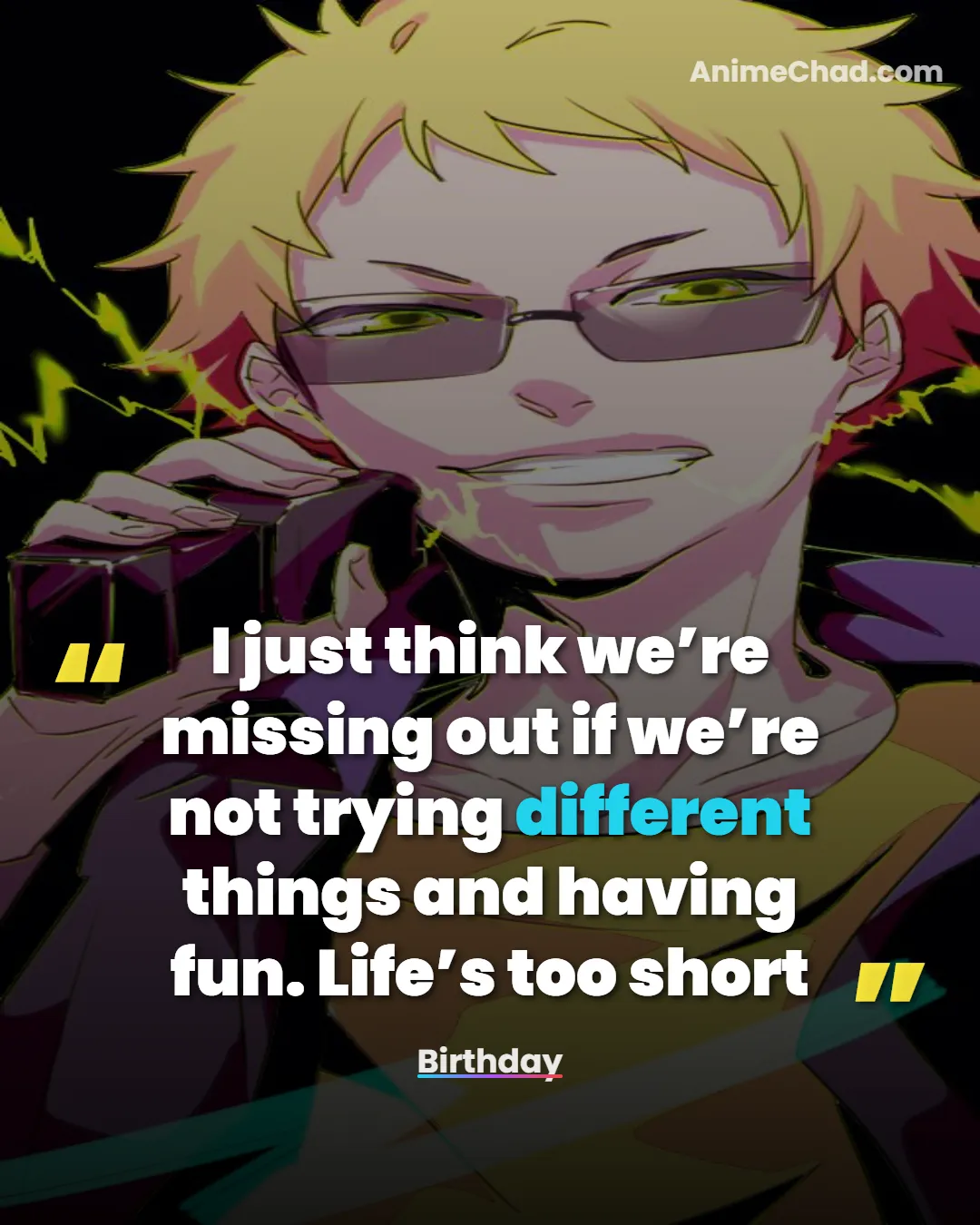
Episode 1 (Egg of Columbus)
Birthday
Light-hearted agency banter highlights living fully amid dangers, setting tone for carefree bonds.
If providing people with what they desire is a sin, then all mothers are sinners, and the world is bereft of love
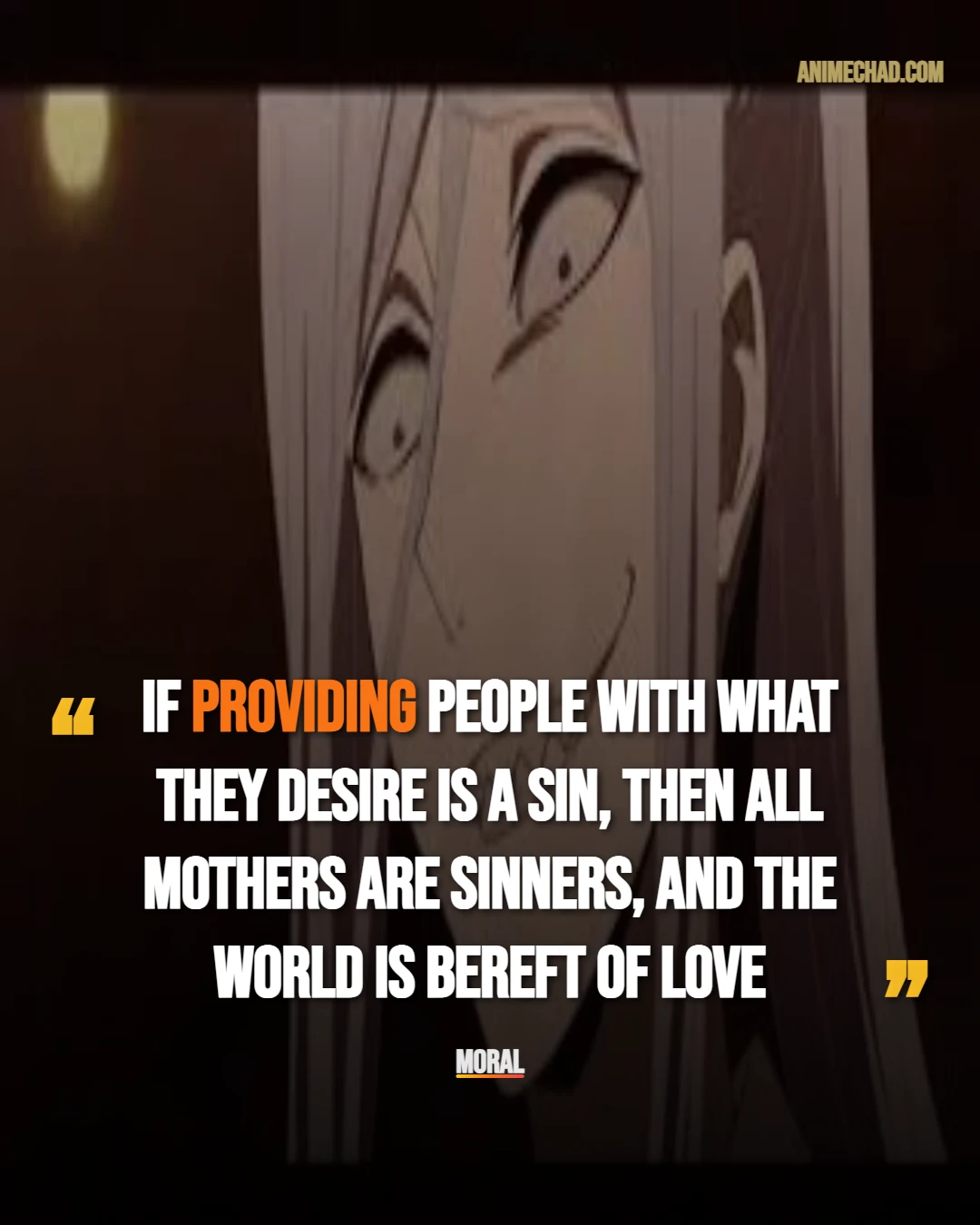
Episode 7 (The Blood-Soaked Bitter Melon)
Moral
Moral’s twisted philosophy justifies granting powers, revealing his delusional equality quest in climactic betrayal.
All human beings can only perceive the world through the filter of their values. Mediocre values may be harmless, but they are also utterly worthless
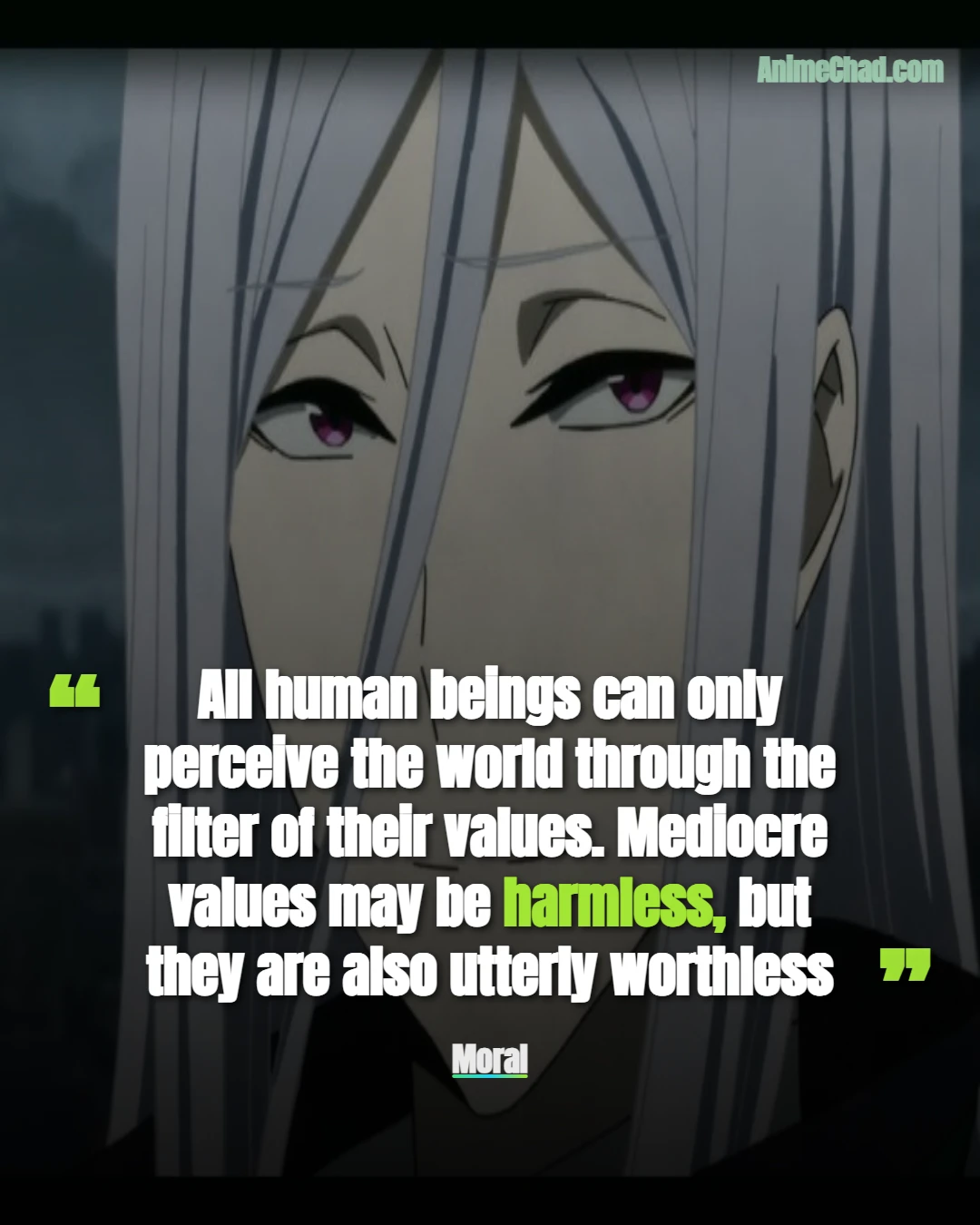
Episode 10 (The Appropriate Number)
Moral
Critiques societal complacency, underscoring series theme of power defining worth during antagonist confrontation.
The weak can never break out of their own mold. They cry piteously within their cells, while they try to kick down anyone who strives to break free
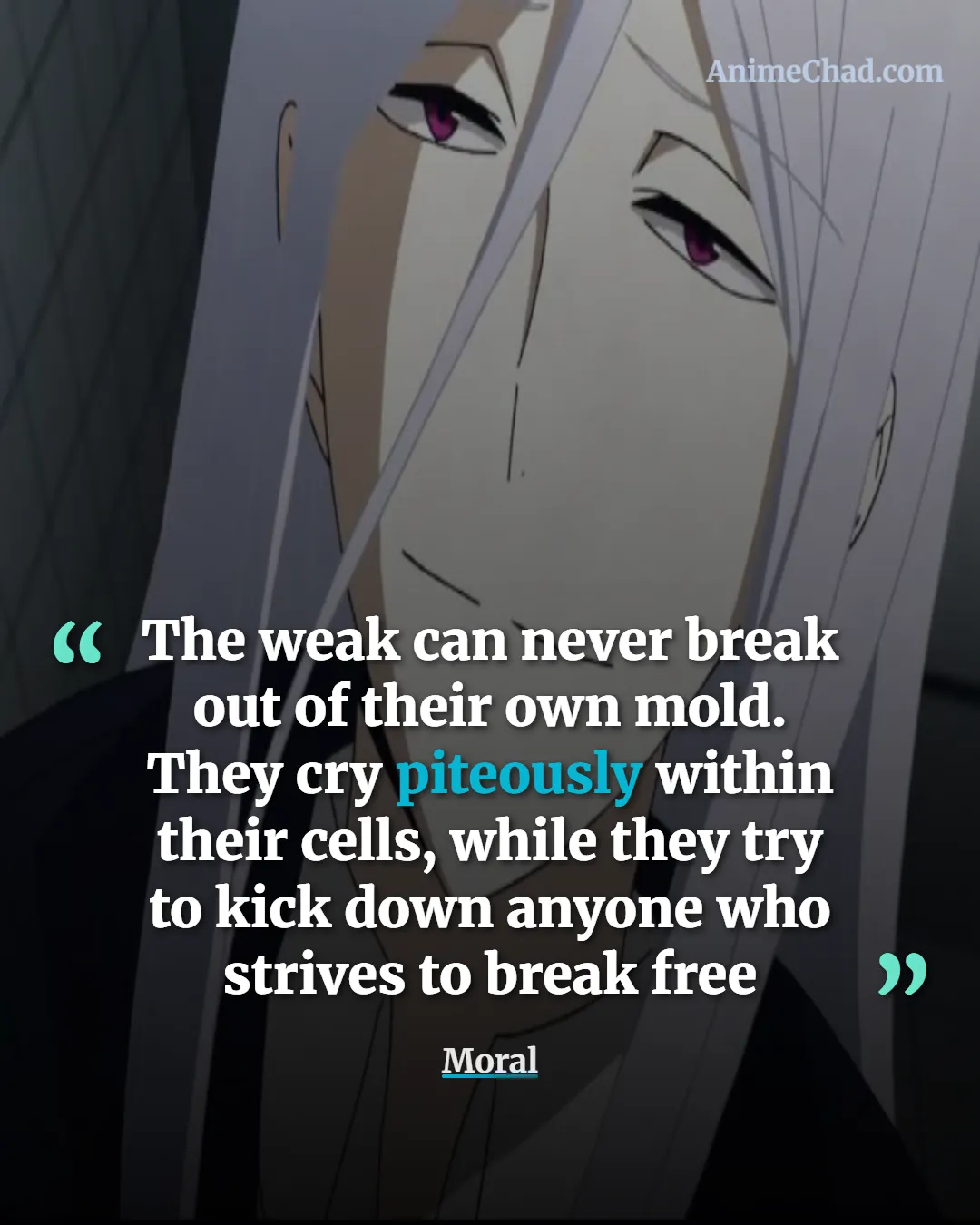
Episode 11 (Egoistic Thorn)
Moral
Mocks the powerless, fueling central conflict on Minimum superiority in escalating battle arc.
Sometimes, I just think… this world has surpassed its capacity. It’s overflowing. Our day-to-day lives are replete with both happiness and misfortune. Yet, because we cannot see the excess from the inside, we still feel unfulfilled
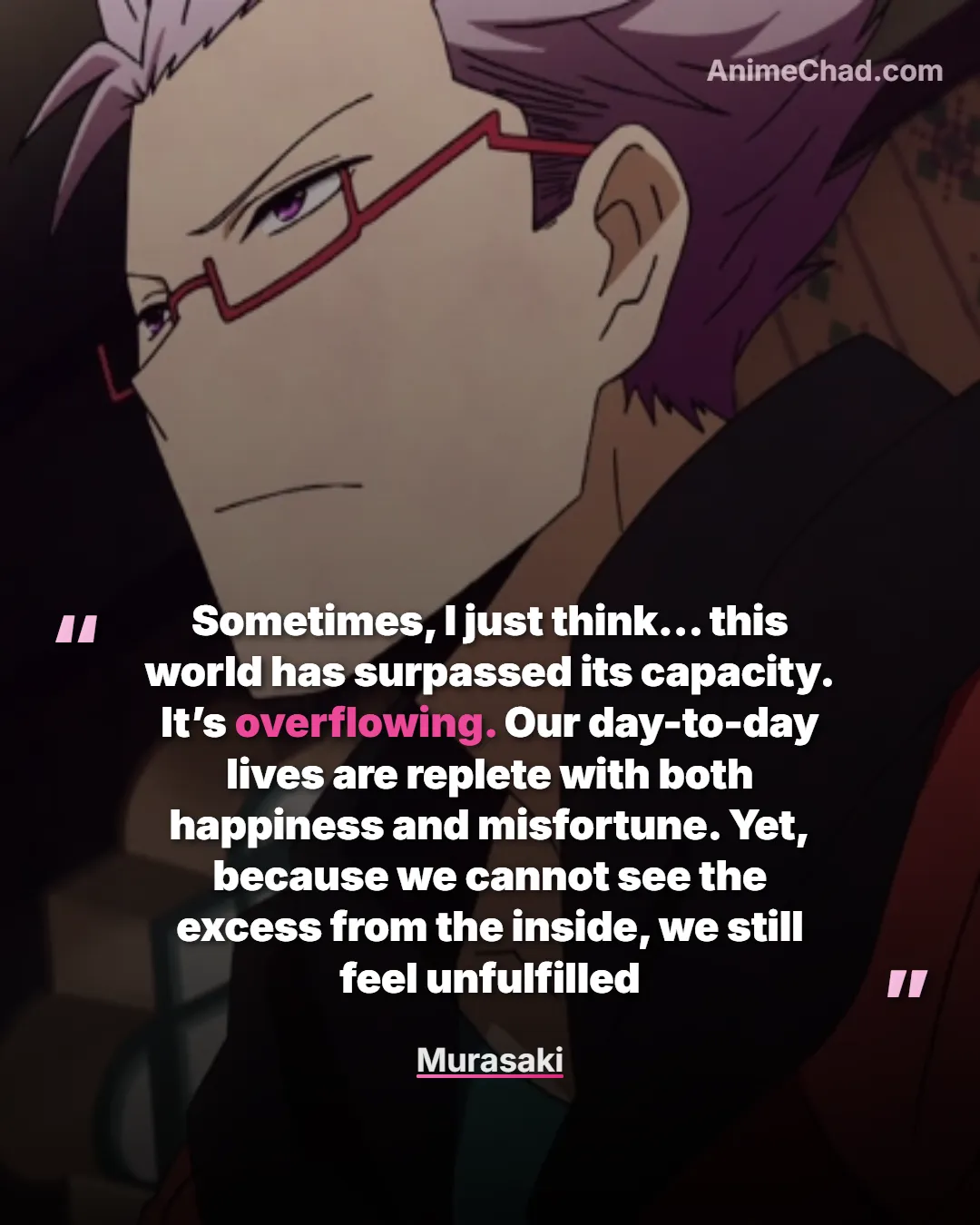
Episode 3 (Those with and Those Without)
Murasaki
Philosophical musing during peaceful downtime reveals Nice’s inner isolation, marking early character depth.
Feelings aren’t black and white. Even if they’re fuzzy and contradictory, if they’re sincere, they are what they are
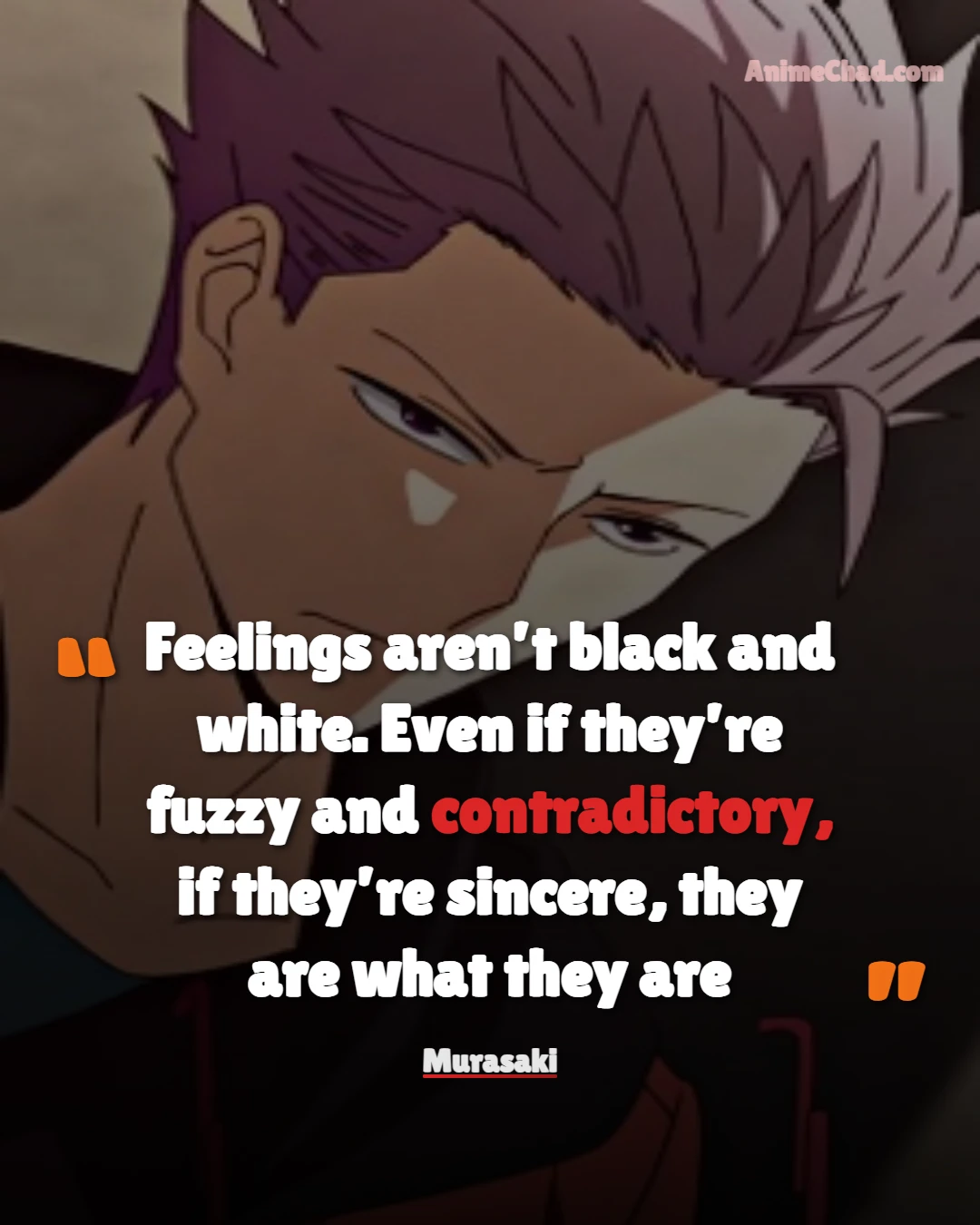
Episode 5 (Sweat, Muscles and Me)
Murasaki
Affirms emotional complexity post-battle, showing growth from rigid Facultas mindset to empathy.
You chose to go with the flow and you think that doesn’t make you guilty?
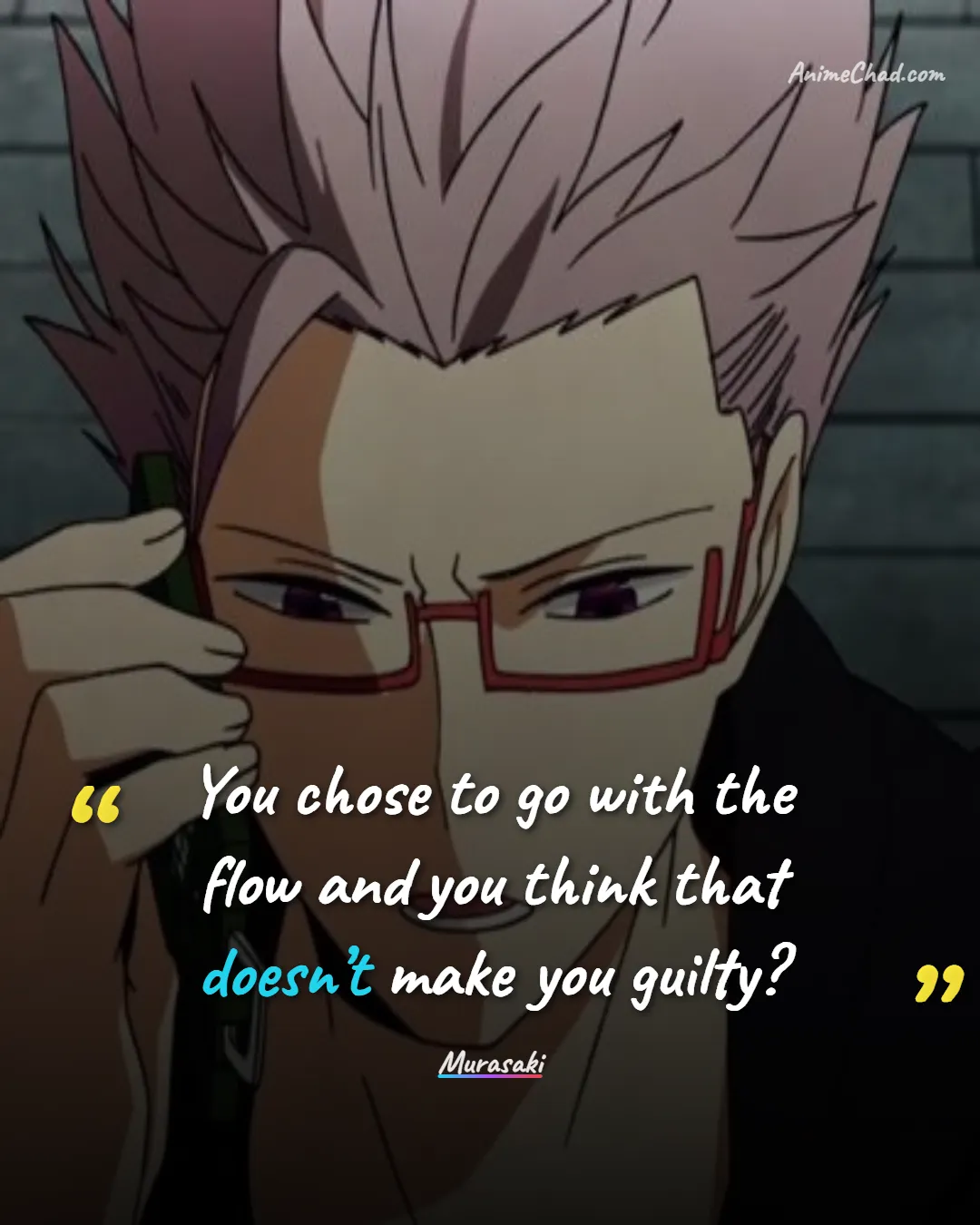
Episode 4 (The Wandering Totem Pole)
Murasaki
Confronts moral cowardice in client case, highlighting personal accountability theme.
People like you disgust me. You can’t even face your own weakness
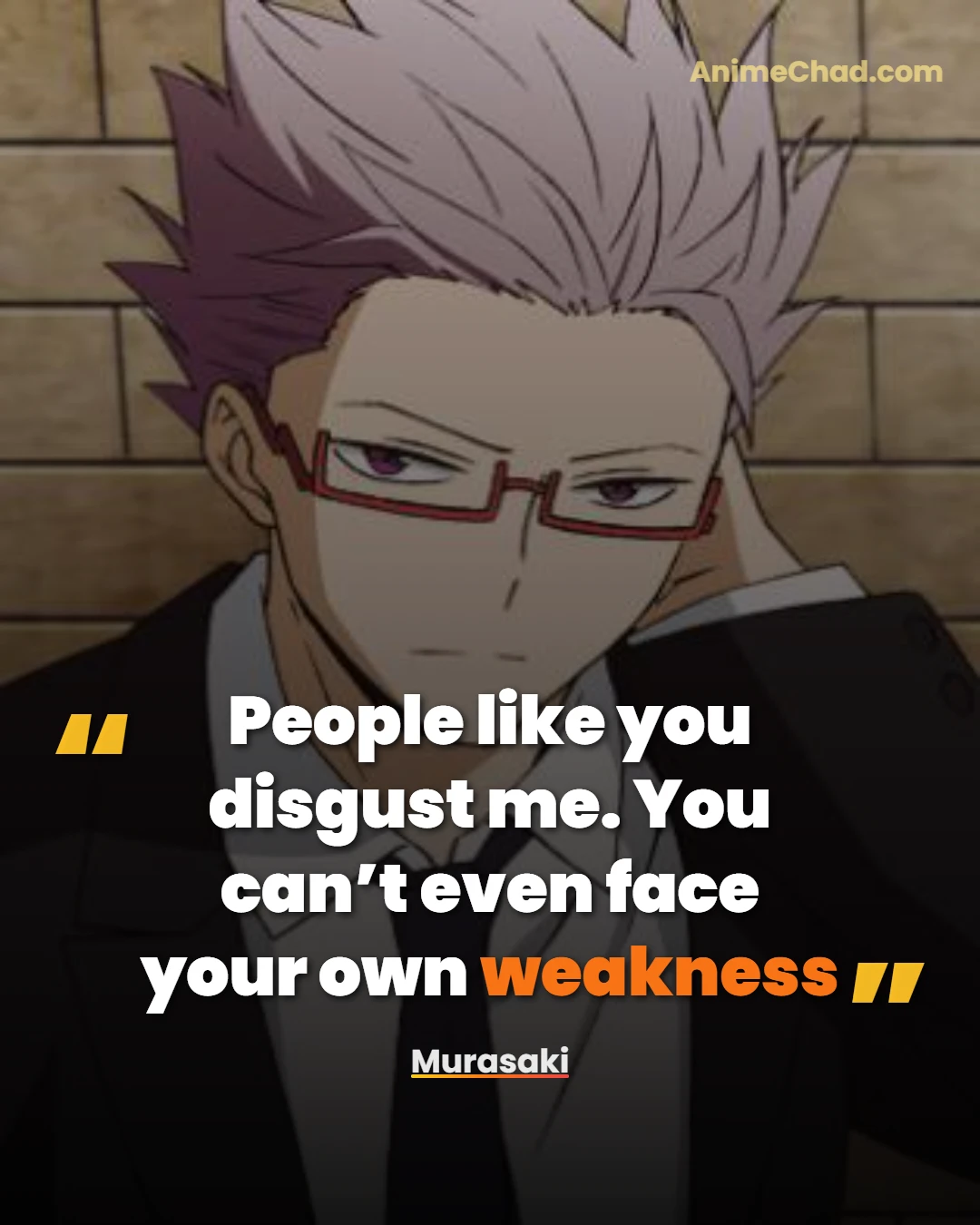
Episode 6 (The Prophet’s Torment)
Murasaki
Outburst against denial drives arc resolution, advancing rivalry with Nice into mutual respect.
If you die again, I’ll kill you
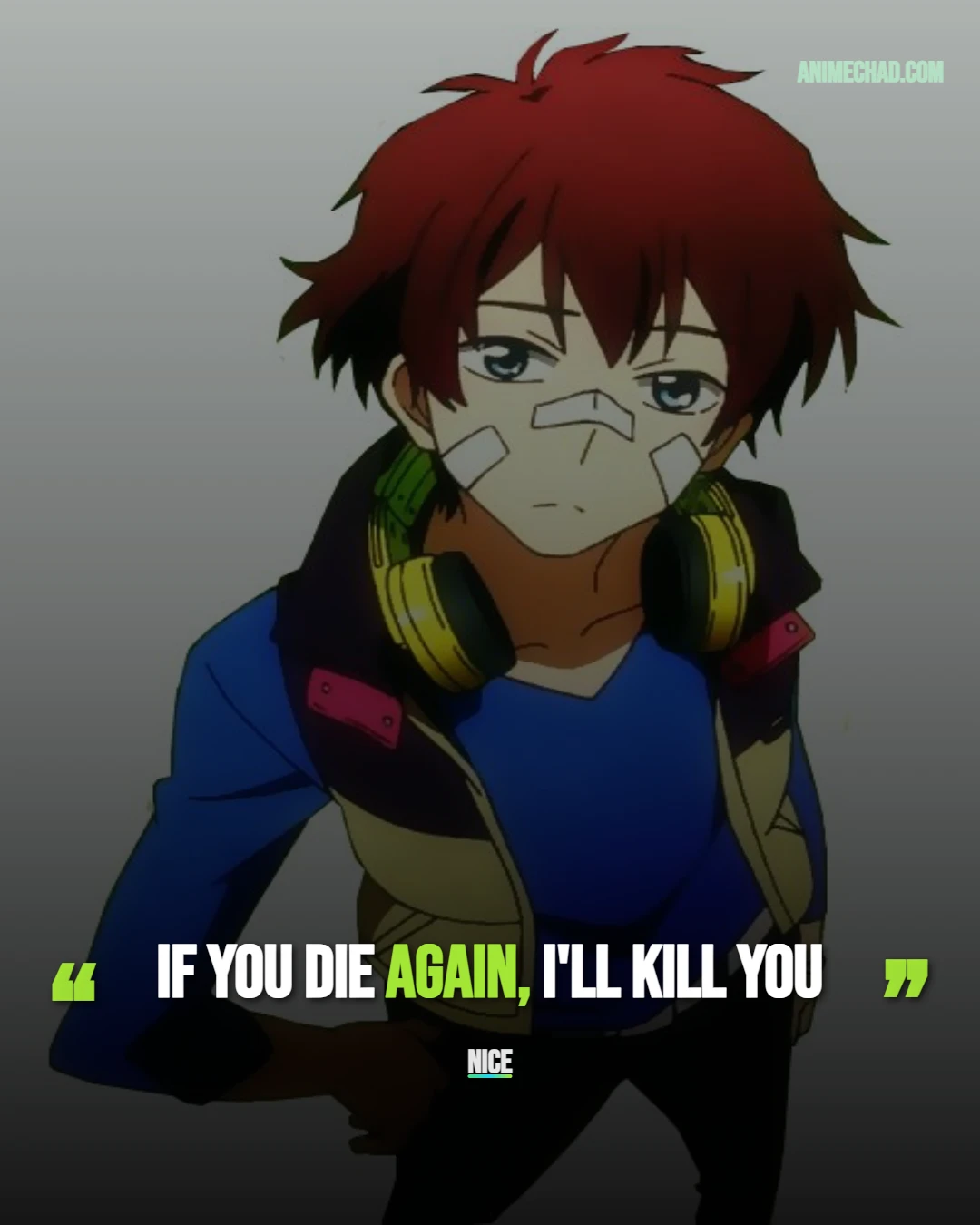
Re: Episode 4
Nice (Satou Nice)
Protective threat to Hajime underscores deepening bond, emotional peak in Re: arc dangers.
You are not mine!
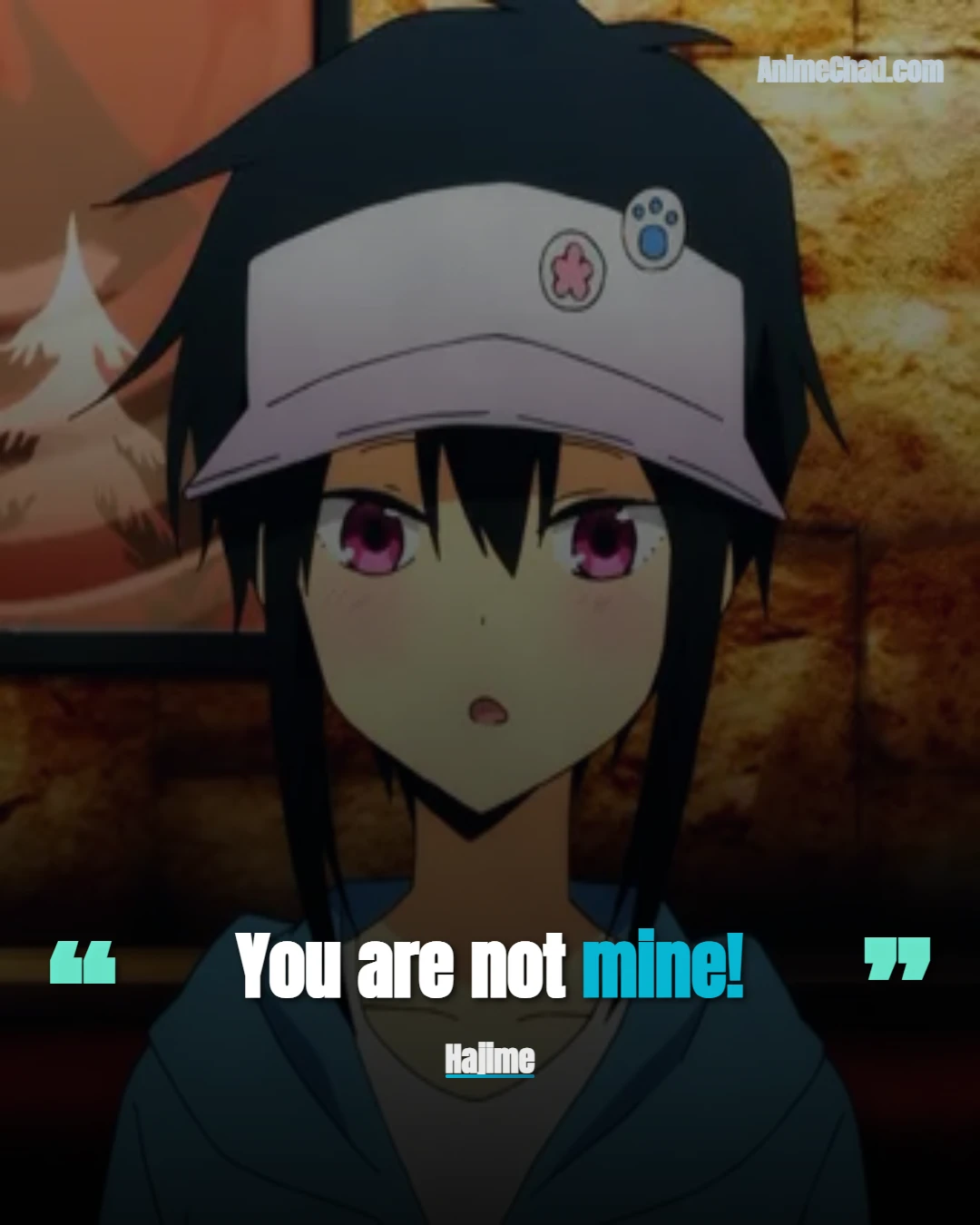
Episode 9 (From the New World)
Hajime
Heart-wrenching rejection amid despair triggers her power, pivotal for backstory reveal and growth.
Let’s do this shit
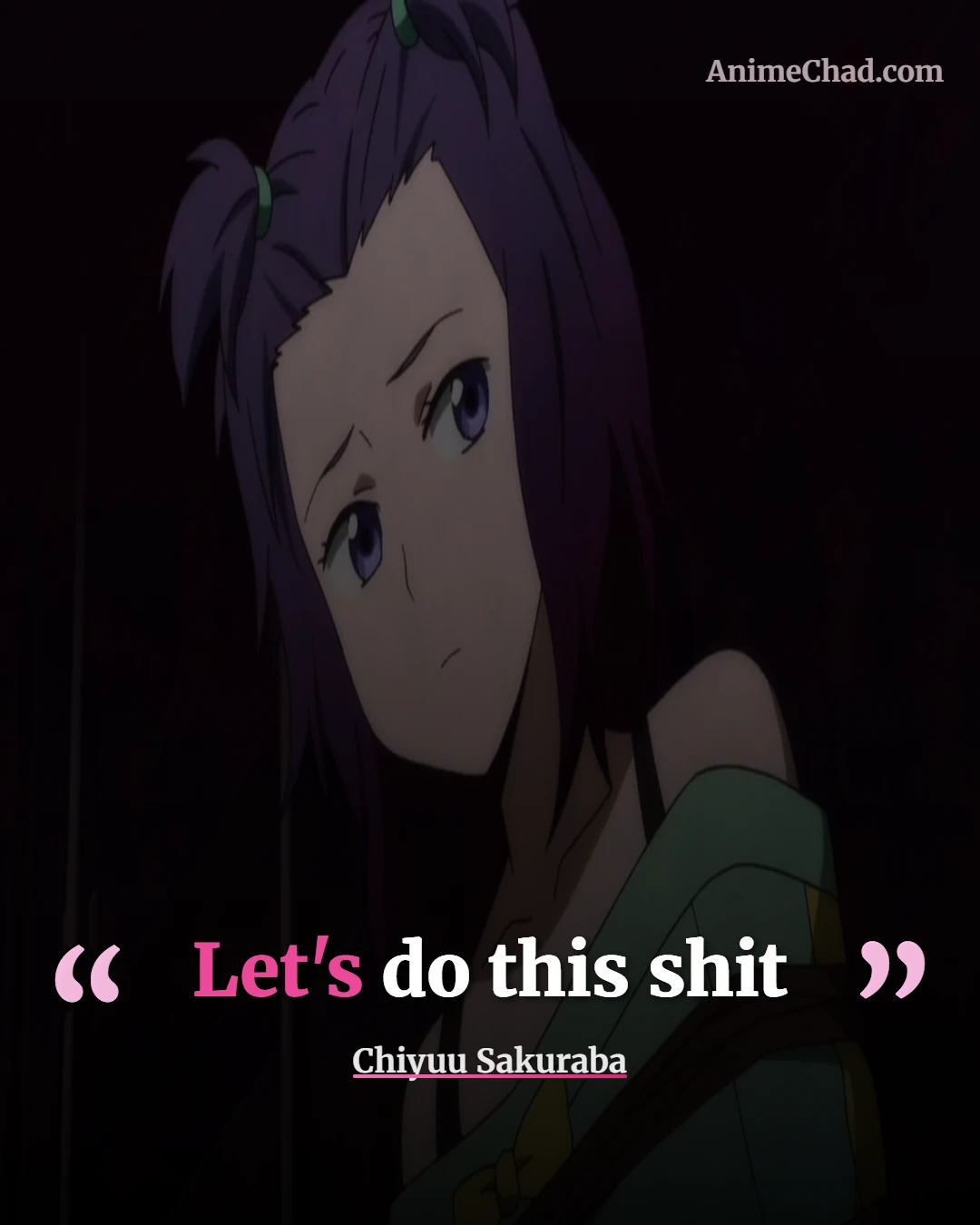
Re: Episode 1
Chiyuu Sakuraba
Defiant entry into battle reflects leadership evolution from civilian to Minimum warrior.
Death is certain, but killing doesn’t have to be ugly
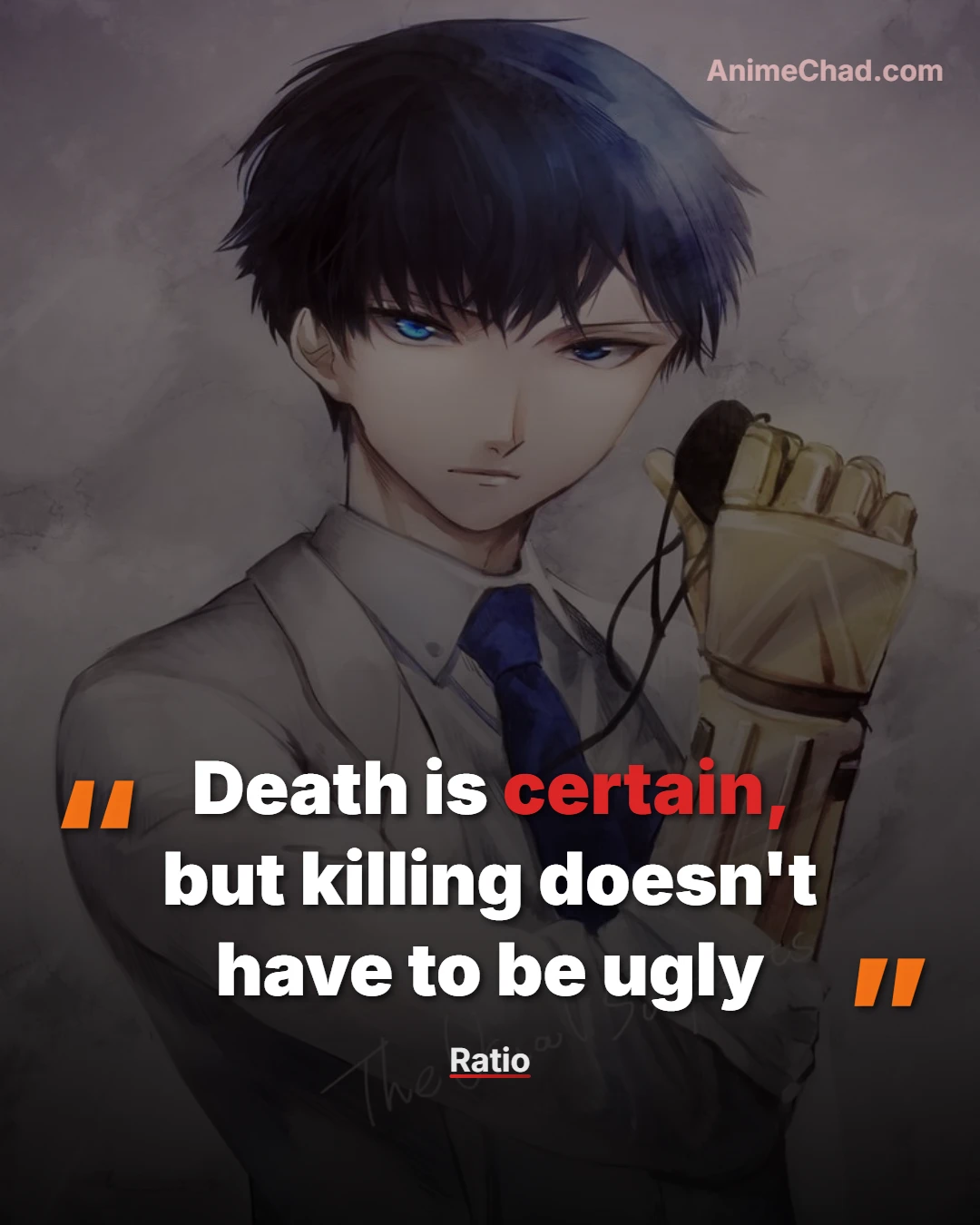
Episode 8 (The Blood-Soaked Bitter Melon)
Ratio
Philosophical aside in tense standoff emphasizes ethical combat, tying to agency code.
The strong should aid and protect the weak
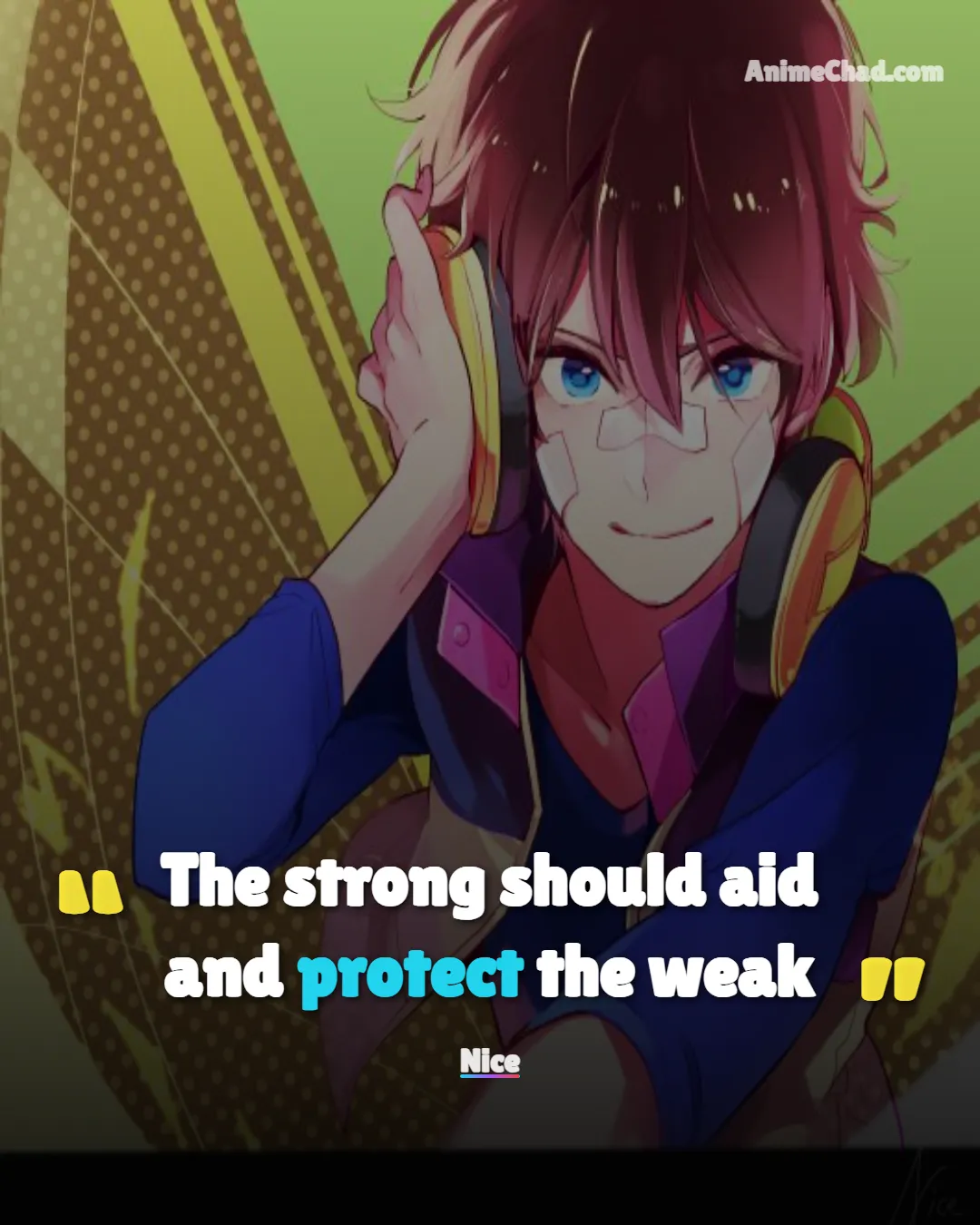
Episode 2 (Beloved Bastard)
Nice (Satou Nice)
Agency motto established early, core to themes of unbalanced power and loyalty.
Human emotions are just black or white sometimes there and consistent and can even be contradictory, but that’s all right
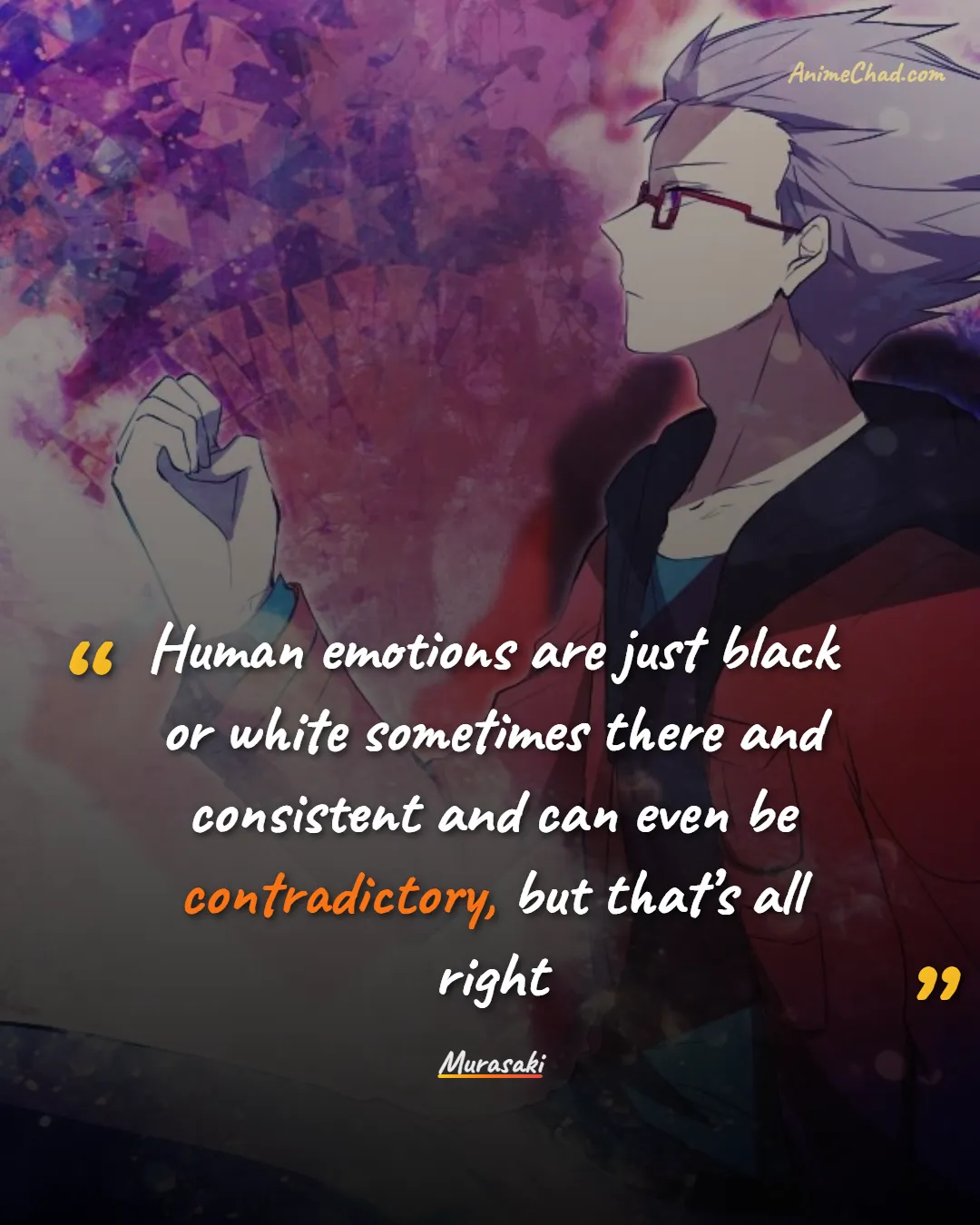
Episode 12 (The Final File)
Murasaki
Final reflection accepts complexity, symbolizing arc-spanning acceptance of flawed humanity.
Whenever I get hurt, I become cold as ice
Episode 5 (Sweat, Muscles and Me)
Scarlette
Ability description in training highlights resilience, blending humor with power exploration.
You refuse to make an effort because you’re scared of learning your own capacity
Episode 3 (Those with and Those Without)
Moral
Motivational taunt exposes fears, central to Facultas flashbacks and Nice’s genius burden.
Explosions are art
Episode 7 (The Blood-Soaked Bitter Melon)
Art
Villainous flair before tragic turn, foreshadows friendship’s emotional weight.
I detest the academy for judging worth by power alone
Episode 2 (Beloved Bastard)
Nice (Satou Nice)
Rebellion origin story fuels anti-establishment drive across both seasons.
Her Minimum triggers on despair, rivaling even mine
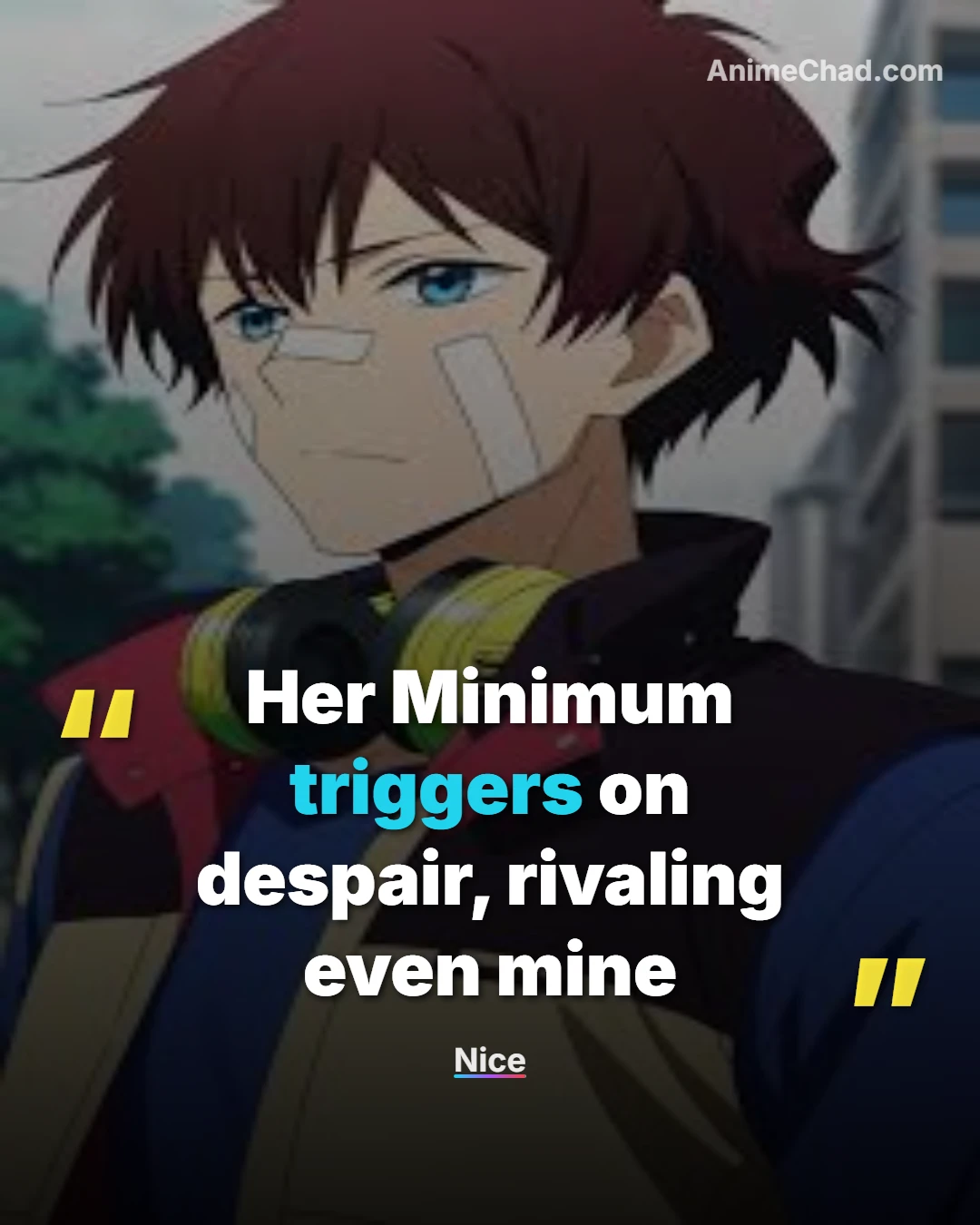
Episode 12 (The Final File)
Nice (Satou Nice)
Revelation bonds team, marking Hajime’s development from experiment to equal.
Friendships aren’t earned by matching power levels
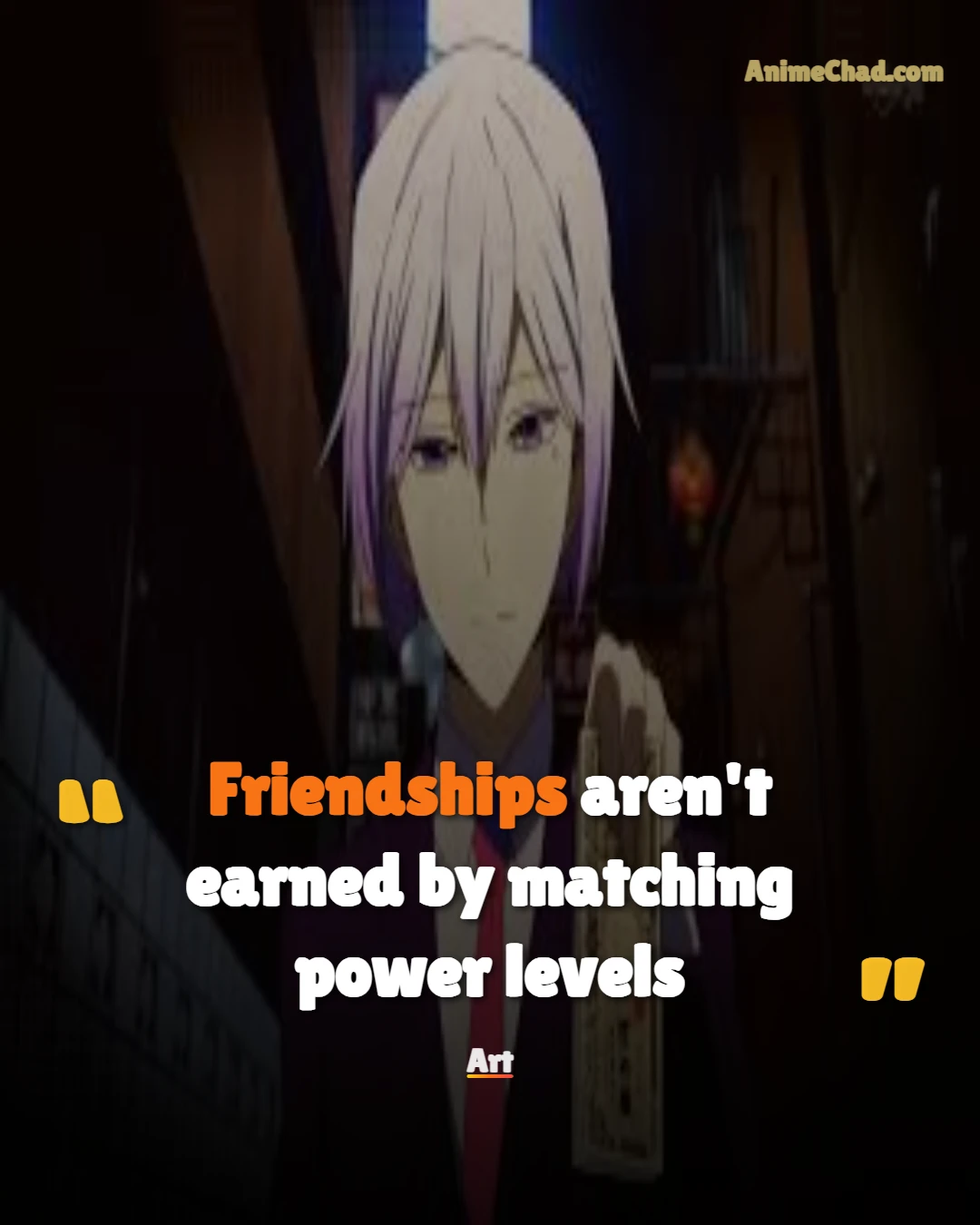
Episode 7 (The Blood-Soaked Bitter Melon)
Art
Dying stand against Moral affirms loyalty theme, heartbreaking arc climax.
Minimums are the ego made manifest
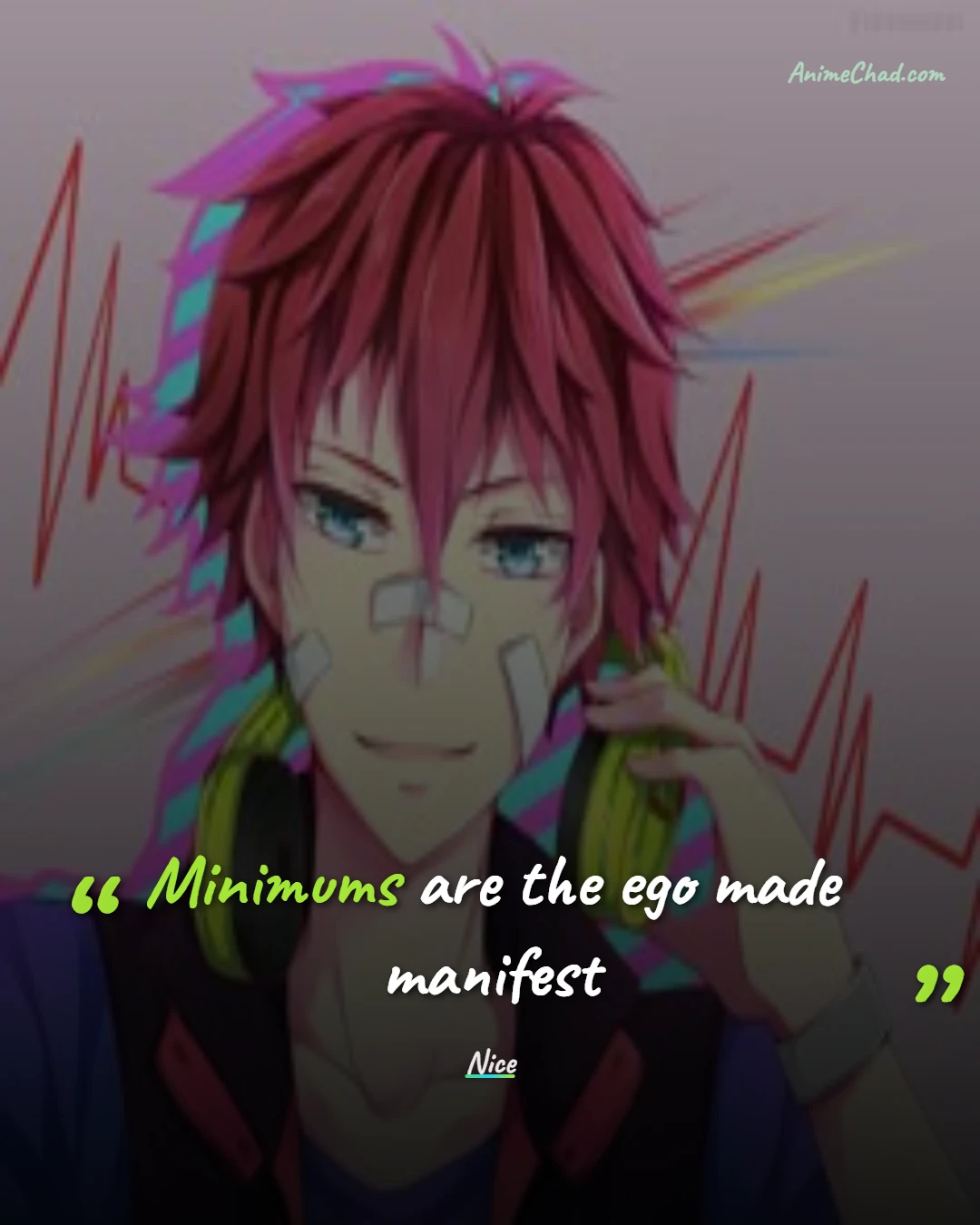
Re: Episode 12
Nice (Satou Nice)
Climactic truth redefines powers, resolving series philosophy on identity.
We used to be friends—don’t make me regret it
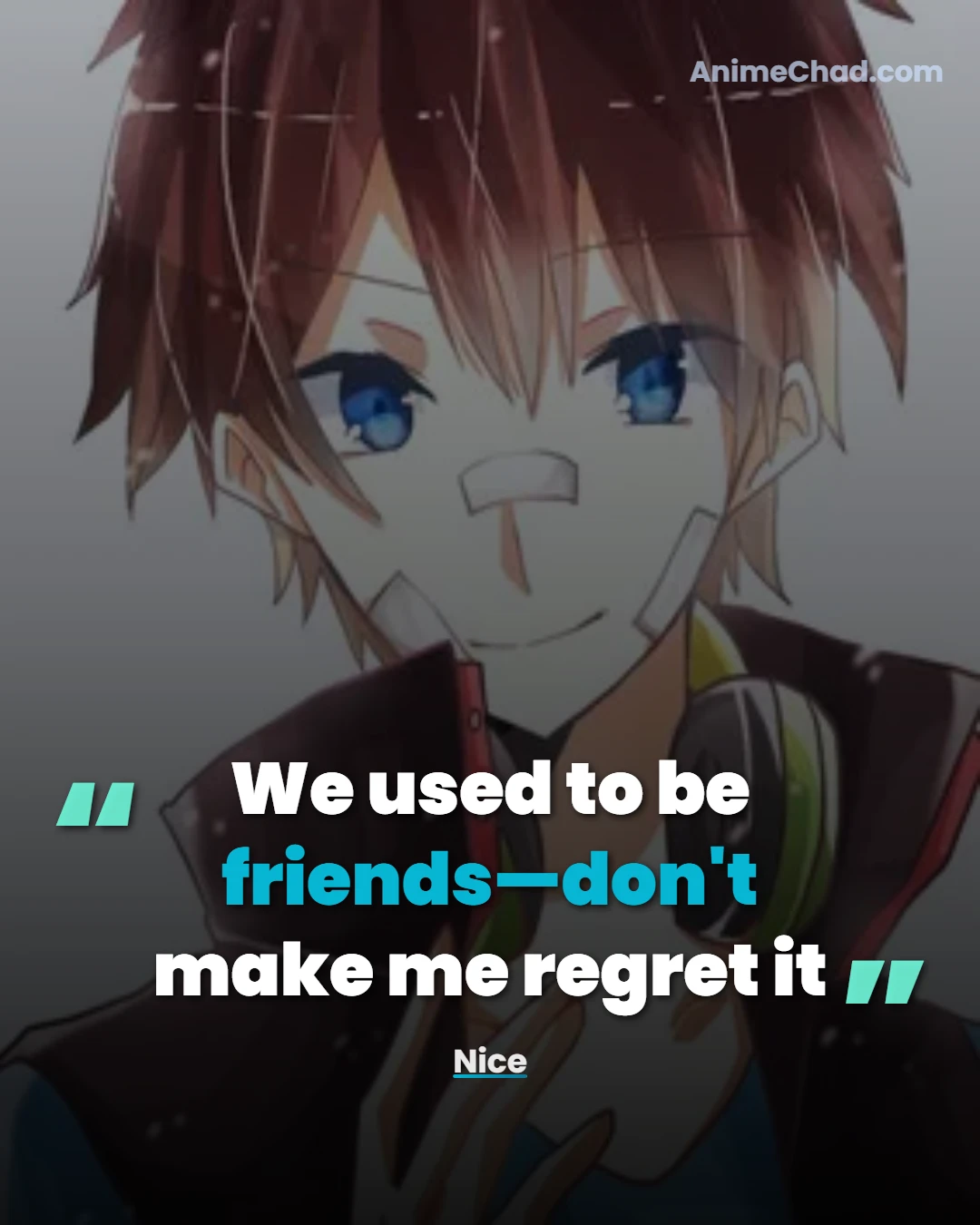
Re: Episode 11
Nice (Satou Nice)
Reconciliation with Art highlights forgiveness, emotional closure in final arc.
Life without trying new things is a waste
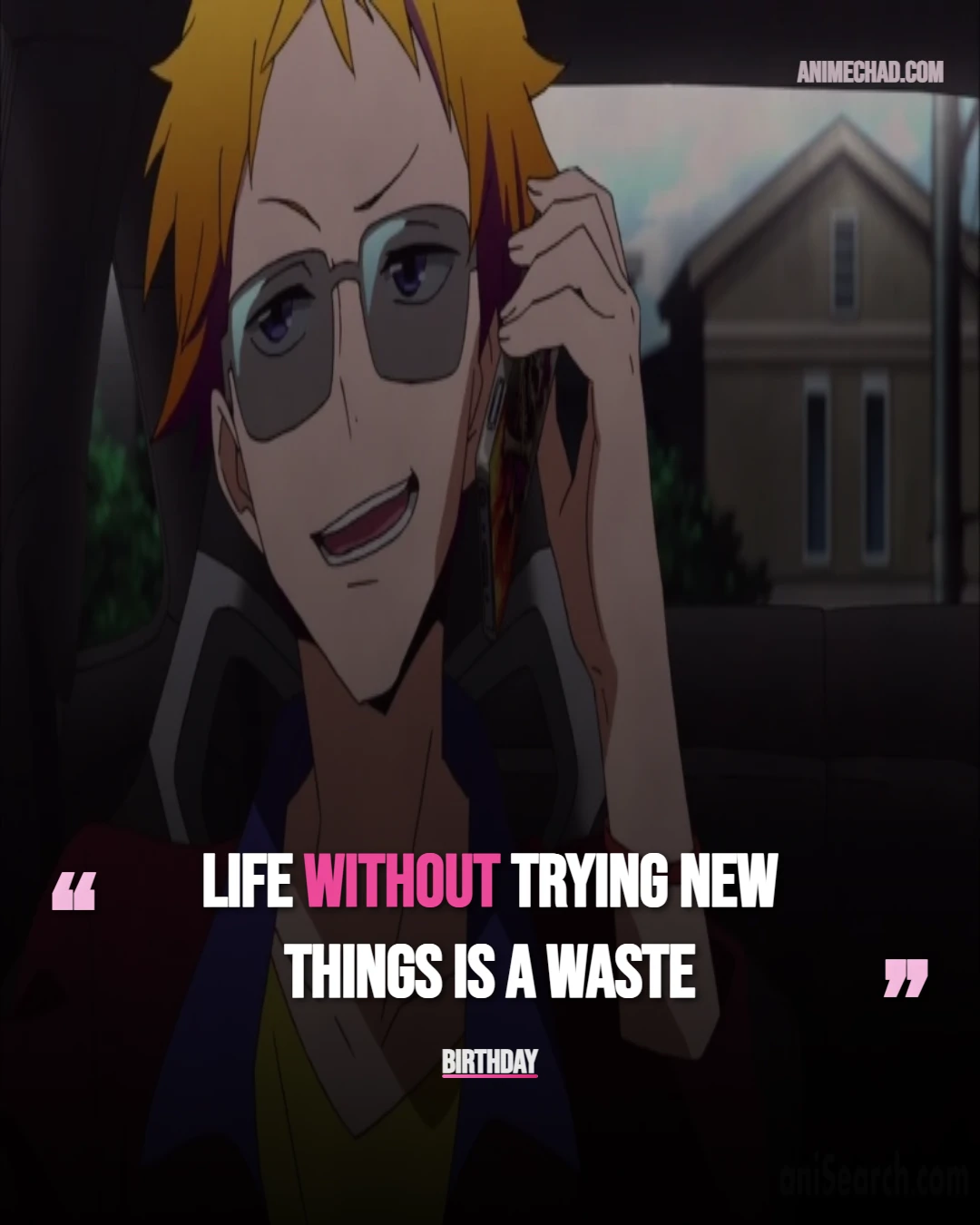
Episode 1 (Egg of Columbus)
Birthday
Peaceful intro sets joyful contrast to later battles, character consistency.
The world needs both excess and deprivation to feel alive
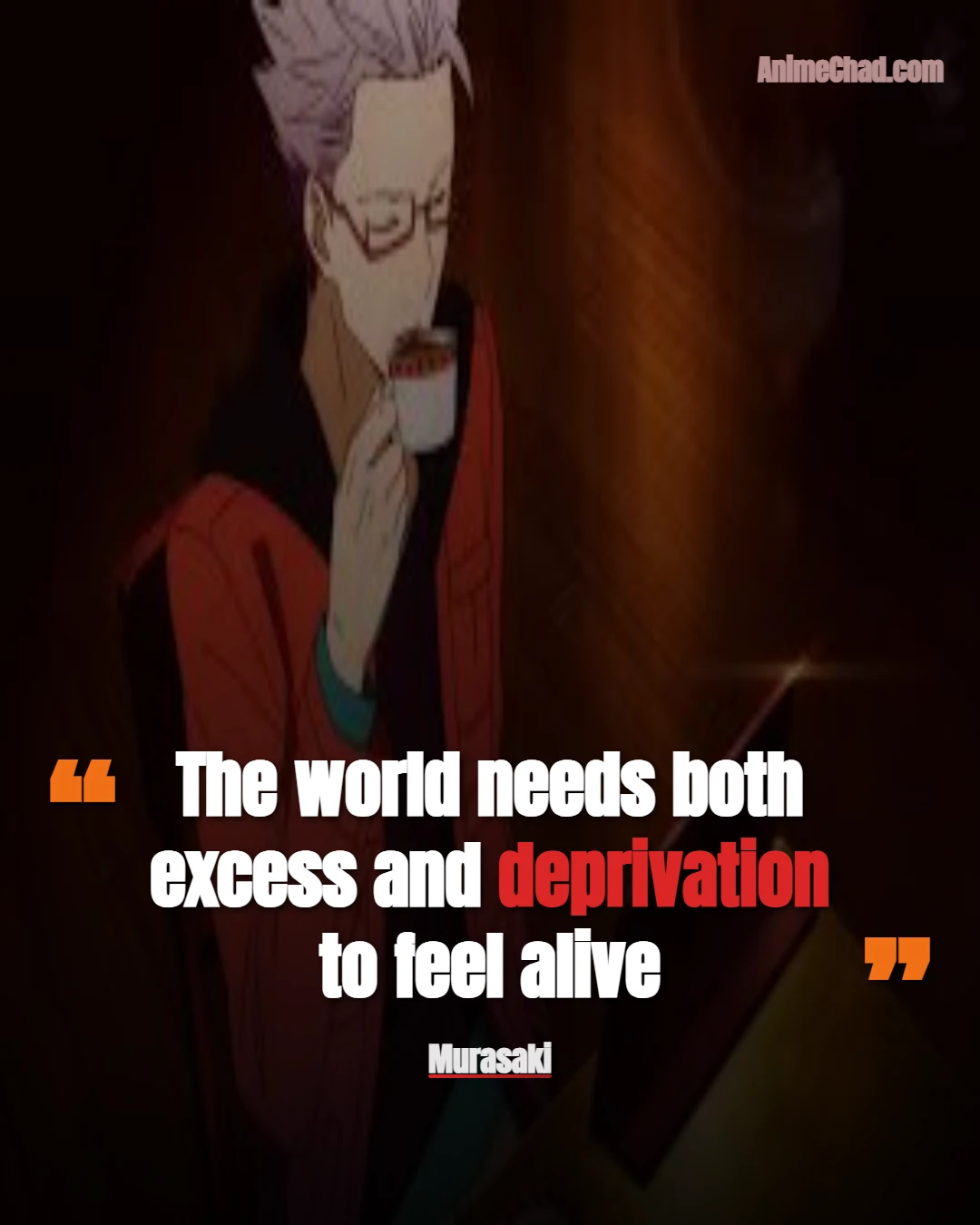
Episode 9 (From the New World)
Murasaki
Contemplates inequality post-trauma, deepening world-building ties.
If you die, I’m going to kill you
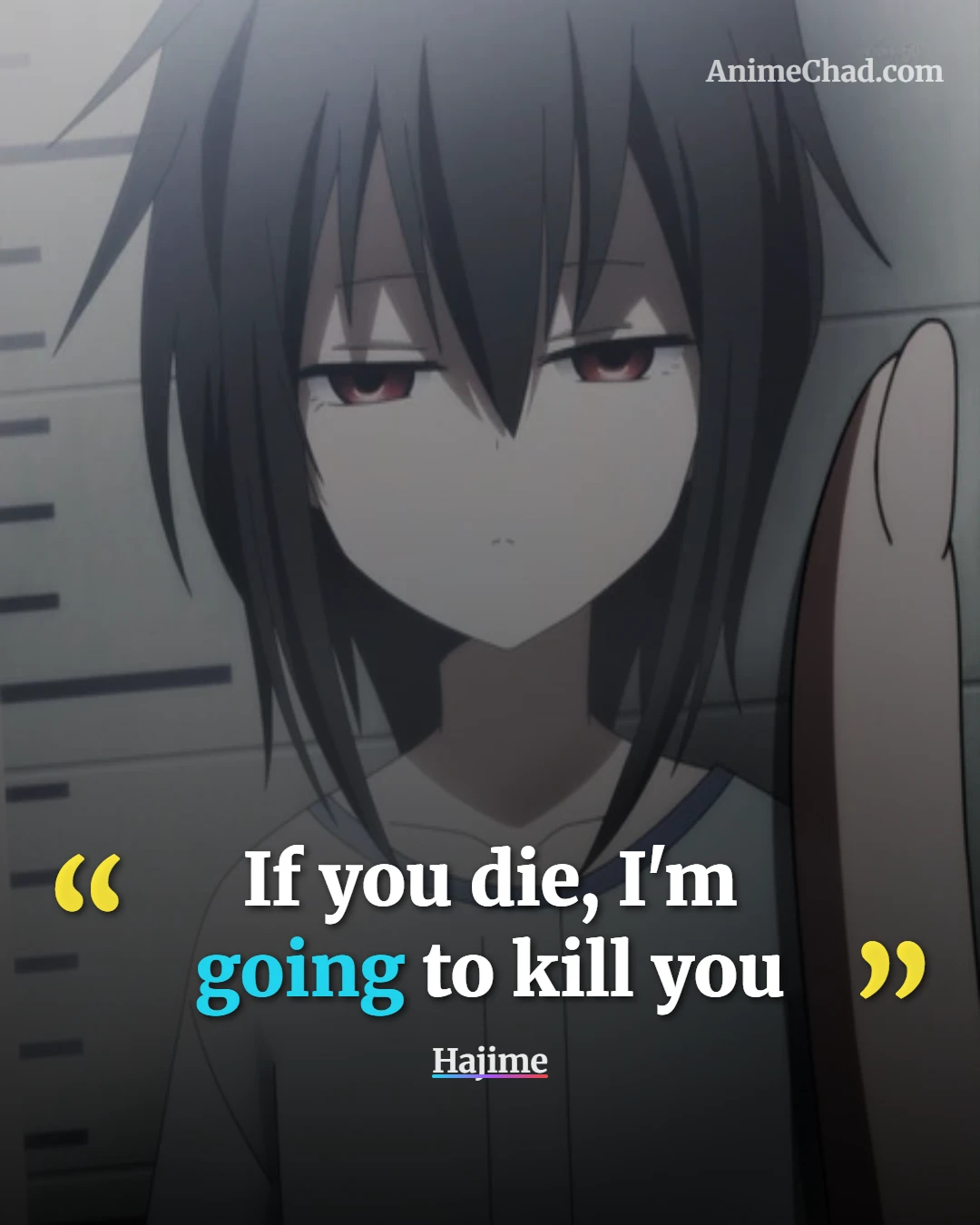
Re: Episode 2
Hajime
Reciprocal care with Nice shows mutual growth, light amid Re: tensions.