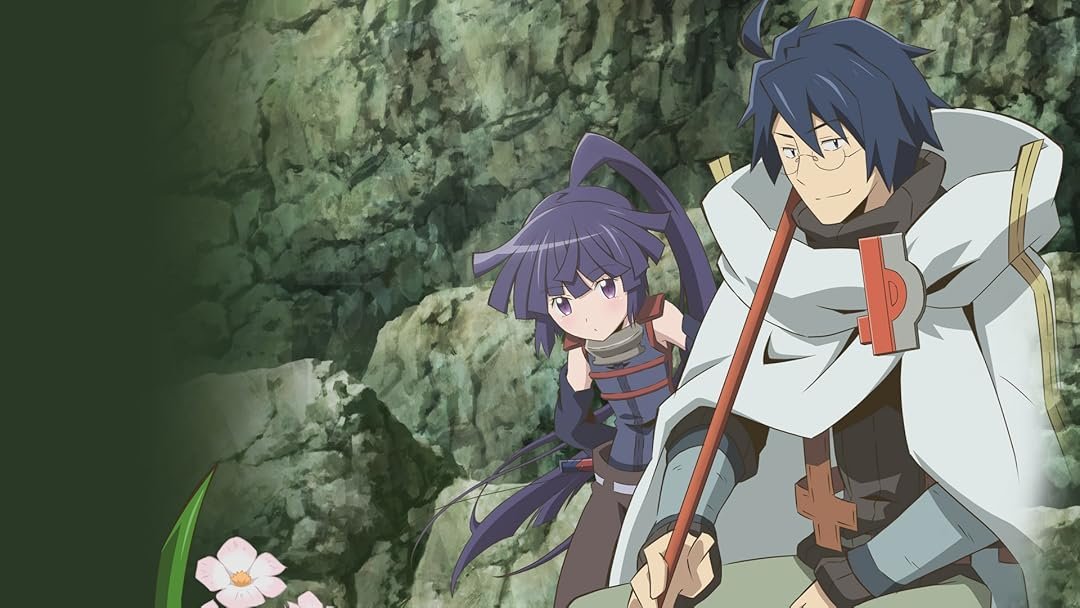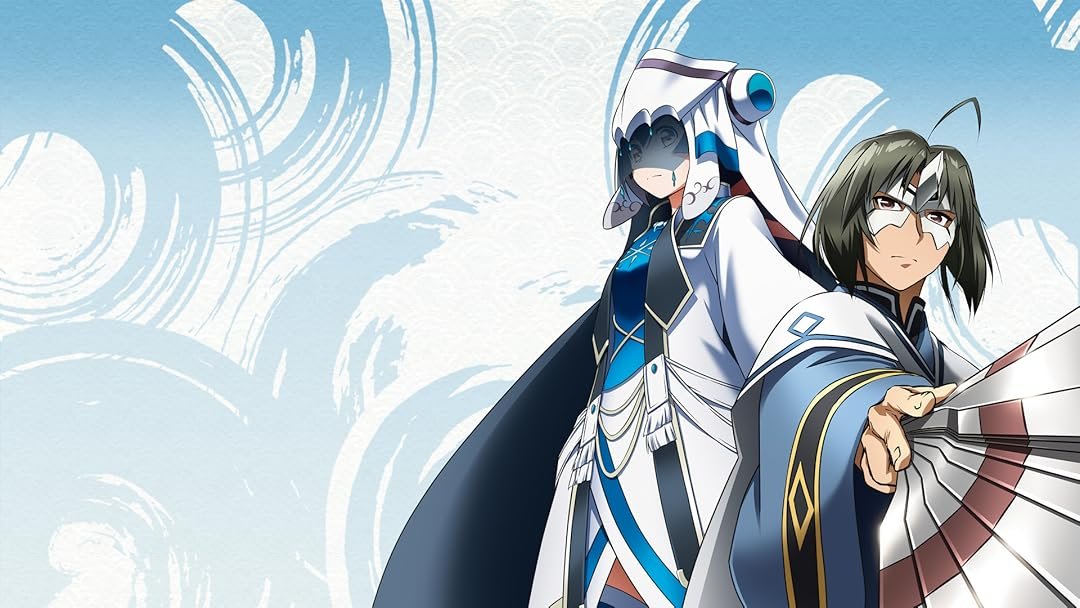
Mars Red is set in 1923 Taisho-era Japan, where a vampire crisis unfolds, prompting the government to form Code Zero—a unit of vampire soldiers led by Colonel Yoshinobu Maeda to combat the threat. The series delves into profound themes of humanity versus monstrosity, loyalty amid moral ambiguity, and the blurred lines between predator and protector.
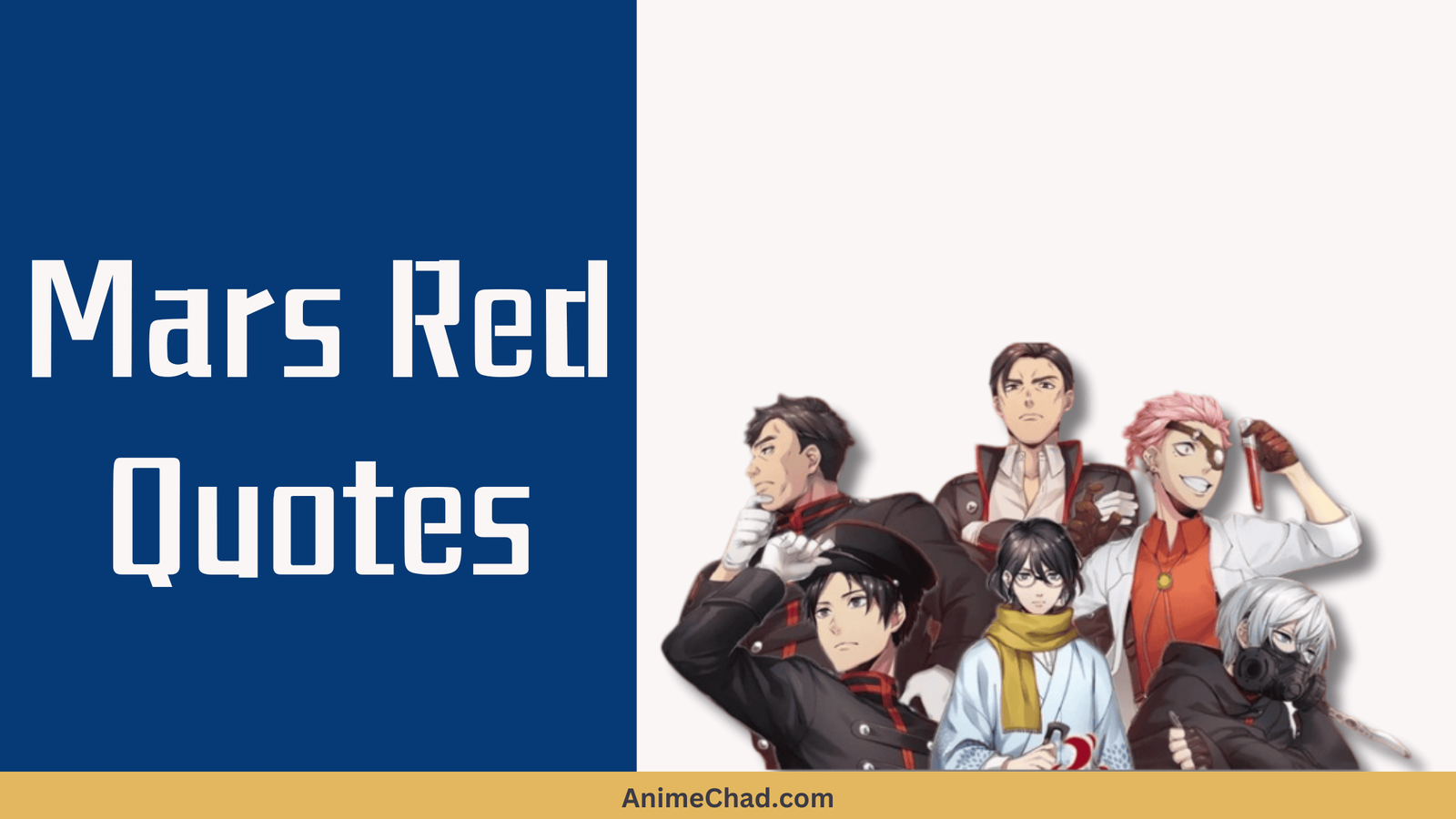
This curated collection of 25 canonical quotes from the anime captures these themes, highlighting character growth across battle and reflective moments from various arcs.
The end of a play is the end of a dream. The audience passes through the doors of the underworld and returns to this life. Please leave, and take care not to leave your heart here

Episode 1 (Dawn)
Defrott
Defrott’s poignant theater farewell evokes escapism’s fragility, mirroring vampires’ eternal limbo and his bond with humans.
I was the same, at first. Thinking they weren’t enemies. But they have the potential to become our enemies. If we waver, we could join them. We’re still here, on this side

Episode 2 (Till Death Do Us Part)
Yoshinobu Maeda
Maeda’s internal conflict reveals his hardening resolve, underscoring the theme of potential monstrosity in all.
How good to see the moon. She is like a little piece of money, a little silver flower. She is cold and chaste. I’m sure she is a virgin

Episode 1 (Dawn)
Misaki
Misaki’s poetic musing post-turning captures her lingering innocence, contrasting her tragic vampiric fate.
Thou wouldst not suffer me to kiss thy mouth. Well! I will kiss it now. I will bite it with my teeth as one bites a ripe fruit

Episode 1 (Dawn)
Misaki
In frenzied passion from Oscar Wilde’s Salomé, it highlights Misaki’s loss of humanity and obsessive love.
I fight because I want to keep my humanity

Episode 13 (The Last Supper)
Shutaro Kurusu
Kurusu’s declaration to Aoi affirms his choice for purpose over eternity, marking growth from rookie to resolute warrior.
We’re still here, on this side

Episode 3 (His Dream)
Yoshinobu Maeda
Echoing resolve, Maeda recommits to humanity despite bonds with vampires, deepening his tragic leadership arc.
Black kites and sparrows, herons, and even the crows; What wonder is it if two birds of a like kind should choose to flock

Episode 4 (Unknown Song)
Defrott
Defrott recites to reflect vampire-human alliances, symbolizing natural bonds amid societal rejection.
The strongest boys are the ones who fight battles we never see

Episode 6 (The Last Blue Sky)
Tokuichi Yamagami
Yamagami’s sacrifice under sunlight embodies quiet heroism, contrasting flashy battles with selfless loyalty.
No one can control me, and that is why I am perfect

Episode 5 (Persona Non Grata)
Rufus Glenn
Rufus boasts independence, revealing arrogance that leads to downfall and critiques unchecked vampiric power.
I fight for Maeda and Japan

Episode 12 (Ashes to Ashes)
Shutaro Kurusu
Kurusu’s vow during clash shows evolution from doubt to patriotic duty, tying personal loss to national defense.
Thou wert the only man I have loved. All other men are hateful to me

Episode 1 (Dawn)
Misaki
Misaki’s Salomé confession exposes her isolation, paralleling vampires’ alienation from human society.
The end of a dream is the end of a play

Episode 13 (The Last Supper)
Defrott
Defrott reflects on illusions shattered, connecting to Maeda’s nightmare-reality and vampires’ existential void.
If we waver, we could join them

Episode 2 (Till Death Do Us Part)
Yoshinobu Maeda
Maeda warns of moral slippage, highlighting his development into unyielding guardian against inner darkness.
How good to see the moon

Episode 3 (His Dream)
Misaki
Moonlit reverie evokes Misaki’s lost artistry, blending peaceful nostalgia with looming vampiric tragedy.
I wanted Maeda to teach me even more

Episode 13 (The Last Supper)
Shutaro Kurusu
Kurusu honors mentorship amid betrayal, showcasing growth from naive soldier to independent fighter.
The prophet! Whom the Tetrarch is afraid?

Episode 1 (Dawn)
Misaki
Misaki channels fear and desire, symbolizing vampires as harbingers disrupting human order.
We’re not enemies yet

Episode 4 (Unknown Song)
Yoshinobu Maeda
Maeda’s nuance reveals empathy evolving into duty, central to humanity-monster divide.
Leave your heart here no more

Episode 7 (Hamlet reference)
Defrott
Reciting amid betrayal, Defrott mourns lost illusions, tying to series’ theme of fleeting human connections.
Humanity is worth protecting

Episode 6 (The Last Blue Sky)
Sonosuke Nakajima
Nakajima’s command underscores military ethos, but foreshadows his ruthless vision for immortal army.
Thy head belongs to me

Episode 2 (Till Death Do Us Part)
Misaki
Possessive rage marks Misaki’s full descent, contrasting her prior graceful stage presence.
Fight the battles we never see

Episode 9 (Orpheus arc)
Tokuichi Yamagami
Yamagami’s unranked resolve shines in shadows, exemplifying overlooked sacrifices in vampire hunts.
Mars stands. As will she always

Episode 11 (Red Dawn)
Yoshinobu Maeda
Maeda’s defiance amid rampage affirms enduring duty, despite personal unraveling.
I’ll never forget you

Episode 6 (The Last Blue Sky)
Yoshinobu Maeda
At Misaki’s grave with asters, Maeda grapples with loss, fueling his anti-vampire crusade.
Eternal creatures versus fleeting humans

Episode 13 (Finale)
Defrott
Defrott ponders lifespans in As You Like It, encapsulating immortality’s curse and human value.
Keep fighting for Maeda

Episode 12 (Ashes to Ashes)
Shutaro Kurusu
In climactic duel, Kurusu upholds loyalty, transforming grief into redemptive battle strength.