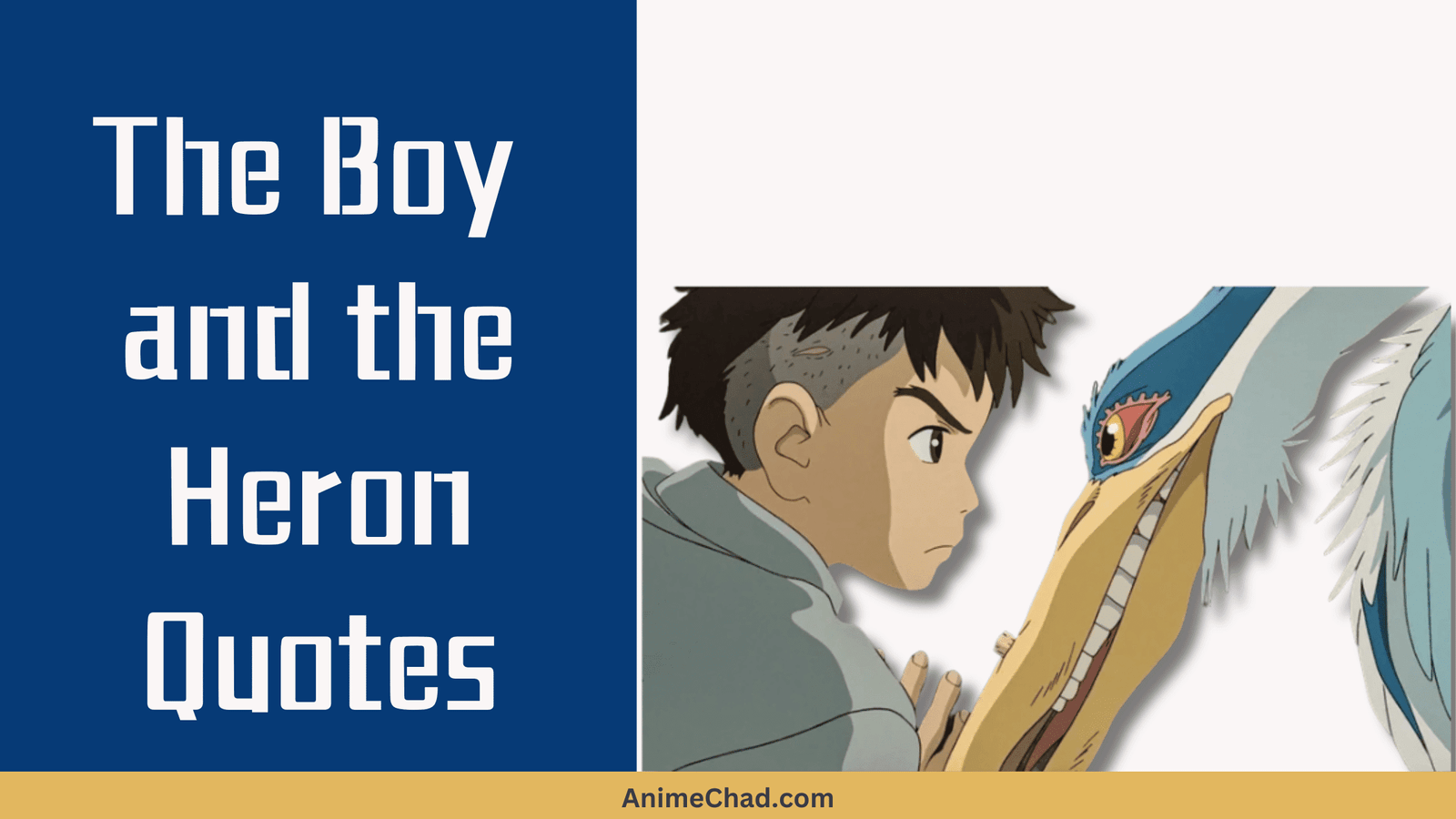
The Boy and the Heron follows Mahito, a young boy grieving his mother’s death amid World War II, who enters a fantastical tower world blending life, death, and wonder. Key themes include grief, self-acceptance, the inescapability of human malice, and choosing reality over escapism.
This curated collection of 25 canonical quotes captures these through pivotal moments of emotional depth and character growth across the film’s arcs.
I’ll be your guide
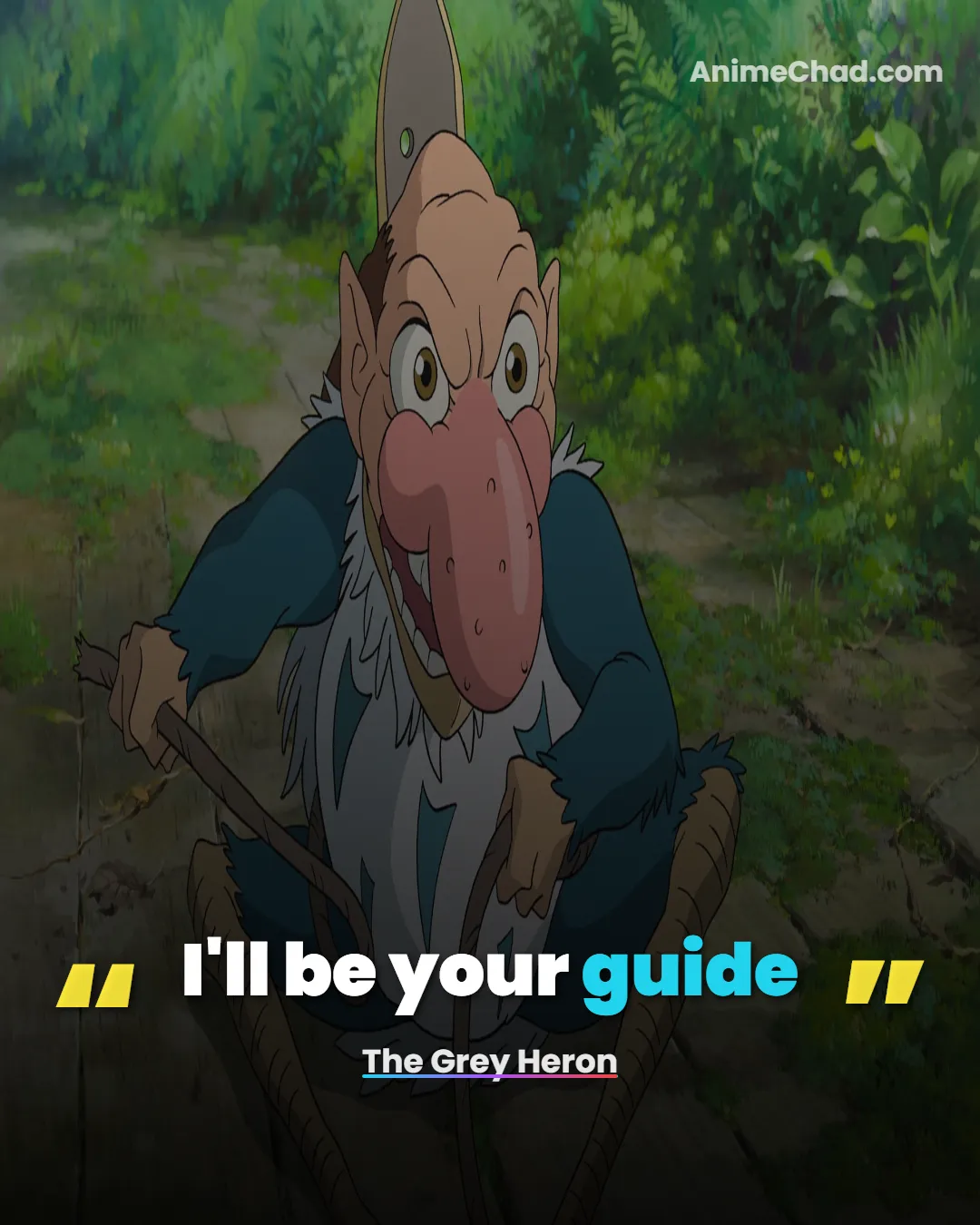
(Opening encounter)
The Grey Heron
Heron’s manipulative offer launches Mahito’s journey, symbolizing deceptive guidance amid grief and pulling him into the unknown tower realm.
Please join us
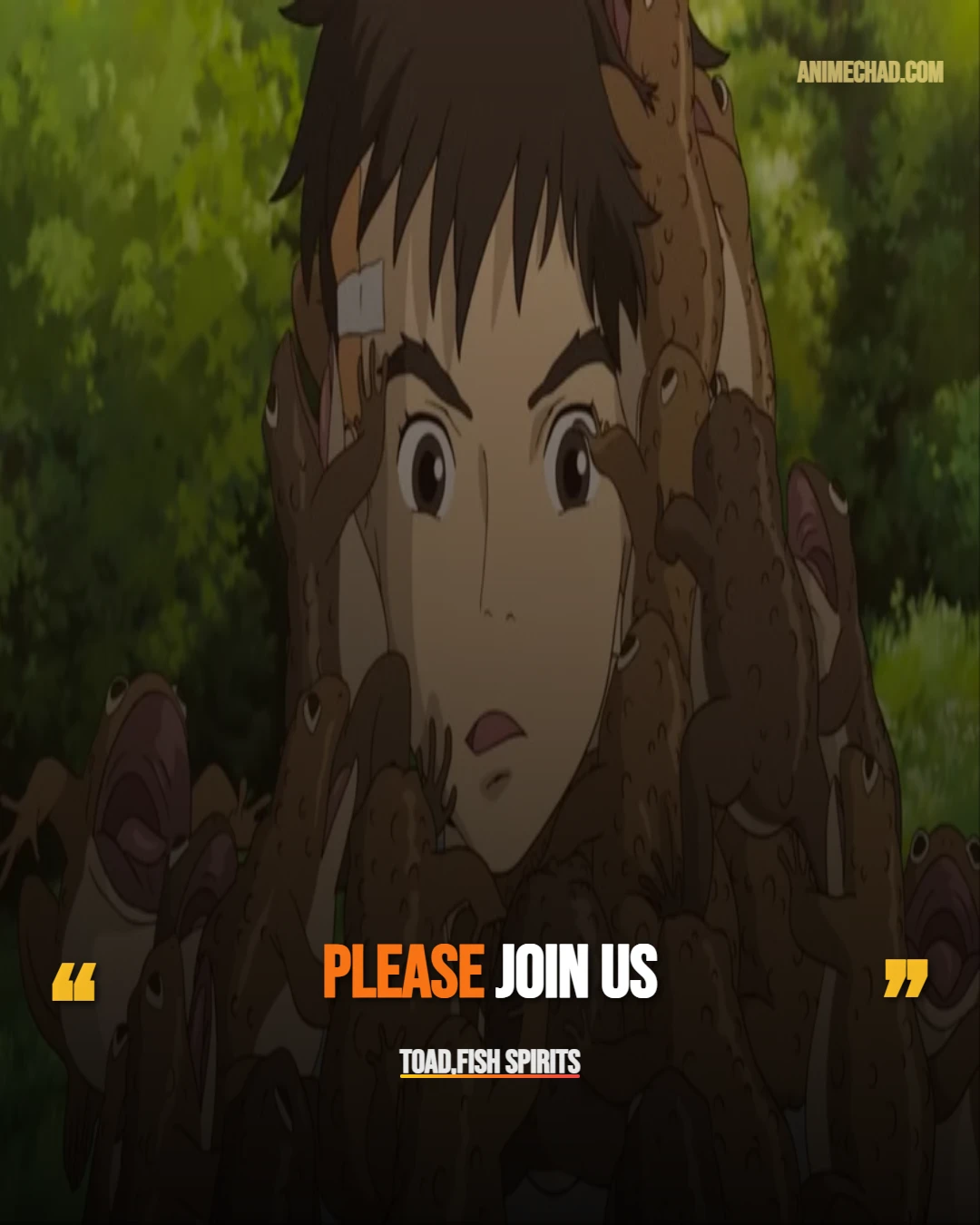
(Pond spirits attack)
Toad/Fish Spirits
Eerie chant during hypnotic assault tests Mahito’s resolve early on, foreshadowing temptations to surrender to otherworldly forces over facing pain.
Shoot me. My heart is right here
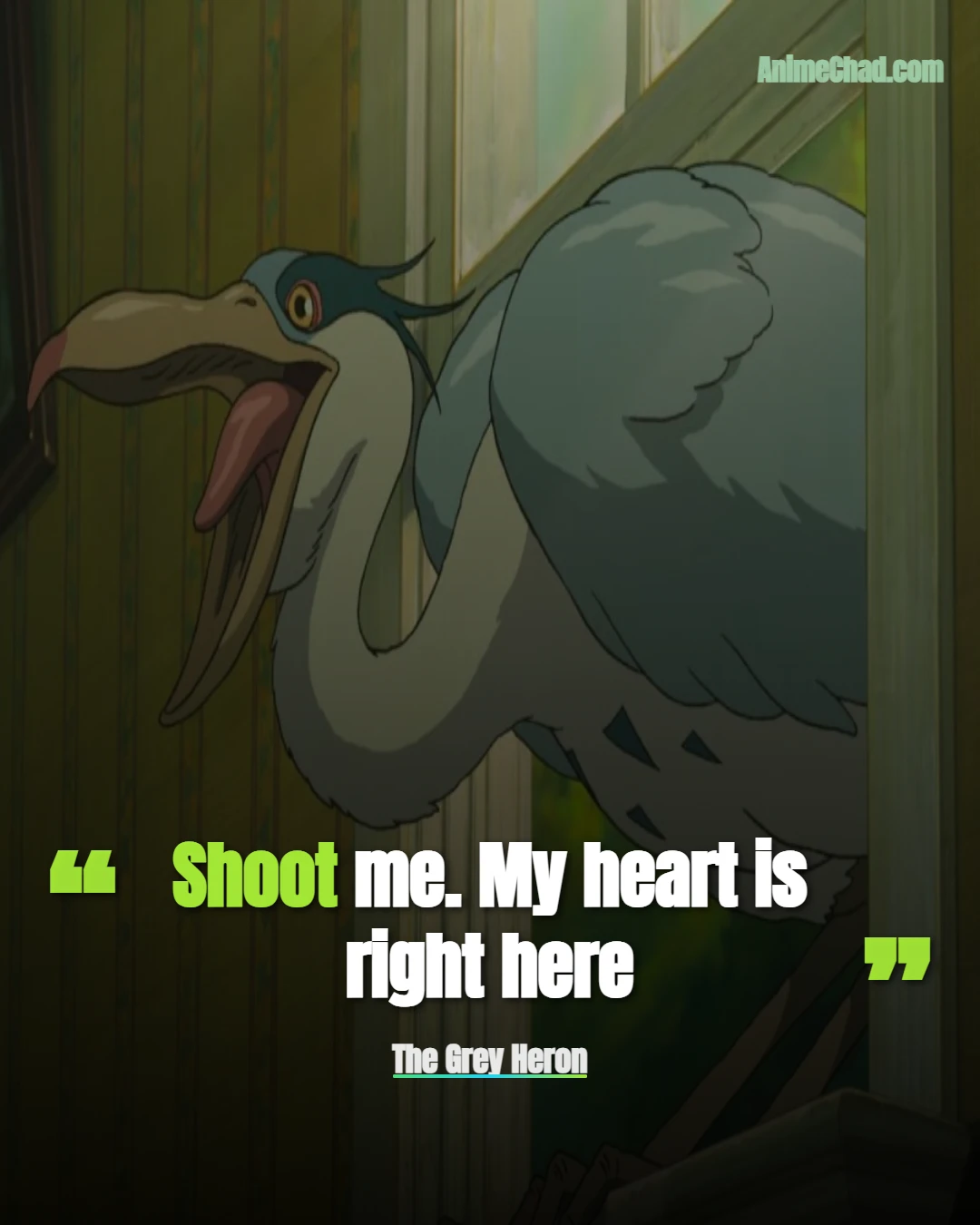
(Tower confrontation)
The Grey Heron
Heron’s taunt in tense standoff reveals his vulnerability, forging reluctant alliance and highlighting themes of trust forged in conflict.
This world is filled with the dead
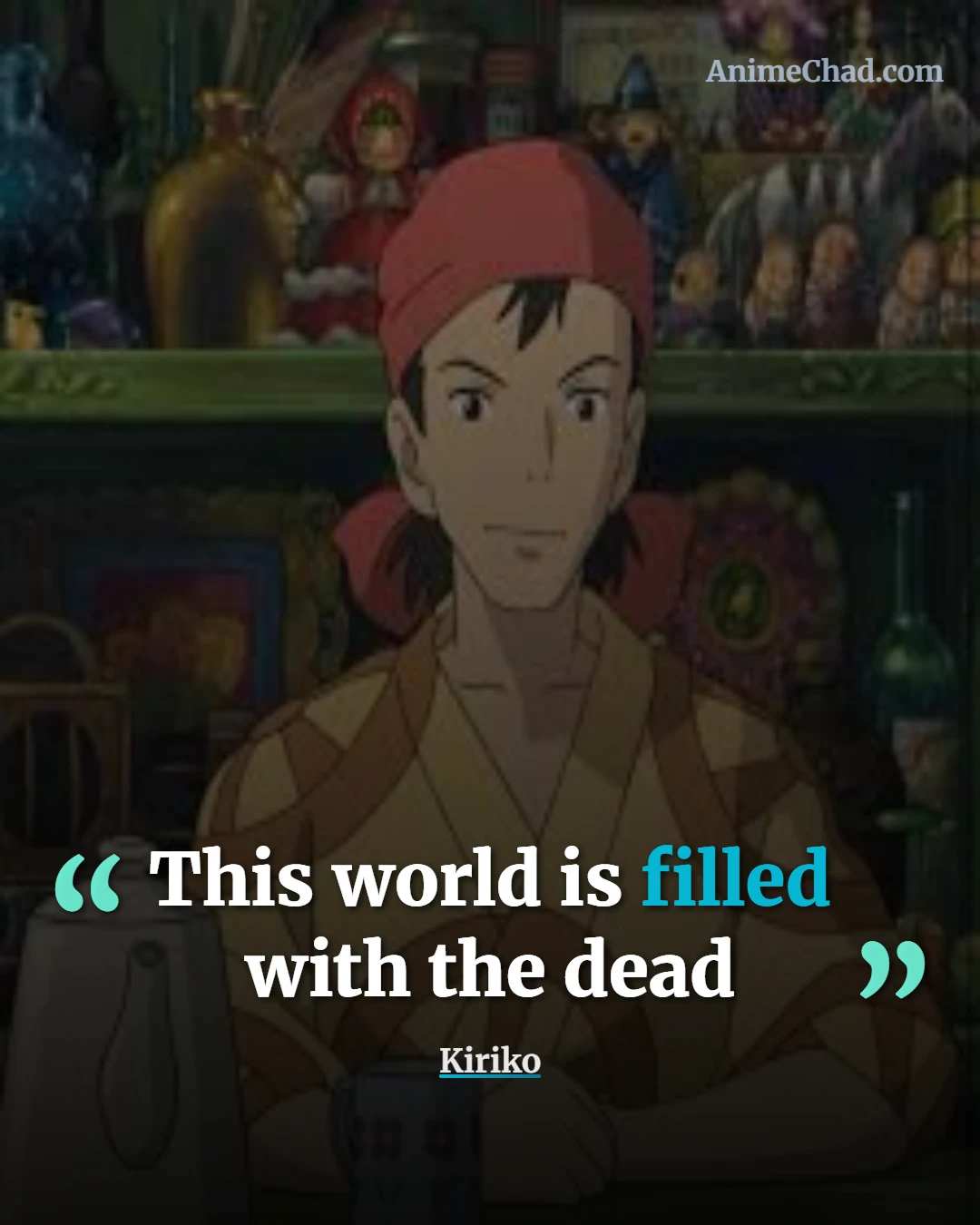
(Boat journey revelation)
Kiriko
Kiriko’s blunt truth introduces the limbo realm’s nature, deepening Mahito’s immersion while contrasting peaceful navigation with death’s omnipresence.
They’re going to be born
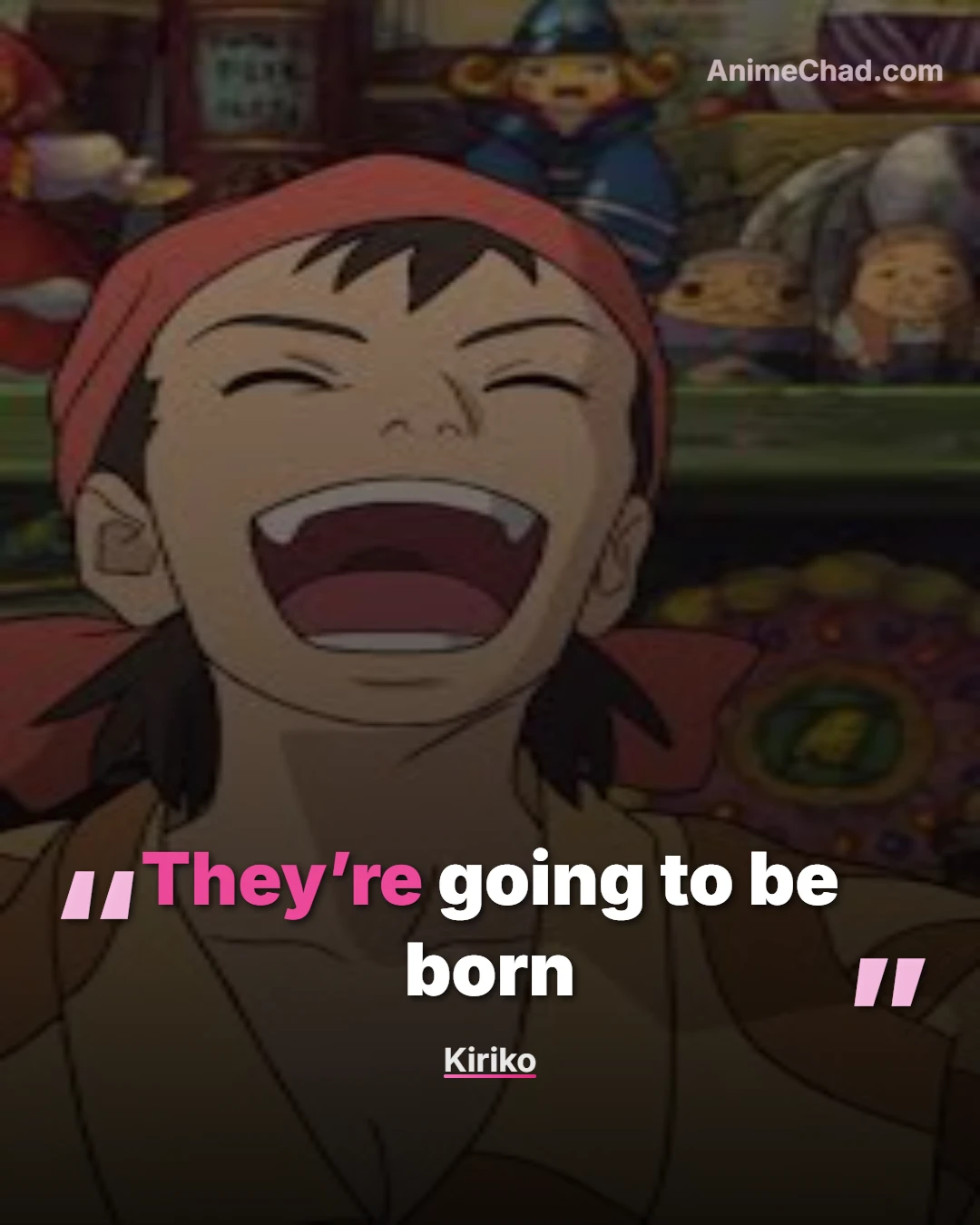
(Warawara flight moment)
Kiriko
Explanation of souls ascending to life connects fantastical cycle to Mahito’s loss, emphasizing renewal amid serene wonder.
Young one, put me out of my misery
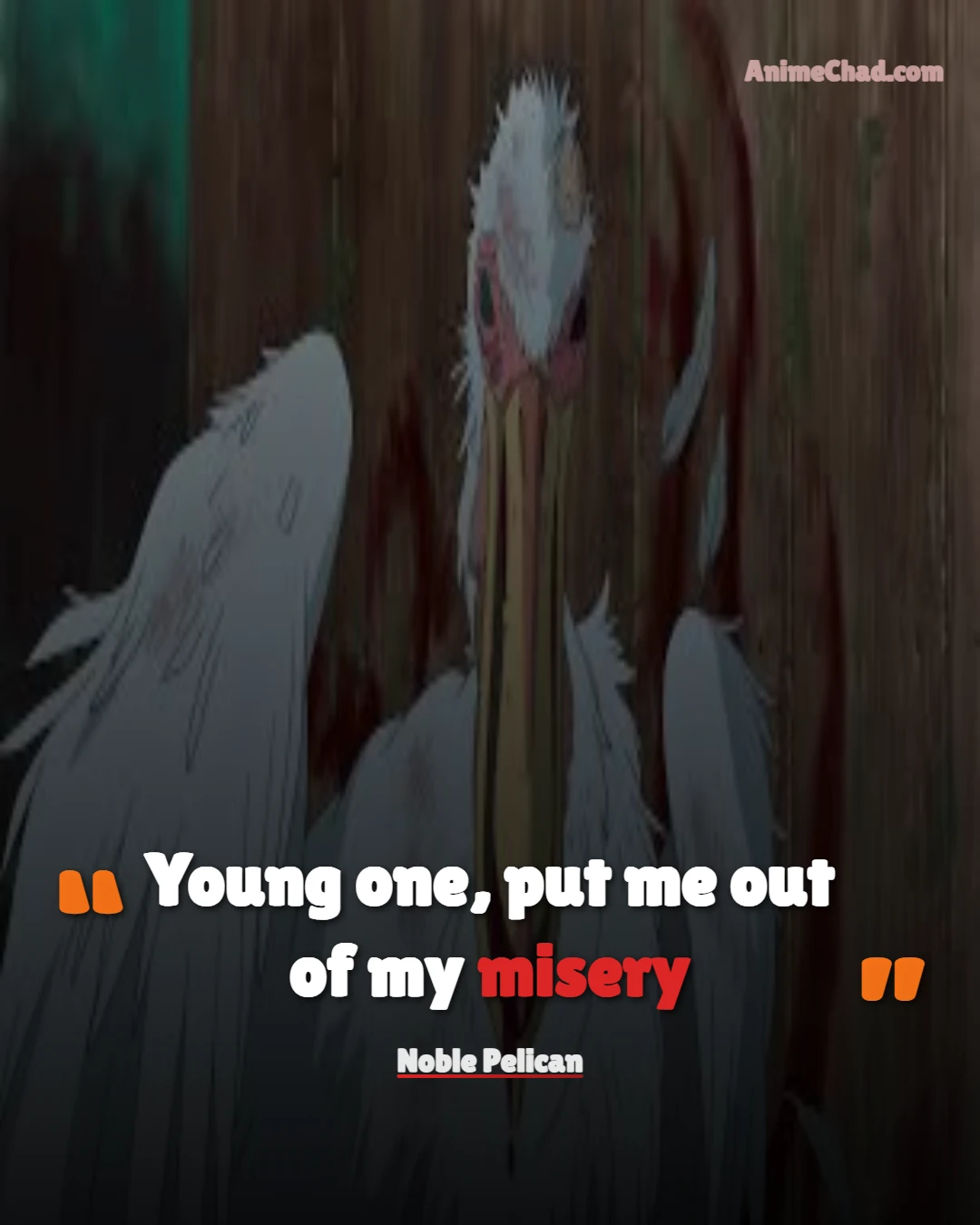
(Dying pelican plea)
Noble Pelican
Pelican’s desperate request exposes cycle of suffering in the tower world, mirroring war’s cruelty and Mahito’s growing empathy.
We flew as high as we could
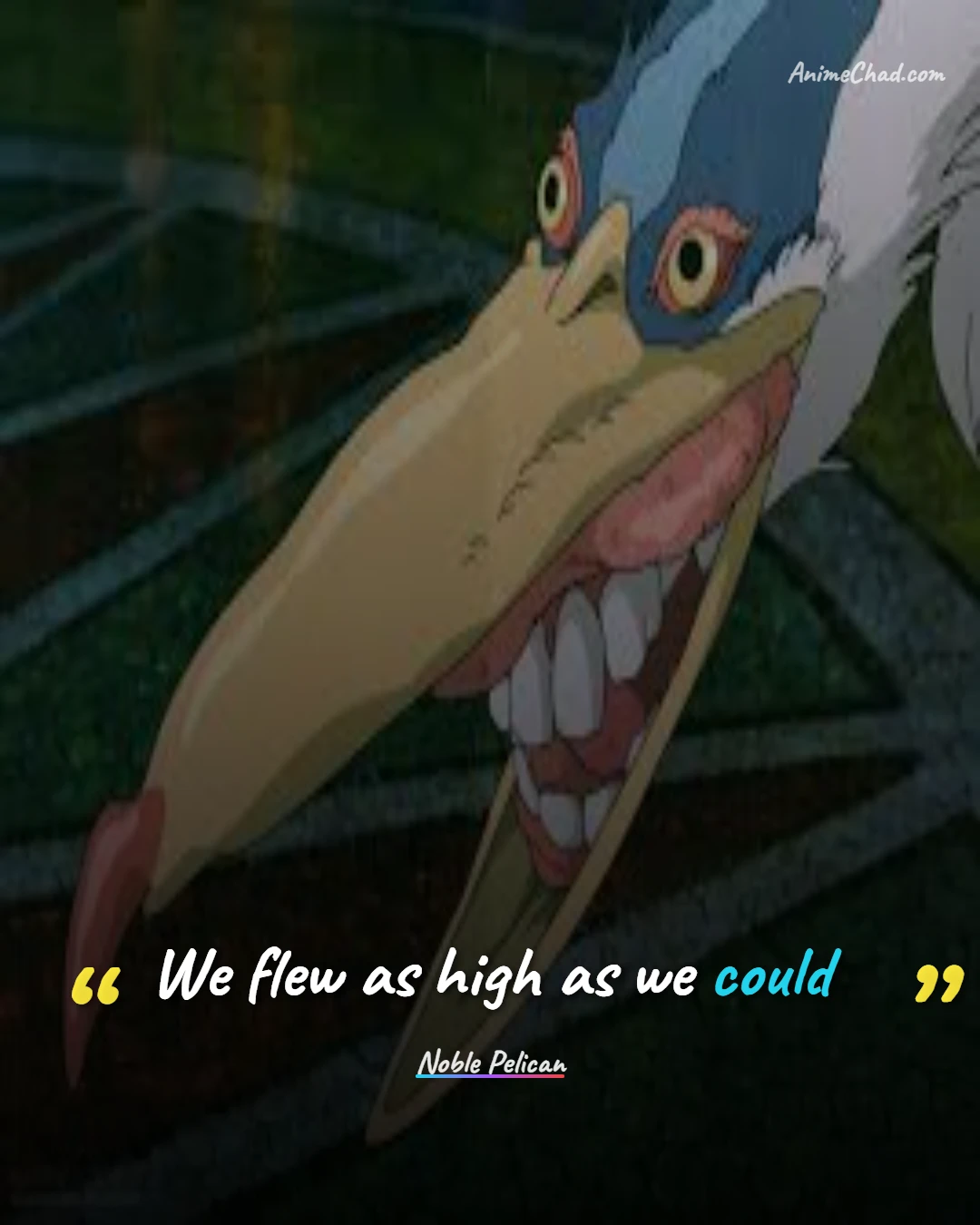
(Pelican’s final confession)
Noble Pelican
Dying words reveal futile escape attempts, paralleling Mahito’s internal flight from grief and underscoring inescapable harsh realities.
A gray heron once told me that all gray herons are liars
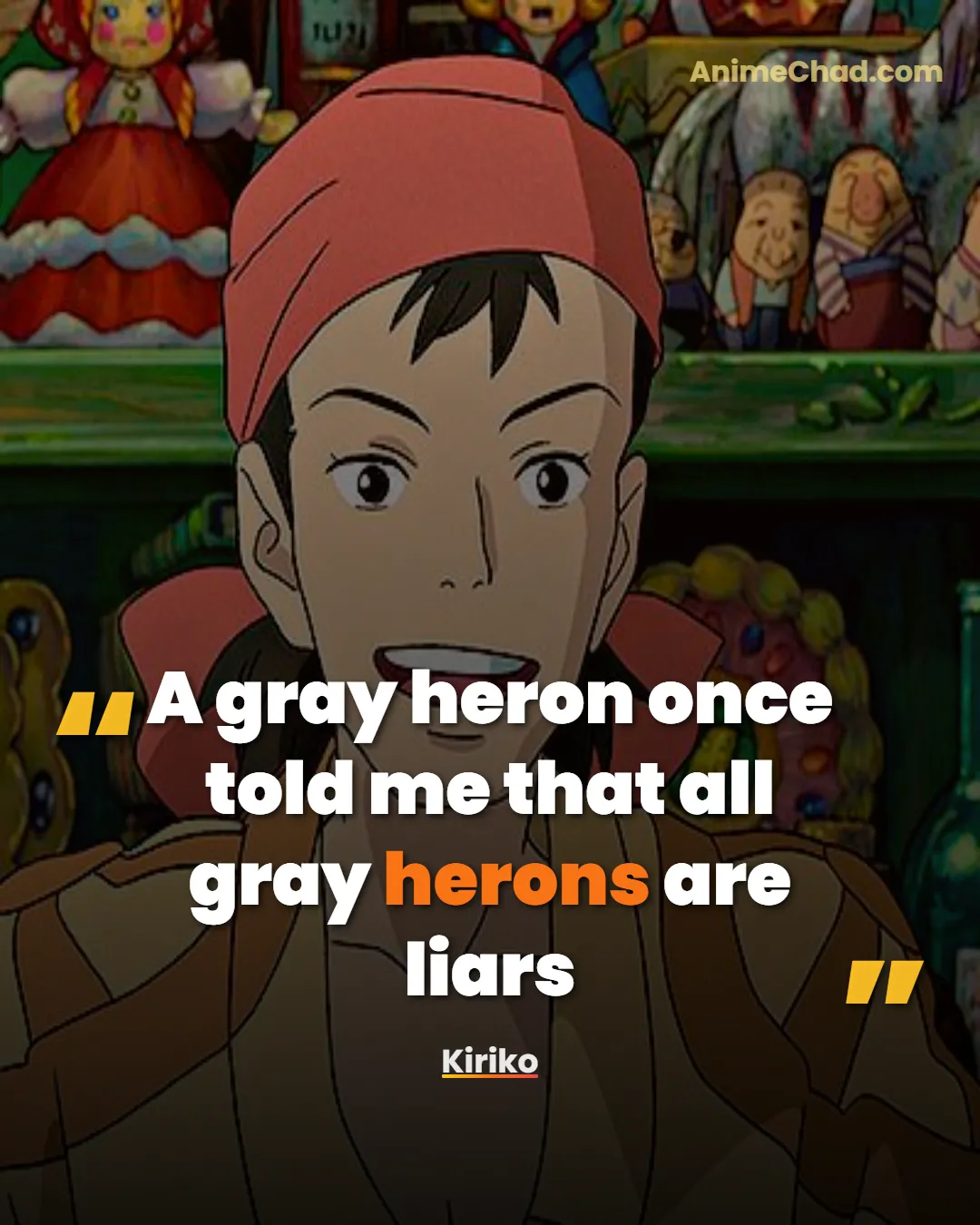
(Liar paradox exchange)
Kiriko
Kiriko’s riddle exposes Heron’s deceit, building wary teamwork and theme of discerning truth in a deceptive otherworld.
You and I aren’t friends or allies, kid
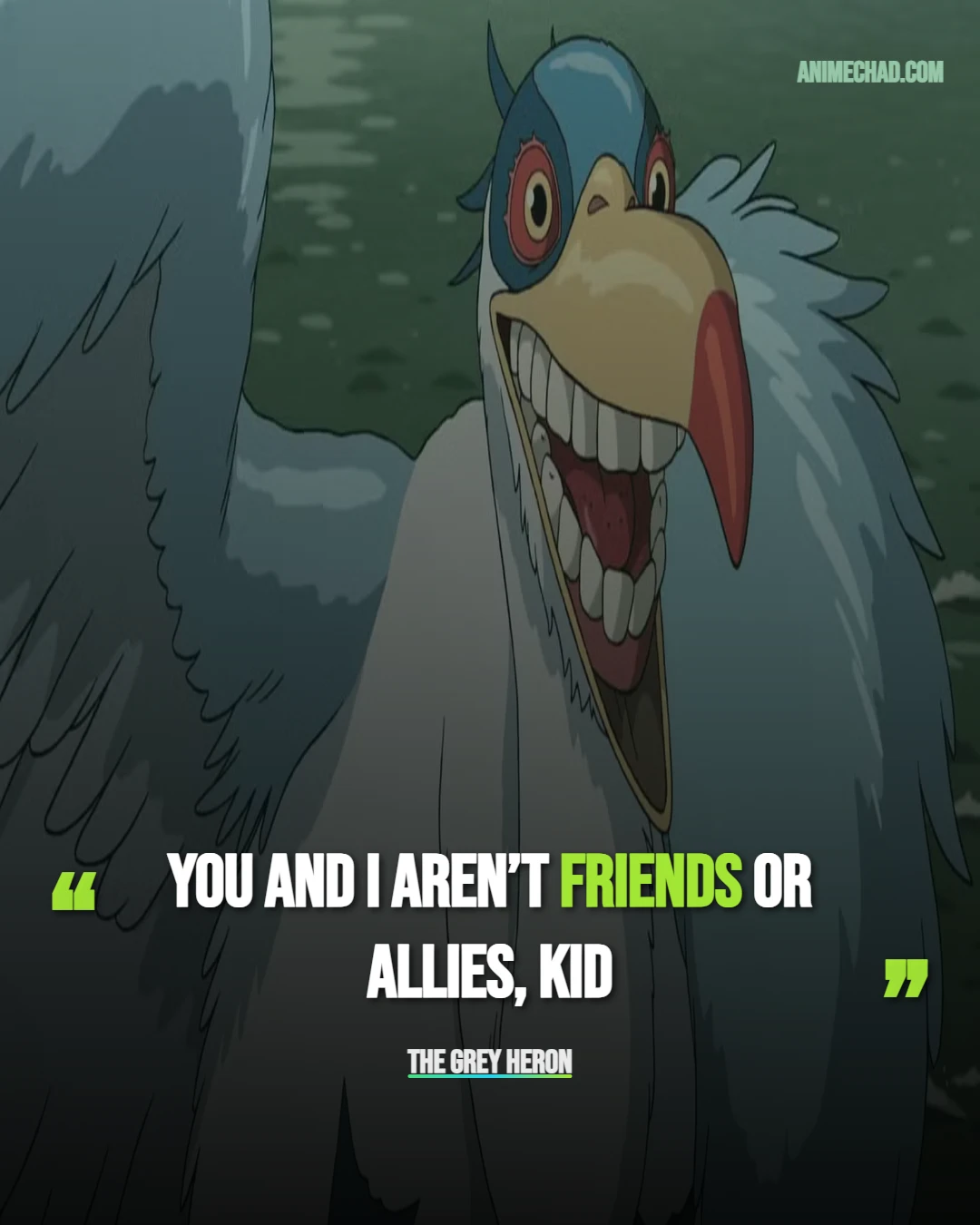
(Post-repair declaration)
The Grey Heron
Heron’s gruff boundary after repair reinforces pragmatic bond, marking shift from antagonism to uneasy partnership.
Those guys will even eat an elephant
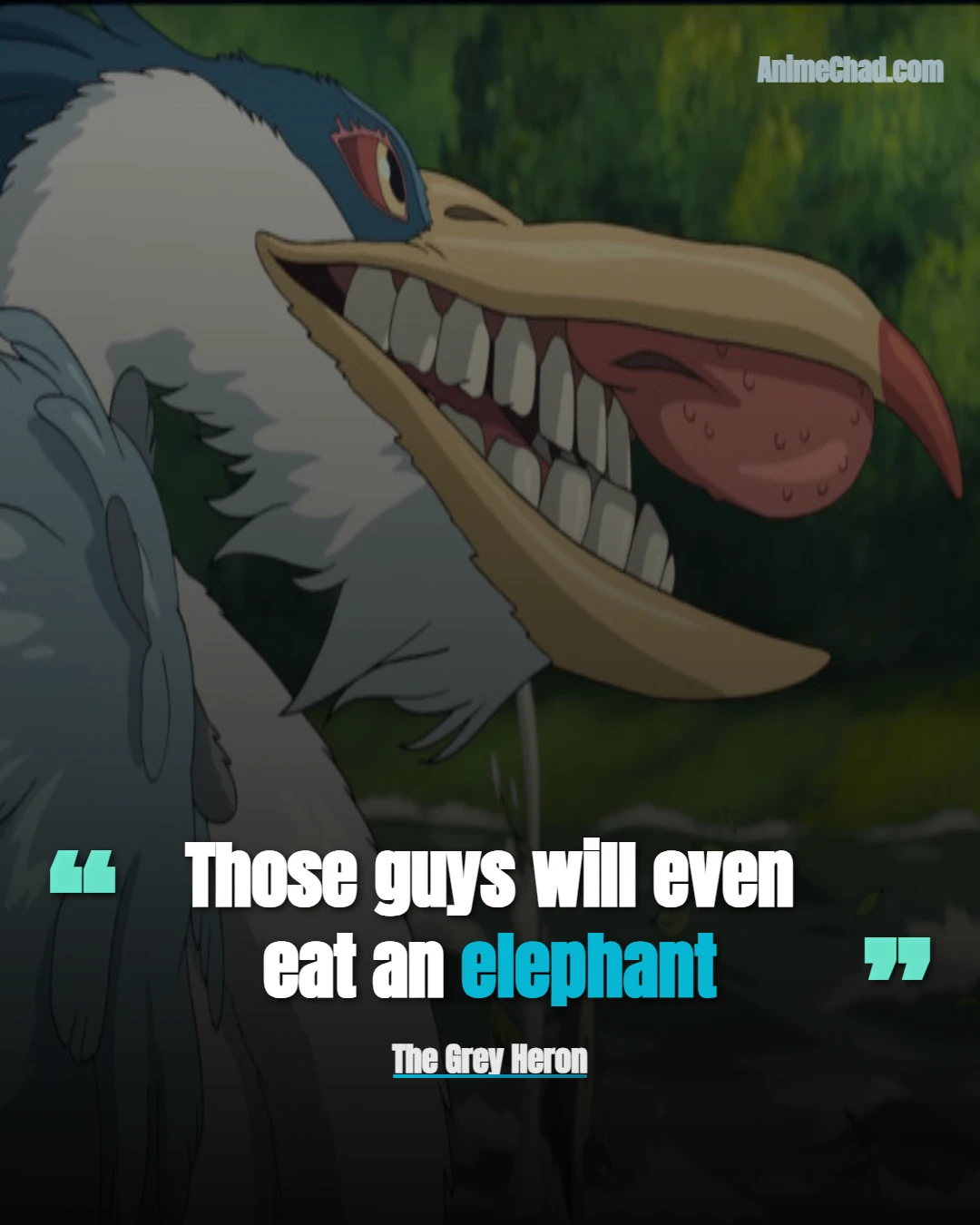
(Parakeet warning)
The Grey Heron
Casual threat underscores tower world’s dangers, heightening tension before infiltration and Mahito’s bravery test.
We have been waiting for you
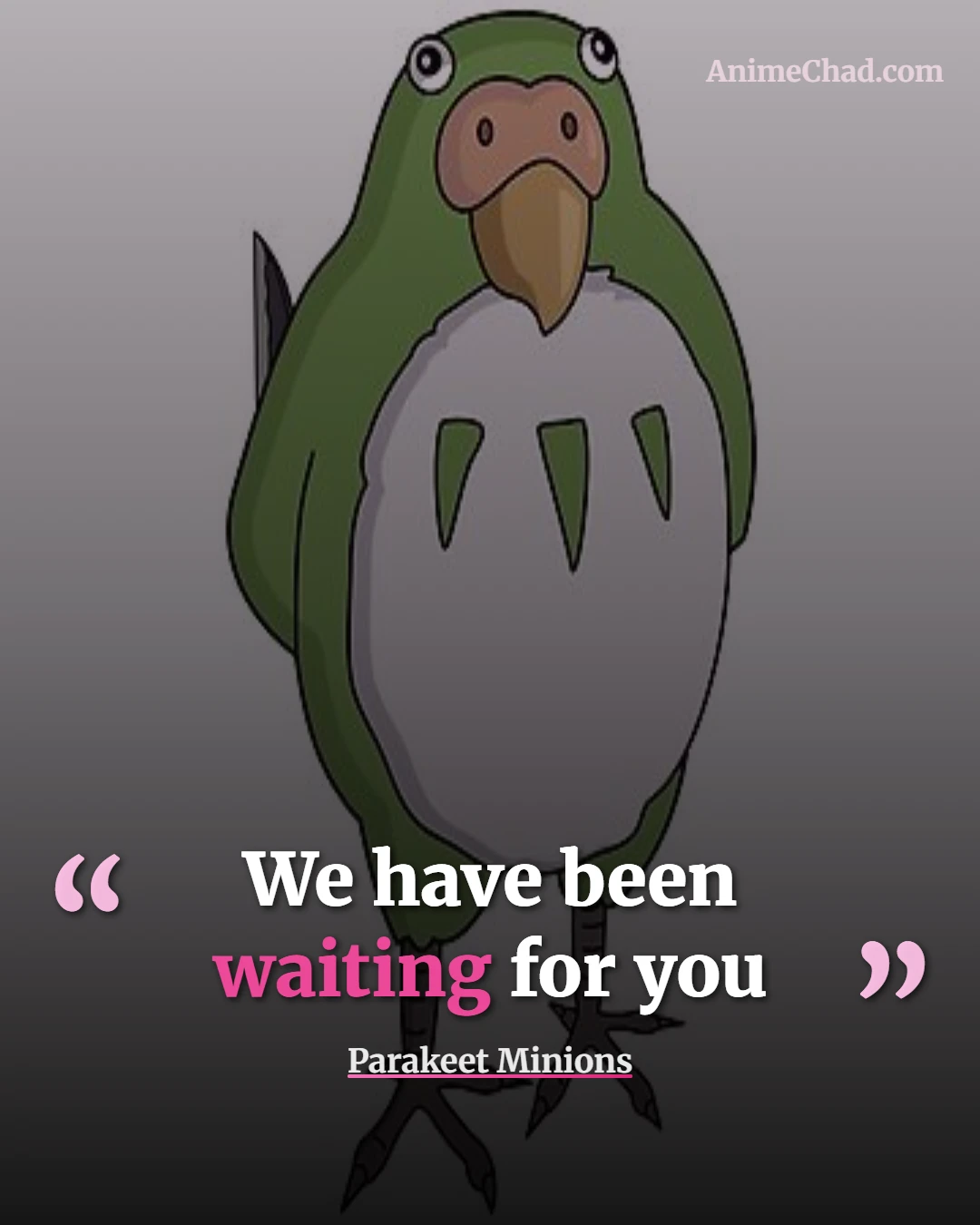
(Parakeet ambush)
Parakeet Minions
Cannibalistic welcome traps Mahito, amplifying horror and forcing confrontation with predatory malice in the realm.
Oh, Mahito turned into a parakeet
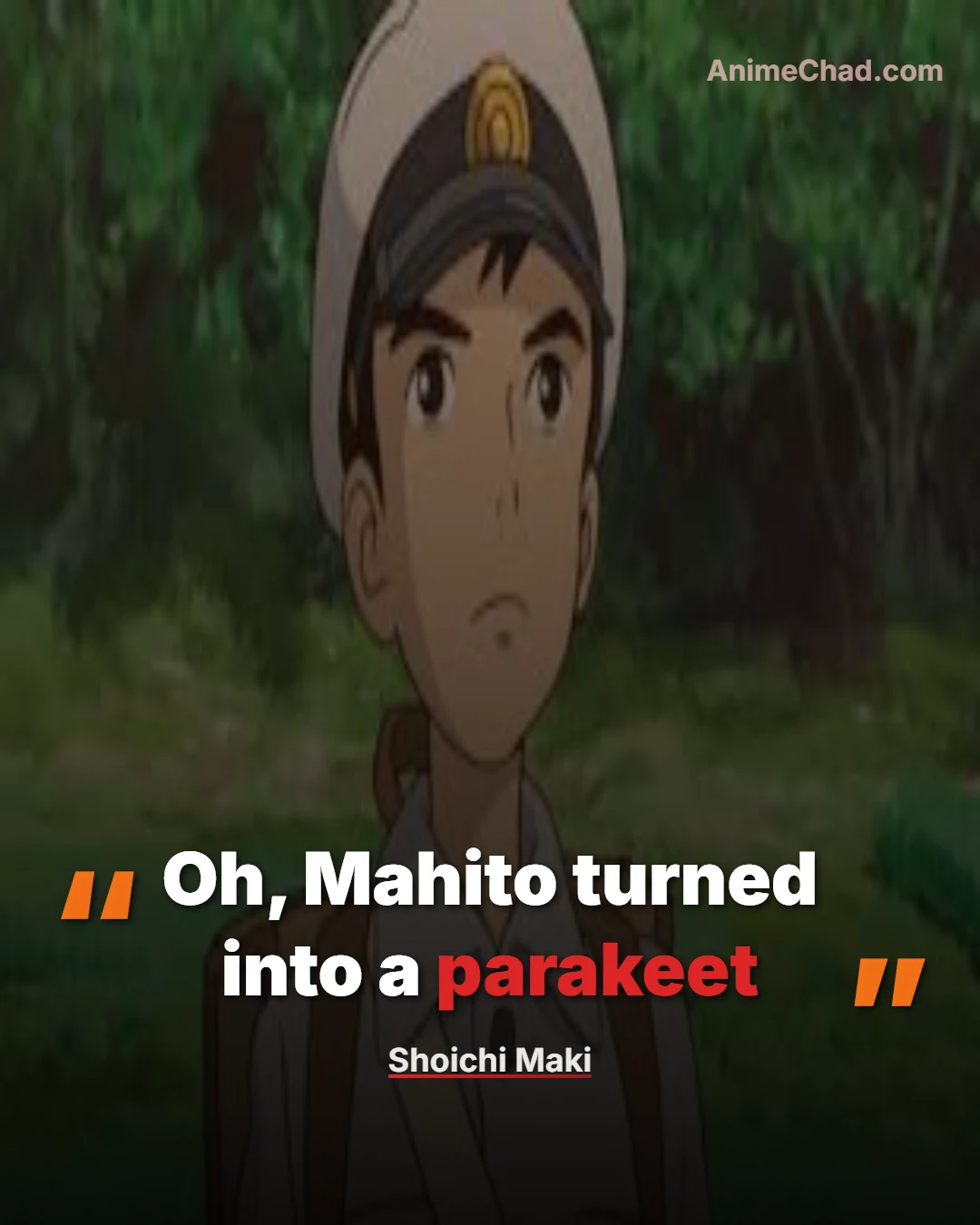
(Rescue shock)
Shoichi Maki
Father’s dismay at transformation highlights surreal chaos, blending familial love with Mahito’s identity crisis.
There’s more work to be done
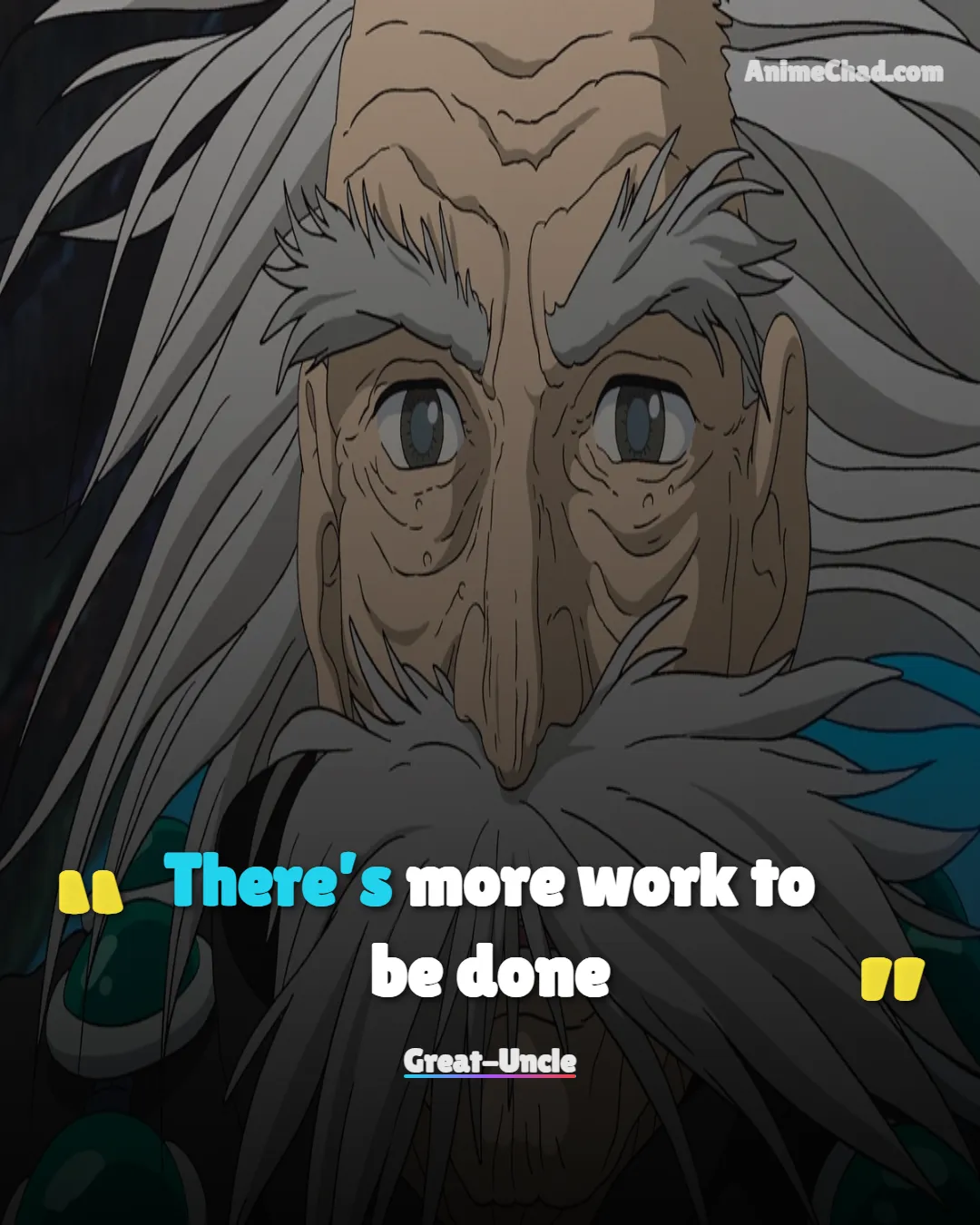
(Tower maintenance reveal)
Great-Uncle
Granduncle’s weary admission shows world’s fragility, introducing succession burden and Mahito’s pivotal choice.
Worlds are living things, and they can be infected by mold and bugs
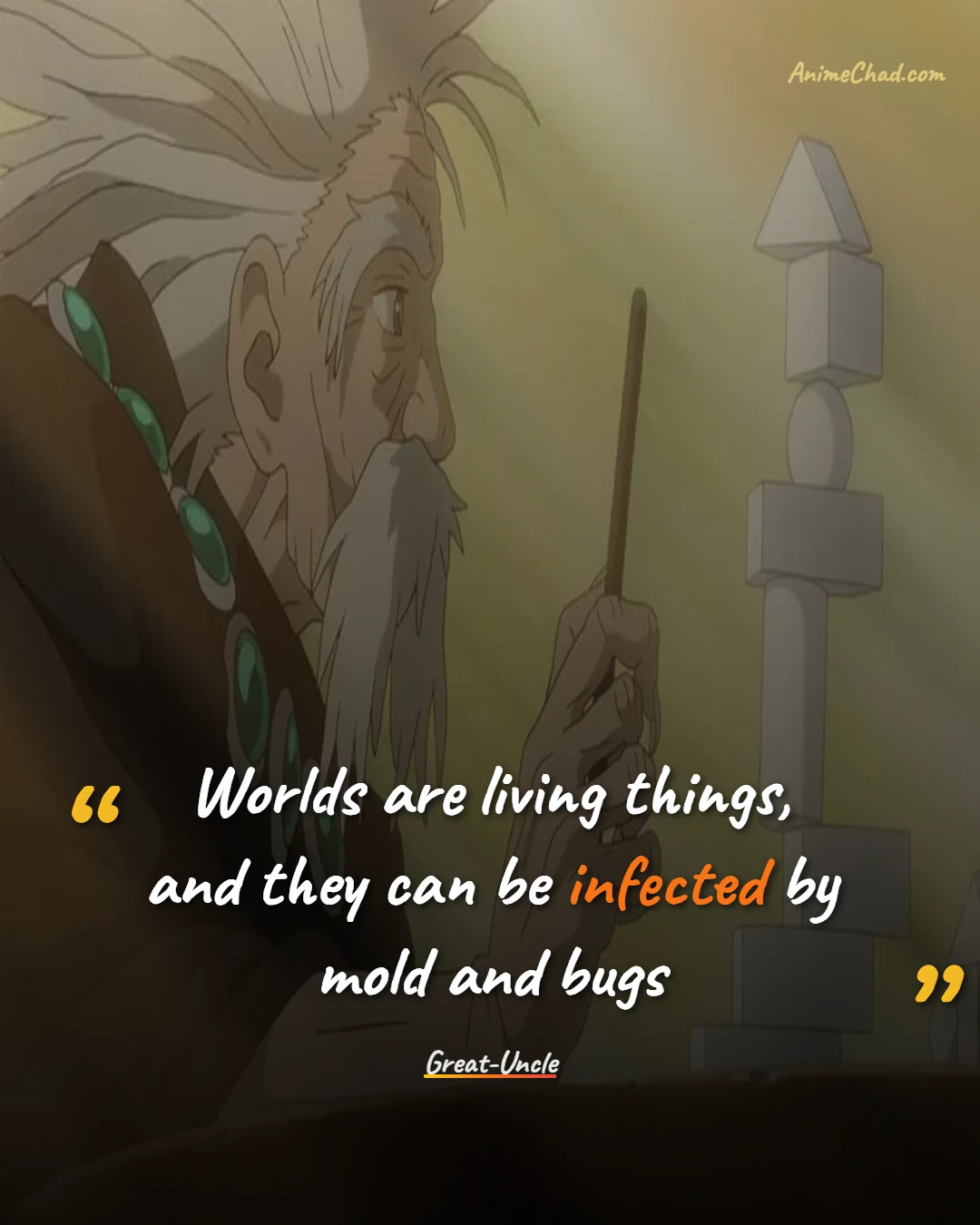
(Creation philosophy)
Great-Uncle
Metaphor reveals impermanence, challenging Mahito to confront entropy and his role in sustaining flawed existence.
These stones here have not been stained with malice
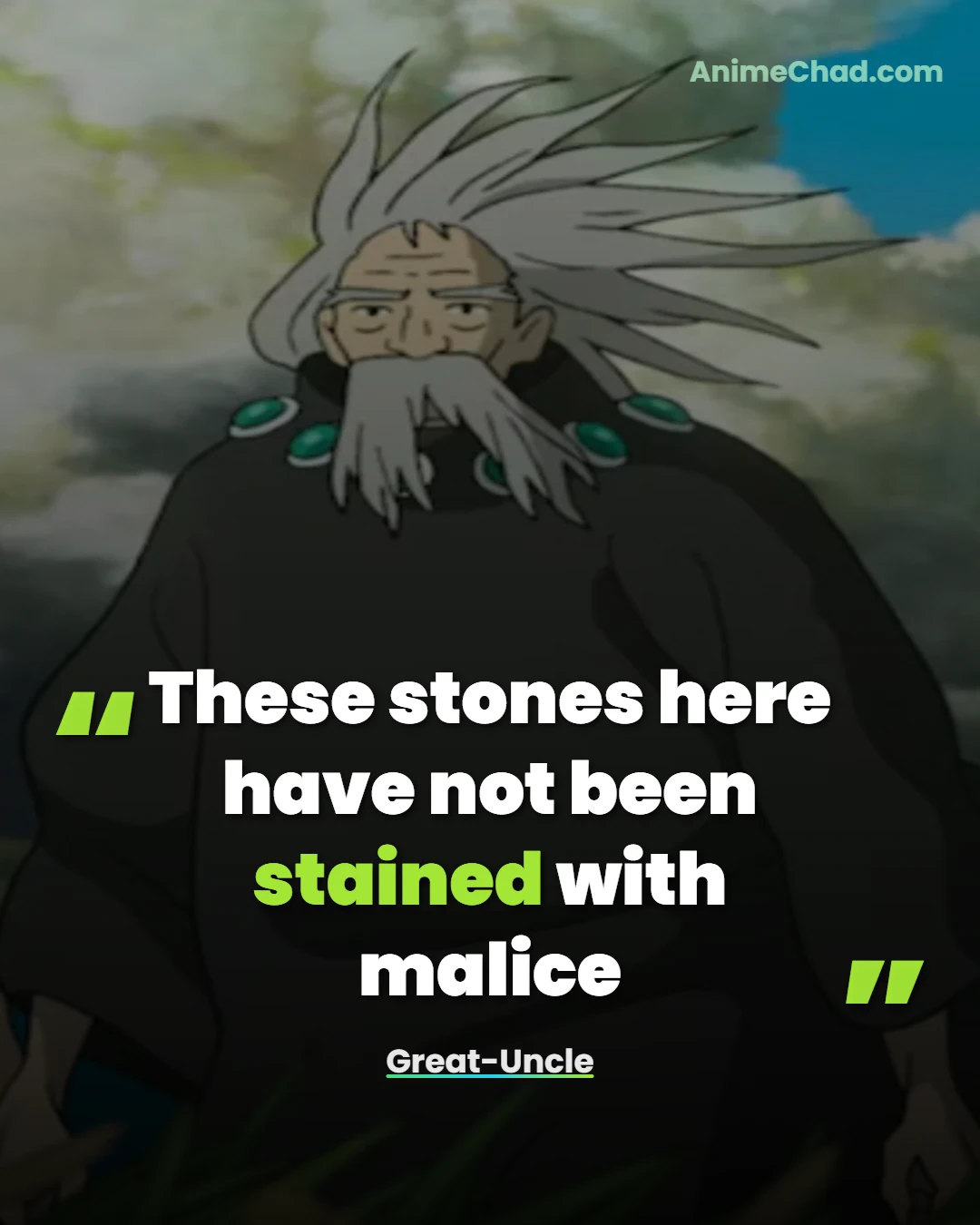
(Pure stones offer)
Great-Uncle
Tempting proposal for pure world tests Mahito’s self-awareness, contrasting escapist ideal with reality’s flaws.
I gave myself this scar on my head. It’s a sign of my malice
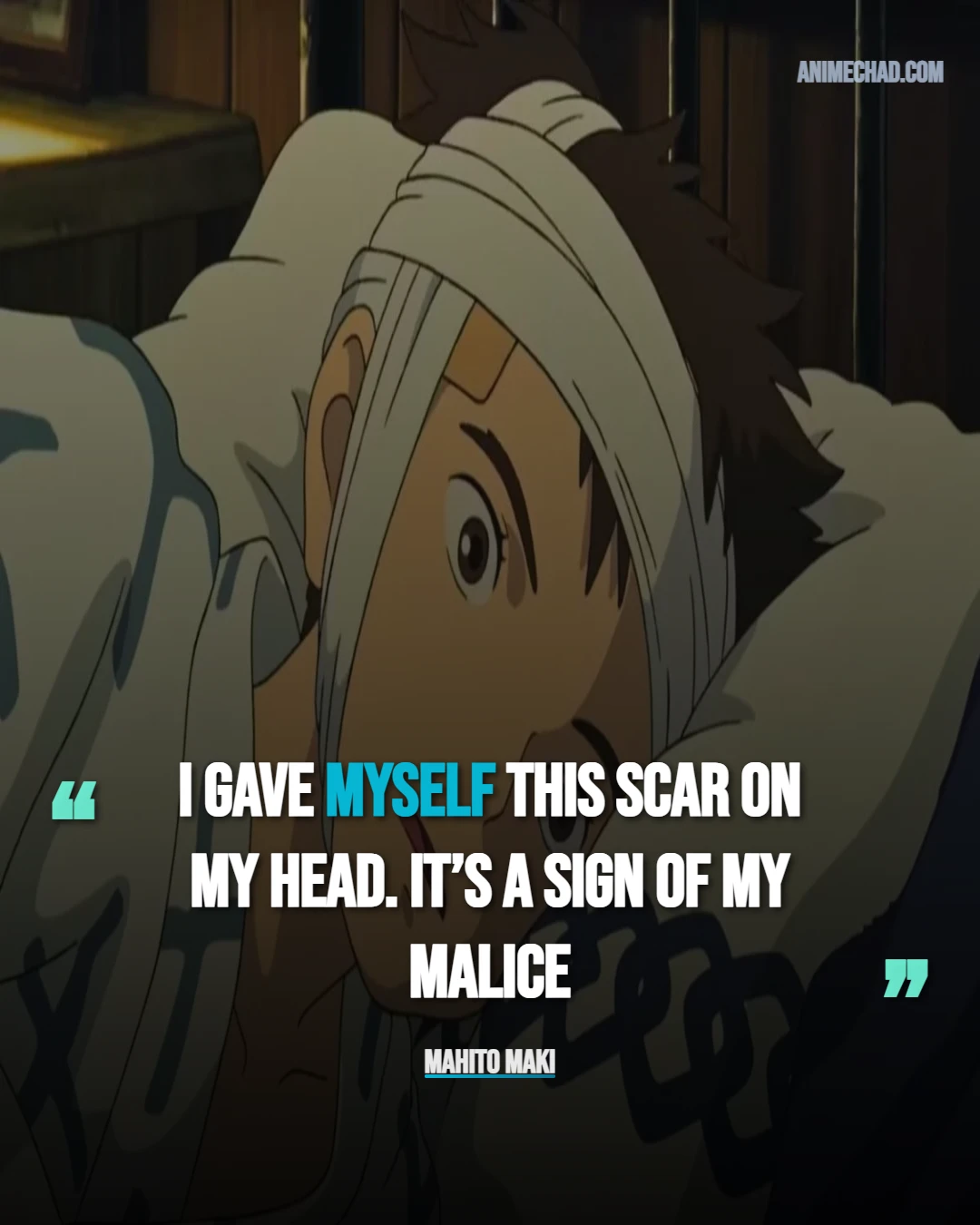
(Scar rejection)
Mahito Maki
Mahito’s refusal acknowledges inner darkness, pivotal growth in accepting imperfection over false utopia.
Create a world of bounty, peace, and beauty
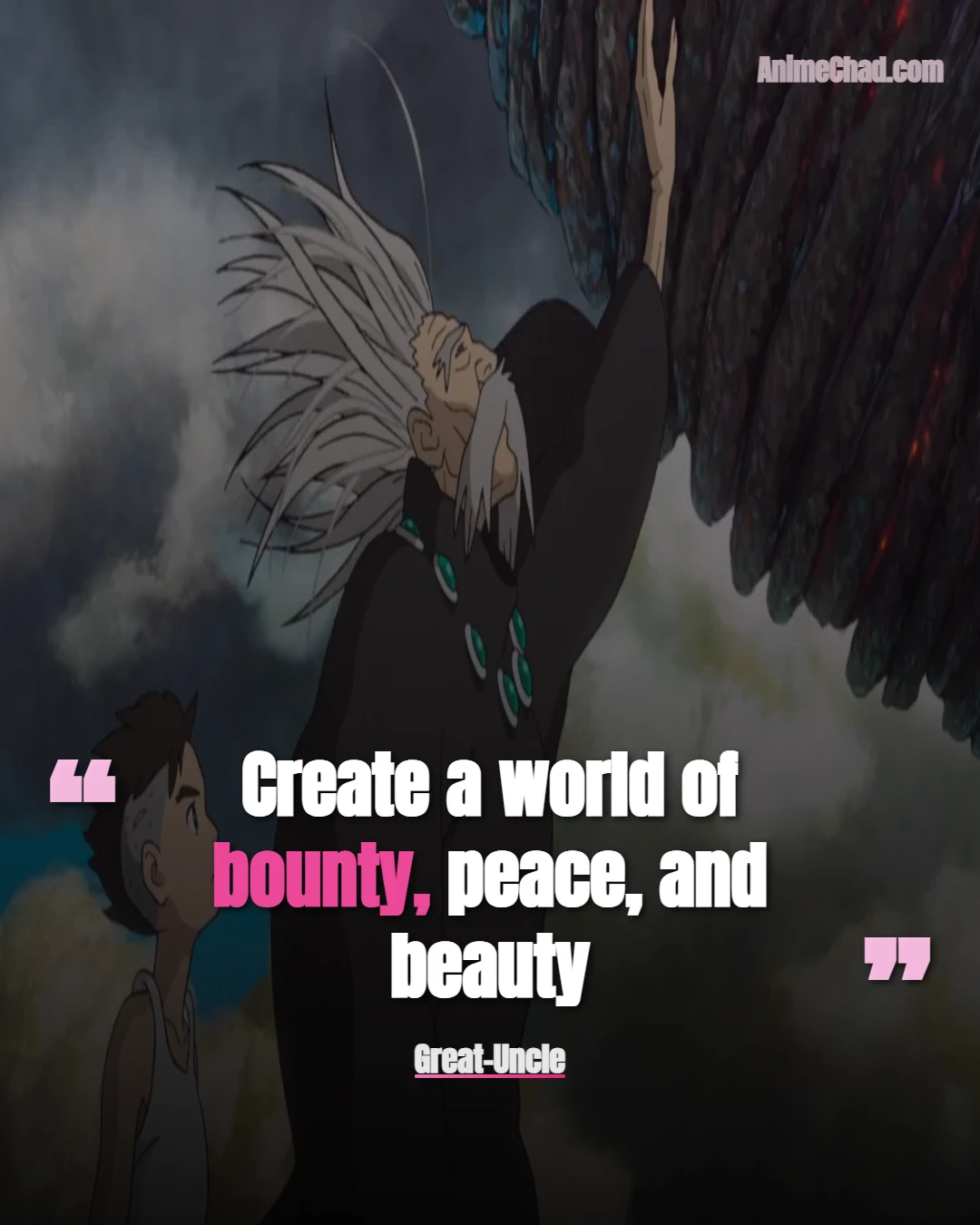
(Succession vision)
Great-Uncle
Idealistic call echoes Miyazaki’s themes, rejected by Mahito to embrace real world’s messiness and connections.
I hope you know what a good boy you are
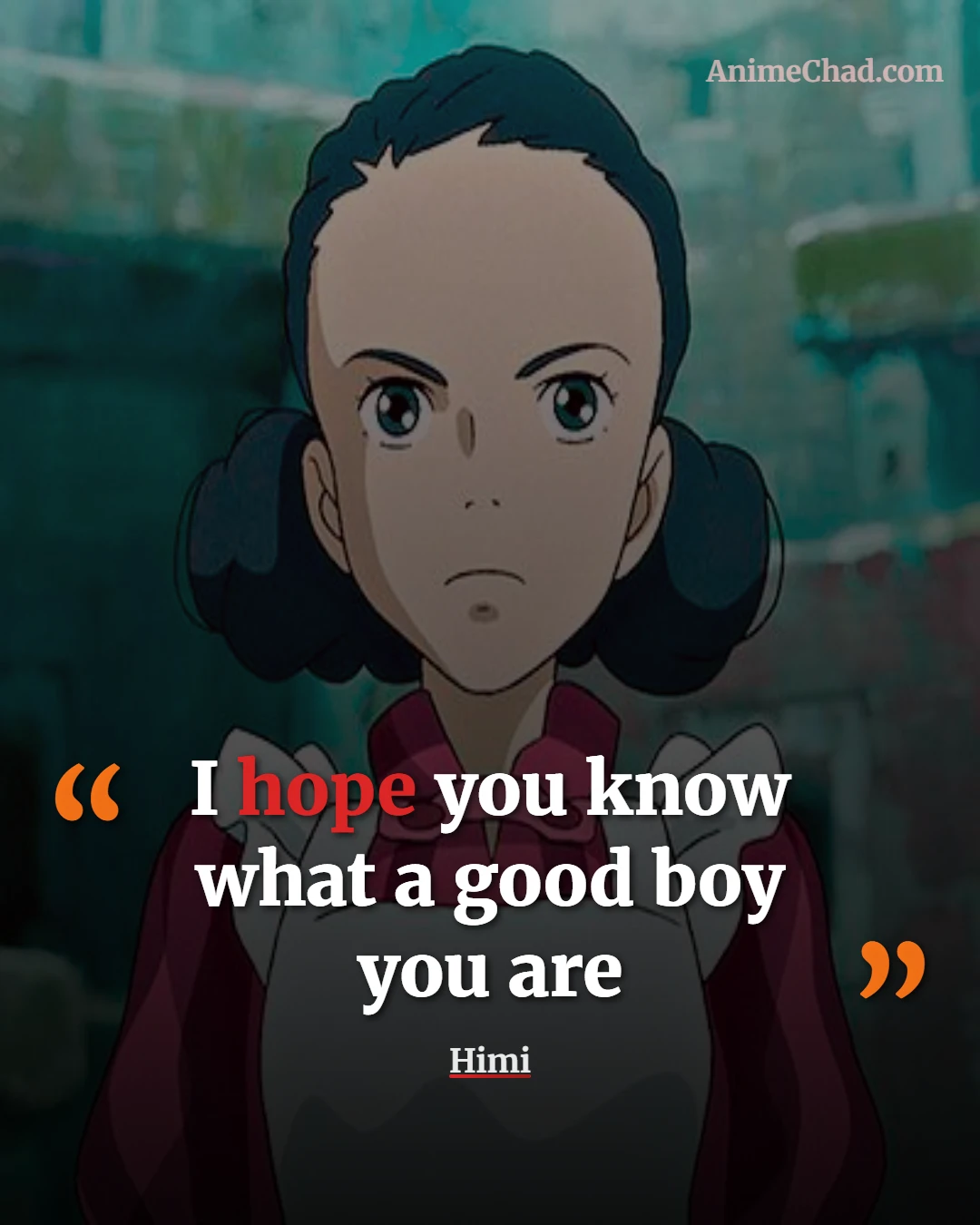
(Farewell affirmation)
Himi
Himi’s tender words validate Mahito’s worth amid parting, emotional peak resolving maternal grief arc peacefully.
You must see with eyes unclouded by hate
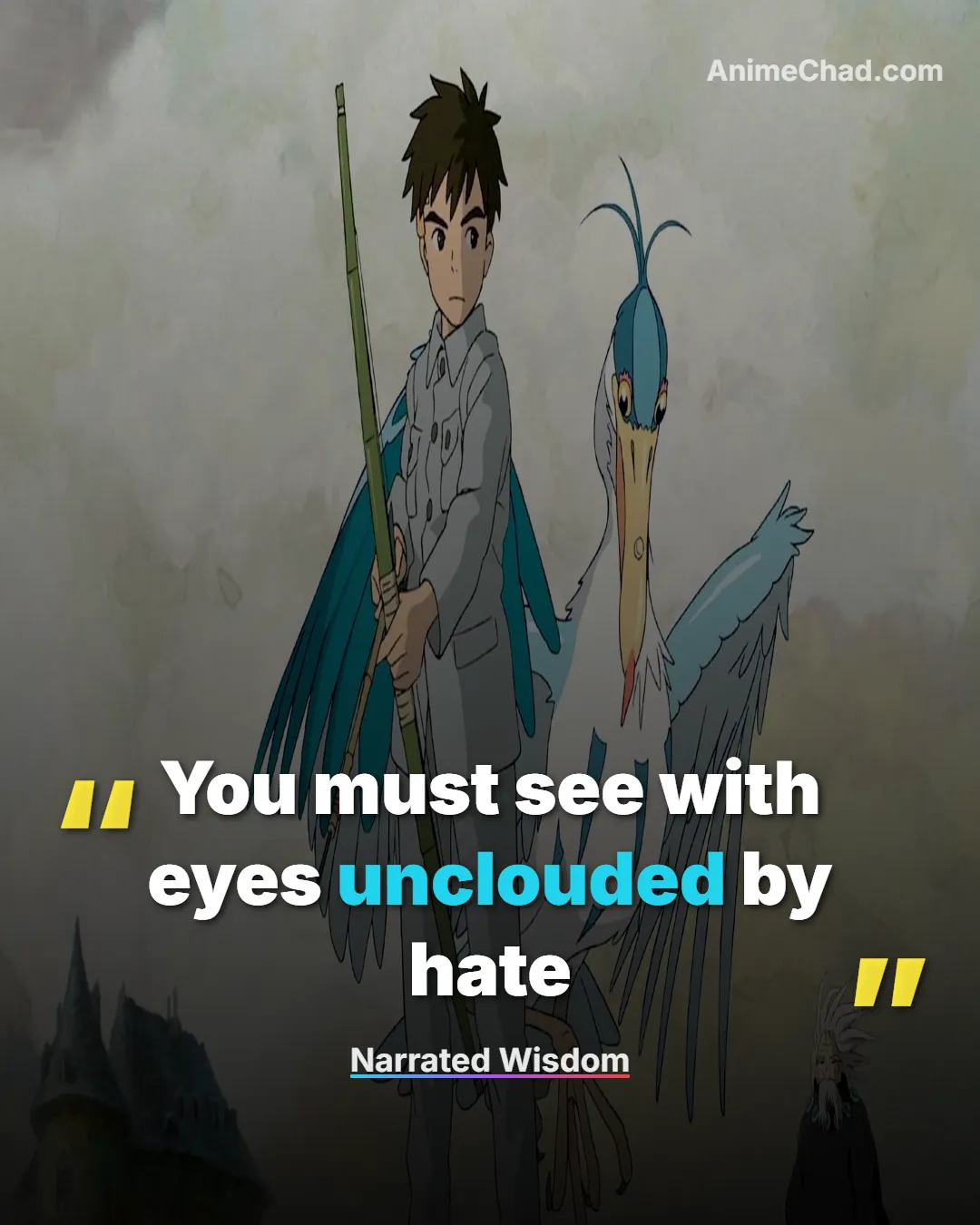
(Implicit guidance echo)
Narrated Wisdom (film motif)
Overarching advice guides Mahito’s clarity, balancing turmoil with hope for goodness despite evil.
Every now and then, strange things happen here
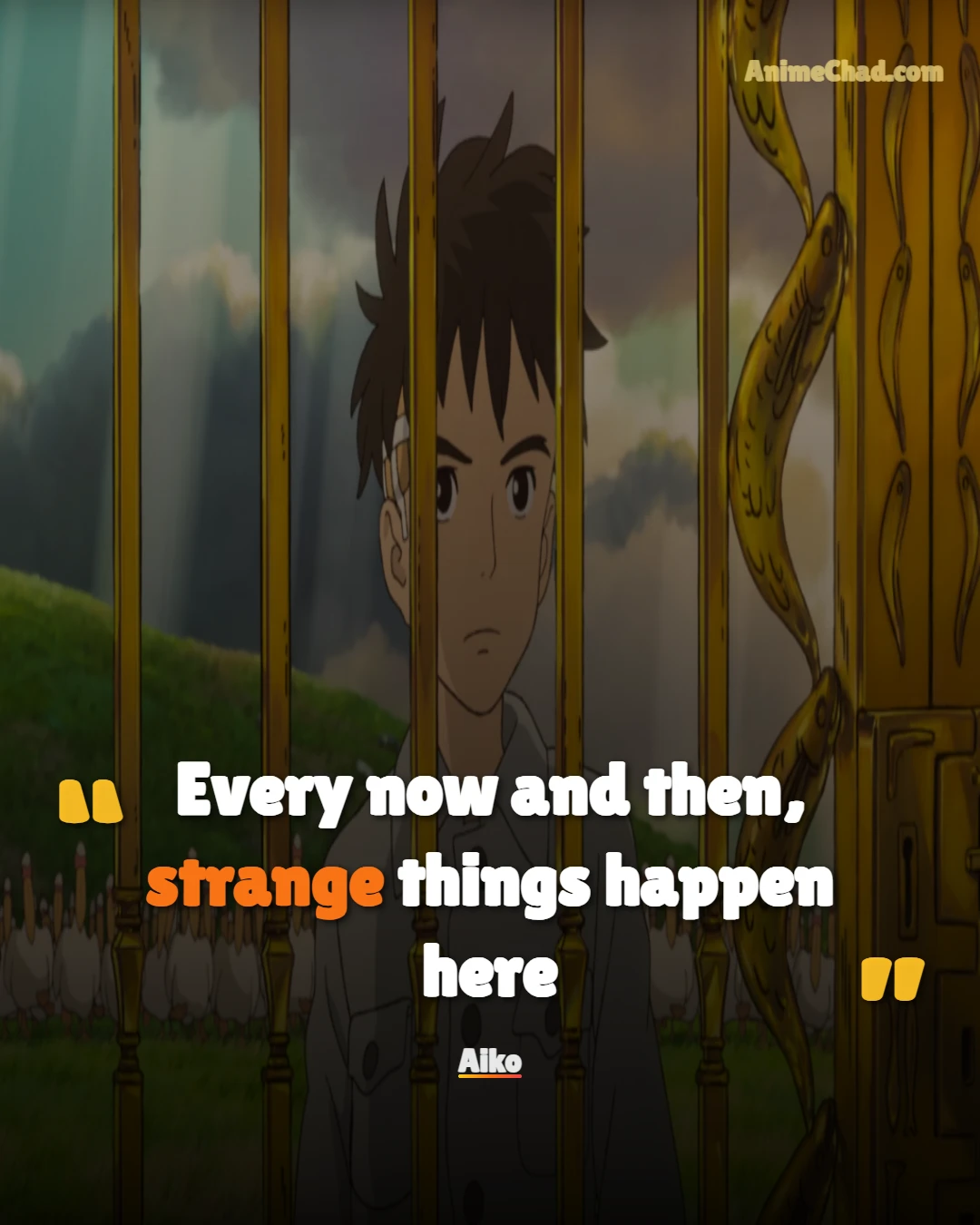
(Mansion lore)
Aiko
Hints at tower’s mystery build intrigue, connecting everyday war life to fantastical intrusions.
Daddy will get you vengeance
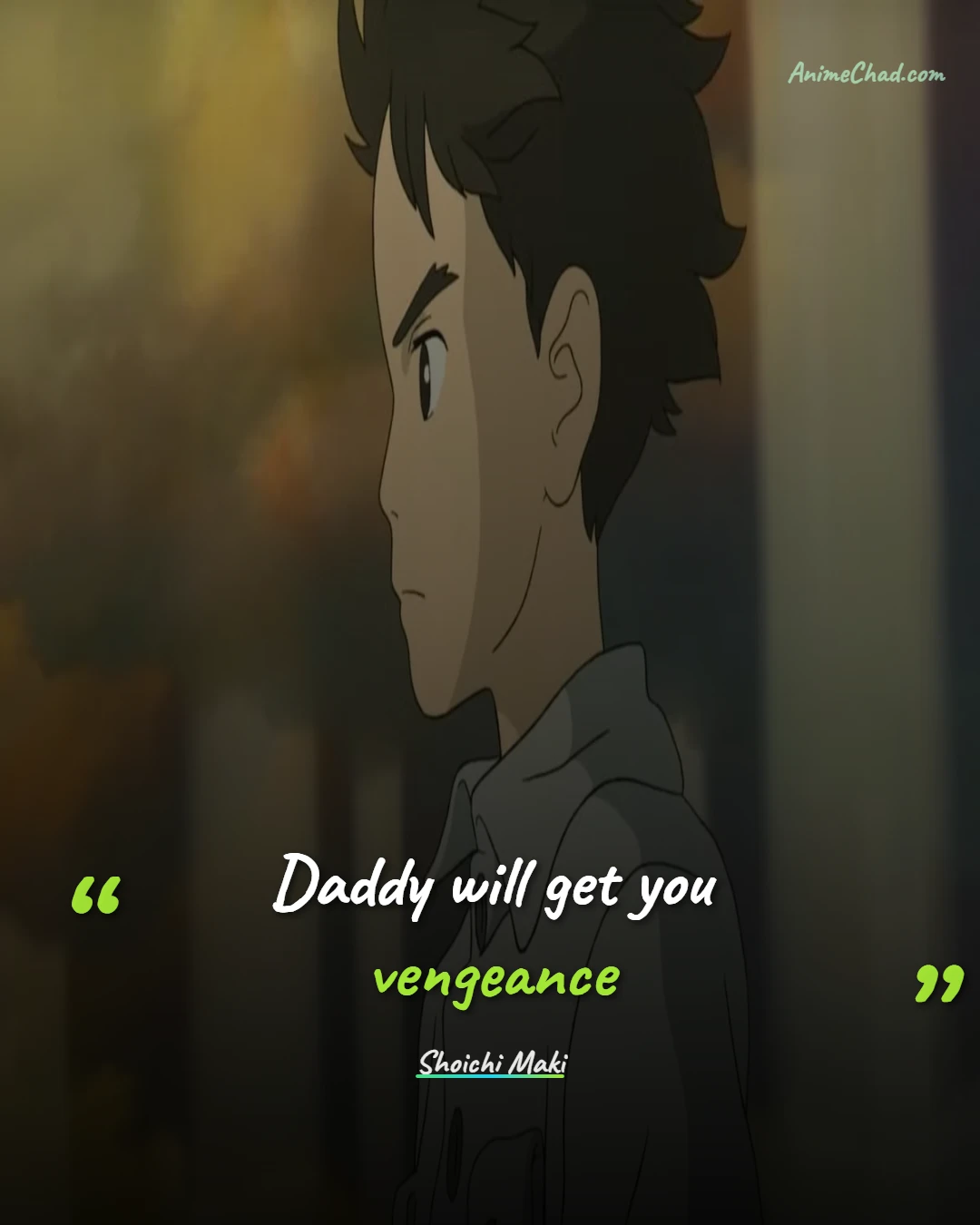
(Self-inflicted injury fallout)
Shoichi Maki
Father’s protective fury shows family bonds strained by grief, highlighting Mahito’s self-harm as cry for understanding.
I’m going to be your new mother from now on
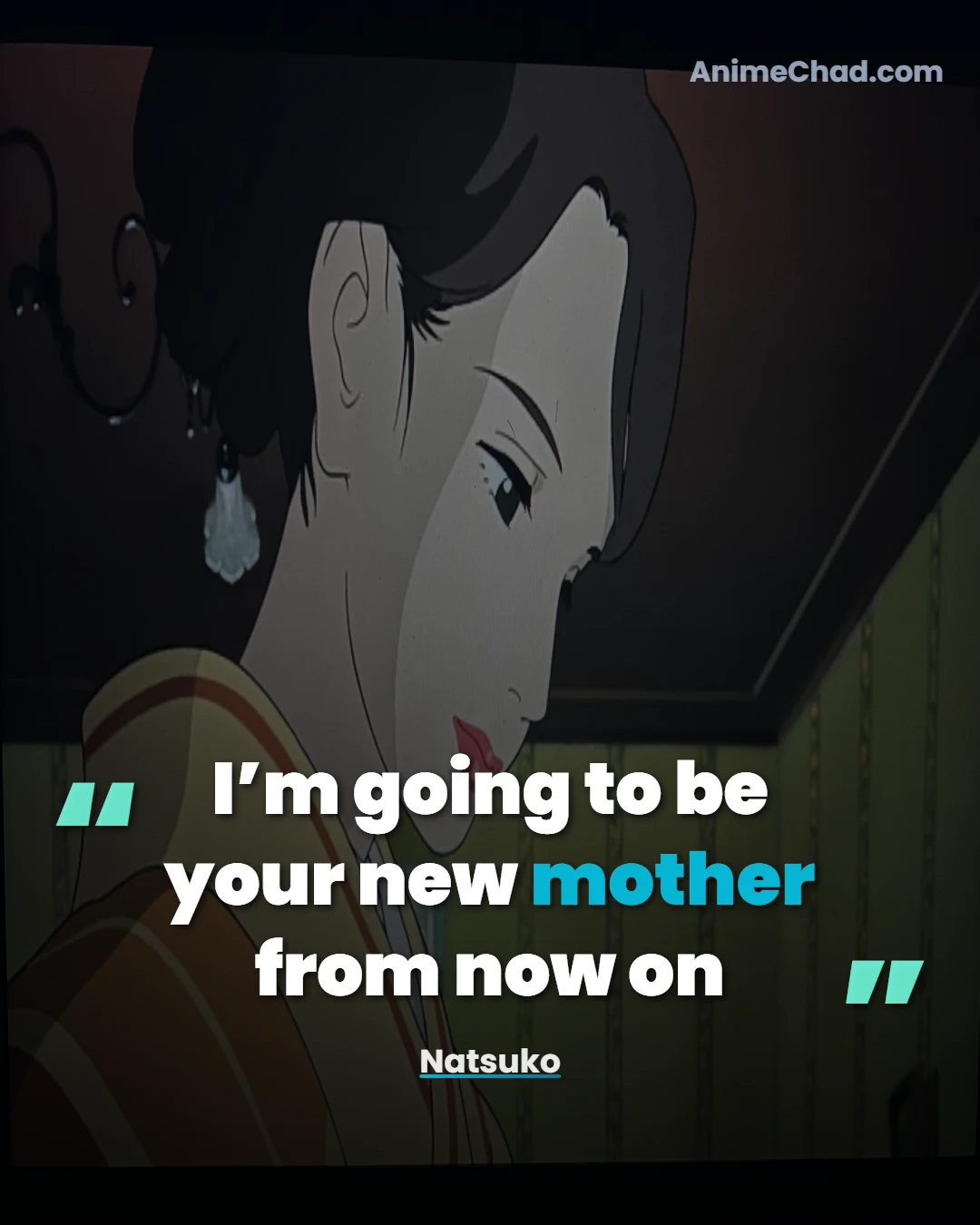
(Stepmother introduction)
Natsuko
Natsuko’s hopeful overture initiates tense family dynamic, theme of rebuilding amid loss in peaceful domestic moment.
My kind were all starving
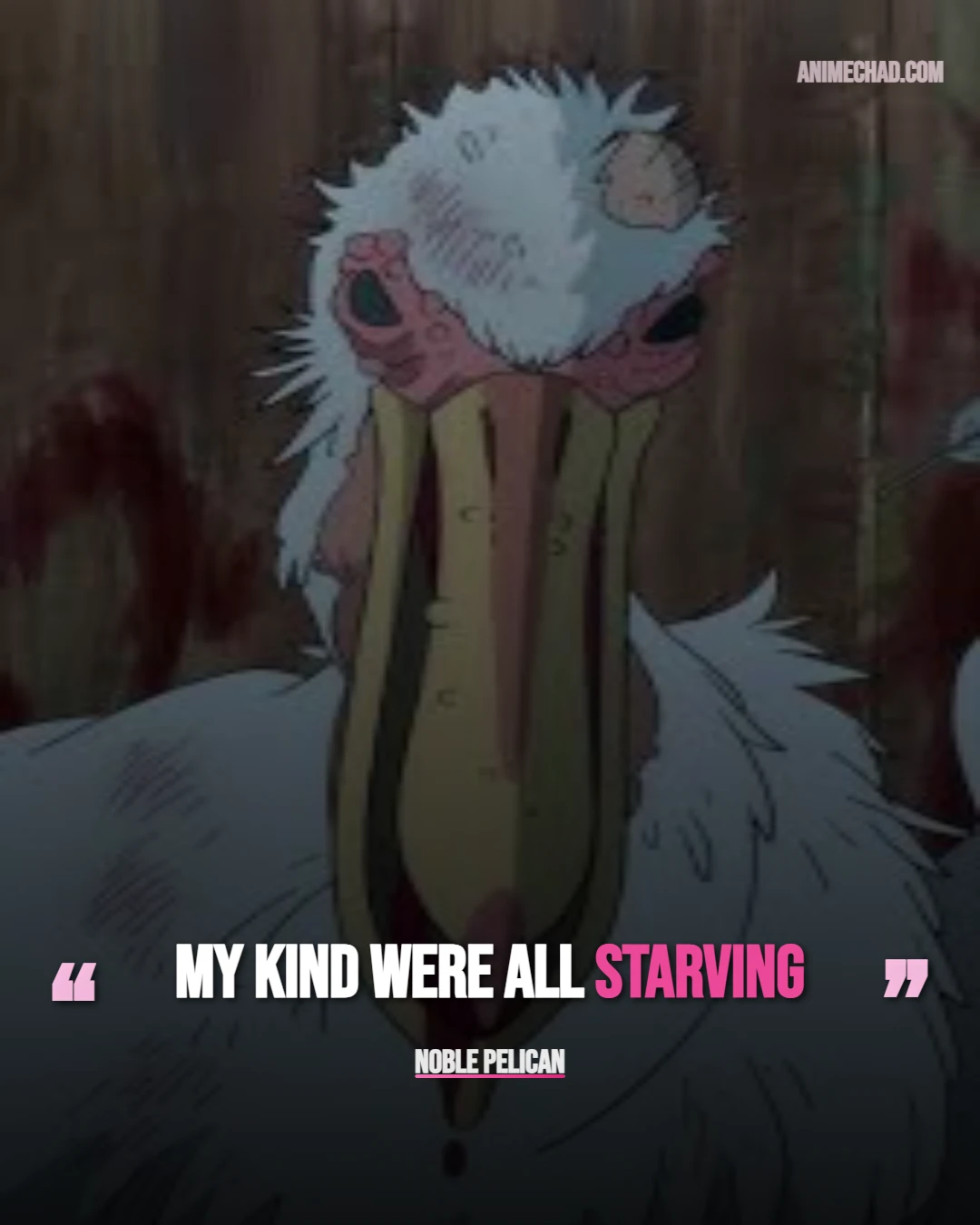
(Pelicans’ plight)
Noble Pelican
Confession humanizes antagonists, revealing shared suffering and war-like scarcity driving tower world’s conflicts.
You’re a good boy
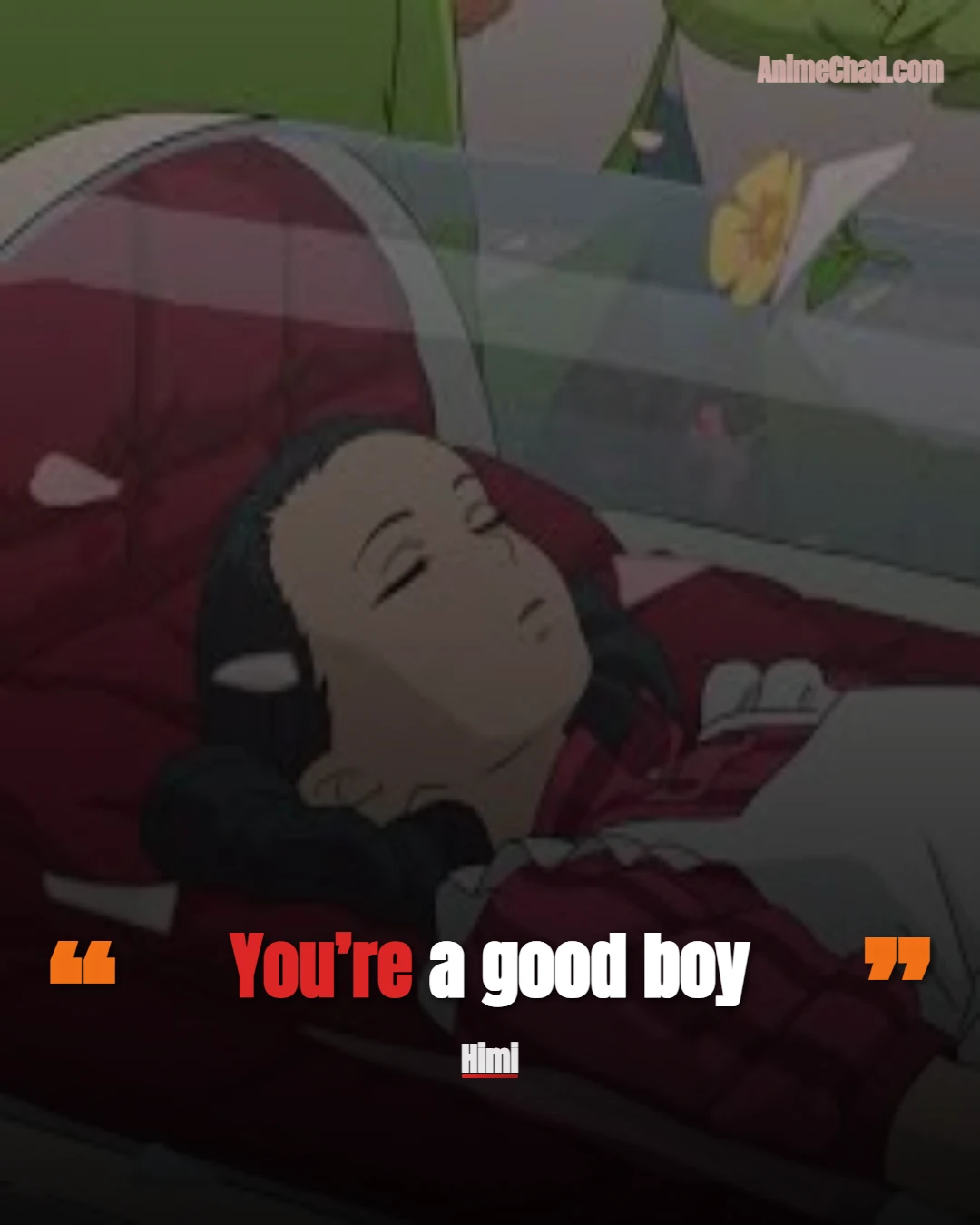
(Affirmation climax)
Himi
Reinforces Mahito’s growth from isolation to self-worth, emotional closure in collapsing world.
Most people tend to forget
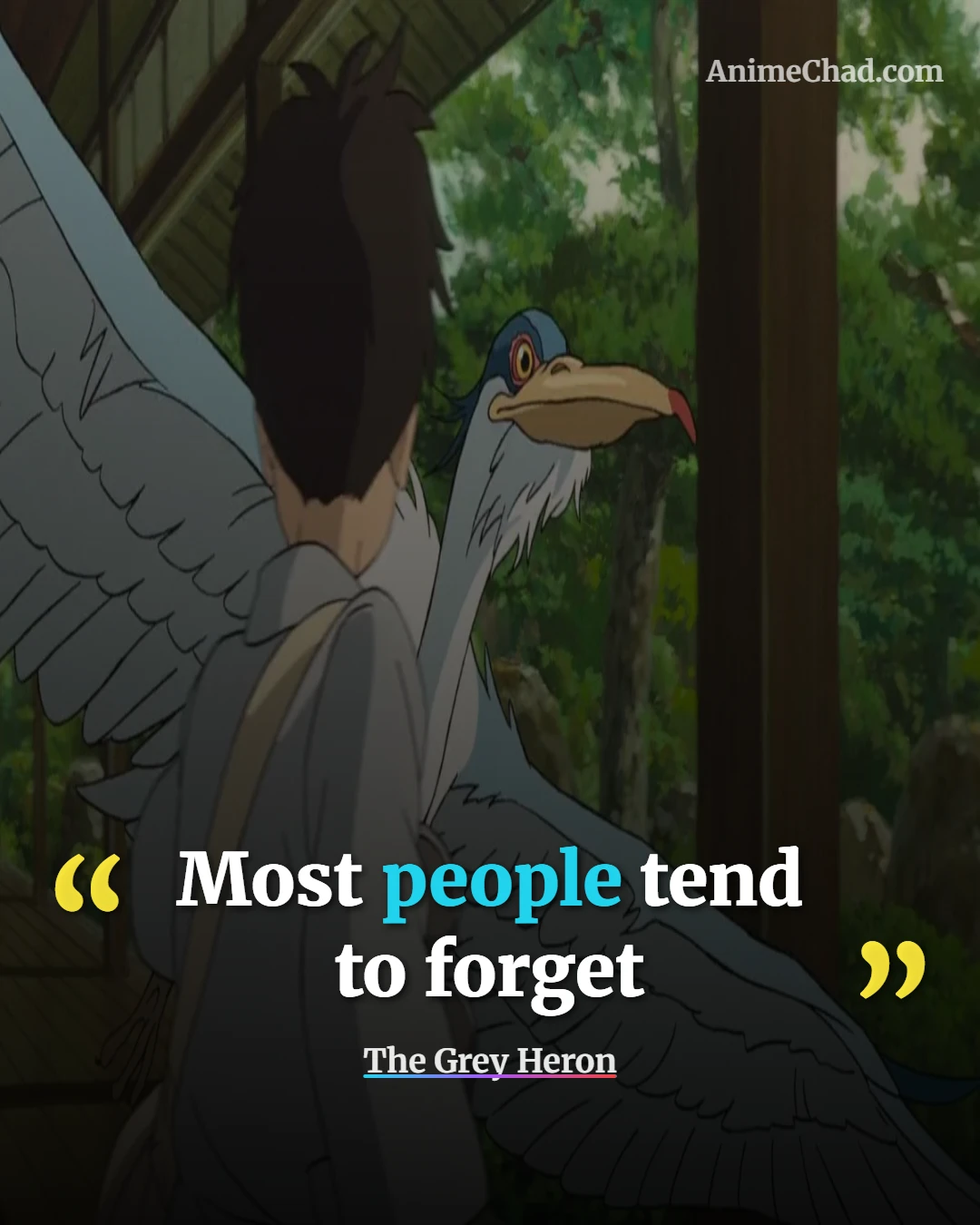
(Final admonition)
The Grey Heron
Heron’s warning on memories underscores moving forward from trauma, blending whimsy with poignant release.