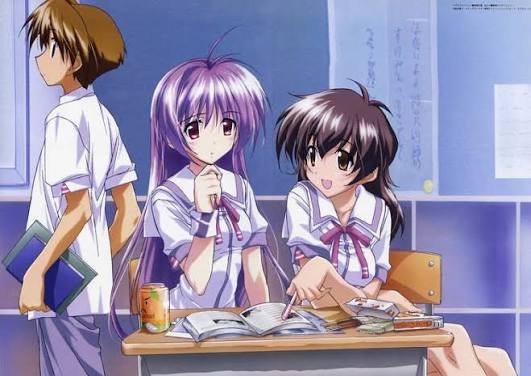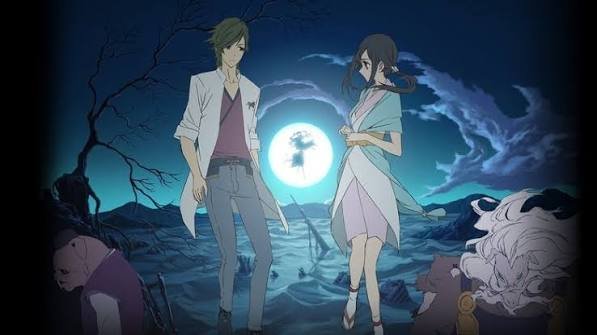
Kokoro Connect follows five high school friends in the Student Cultural Society (StuCS) as they face supernatural body swaps, unleashed desires, and emotional exchanges that expose their inner struggles. The series delves into themes of identity, friendship, vulnerability, and authentic self-expression amid chaos.
This curated collection of 25 quotes highlights character growth and emotional depth across key arcs.

If you’re lonely, you should say something!
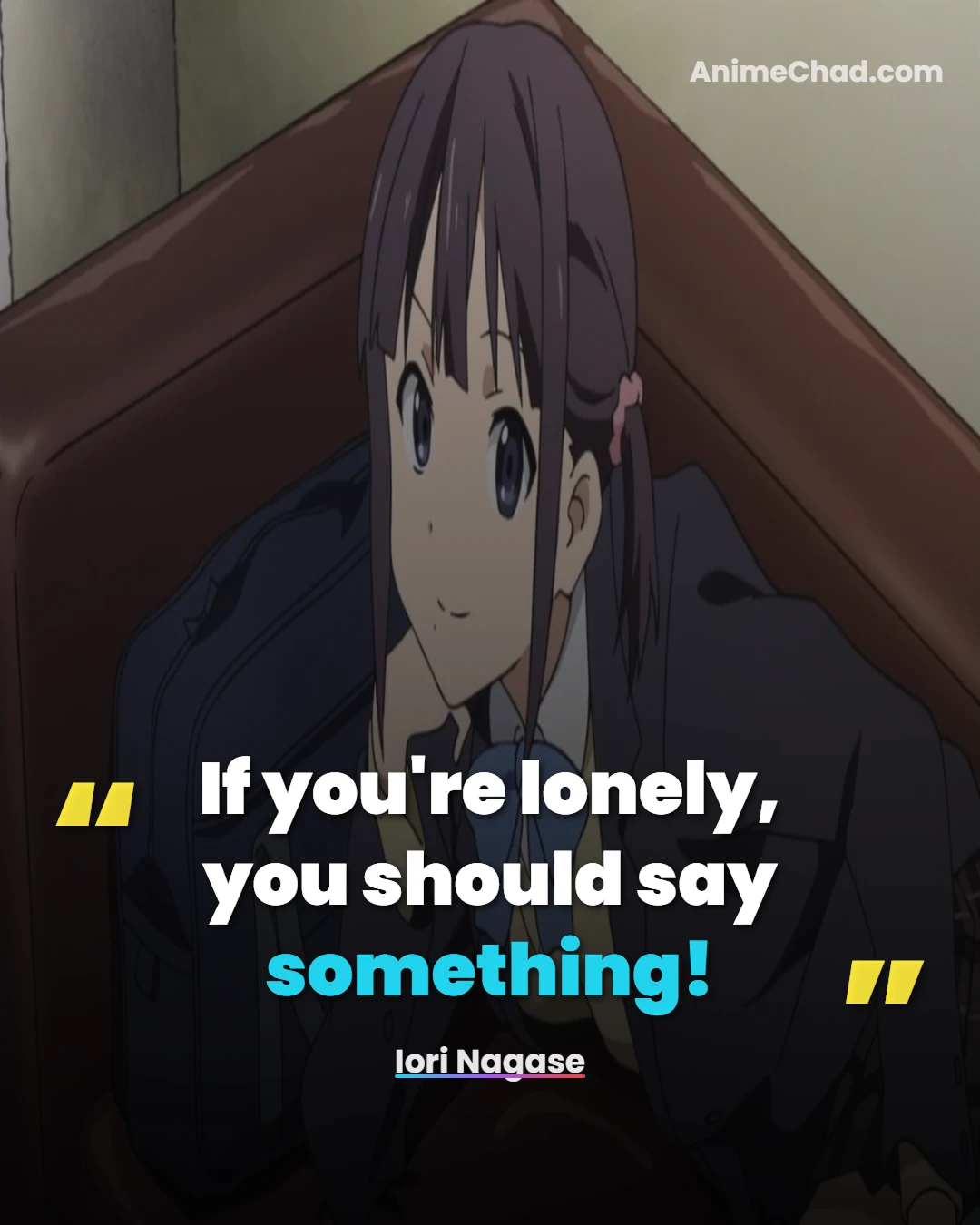
Episode 1 (The Person You Like)
Iori Nagase
Urges open communication, revealing her own hidden loneliness and setting the theme of verbalizing emotions for true bonds.
What defines humans… defines us?
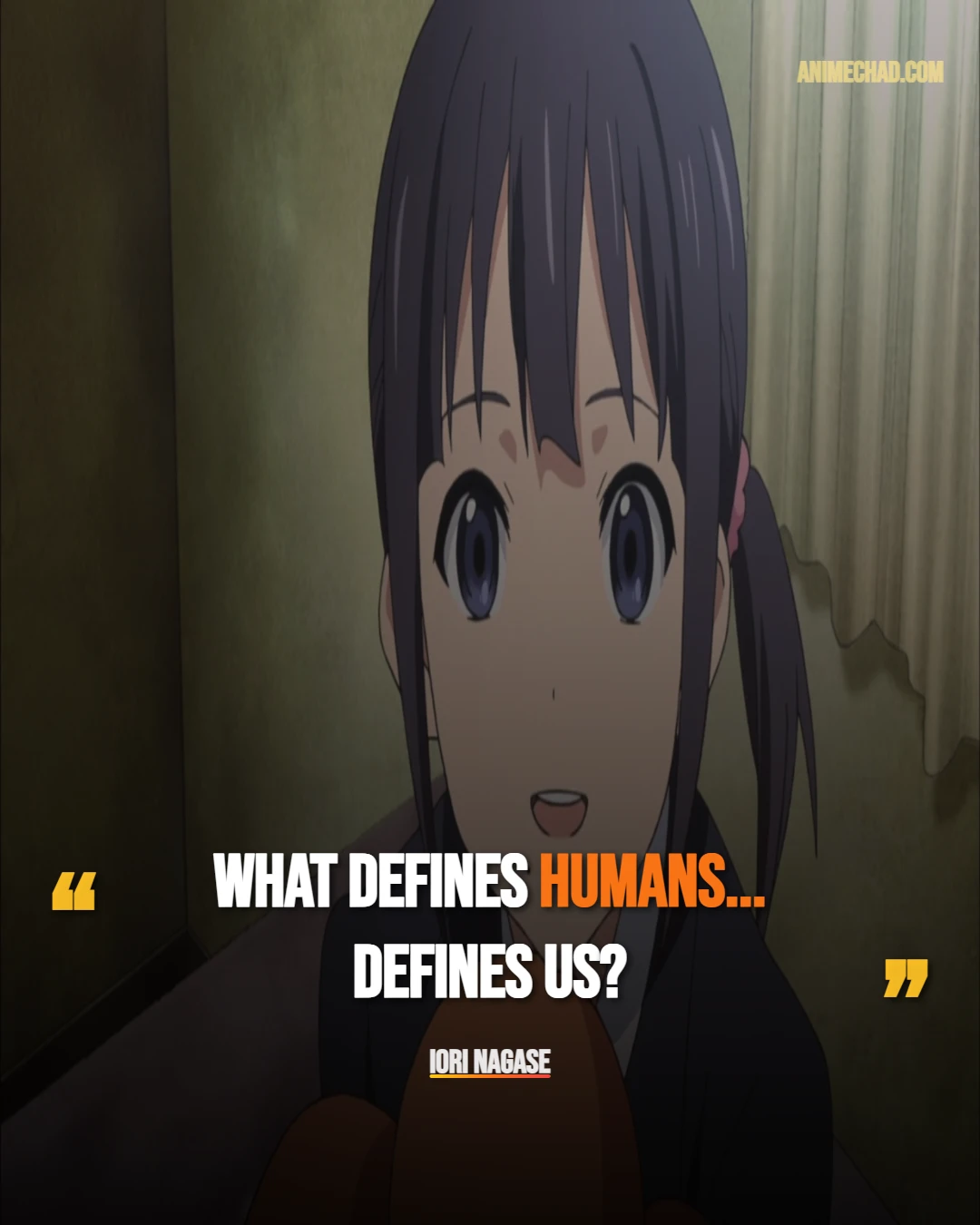
Episode 3 (Love Triangle)
Iori Nagase
Questions identity during body swaps, marking her crisis of self as swaps blur external appearances and inner truths.
Don’t forget that kindness can hurt people too
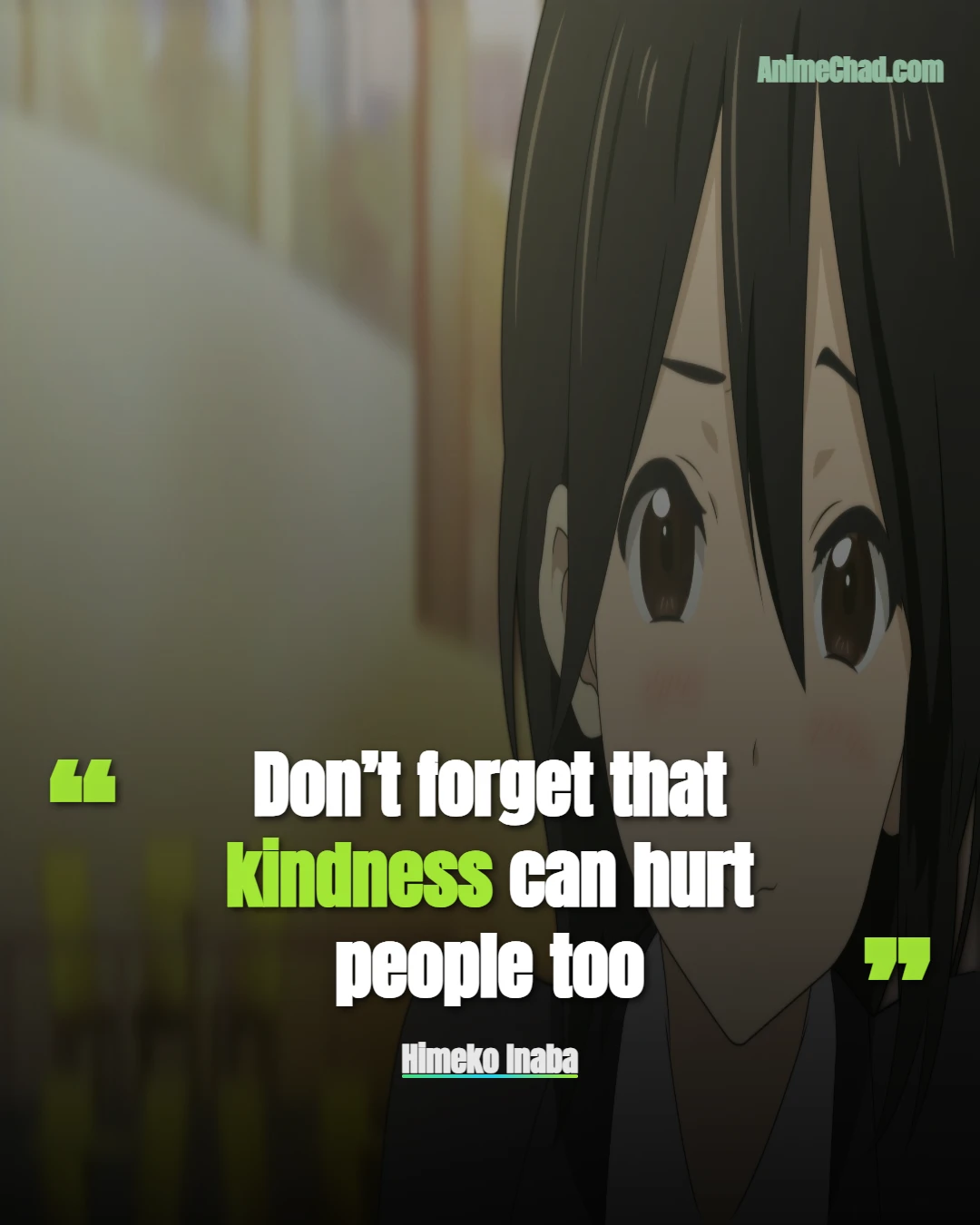
Episode 5 (A Confession and Death…)
Himeko Inaba
Warns of good intentions’ harm, showcasing her protective maturity amid the group’s first tragic loss.
You can never tell what’ll happen next in life

Episode 6 (A Story That Continued Before Anyone Realized It)
Iori Nagase
Embraces uncertainty post-desire unleash, reflecting resilience as characters confront uncontrollable impulses.
What you can’t accomplish alone, becomes doable when you’re with someone else
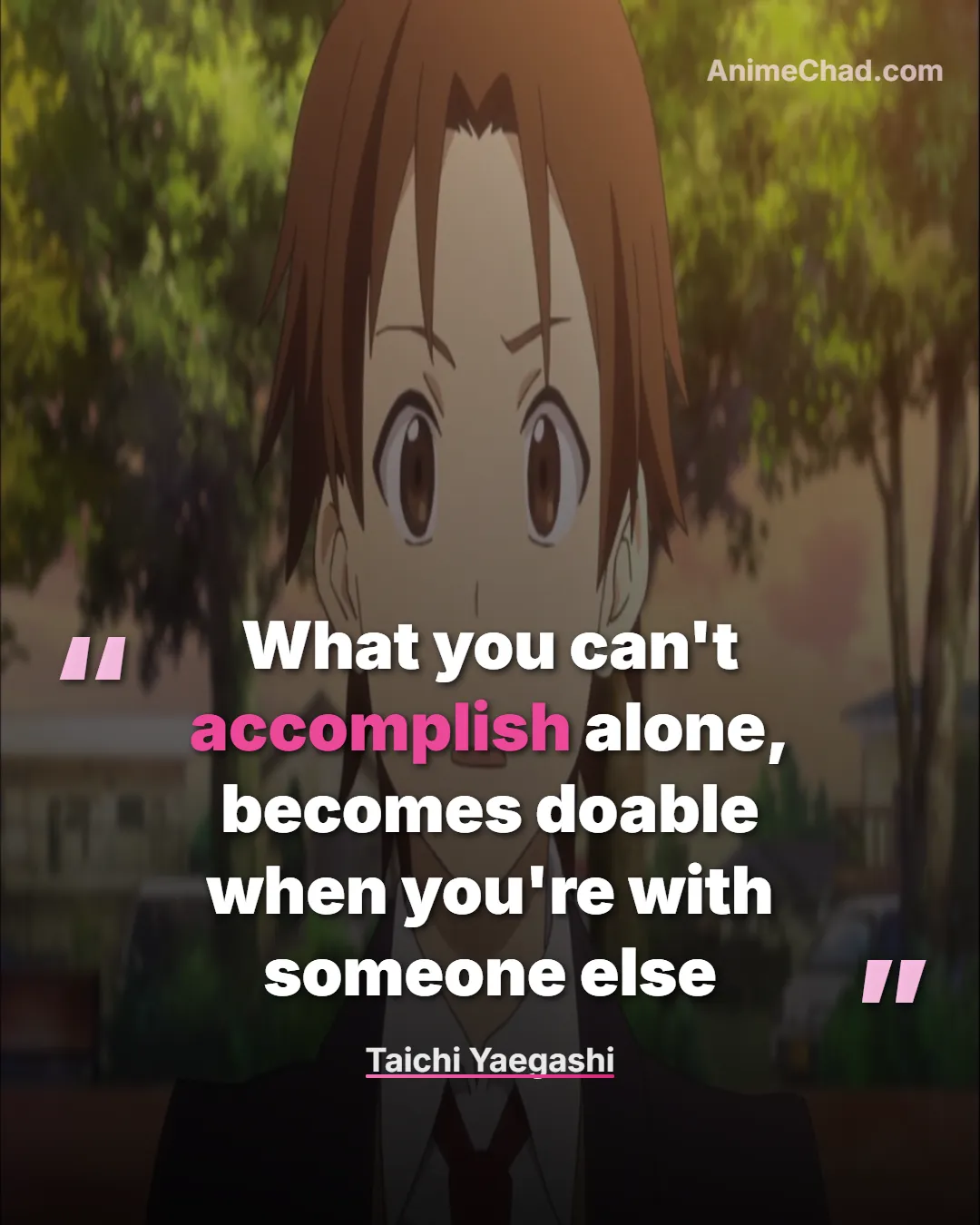
Episode 7 (Downfall)
Taichi Yaegashi
Highlights friendship’s power during emotional turmoil, emphasizing collective strength over isolation.
If I show people how weak I am, they won’t need me anymore
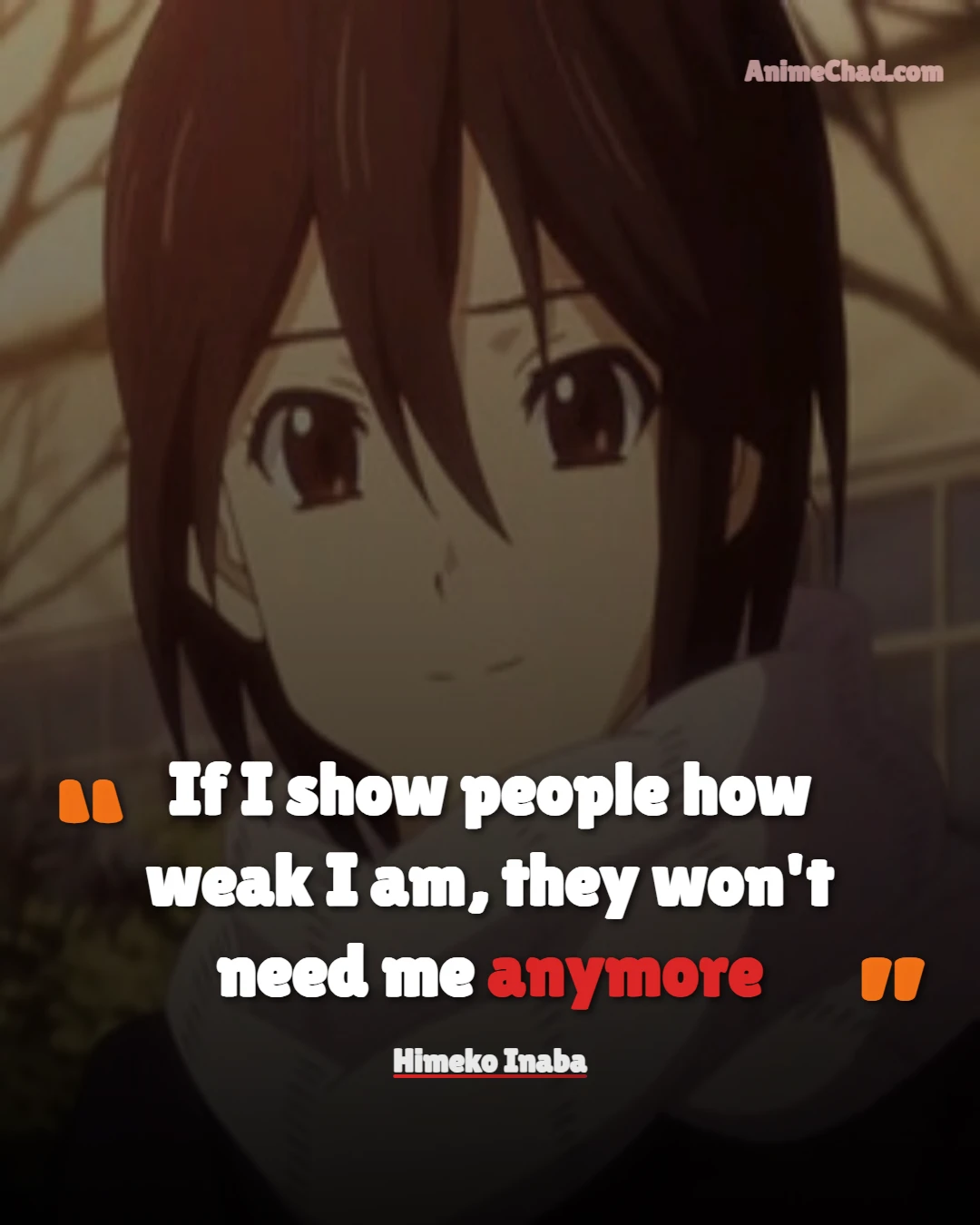
Episode 8 (The Person Who Walks Alone)
Himeko Inaba
Exposes her vulnerability fears, pivotal for her growth toward trusting friends with her true self.
Everyone has different faces
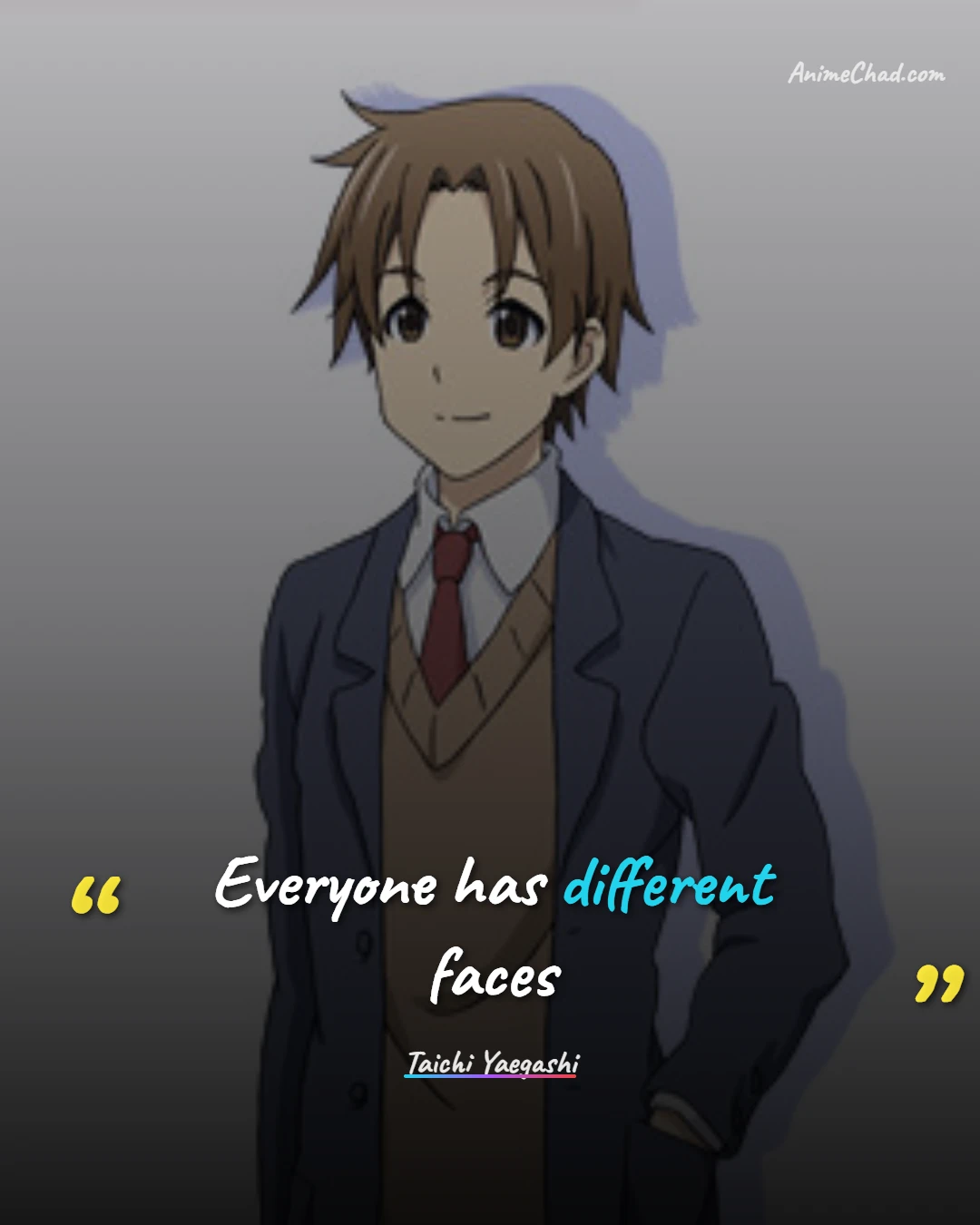
Episode 9 (Thawing Relations?)
Taichi Yaegashi
Acknowledges multifaceted identities, connecting to the series’ exploration of hidden emotional layers.
Never forget that kindness can hurt instead of help
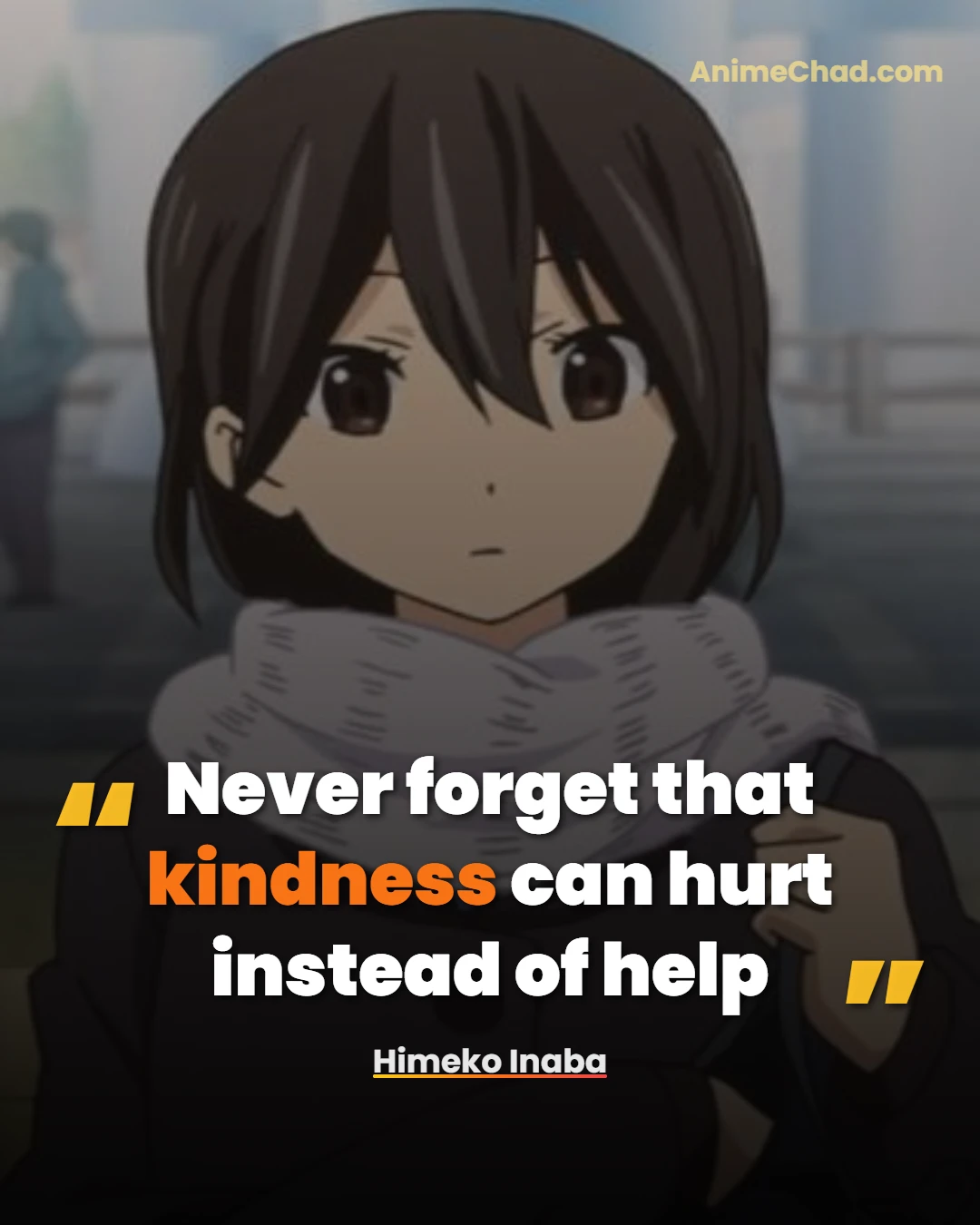
Episode 10 (A Step Forward)
Himeko Inaba
Reiterates relational pitfalls, underscoring her development in balancing care with honesty.
You’ll discover that problems have a way of working themselves out if you talk to your friends
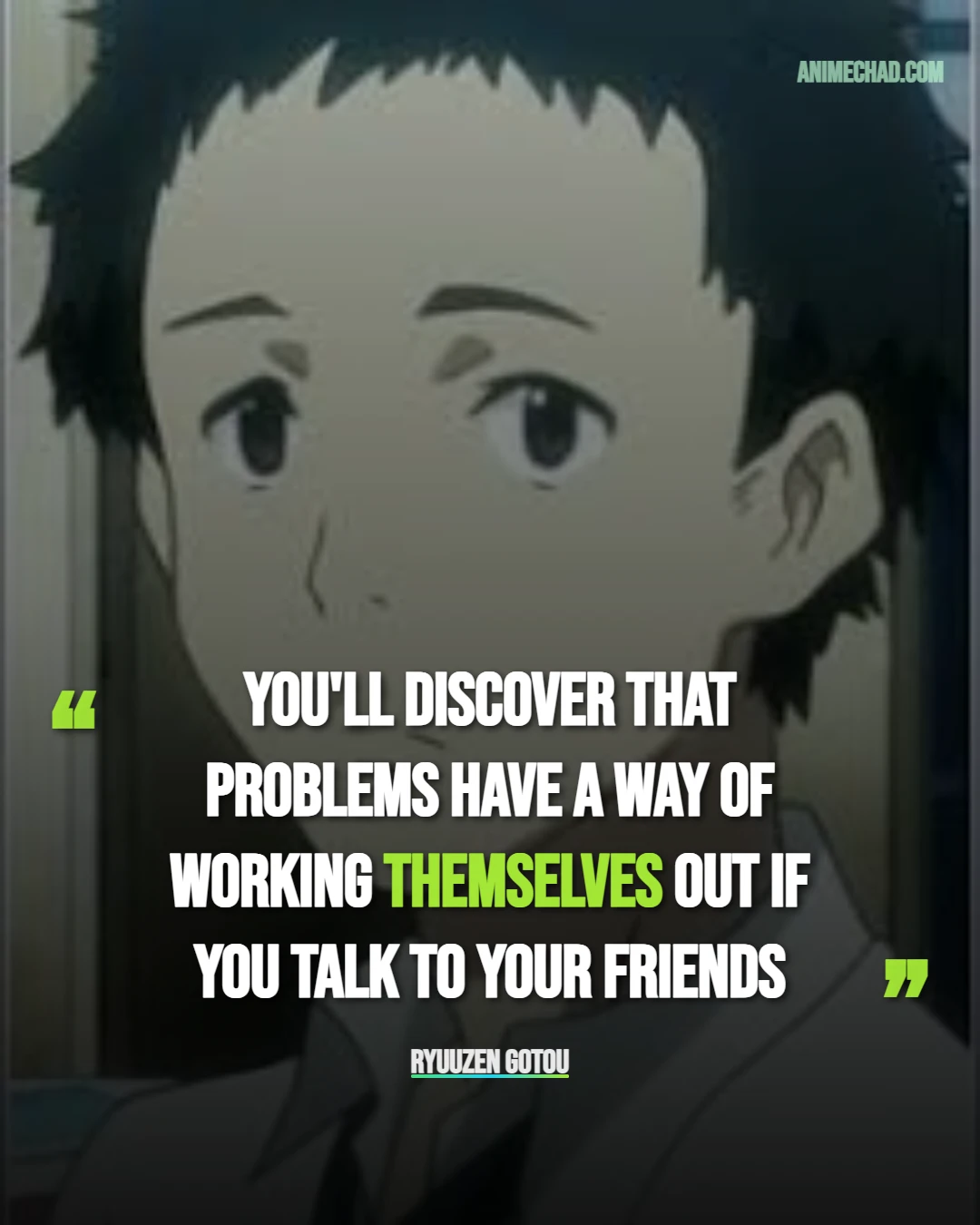
Episode 11 (Reflection)
Ryuuzen Gotou
Encourages dialogue in the time regression arc, reinforcing StuCS unity against repeating pains.
I am who I am now because of my past

Episode 12 (Curtains)
Iori Nagase
Rejects denying history, a breakthrough in accepting imperfections amid identity crises.
After spending most of my life trying to live as someone else wanted, I’d apparently forgotten who I was

Episode 4 (Wanting Someone Else)
Iori Nagase
Admits adaptive persona’s toll, key to her arc of reclaiming authentic identity.
The point of life isn’t to be perfect
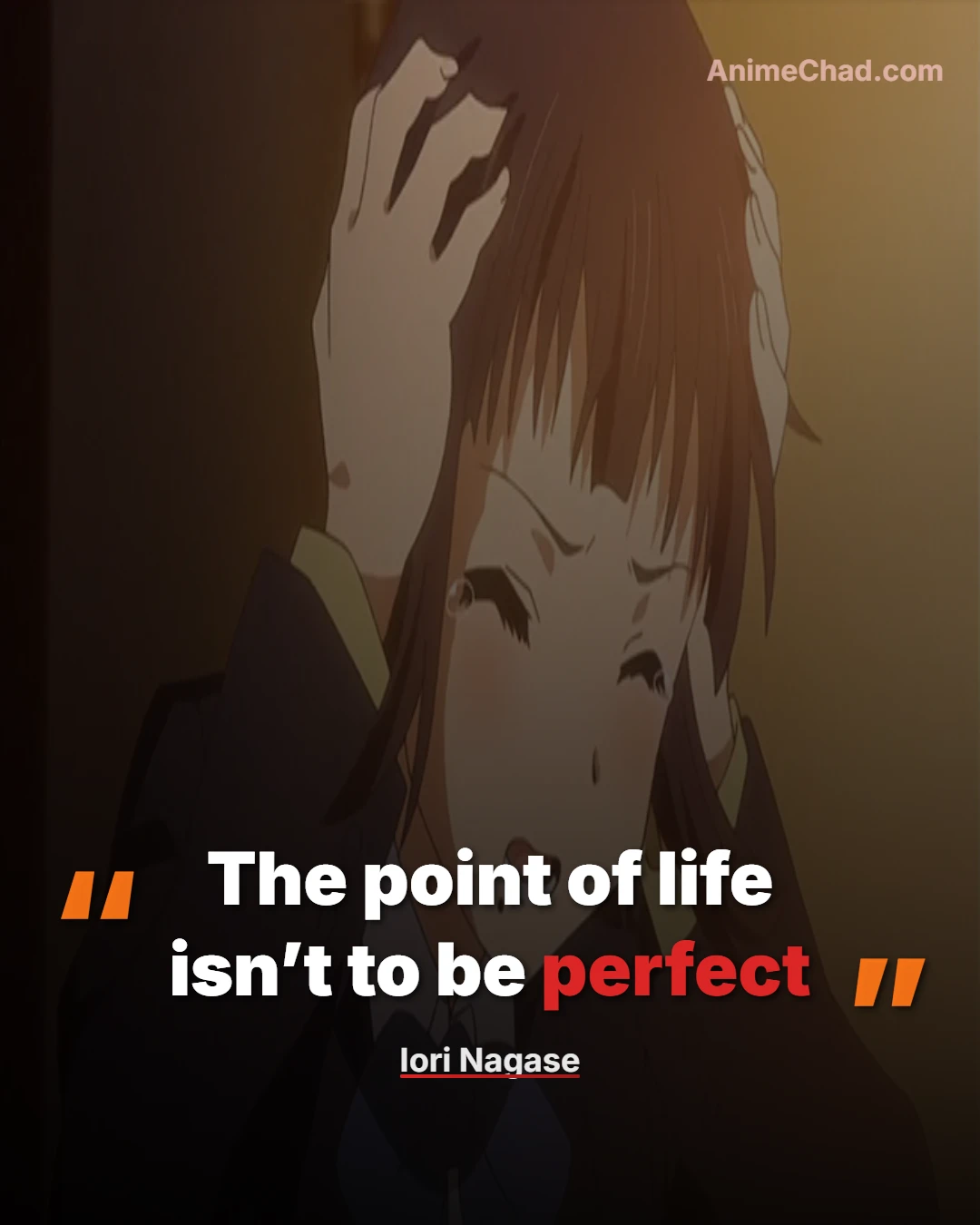
Episode 13 (Michiruna Signal)
Iori Nagase
Prioritizes self-fulfillment over ideals, culminating body swap arc’s growth theme.
When you’re hiding a secret from the whole world, it puts a weight on your shoulders

Episode 2 (Possibilities)
Taichi Yaegashi
Captures secrecy’s burden early on, foreshadowing how swaps force hidden truths out.
I don’t care what normal people do anymore. I’m going to live my life the way that I want to
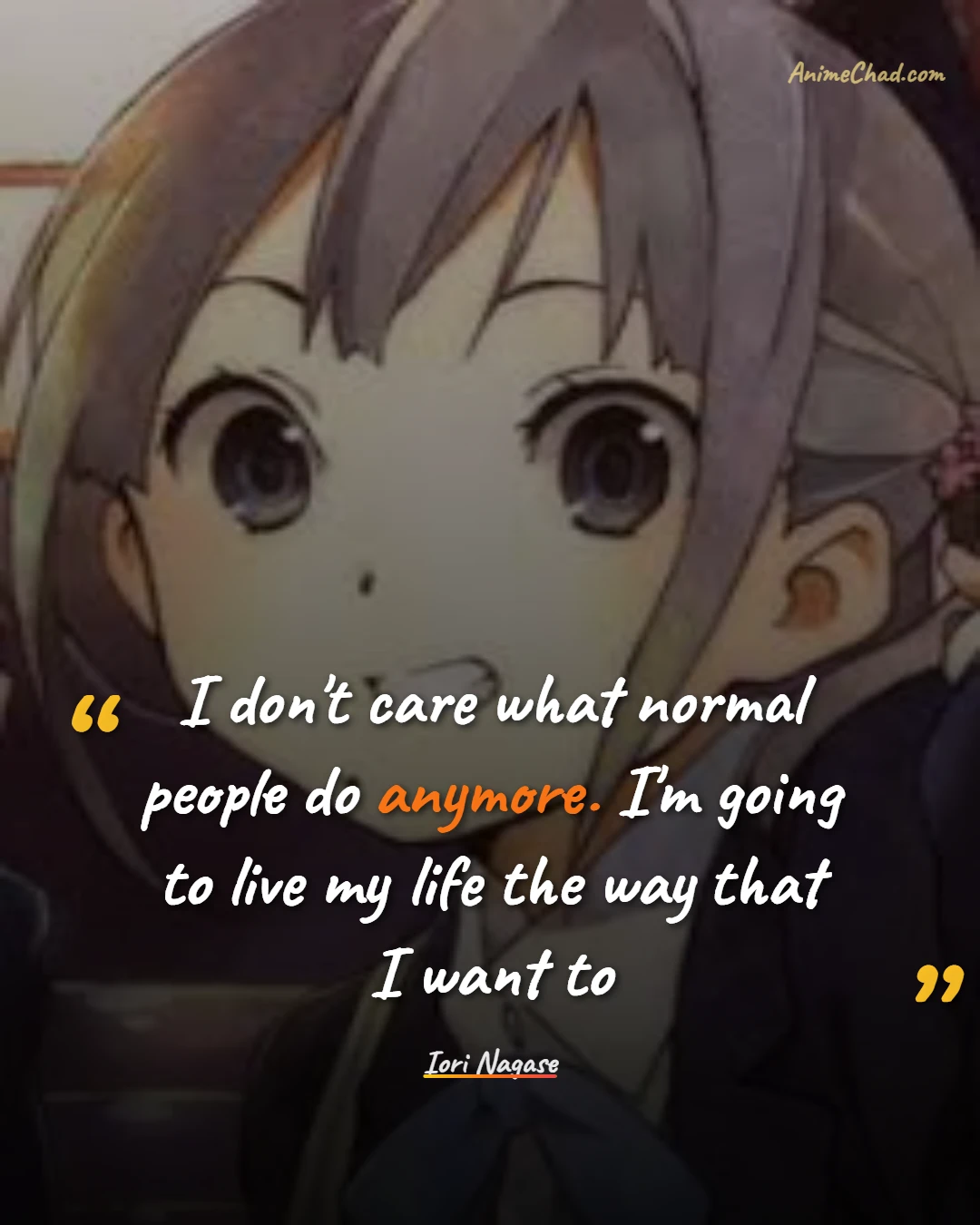
Episode 10 (A Step Forward)
Iori Nagase
Declares independence, symbolizing her evolution from people-pleasing to self-determination.
There won’t be any pain if you don’t do anything stupid
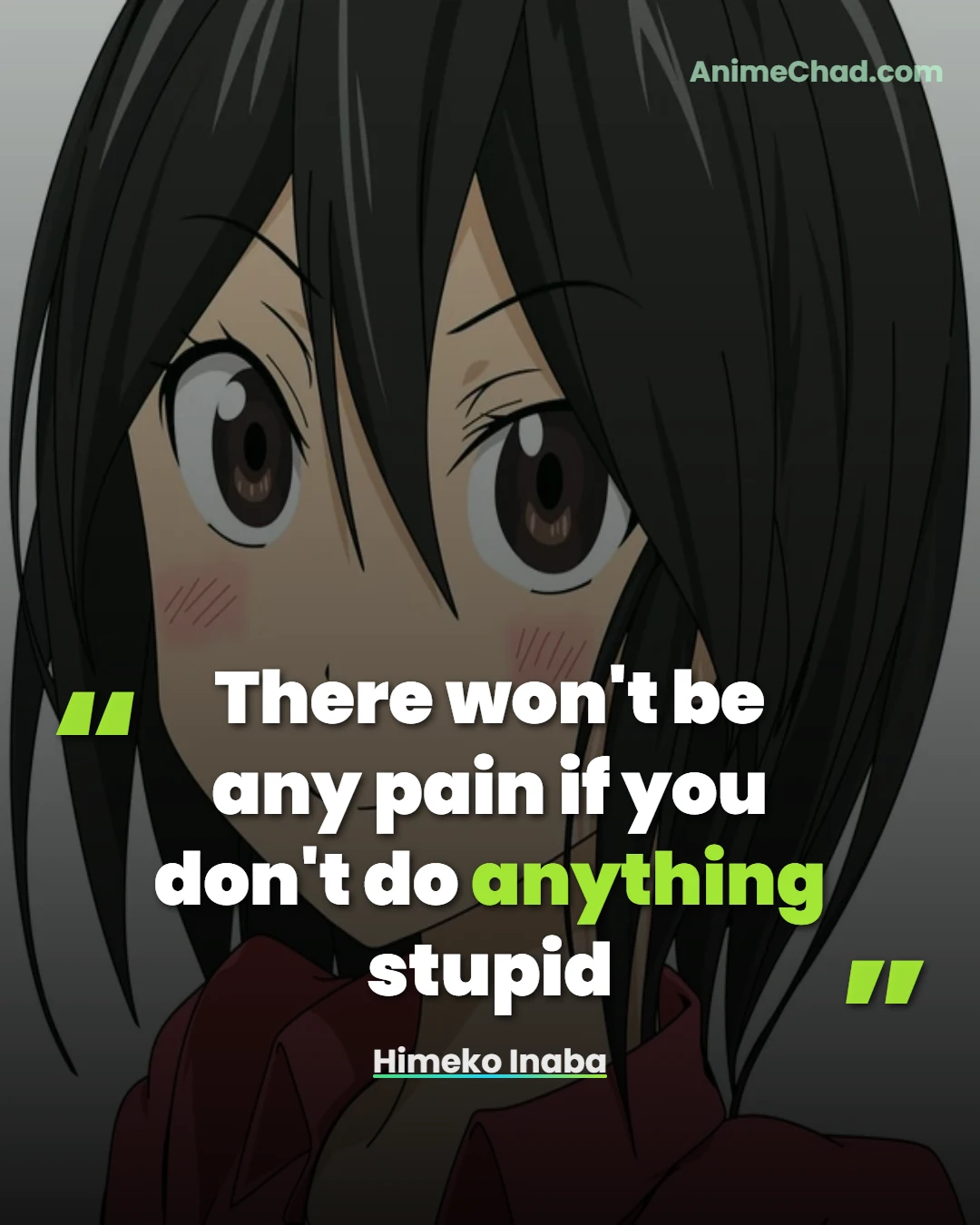
Episode 6 (A Story That Continued Before Anyone Realized It)
Himeko Inaba
Cynical take on desire unleash chaos, highlighting risk in emotional authenticity.
If you were given the chance to redo your life, would you take it?
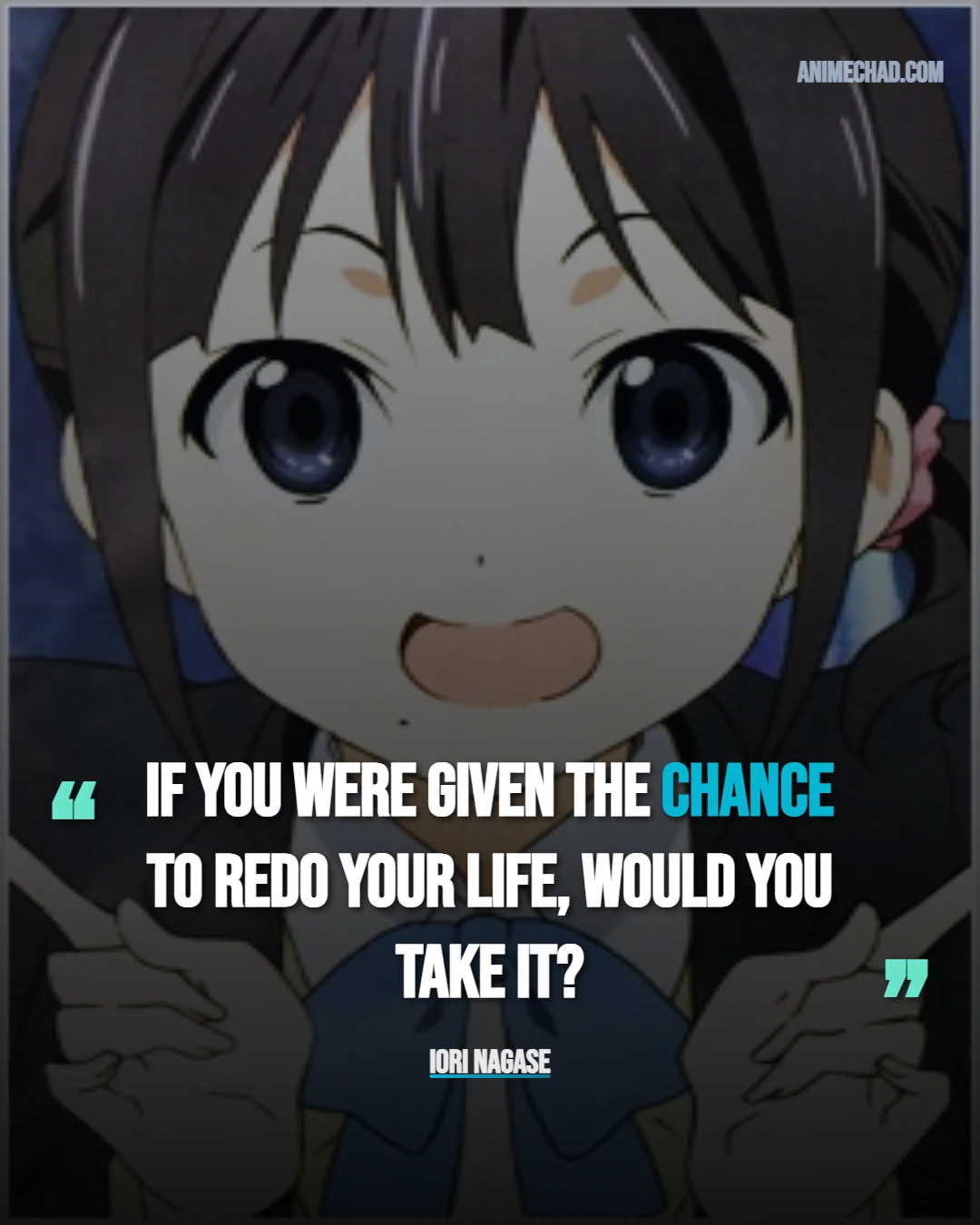
Episode 11 (Reflection)
Iori Nagase
Probes time regression regrets, deepening themes of fate acceptance and growth.
I Made A Mistake
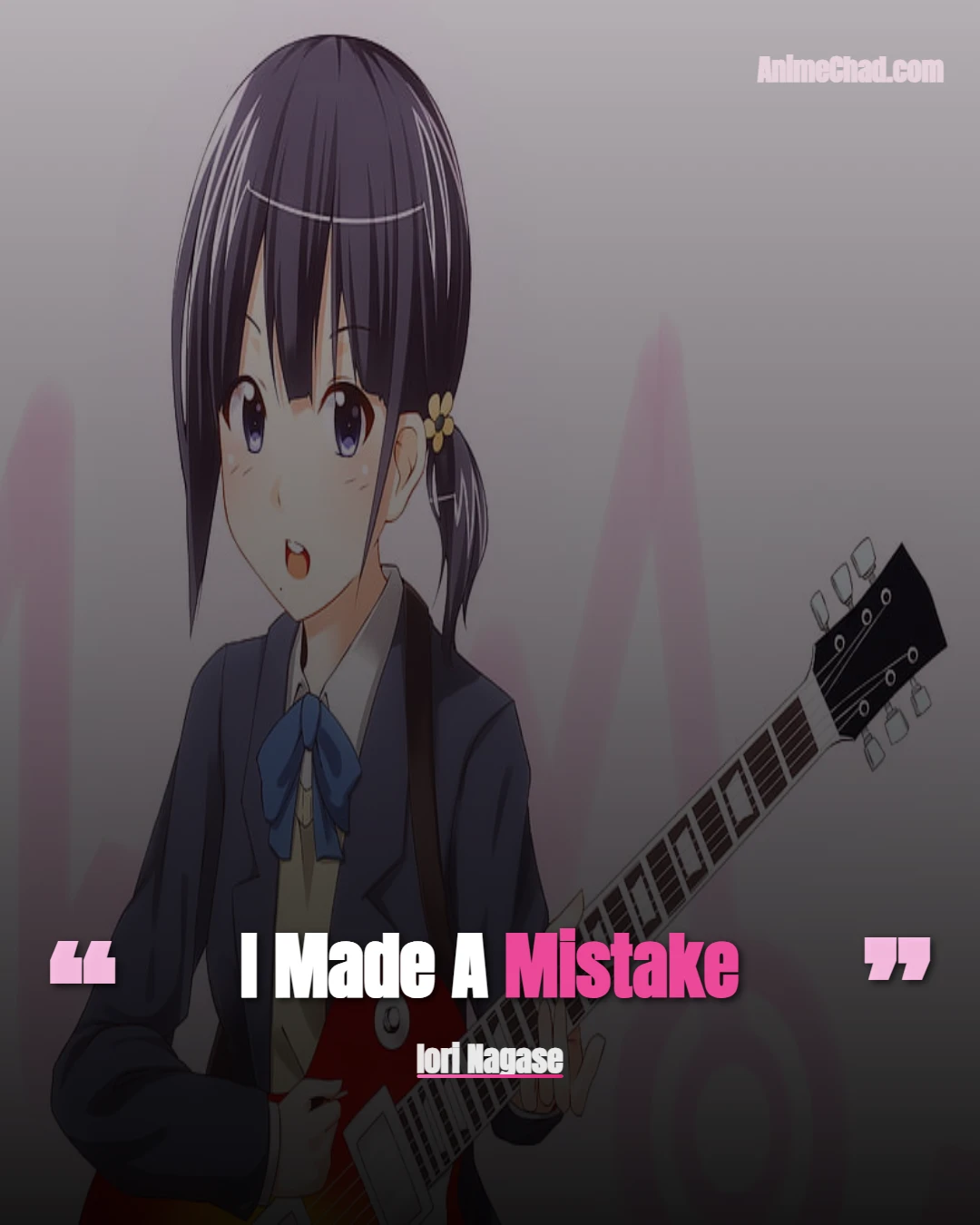
Episode 9 (Thawing Relations?)
Iori Nagase
Reconciles past choices with present self, emotional peak in healing fractured bonds.
That’s How I Should Be Trying To Live
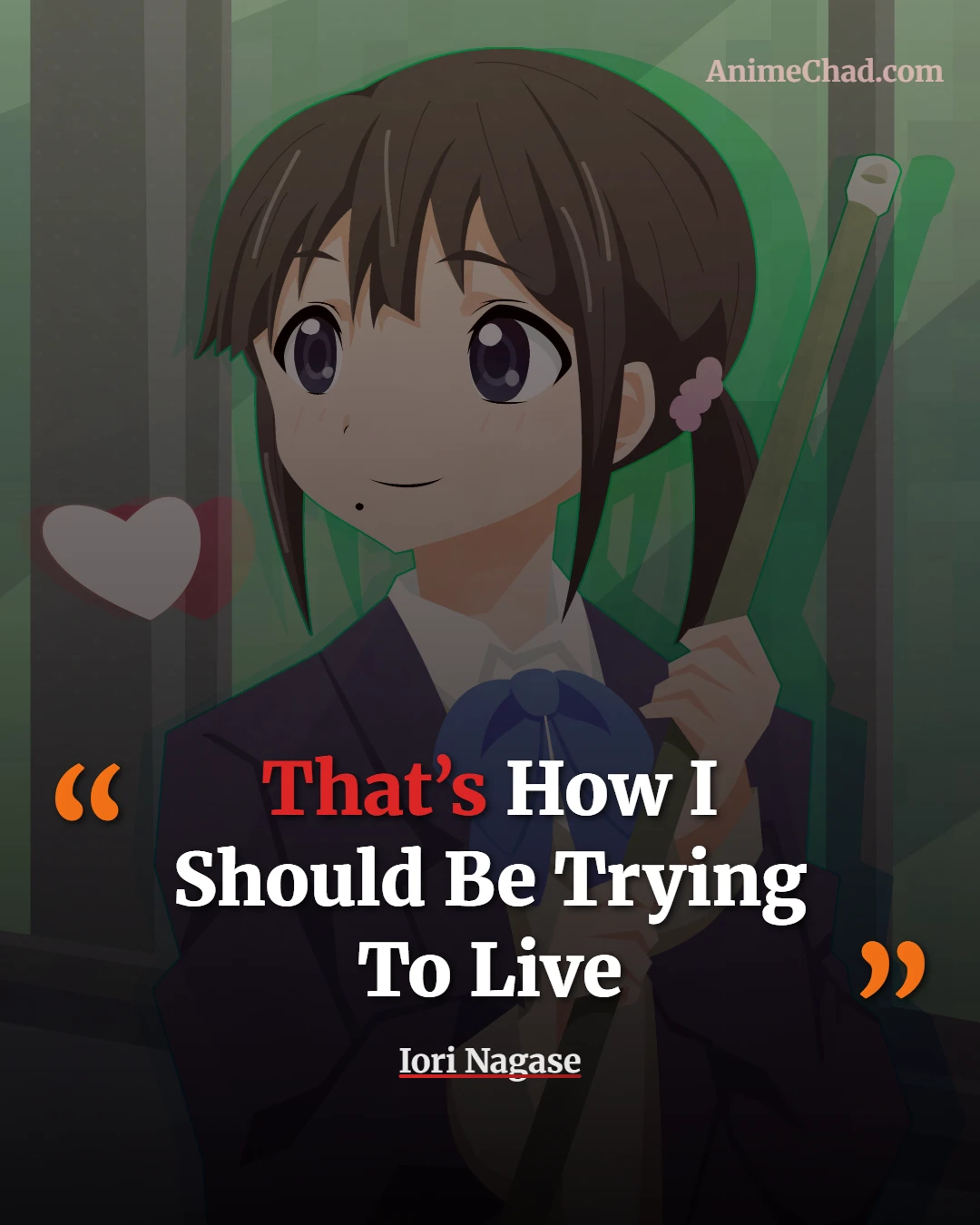
Episode 12 (Curtains)
Iori Nagase
Affirms imperfect living, ties to broader self-acceptance amid supernatural trials.
I’d Apparently Forgotten

Episode 5 (A Confession and Death…)
Iori Nagase
Laments lost identity, intense moment driving her introspective development.
No One Can’t Tell

Episode 3 (Love Triangle)
Iori Nagase
Challenges self-perception in swaps, core to humanity and facade themes.
If I Try

Episode 13 (Michiruna Signal)
Iori Nagase
Defends personal history, resolute stand against erasure in final arc reflections.
Life Isn’t To Be Perfect
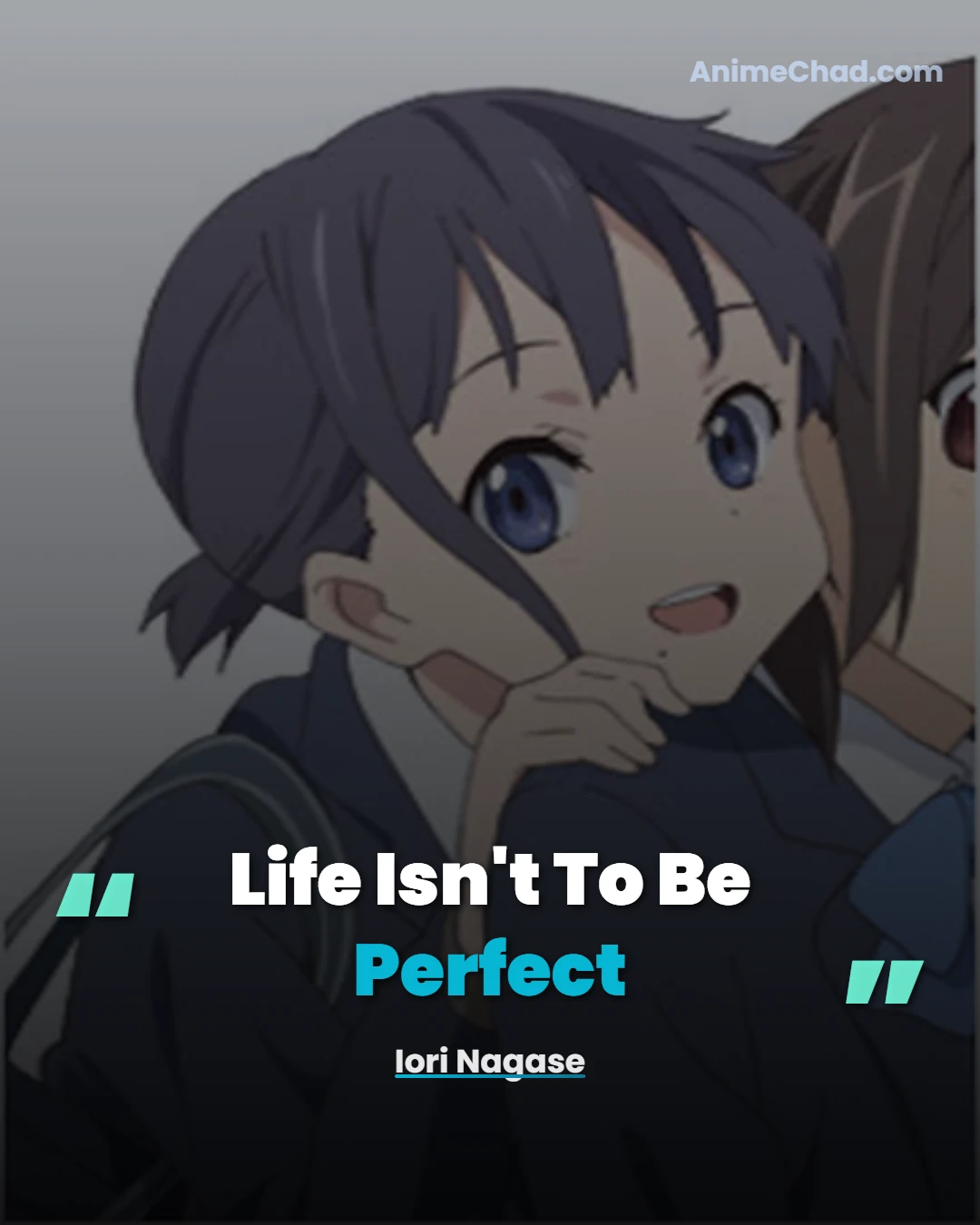
Episode 7 (Downfall)
Iori Nagase
Rejects perfectionism, fosters group healing through vulnerability.
Hiding A Secret

Episode 8 (The Person Who Walks Alone)
Taichi Yaegashi
Illustrates isolation’s cost, pivotal for his selfless leadership growth.
My Life
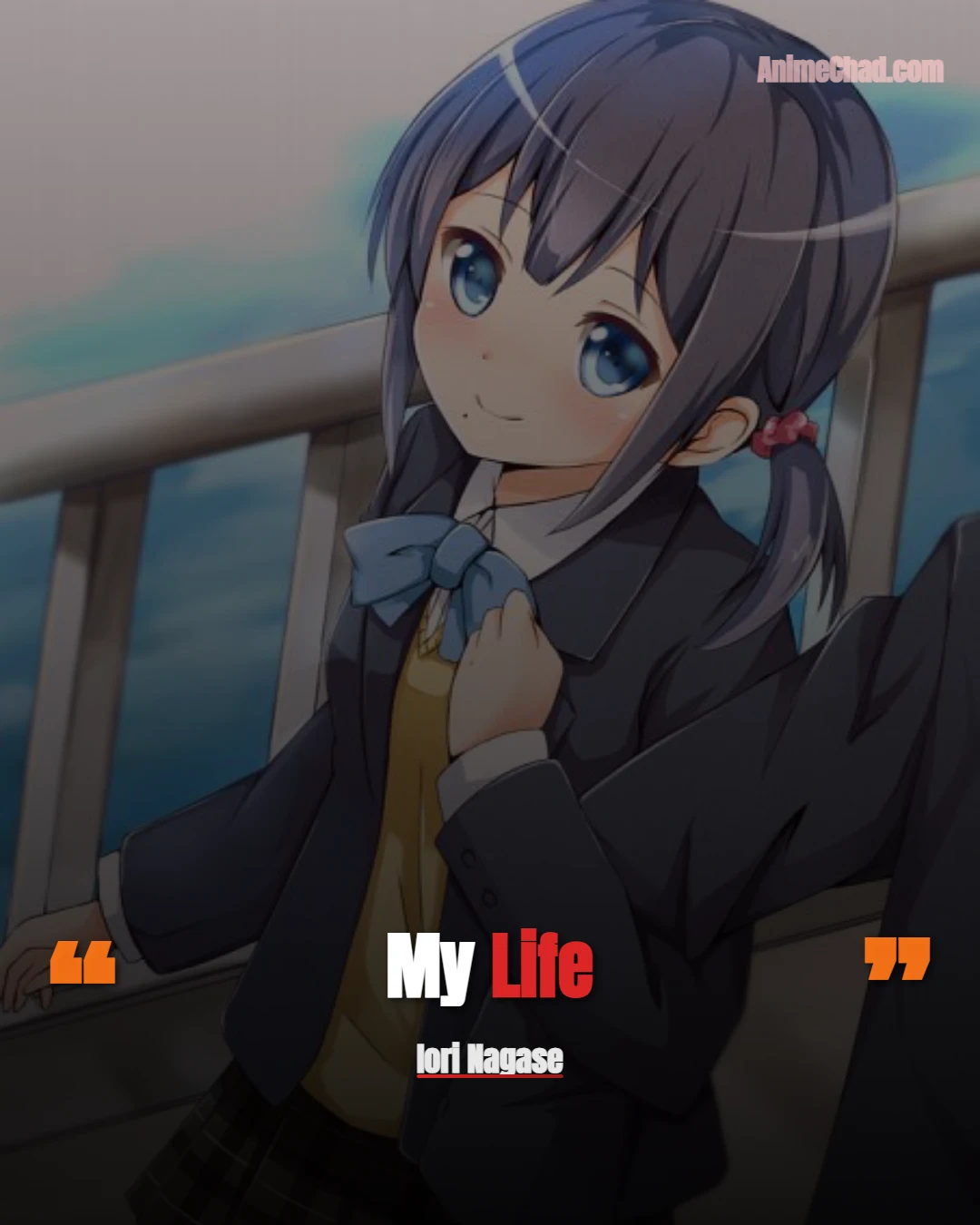
Episode 10 (A Step Forward)
Iori Nagase
Chooses autonomy over conformity, triumphant in peaceful resolution arc.
Won’t Be
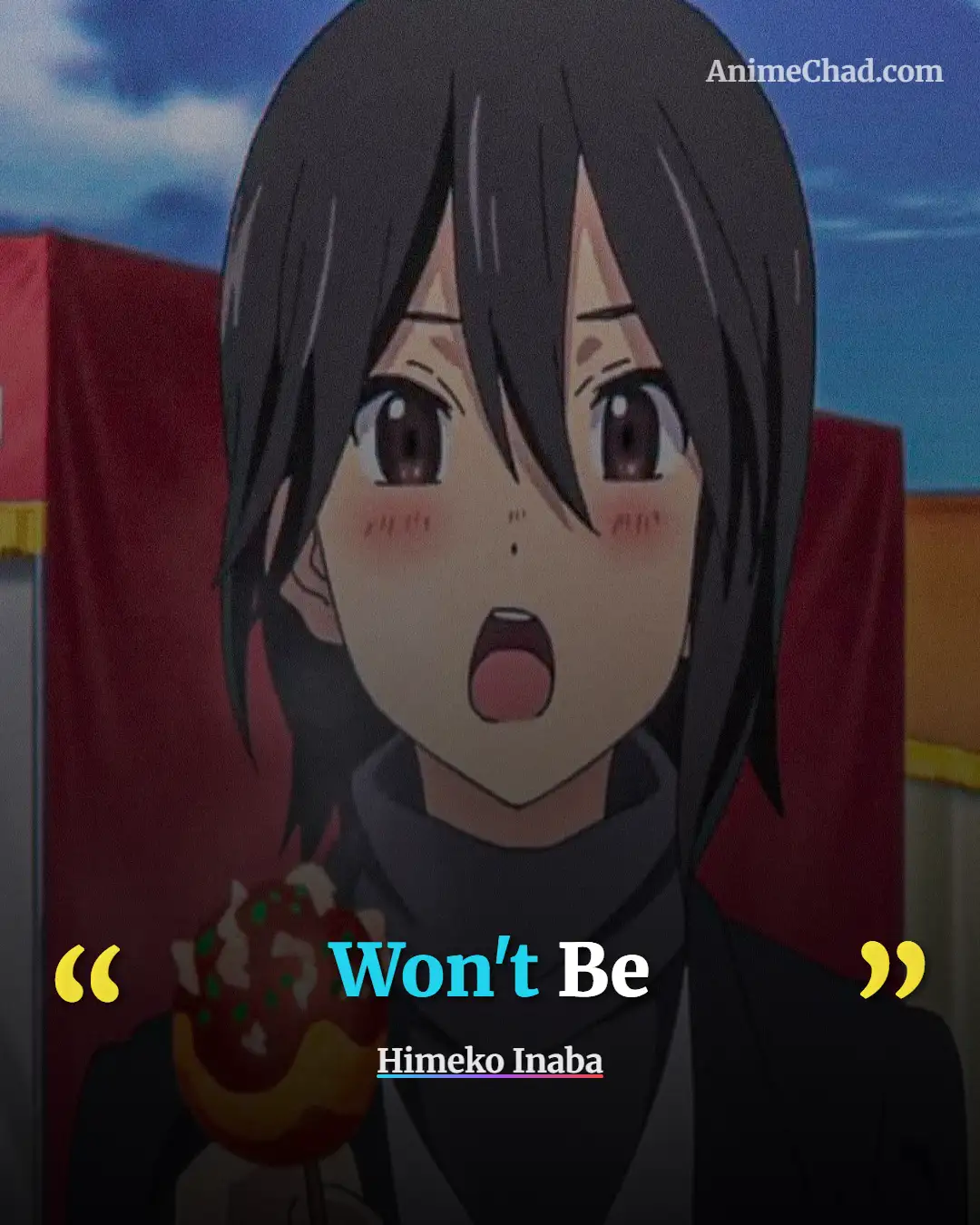
Episode 4 (Wanting Someone Else)
Himeko Inaba
Advises caution in desires, balances warning with emerging trust in friends.