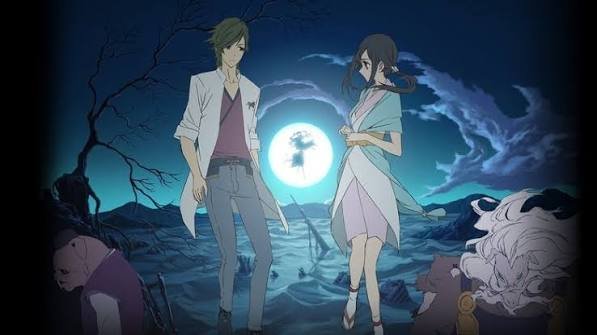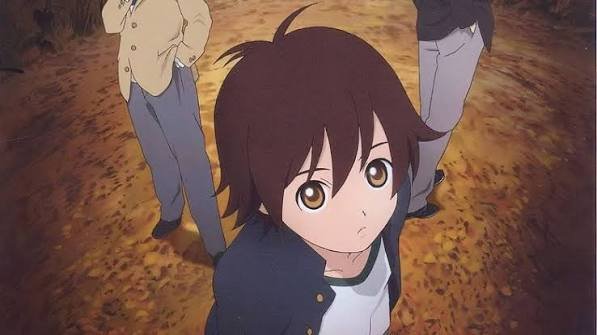
Planetarian: The Reverie of a Little Planet is a quiet, devastating masterpiece that proves the most profound stories are often the simplest. Set in a post-apocalyptic world where humanity has been wiped out by a catastrophic war, the story follows a nameless scavenger who stumbles upon a functioning planetarium in a dead city. Inside, he meets Yumemi, a cheerful and optimistic robot who has been waiting for customers for thirty years, blissfully unaware that the world has ended.
The series is defined by its core themes: the power of hope and beauty in the face of absolute despair, the relationship between humanity and the machines we create, and the profound impact of simple acts of kindness. The protagonist is the ultimate underdog—a lone survivor in a dead world with no future and no purpose. Planetarian masterfully subverts expectations by presenting a post-apocalyptic setting not as a backdrop for action or survival horror, but as a stage for a quiet, deeply emotional meditation on memory, purpose, and what it means to be human. It is a story that finds profound beauty in a single starry sky.
For fans of Planetarian, finding similar anime can be a challenge. The series occupies a unique space—part post-apocalyptic drama, part philosophical dialogue, part tear-jerking tragedy. Yet, many underrated series share its core DNA: a focus on the emotional bonds between unlikely companions, a melancholic and atmospheric tone, and a willingness to find hope in even the bleakest of circumstances. These shows deserve far more attention for their emotional depth, their quiet power, and their ability to tell deeply human stories against the backdrop of a broken world.
Here are 15 underrated anime that capture the spirit of Planetarian: The Reverie of a Little Planet.
1. Girls’ Last Tour (Shoujo Shuumatsu Ryokou) (2017)

- Streaming Availability: Amazon Prime Video, HiDive
- Rating: MAL: 8.2
- Episodes: 12
- Studio: White Fox
- Notable Staff: Based on the manga by Tsukumizu, directed by Takaharu Ozaki.
Plot Summary: In a desolate, post-apocalyptic world, two young girls, Chito and Yuuri, travel through the ruins of a vast, empty city on their Kettenkrad motorcycle. They search for food, fuel, and meaning, finding small moments of joy and wonder in the remnants of a lost civilization.
Similarities to Planetarian: This is the closest thematic sibling to Planetarian. Both are quiet, melancholic, and deeply philosophical explorations of life after the end of the world. The focus is not on survival or conflict, but on the small, poignant moments of connection and the search for beauty in a dead world. The relationship between the two girls is the heart of the story, much like the bond between the scavenger and Yumemi.
2. Mushi-shi (2005)

- Streaming Availability: Crunchyroll, Hulu
- Rating: MAL: 8.7
- Episodes: 26 (Season 1)
- Studio: Artland
- Notable Staff: Based on the manga by Yuki Urushibara.
Plot Summary: Ginko, a “Mushi-shi,” travels the countryside investigating “Mushi”—primordial, ethereal lifeforms that exist alongside humanity, often causing inexplicable and sometimes harmful phenomena. His journey is one of quiet observation, understanding, and finding balance.
Similarities to Planetarian: Both series are episodic, meditative, and deeply atmospheric. They share a quiet, observational tone and a focus on understanding rather than fighting. Ginko, like the scavenger in Planetarian, is a wanderer who encounters different people and situations, each offering a unique philosophical perspective. The sense of wonder and melancholy is a perfect match.
3. Haibane Renmei (2002)
- Streaming Availability: Funimation
- Rating: MAL: 8.0
- Episodes: 13
- Studio: Radix
- Notable Staff: Created by Yoshitoshi ABe (Serial Experiments Lain).
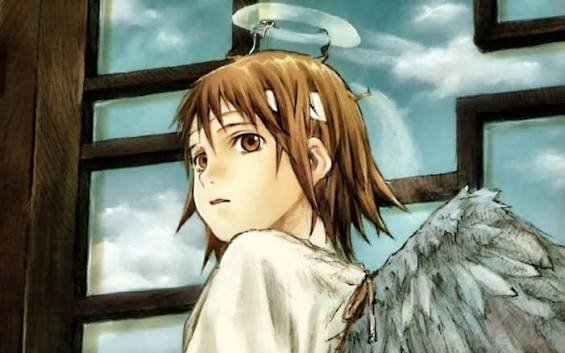
Plot Summary: Rakka, a newly born “Haibane,” awakens in a strange, walled town with small wings and no memory of her past. She and the other Haibane are forbidden from leaving and must live a quiet, simple life while grappling with their existence and the nature of their “sin.”
Similarities to Planetarian: Both are deeply atmospheric and melancholic series about identity, memory, and the search for meaning in a liminal space. The walled town is a kind of purgatory, much like the dead city in Planetarian. The focus is on quiet, emotional character development and the exploration of spiritual and existential questions, creating a similarly meditative experience.
4. Kino’s Journey (2003)

- Streaming Availability: Amazon Prime Video, HiDive
- Rating: MAL: 8.3
- Episodes: 13
- Studio: A.C.G.T.
- Notable Staff: Based on the light novel series by Keiichi Sigsawa.
Plot Summary: Kino, a young traveler, journeys with a talking motorcycle named Hermes through a variety of strange and unique countries, each with its own distinct culture, technology, and philosophy. Kino’s rule is to stay in each country for only three days and two nights.
Similarities to Planetarian: Both are philosophical journeys presented in an episodic format. Each “country” in Kino’s Journey is a thought experiment, much like the encounter between the scavenger and Yumemi is a meditation on humanity and purpose. The tone is quiet, observational, and often melancholic, with a focus on understanding different perspectives and the complexities of the human condition.
5. Voices of a Distant Star (Hoshi no Koe) (2002)
- Streaming Availability: Crunchyroll
- Rating: MAL: 7.6
- Episodes: 1 (Short Film)
- Studio: CoMix Wave Films
- Notable Staff: Created, directed, and animated almost entirely by Makoto Shinkai (Your Name).
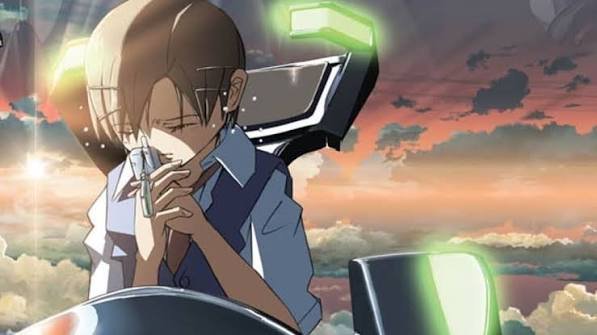
Plot Summary: Mikako Nagamine is chosen to be a mecha pilot in a war against an alien race, while her close friend Noboru Terao remains on Earth. As Mikako travels further into space, their text messages take longer and longer to reach each other, stretching their bond across light-years.
Similarities to Planetarian: Both are short, emotionally devastating stories about the power of connection across vast distances. The focus is on the ache of loneliness and the hope that a simple message can bridge the gap between two souls. The melancholic tone and the focus on the emotional weight of a single relationship are a direct parallel to the bond between the scavenger and Yumemi.
6. She and Her Cat: Everything Flows (Kanojo to Kanojo no Neko: Everything Flows) (2016)

- Streaming Availability: Crunchyroll
- Rating: MAL: 7.6
- Episodes: 4
- Studio: Liden Films
- Notable Staff: Based on the original short by Makoto Shinkai, directed by Kazuya Sakamoto.
Plot Summary: The story is told from the perspective of a cat named Daru, who lives with a young woman struggling with the challenges of adulthood and loneliness. The series follows their quiet, everyday life together, finding beauty in the simple moments of companionship.
Similarities to Planetarian: Both are quiet, intimate stories told from the perspective of a non-human entity observing human life. The cat Daru, like Yumemi, offers a unique perspective on human emotion and the search for connection. The focus on the small, everyday moments and the melancholic but warm tone are a perfect match for the emotional register of Planetarian.
7. Time of Eve (Eve no Jikan) (2008)
- Streaming Availability: Crunchyroll
- Rating: MAL: 7.9
- Episodes: 6 (ONA) or 1 (Film)
- Studio: Studio Rikka
- Notable Staff: Directed by Yasuhiro Yoshiura.
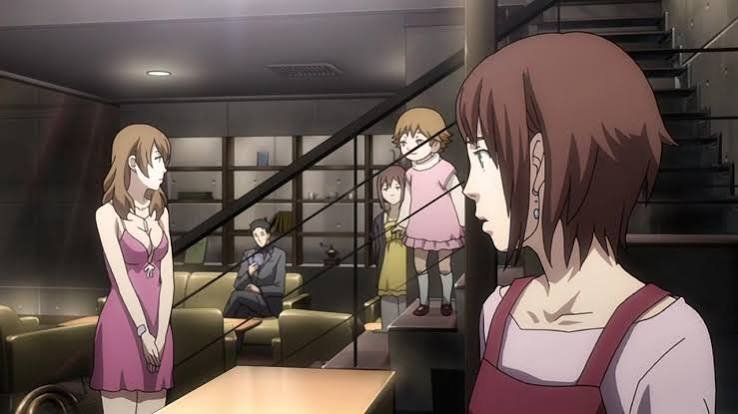
Plot Summary: In a future where androids are commonplace, Rikuo Sakisaka discovers that his family’s android, Sammy, has been visiting a mysterious cafe called “Time of Eve.” At this cafe, the rule is that humans and androids are treated as equals, and no one can tell them apart.
Similarities to Planetarian: Both are deeply philosophical stories about the relationship between humans and robots. The focus is on the question of what it means to be human and whether artificial beings can possess emotions, memories, and souls. Yumemi and the androids in Time of Eve are both innocent, hopeful figures who challenge the protagonist’s (and the audience’s) preconceptions.
8. Angel Beats! (2010)

- Streaming Availability: Crunchyroll, Funimation
- Rating: MAL: 8.0
- Episodes: 13
- Studio: P.A. Works
- Notable Staff: Created by Jun Maeda (Clannad, Charlotte).
Plot Summary: Otonashi wakes up in the afterlife, a high school purgatory where students who died with unfulfilled dreams must learn to let go of their past lives. He joins a rebel group called the SSS, who fight against a mysterious girl named Angel, the student council president who enforces the rules of this world.
Similarities to Planetarian: Both are stories about loss, acceptance, and the search for peace in a world after death. The characters in Angel Beats! are all “underdogs” who have lived tragic lives, and their journey is one of healing and letting go. The emotional climaxes are designed to be tear-jerking, and the series shares the same Key visual novel DNA as Planetarian, focusing on the power of human connection to overcome even death.
9. Clannad: After Story (2008)
- Streaming Availability: Crunchyroll, Hulu
- Rating: MAL: 9.0
- Episodes: 24
- Studio: Kyoto Animation
- Notable Staff: Based on the visual novel by Key, directed by Tatsuya Ishihara.
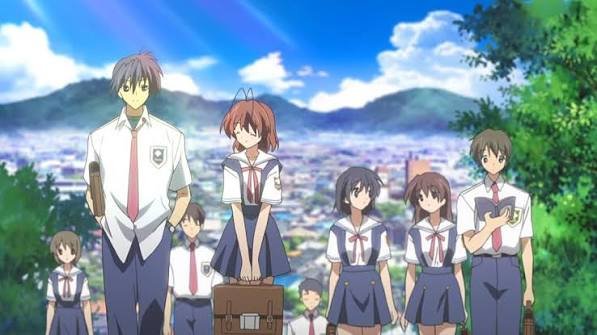
Plot Summary: The second season of Clannad follows Tomoya Okazaki and Nagisa Furukawa as they graduate from high school and begin their adult lives together. The series explores the joys and sorrows of love, marriage, and family, leading to one of the most emotionally devastating and ultimately hopeful conclusions in anime history.
Similarities to Planetarian: Both are from the same creative family (Key visual novels) and share a profound focus on the power of love, memory, and hope. The themes of loss, grief, and the importance of family are central to both. Clannad: After Story is a masterclass in emotional storytelling, building to a cathartic release that is both heartbreaking and uplifting, much like the ending of Planetarian.
10. The Girl Who Leapt Through Time (Toki wo Kakeru Shoujo) (2006)
- Streaming Availability: Crunchyroll, Amazon Prime Video
- Rating: MAL: 8.2
- Episodes: 1 (Film)
- Studio: Madhouse
- Notable Staff: Directed by Mamoru Hosoda (Wolf Children).
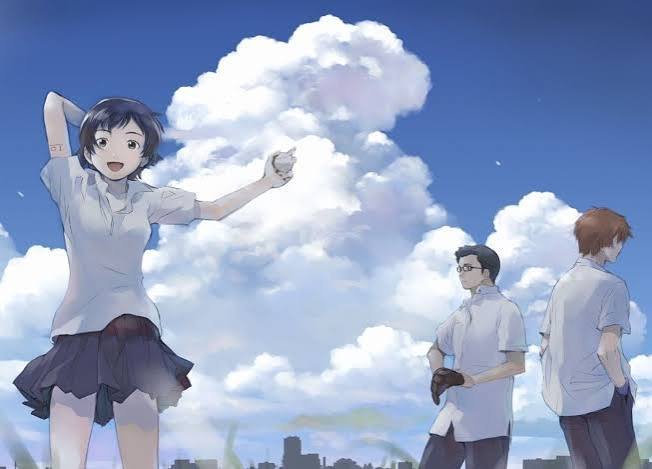
Plot Summary: Makoto Konno, a high school girl, discovers she has the ability to leap through time. She uses this power to fix small problems and avoid awkward situations, but she soon learns that her actions have unintended consequences for herself and the people she cares about.
Similarities to Planetarian: While tonally different, both are stories about the consequences of choice and the importance of appreciating the present moment. Makoto, like the scavenger, is given a unique opportunity that forces her to confront her own selfishness and the value of the time she has. The film is a poignant meditation on youth, regret, and the fleeting nature of happiness.
11. Air (2005)

- Streaming Availability: Funimation
- Rating: MAL: 7.3
- Episodes: 12
- Studio: Kyoto Animation
- Notable Staff: Based on the visual novel by Key, directed by Tatsuya Ishihara.
Plot Summary: Yukito Kunisaki, a traveling performer, arrives in a quiet seaside town searching for the “girl in the sky,” a figure from his family’s history. He meets Misuzu Kamio, a lonely and eccentric girl, and their fates become intertwined with a thousand-year-old curse.
Similarities to Planetarian: Both are Key adaptations that are steeped in a sense of melancholy and the bittersweet nature of memory and destiny. The relationship between Yukito and Misuzu is built on a shared sense of isolation and a search for connection, mirroring the bond in Planetarian. The series is a quiet, atmospheric, and ultimately tragic story that explores themes of fate, family, and the enduring power of love.
12. Sora no Woto (Sound of the Sky) (2010)
- Streaming Availability: Crunchyroll
- Rating: MAL: 7.4
- Episodes: 12
- Studio: A-1 Pictures
- Notable Staff: Directed by Mamoru Kanbe (Elfen Lied), with original story by Shuu Yamamoto.
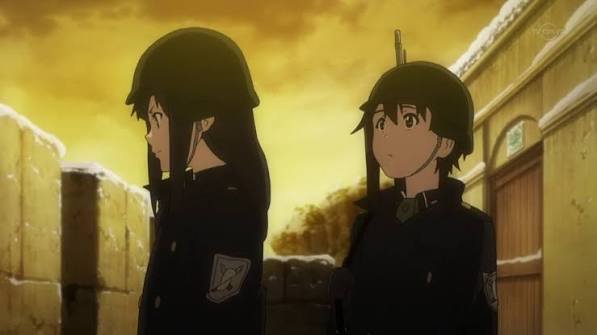
Plot Summary: In a post-apocalyptic world where a devastating war has reshaped civilization, a young girl named Kanata Sorami joins the army as a bugler. She is stationed at a small fortress in a quiet town, where she and her fellow soldiers live a peaceful life, finding beauty in music and the simple rhythms of daily life.
Similarities to Planetarian: Both are set in the aftermath of a catastrophic war, but they focus not on the conflict itself, but on the quiet lives of those who remain. The “underdog” protagonist, Kanata, is a young woman searching for purpose, and she finds it in the small acts of connection and the beauty of music. The series is a warm, melancholic meditation on hope and the human spirit.
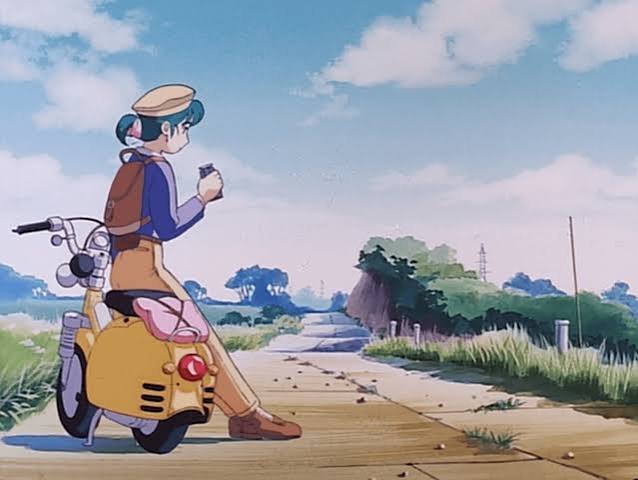
13. Yokohama Kaidashi Kikou (1998)
- Streaming Availability: Not currently available on major platforms.
- Rating: MAL: 7.2
- Episodes: 2 (OVA)
- Studio: Ajia-do Animation Works
- Notable Staff: Based on the manga by Hitoshi Ashinano.
Plot Summary: In a peaceful, post-apocalyptic world where the sea levels have risen and humanity is slowly fading away, an android named Alpha runs a small cafe in the countryside. The story follows her quiet, contemplative life as she observes the changing seasons and the gentle decline of human civilization.
Similarities to Planetarian: This is the direct thematic ancestor to Planetarian. Both feature an android protagonist in a post-apocalyptic world, observing the remnants of humanity with a sense of gentle curiosity and quiet sadness. The focus is not on action or conflict, but on the beauty of the natural world and the acceptance of impermanence. The tone is profoundly peaceful and melancholic.
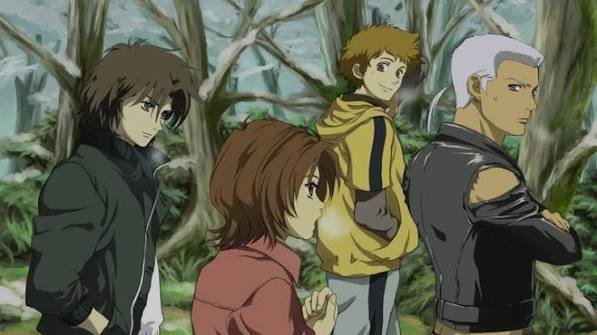
14. Wolf’s Rain (2003)
- Streaming Availability: Crunchyroll, Funimation
- Rating: MAL: 7.8
- Episodes: 26
- Studio: Bones
- Notable Staff: Directed by Tensai Okamura (Darker than Black), with music by Yoko Kanno.
Plot Summary: In a dying, post-apocalyptic world, a group of wolves who can take human form searches for the mythical “Paradise,” a place of eternal life and peace. Their journey is fraught with danger, but they are driven by instinct and a desperate hope for a better world.
Similarities to Planetarian: Both are set in a bleak, dying world and focus on the search for hope and meaning in the face of extinction. The wolves are underdogs, hunted and misunderstood, but they are driven by a primal faith in something greater than themselves. The series is a melancholic, poetic, and ultimately tragic exploration of hope, faith, and the will to survive.
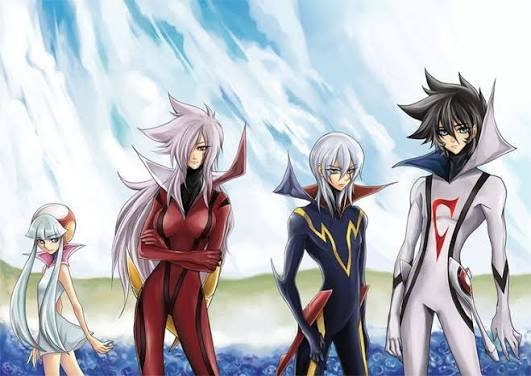
15. Casshern Sins (2008)
- Streaming Availability: Crunchill, Funimation
- Rating: MAL: 7.5
- Episodes: 24
- Studio: Madhouse
- Notable Staff: Directed by Shigeyasu Yamauchi, a reboot of the classic Casshan franchise.
Plot Summary: In a world where humanity has been wiped out by a plague of robots, the immortal android Casshern wanders the desolate landscape. He is blamed for the destruction of the world and must confront his own guilt, searching for redemption and a reason to continue living in a world of death.
Similarities to Planetarian: Both are post-apocalyptic stories about an artificial being navigating a world devoid of human life. Casshern, like the scavenger, is a lonely wanderer haunted by the past. The series is a melancholic, atmospheric, and deeply philosophical exploration of mortality, memory, and the meaning of existence in a world that has already ended.
Why These Anime Work for Planetarian Fans
Fans of Planetarian: The Reverie of a Little Planet are drawn to stories that are quiet, contemplative, and emotionally resonant. They appreciate a slow-burn narrative that allows for deep character development and philosophical reflection. They are not looking for action or spectacle, but for stories that touch the heart and linger in the mind long after the credits roll.
The anime listed above all share this fundamental DNA:
- The Power of Hope in Despair: Whether it is a starry sky in a dead city, a song in a post-war fortress, or a simple message across the stars, these series find profound beauty in the darkest of circumstances. They remind us that even in a broken world, there is always something worth living for.
- The Emotional Underdog: The protagonists are not heroes. They are lonely wanderers, forgotten robots, and ordinary people struggling to find their place in a world that has moved on without them. Their journey is one of introspection, healing, and the search for connection.
- Subversion of the Post-Apocalyptic Genre: These series reject the violence and survivalism of typical post-apocalyptic stories. Instead, they use the end of the world as a backdrop for quiet, intimate stories about what it means to be human. They understand that the most powerful stories are often the simplest ones.
These 15 anime, like Planetarian, are not afraid to be quiet. They trust their audience to appreciate the beauty of a single moment, the weight of a single word, and the profound impact of a simple act of kindness. They are underrated gems that offer a deeply moving and unforgettable experience for viewers who are willing to open their hearts.