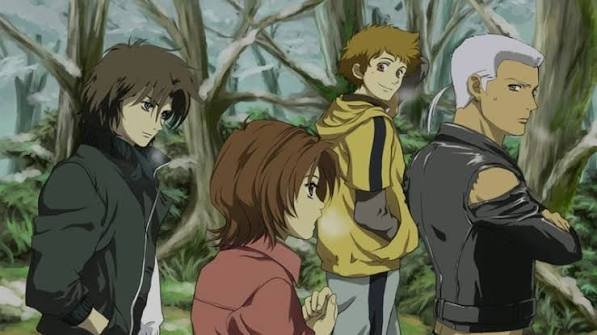
Wolf’s Rain is a haunting, poetic masterpiece that blends post-apocalyptic despair with a profound meditation on hope, faith, and the search for meaning. Set in a dying world where humanity clings to survival in decaying cities, the story follows a group of wolves who have learned to disguise themselves as humans. Driven by instinct and ancient legend, they search for “Paradise,” a mythical place said to open only at the end of the world, guided by the mysterious scent of the “Lunar Flower.”
The series is defined by its core themes: a power system rooted in primal instinct and ancient myth, where the wolves’ ability to survive is tied to their connection to a world that is slowly dying. The protagonists are the ultimate underdogs—outcasts, hunters, and wanderers who are hunted by both humans and their own despair. Wolf’s Rain masterfully subverts expectations by presenting what appears to be a dark fantasy adventure and instead delivering a slow-burn, deeply philosophical exploration of faith, sacrifice, and the nature of Paradise itself. It is a series that is not afraid to embrace tragedy, finding beauty in the bleakest of landscapes.
For fans of Wolf’s Rain, finding similar anime can be a challenge. The series occupies a unique space—part dystopian road trip, part spiritual allegory, part melancholic character study. Yet, many underrated series share its core DNA: a focus on a group of outcasts searching for meaning in a broken world, a willingness to explore themes of faith and despair, and a tone that is both haunting and profoundly beautiful. These shows deserve far more attention for their emotional depth, their atmospheric storytelling, and their refusal to provide easy answers.
Here are 15 underrated anime that capture the spirit of Wolf’s Rain.
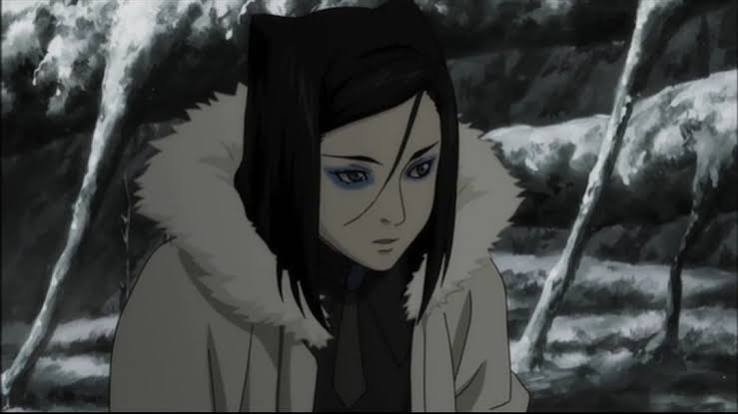
1. Ergo Proxy (2006)
- Streaming Availability: Crunchyroll, Amazon Prime Video
- Rating: MAL: 7.9
- Episodes: 23
- Studio: Manglobe
- Notable Staff: Directed by Shukou Murase (Witch Hunter Robin).
Plot Summary: In a post-apocalyptic domed city, an inspector and an immigrant android investigate a series of murders linked to a mysterious entity known as “Proxy.” Their journey takes them into the desolate outside world, where they confront questions about their own existence and the nature of their reality.
Similarities to Wolf’s Rain: Both are slow-burn, atmospheric road trips through a dying world, where the protagonists search for answers about their own existence. The focus is on the philosophical implications of their journey rather than action. The desolate landscapes, the melancholic tone, and the exploration of what it means to be human are a direct parallel.
2. Texhnolyze (2003)

- Streaming Availability: Funimation
- Rating: MAL: 7.8
- Episodes: 22
- Studio: Madhouse
- Notable Staff: Directed by Hiroshi Hamasaki, with original story by Chiaki J. Konaka (Serial Experiments Lain).
Plot Summary: In the underground city of Lux, a brutal world of violence and decay, a young fighter named Ichise loses an arm and a leg. He is fitted with “Texhnolyze,” advanced mechanical prosthetics, and becomes entangled in a conflict between factions vying for control of the city and its future.
Similarities to Wolf’s Rain: Both are dark, atmospheric, and deeply philosophical series that explore the struggle for survival in a dying world. The city of Lux is a decaying, oppressive environment, much like the human cities in Wolf’s Rain. The minimal dialogue, the focus on visual storytelling, and the overwhelming sense of despair are a perfect match.
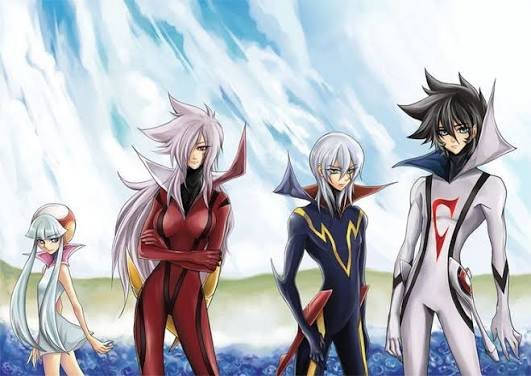
3. Casshern Sins (2008)
- Streaming Availability: Crunchyroll, Funimation
- Rating: MAL: 7.5
- Episodes: 24
- Studio: Madhouse
- Notable Staff: Directed by Shigeyasu Yamauchi.
Plot Summary: In a world where humanity has been wiped out by a plague of robots, the immortal android Casshern wanders the desolate landscape. He is blamed for the destruction of the world and must confront his own guilt, searching for redemption and a reason to continue living in a world of death.
Similarities to Wolf’s Rain: Both are post-apocalyptic stories about a lone wanderer searching for meaning in a world that has already ended. The melancholic, poetic tone and the focus on the search for redemption are a direct parallel. The desolate landscapes and the sense of overwhelming loss are deeply reminiscent of the world of Wolf’s Rain.
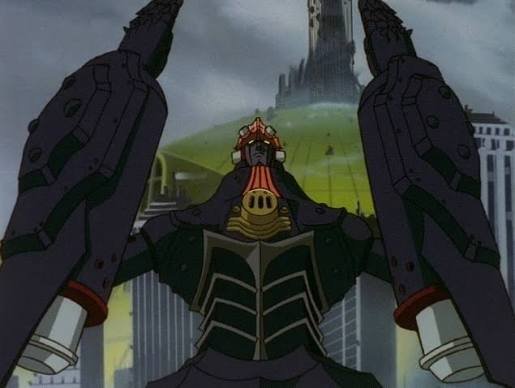
4. The Big O (1999)
- Streaming Availability: Crunchyroll, Amazon Prime Video
- Rating: MAL: 7.6
- Episodes: 26
- Studio: Sunrise
- Notable Staff: Directed by Kazuyoshi Katayama, with scripts by Chiaki J. Konaka.
Plot Summary: Roger Smith is a “Negotiator” in Paradigm City, a domed city where all the residents lost their memories forty years ago. He pilots a giant robot called the Big O and investigates the mysteries of the city’s past, uncovering strange truths about the nature of reality.
Similarities to Wolf’s Rain: Both are set in a world where the truth about the past has been lost, and the protagonists are driven to uncover it. The noir-esque atmosphere and the philosophical questions about memory, identity, and the nature of reality are a strong match. The sense of searching for something that may not exist is a core theme in both.
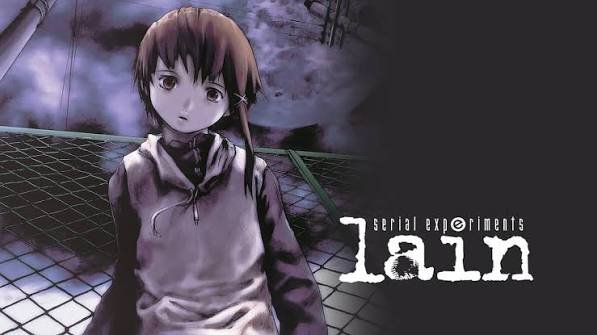
5. Serial Experiments Lain (1998)
- Streaming Availability: Funimation
- Rating: MAL: 8.0
- Episodes: 13
- Studio: Triangle Staff
- Notable Staff: Directed by Ryutaro Nakamura, written by Chiaki J. Konaka.
Plot Summary: Lain Iwakura, a quiet and socially isolated teenage girl, becomes increasingly drawn into “The Wired,” a global communications network. As the boundaries between the real world and the digital world begin to blur, Lain’s sense of identity and reality itself begins to unravel.
Similarities to Wolf’s Rain: Both are deeply atmospheric and philosophical explorations of identity, isolation, and the nature of reality. The protagonist is an underdog who is overwhelmed by forces she cannot understand. The series shares a similar willingness to trust its audience to find meaning in ambiguity, and the cold, meditative tone is a strong match.
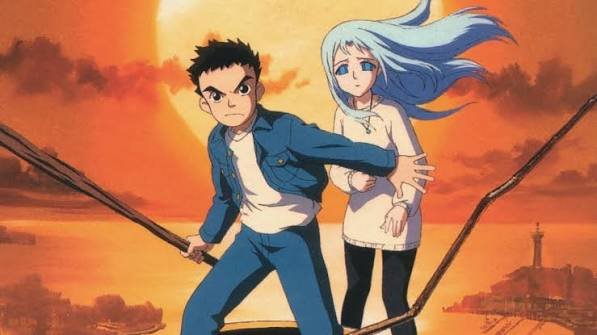
6. Now and Then, Here and There (Ima, Soko ni Iru Boku) (1999)
- Streaming Availability: HiDive
- Rating: MAL: 8.0
- Episodes: 13
- Studio: AIC
- Notable Staff: Directed by Akitaro Daichi.
Plot Summary: Shu, an ordinary boy, is transported to a dystopian world where water is scarce and children are forced to become soldiers. He is captured and must survive the brutality of this world while trying to protect a mysterious girl named Lala-Ru, who possesses a powerful pendant.
Similarities to Wolf’s Rain: Both are unflinching explorations of a dying world and the cruelty of humanity. The protagonists are underdogs who must maintain their hope and their humanity in the face of overwhelming despair. The focus on the resilience of the human spirit and the search for meaning in a broken world is a direct thematic parallel.
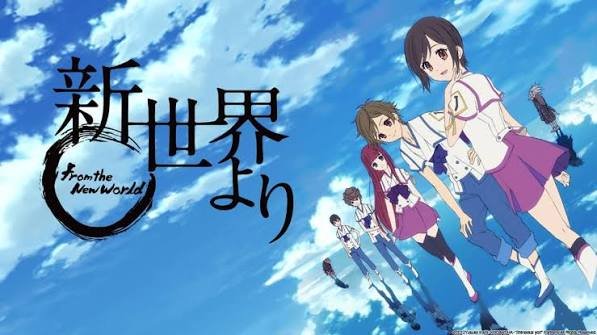
7. Shinsekai Yori (From the New World) (2012)
- Streaming Availability: Crunchyroll, Amazon Prime Video
- Rating: MAL: 8.3
- Episodes: 25
- Studio: A-1 Pictures
- Notable Staff: Based on the award-winning novel by Yusuke Kishi.
Plot Summary: A thousand years after humanity develops psychic powers called Cantus, a group of children in a seemingly utopian village begins to uncover the horrifying truths their society is built upon. They learn the terrible price of their peaceful existence and the fate of those who cannot control their powers.
Similarities to Wolf’s Rain: Both are slow-burn mysteries that explore the dark side of a seemingly peaceful society. The gradual unraveling of a hidden truth and the focus on the psychological impact of that truth are central themes. The atmosphere of dread and the sense that the characters are pawns in a larger game are a direct parallel.
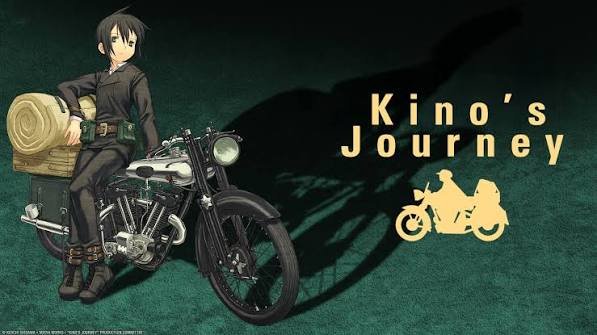
8. Kino’s Journey (2003)
- Streaming Availability: Amazon Prime Video, HiDive
- Rating: MAL: 8.3
- Episodes: 13
- Studio: A.C.G.T.
- Notable Staff: Based on the light novel series by Keiichi Sigsawa.
Plot Summary: Kino, a young traveler, journeys with a talking motorcycle named Hermes through a variety of strange and unique countries, each with its own distinct culture, technology, and philosophy. Kino’s rule is to stay in each country for only three days and two nights.
Similarities to Wolf’s Rain: Both are philosophical journeys through a strange and often cruel world. The episodic structure allows for a variety of thought experiments, each revealing uncomfortable truths about human nature. The tone is quiet, observational, and often melancholic, with a focus on understanding rather than judging.
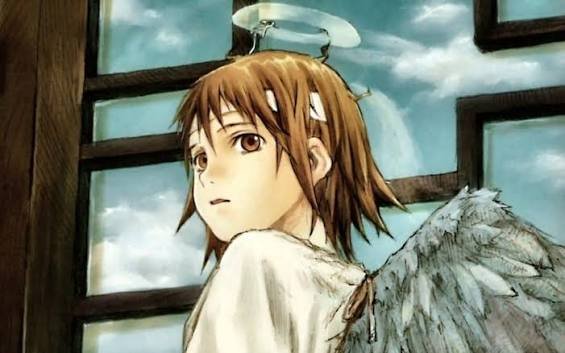
9. Haibane Renmei (2002)
- Streaming Availability: Funimation
- Rating: MAL: 8.0
- Episodes: 13
- Studio: Radix
- Notable Staff: Created by Yoshitoshi ABe (Serial Experiments Lain).
Plot Summary: Rakka, a newly born “Haibane,” awakens in a strange, walled town with small wings and no memory of her past. She and the other Haibane are forbidden from leaving and must live a quiet, simple life while grappling with their existence and the nature of their “sin.”
Similarities to Wolf’s Rain: Both are deeply atmospheric and melancholic series about identity, memory, and the search for meaning in a liminal space. The walled town is a kind of purgatory, much like the dying world in Wolf’s Rain. The focus is on quiet, emotional character development and the exploration of spiritual and existential questions.
10. Mushishi (2005)
- Streaming Availability: Crunchyroll, Hulu
- Rating: MAL: 8.7
- Episodes: 26 (Season 1)
- Studio: Artland
- Notable Staff: Based on the manga by Yuki Urushibara.
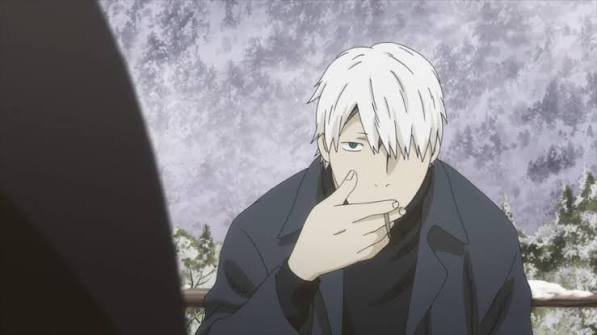
Plot Summary: Ginko, a “Mushi-shi,” travels the countryside investigating “Mushi”—primordial, ethereal lifeforms that exist alongside humanity, often causing inexplicable and sometimes harmful phenomena. His journey is one of quiet observation, understanding, and finding balance.
Similarities to Wolf’s Rain: Both are atmospheric, melancholic, and deeply philosophical series that explore the relationship between humanity and the unseen world. The focus is on understanding rather than fighting, and the tone is one of quiet contemplation and gentle melancholy. Ginko, like the wolves, is a wanderer navigating a world filled with mysteries.
11. The Girl Who Leapt Through Time (Toki wo Kakeru Shoujo) (2006)
- Streaming Availability: Crunchyroll, Amazon Prime Video
- Rating: MAL: 8.2
- Episodes: 1 (Film)
- Studio: Madhouse
- Notable Staff: Directed by Mamoru Hosoda.
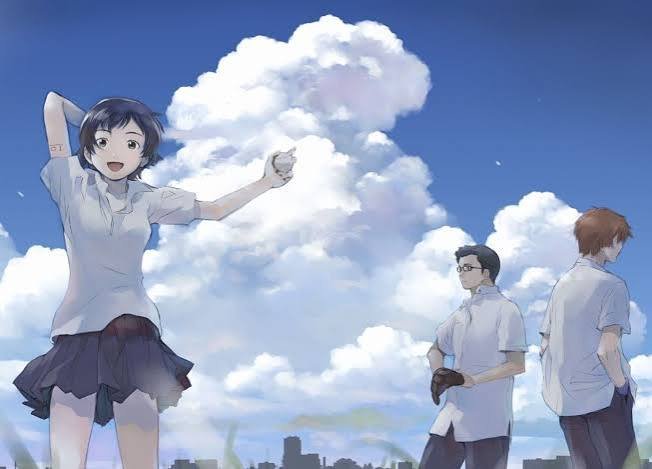
Plot Summary: Makoto Konno, a high school girl, discovers she has the ability to leap through time. She uses this power to fix small problems and avoid awkward situations, but she soon learns that her actions have unintended consequences for herself and the people she cares about.
Similarities to Wolf’s Rain: While tonally different, both are about the consequences of choice and the importance of appreciating the present moment. Makoto, like the wolves, is given a unique opportunity that forces her to confront her own selfishness and the value of the time she has. Both works explore the theme of accepting the fleeting nature of happiness.
12. Sonny Boy (2021)
- Streaming Availability: Crunchyroll, Hulu
- Rating: MAL: 7.8
- Episodes: 12
- Studio: Madhouse
- Notable Staff: Directed by Shingo Natsume (One-Punch Man), with an original script.
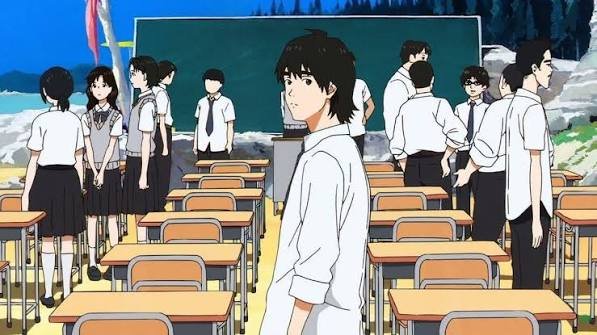
Plot Summary: An entire high school class is suddenly transported to a black void and begins drifting through a series of bizarre new worlds. As they discover their unique abilities, the students grapple with questions of authority, purpose, and the nature of their reality.
Similarities to Wolf’s Rain: Both are surreal, allegorical narratives that use a journey through strange worlds to explore themes of identity, purpose, and the nature of reality. The focus is on the psychological impact of being isolated from society and forced to confront one’s own existence. The non-linear storytelling and the dreamlike atmosphere are a direct parallel.
13. Angel’s Egg (Tenshi no Tamago) (1985)
- Streaming Availability: Not currently available on major platforms.
- Rating: MAL: 7.8
- Episodes: 1 (Film)
- Studio: Studio Deen
- Notable Staff: Directed by Mamoru Oshii, with art by Yoshitaka Amano.
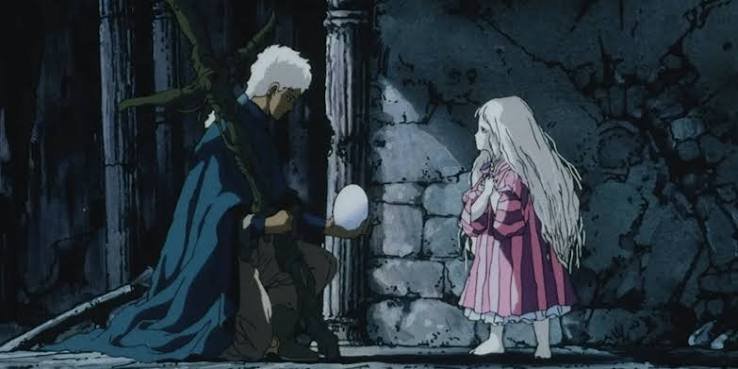
Plot Summary: In a dark, surreal, and mostly deserted world, a young girl protects a mysterious egg. She is accompanied by a shadowy man who questions her faith and the meaning of her existence, leading to a profound and ambiguous exploration of belief, loss, and hope.
Similarities to Wolf’s Rain: Both are deeply symbolic, atmospheric, and almost entirely devoid of conventional narrative. The focus is on visual storytelling, mood, and the exploration of spiritual and existential themes. The search for something precious and elusive—an egg, a paradise—is a direct thematic parallel.
14. D.Gray-man (2006)

- Streaming Availability: Crunchyroll, Funimation
- Rating: MAL: 8.0
- Episodes: 103 (Season 1)
- Studio: TMS Entertainment
- Notable Staff: Based on the manga by Katsura Hoshino.
Plot Summary: Allen Walker, a young exorcist with a cursed eye and an anti-akuma weapon, joins the Black Order, an organization fighting against the Millennium Earl and his army of demons. He and his fellow exorcists must battle to protect humanity while confronting their own dark pasts.
Similarities to Wolf’s Rain: Both feature a group of outcasts who are fighting against a seemingly unstoppable force in a world that is slowly being consumed by darkness. The protagonists are underdogs who are haunted by their pasts and driven by a desperate hope. The series explores themes of faith, sacrifice, and the struggle to maintain one’s humanity in the face of overwhelming evil.
15. Noein: To Your Other Self (2005)
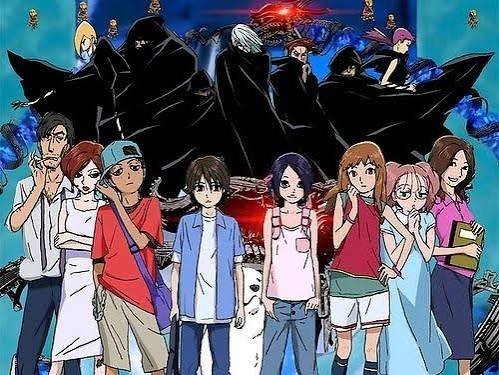
- Streaming Availability: Crunchyroll
- Rating: MAL: 7.5
- Episodes: 24
- Studio: Satelight
- Notable Staff: Directed by Kazuki Akane (Escaflowne).
Plot Summary: In a future timeline, a devastating war is being fought across multiple dimensions. A group of time-traveling warriors called the Dragon Knights arrive in the present, seeking a mysterious object known as the “Dragon’s Torque,” which is connected to a young girl named Haruka.
Similarities to Wolf’s Rain: Both involve a conflict that spans time and space, with the actions of the present having profound consequences for the future. The complex, multi-dimensional plot and the philosophical questions about fate, free will, and determinism are a strong match. The underdog protagonists are caught in a conflict far larger than themselves.
Why These Anime Work for Wolf’s Rain Fans
Fans of Wolf’s Rain are drawn to stories that are atmospheric, philosophical, and unafraid to embrace tragedy. They appreciate a narrative that takes its time to build its world and its characters, and they are willing to confront difficult truths about the human condition. They are not looking for simple heroes and villains, but for complex, flawed individuals who are searching for meaning in a world that often seems devoid of it.
The anime listed above all share this fundamental DNA:
- The Search for Paradise: Whether it is a literal Paradise, a lost memory, or a sense of belonging, these series are driven by the search for something that may not exist. The protagonists are wanderers, outcasts, and dreamers who are willing to sacrifice everything for a glimpse of hope.
- The Underdog Against the World: The protagonists are not powerful heroes. They are ordinary beings—wolves, androids, children—who are struggling against forces far larger than themselves. Their strength lies not in their power, but in their resilience, their capacity for love, and their refusal to give up on their dreams.
- Subversion of the Adventure Genre: These series use the trappings of adventure, science fiction, and fantasy not for escapism, but for exploring the deepest questions of human existence. They understand that the most compelling journeys are not about reaching a destination, but about the transformation that occurs along the way.
These 15 anime, like Wolf’s Rain, are not afraid to wander into the darkness. They are underrated gems that offer a profound, thought-provoking, and deeply moving experience for viewers who are willing to follow the path, no matter where it leads.