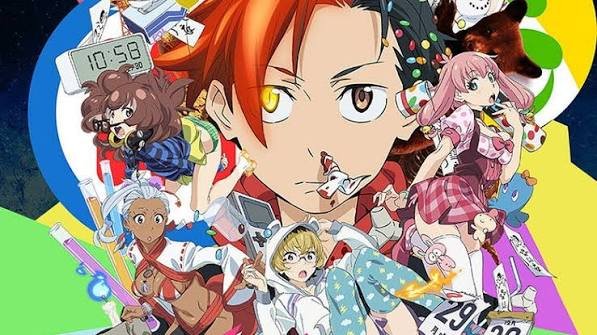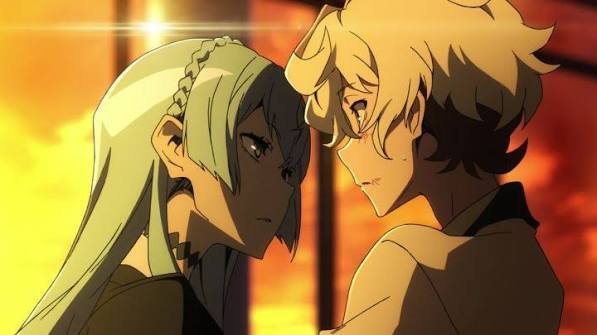
Kiznaiver is a vibrant, emotionally explosive exploration of human connection in a world that often feels disconnected. Set in the futuristic city of Sugomori, the story follows seven high school students who are forcibly linked by the “Kizuna System,” an experimental technology that divides all physical and emotional pain equally among them. Tasked with completing missions designed to strengthen their bond, the group must navigate a minefield of shared trauma, hidden secrets, and the terrifying vulnerability of being truly known by others.
The series is a brilliant example of a power system used not for combat, but for character dissection. The protagonists are emotional underdogs—ordinary, deeply flawed teenagers who are forced to confront their own inadequacies and the masks they wear to survive. Kiznaiver masterfully subverts expectations by taking the classic “team of misfits” trope and injecting it with a profound, often uncomfortable, sense of psychological realism. Its colorful, stylized presentation belies a story about the raw, messy, and sometimes painful nature of empathy.
For fans of Kiznaiver, the search for similar anime can be a quest for that same unique blend of high-concept sci-fi and intense emotional drama. It’s a specific niche, but a rich one. Many underrated series explore similar territory—whether it be a forced supernatural bond, a group of strangers learning to understand each other, or a narrative that prioritizes emotional stakes above all else. These shows deserve far more attention for their willingness to explore the complex, beautiful, and often painful mechanics of human connection.
Here are 15 underrated anime that capture the spirit of Kiznaiver.
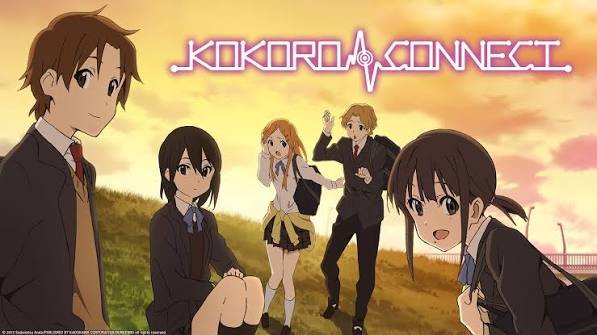
1. Kokoro Connect (2012)
- Streaming Availability: Crunchyroll
- Rating: MAL: 7.7
- Episodes: 13 + 4 OVA
- Studio: SILVER LINK.
- Notable Staff: Directed by Shinya Kawatsura (Non Non Biyori), written by Fumihiko Shimo (Clannad).
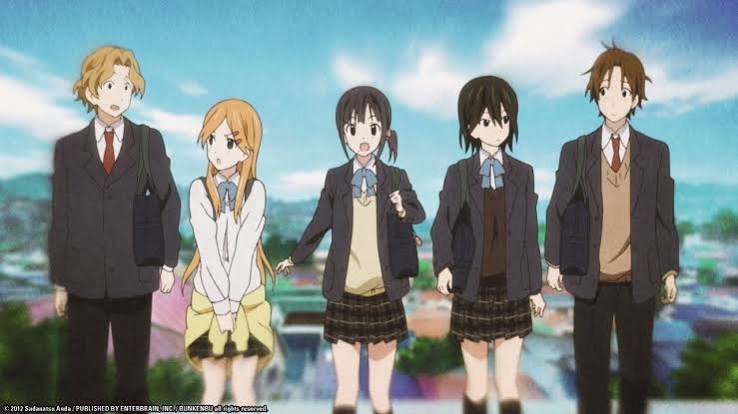
Plot Summary: Five members of the Student Cultural Society find their lives disrupted by a mysterious entity called “Heartseed,” who forces them to undergo supernatural phenomena like body-swapping and desire-unleashing. These events force the friends to confront the hidden traumas and secret feelings they have kept from one another.
Similarities to Kiznaiver: This is the most direct thematic sibling to Kiznaiver. Both series use an external, unexplained force to systematically dismantle the emotional barriers between a group of friends. The focus is on the psychological toll of forced vulnerability and the realization that true understanding requires confronting both the beautiful and the ugly parts of another person. The character-driven drama and focus on interpersonal conflict are nearly identical.
2. Revue Starlight (2018)

- Streaming Availability: HiDive
- Rating: MAL: 7.7
- Episodes: 12
- Studio: Kinema Citrus
- Notable Staff: Directed by Tomohiro Furukawa, with original story by Kanata Nakamura and music by Yoshiaki Fujisawa.
Plot Summary: At a prestigious music school, eight girls training for the stage are pulled into a secret, underground competition called the “Revue.” Here, they must battle each other in surreal, musical duels, using weapons and song to express their deepest desires and fight for the role of “Top Star.”
Similarities to Kiznaiver: The battles in Revue Starlight are not about physical strength but about emotional honesty. Each duel is a psychological confrontation where the characters’ true feelings, jealousies, and ambitions are laid bare through performance. The shared experience of the Revue forces the girls to understand each other on a profound level, much like the Kizuna System, revealing the pain and passion that drives them.
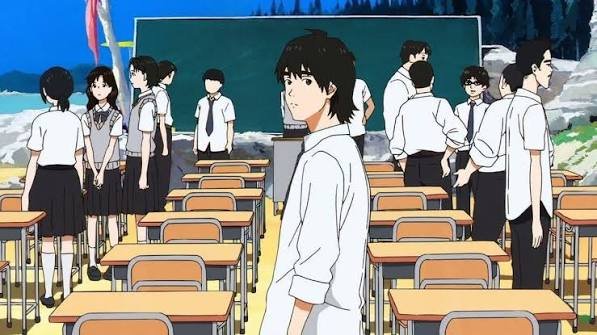
3. Sonny Boy (2021)
- Streaming Availability: Crunchyroll, Hulu
- Rating: MAL: 7.8
- Episodes: 12
- Studio: Madhouse
- Notable Staff: Directed by Shingo Natsume (One-Punch Man), with an original script by Shingo Natsume.
Plot Summary: An entire high school class is transported to a black void and begins to drift through a series of bizarre new worlds. As they discover their unique abilities, the students grapple with questions of authority, purpose, and the nature of their reality, leading to conflict and shifting alliances.
Similarities to Kiznaiver: Sonny Boy is a surreal and allegorical take on a similar premise: a group of young people isolated from society and forced to create their own rules. The focus is on the psychological dynamics of the group as their individual desires and insecurities clash. It shares Kiznaiver‘s ambition to use a high-concept sci-fi setting to explore deep philosophical and social questions, subverting expectations of a typical survival anime.
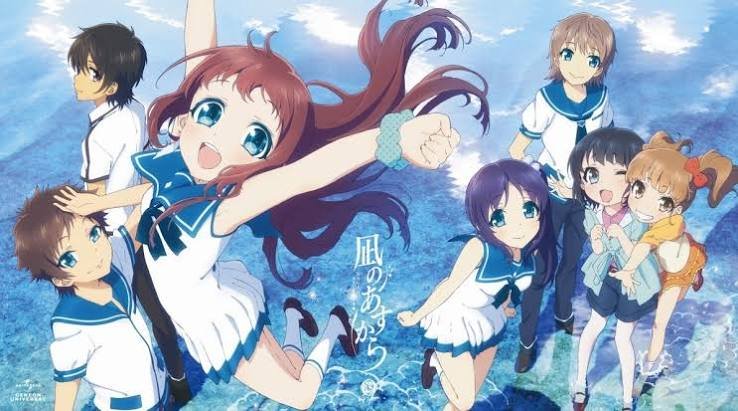
4. A Lull in the Sea (Nagi no Asukara) (2013)
- Streaming Availability: Crunchyroll, Amazon Prime Video
- Rating: MAL: 8.0
- Episodes: 26
- Studio: P.A. Works
- Notable Staff: Directed by Toshiya Shinohara, written by Mari Okada (Anohana, Kiznaiver).
Plot Summary: Four childhood friends from a village beneath the sea are forced to attend school on the surface when their school closes. A catastrophic event occurs, separating the group and forcing them to confront the changes in their relationships and their long-suppressed feelings for one another.
Similarities to Kiznaiver: Written by the same screenwriter, Mari Okada, A Lull in the Sea is a masterclass in complex character dynamics. The core of the story is a tangled web of unrequited love and jealousy, similar to the emotional landscape of Kiznaiver. The characters are forced to grow and change in response to their shared trauma, and the series excels at finding profound emotional truth in its characters’ pain.
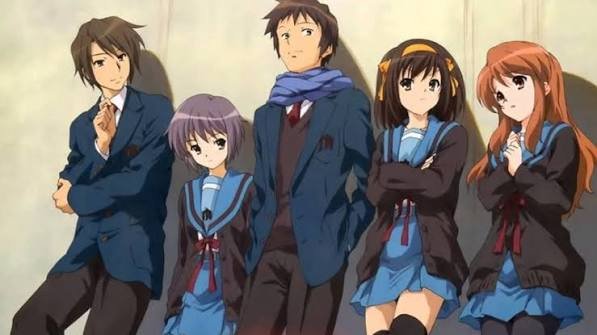
5. The Melancholy of Haruhi Suzumiya (2006)
- Streaming Availability: Crunchyroll, Funimation
- Rating: MAL: 7.8
- Episodes: 28
- Studio: Kyoto Animation
- Notable Staff: Based on the light novels by Nagaru Tanigawa, directed by Tatsuya Ishihara and Yutaka Yamamoto.
Plot Summary: Kyon, a cynical high school student, is dragged into the world of Haruhi Suzumiya, an eccentric girl who is unknowingly a god-like being. She forms the SOS Brigade to find aliens, time travelers, and espers, who turn out to be the other members of the club, all secretly monitoring her.
Similarities to Kiznaiver: The SOS Brigade is the quintessential “group of misfits thrown together by extraordinary circumstances.” Like the Kiznaivers, they are bound not by friendship but by a shared secret and a common purpose. The series excels at exploring the loneliness and dissatisfaction that drives each character, particularly Haruhi, and how their forced proximity leads to genuine, if complicated, bonds.
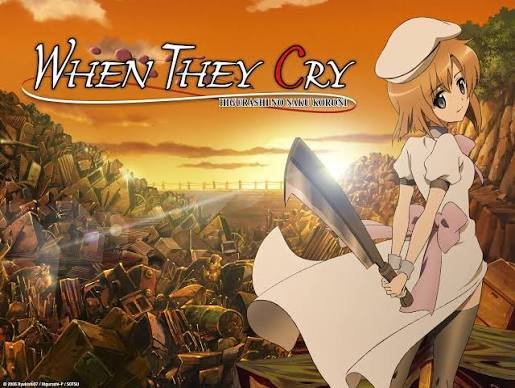
6. When They Cry (Higurashi no Naku Koro ni) (2006)
- Streaming Availability: Crunchyroll, Hulu
- Rating: MAL: 7.9
- Episodes: 26 (Season 1)
- Studio: Studio Deen
- Notable Staff: Based on the visual novel by Ryukishi07.
Plot Summary: Keiichi Maebara moves to the quiet village of Hinamizawa, where he enjoys a peaceful life with his new friends. However, as the annual festival approaches, a series of horrific murders reveals a darker side to the village and to his friends, leading to paranoia, distrust, and madness.
Similarities to Kiznaiver: Higurashi takes the core theme of trust to its absolute extreme. It asks a terrifying question: how well do we really know the people we call friends? The series explores how a lack of communication and understanding can lead to catastrophic consequences, a dark mirror to the forced communication of the Kizuna System. Both are intense character studies where the bonds of friendship are tested to the breaking point.
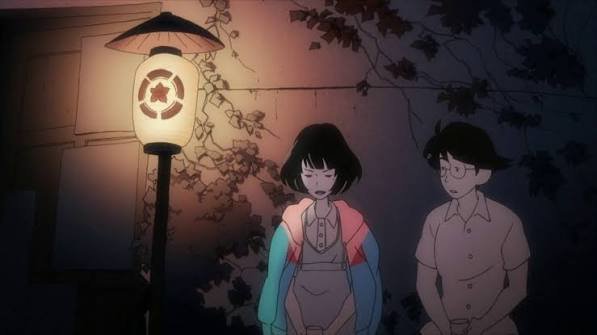
7. The Tatami Galaxy (Yojouhan Shinwa Taikei) (2010)
- Streaming Availability: Crunchyroll, Funimation
- Rating: MAL: 8.5
- Episodes: 11
- Studio: Madhouse
- Notable Staff: Directed by Masaaki Yuasa (Devilman Crybaby), based on the novel by Tomihiko Morimi.
Plot Summary: An unnamed college student reflects on his failures, constantly wondering how his life would have been different if he had made different choices, particularly which club he joined in his first year. The series uses a time-loop structure to show him living through these alternate realities.
Similarities to Kiznaiver: The core theme is the search for the “rose-colored campus life”—a perfect, idealized connection with others. Like the characters in Kiznaiver, the protagonist is an emotional underdog struggling to find his place. The series ultimately reveals that genuine connection is not found by chasing an ideal but by accepting the imperfect reality of oneself and others. Its unique, fast-paced visual style from Masaaki Yuasa perfectly captures the protagonist’s chaotic mind.
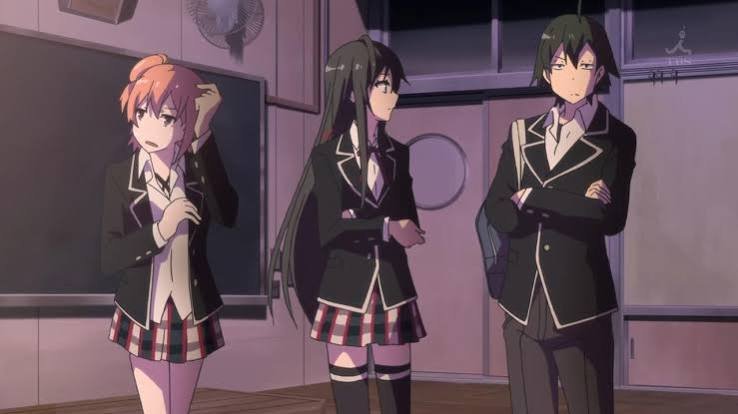
8. Oregairu (My Teen Romantic Comedy SNAFU) (2013)
- Streaming Availability: Crunchyroll, Amazon Prime Video
- Rating: MAL: 8.0
- Episodes: 13 (Season 1)
- Studio: Brain’s Base
- Notable Staff: Based on the light novel series by Wataru Watari.
Plot Summary: Hachiman Hikigaya, a cynical and isolated high school student, is forced to join the “Service Club” alongside the cold beauty Yukino Yukinoshita and the cheerful Yui Yuigahama. The club helps students solve their problems, but Hachiman’s methods often expose the hypocrisy and superficiality of social relationships.
Similarities to Kiznaiver: Both series are deeply deconstructive of the “friendship” genre. Hachiman, like many of the Kiznaivers, is a character who has been hurt by social expectations and has retreated into a shell of cynicism. The show is a brilliant, cutting analysis of what “genuine” connection means, questioning whether it is even possible or if all relationships are built on a fragile, unspoken lie.
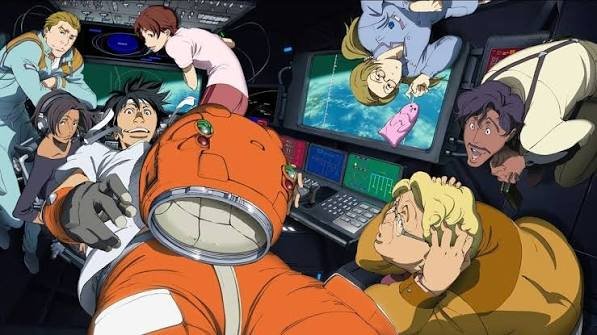
9. Planetes (2003)
- Streaming Availability: Crunchyroll (as Planetes)
- Rating: MAL: 8.2
- Episodes: 26
- Studio: Sunrise
- Notable Staff: Based on the critically acclaimed manga by Makoto Yukimura (Vinland Saga).
Plot Summary: In the year 2075, space travel has become commercialized, leaving dangerous debris in Earth’s orbit. The story follows the crew of the “Toy Box,” a debris collection ship, as they deal with the mundane realities, corporate pressures, and personal dreams of being blue-collar workers in space.
Similarities to Kiznaiver: While not a high-school drama, Planetes shares the core theme of a group of mismatched individuals forced to work together in close quarters. The crew of the Toy Box are all “underdogs” in their own way, dealing with personal demons and unfulfilled ambitions. The series is a mature, character-driven drama that explores how shared hardship and a common purpose can forge powerful bonds, even between people who initially clash.
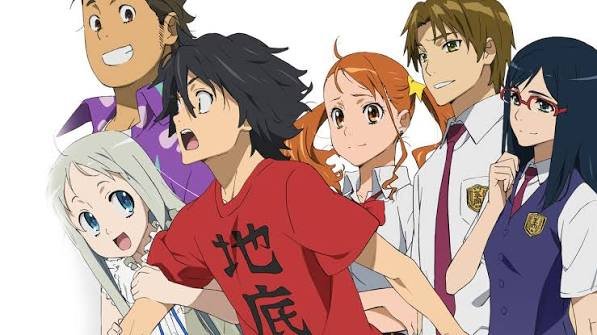
10. Anohana: The Flower We Saw That Day (2011)
- Streaming Availability: Crunchyroll, Netflix
- Rating: MAL: 8.3
- Episodes: 11
- Studio: A-1 Pictures
- Notable Staff: Directed by Tatsuyuki Nagai, written by Mari Okada (Kiznaiver).
Plot Summary: Years after the death of their friend Menma, a group of estranged childhood friends is brought back together when Menma’s ghost appears to Jinta, the group’s former leader. She asks him to grant her a forgotten wish, forcing the group to confront the guilt, grief, and unspoken feelings that drove them apart.
Similarities to Kiznaiver: Another work from writer Mari Okada, Anohana is a direct emotional ancestor to Kiznaiver. The supernatural element—Menma’s ghost—serves the same function as the Kizuna System: an external catalyst that forces a broken group to communicate and confront their shared trauma. The focus is entirely on the group dynamic and the painful, beautiful process of healing together.
11. Ghost Hound (2007)
- Streaming Availability: Amazon Prime Video, HiDive
- Rating: MAL: 7.0
- Episodes: 22
- Studio: Production I.G.
- Notable Staff: Created by Masamune Shirow (Ghost in the Shell), directed by Ryutaro Nakamura (Serial Experiments Lain).
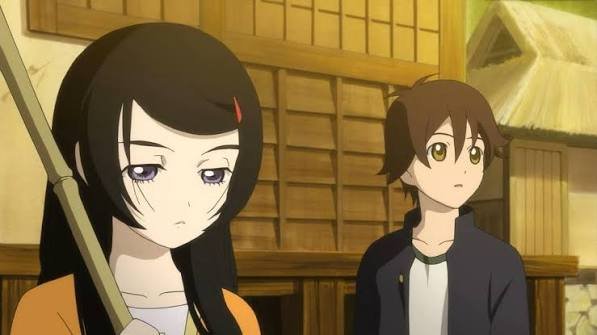
Plot Summary: Three high school boys who have all experienced past traumas begin to have out-of-body experiences. They use this phenomenon to explore the “Unseen World” and investigate a mysterious case from their past connected to a local religious cult.
Similarities to Kiznaiver: The shared trauma of the three protagonists is the engine of the narrative. Their out-of-body experiences are a literal metaphor for the out-of-body feeling of dissociation caused by trauma. The series is a slow-burn psychological mystery that explores how people cope with pain and how connecting with others who share similar wounds can be a path to healing. The scientific approach to its supernatural power system is also reminiscent of the Kizuna System.
12. Charlotte (2015)
- Streaming Availability: Crunchyroll, Hulu
- Rating: MAL: 7.8
- Episodes: 13
- Studio: P.A. Works
- Notable Staff: Created by Jun Maeda (Clannad, Angel Beats!).
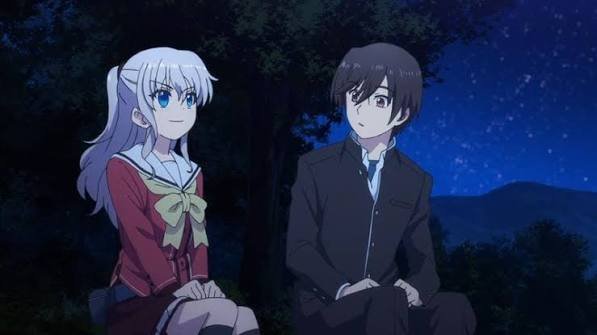
Plot Summary: In a world where a small percentage of adolescents develop special abilities, Yuu Otosaka uses his power for personal gain until he is caught and forced to join the student council of Hoshinoumi Academy. This group is dedicated to finding and protecting other ability users before their powers fade or they are exploited.
Similarities to Kiznaiver: The student council members are a group bound by their shared secret and their responsibility to help others. Like the Kiznaivers, they are forced to confront the consequences of their powers and the emotional burdens they carry. The series explores the idea that having a special power is not a gift but often a curse, leading to intense psychological drama and high emotional stakes.
13. Tsukigakirei (2017)
- Streaming Availability: Crunchyroll
- Rating: MAL: 7.9
- Episodes: 12
- Studio: feel.
- Notable Staff: Directed by Seiji Kishi (Angel Beats!), with original character designs by loundraw.
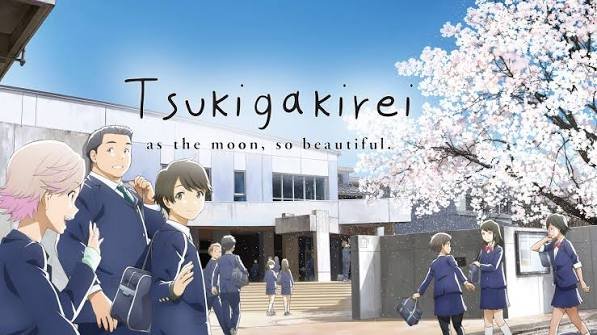
Plot Summary: Kotarou Azumi and Akane Mizuno are two shy, awkward third-year middle school students who begin a tentative relationship. The series is a grounded, realistic portrayal of first love, full of awkward silences, miscommunication, and quiet moments of joy.
Similarities to Kiznaiver: The key similarity is the authenticity of emotion. The characters in Tsukigakirei struggle to express themselves, just like the Kiznaivers. The focus on subtle body language, unspoken feelings, and the painful awkwardness of trying to connect with another person is a quieter, more intimate mirror to the forced, dramatic vulnerability of Kiznaiver.
14. Haibane Renmei (2002)
- Streaming Availability: Funimation
- Rating: MAL: 8.0
- Episodes: 13
- Studio: Radix
- Notable Staff: Created by Yoshitoshi ABe (Serial Experiments Lain).
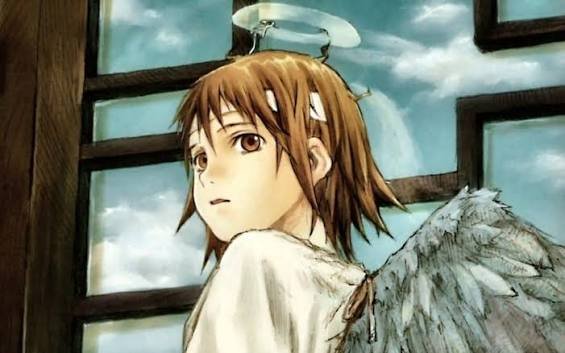
Plot Summary: Rakka, a newly born “Haibane,” awakens in a strange, walled town with small wings and no memory of her past. She and the other Haibane are forbidden from leaving and must live a quiet, simple life while grappling with their existence and the nature of their “sin.”
Similarities to Kiznaiver: This is a deeply atmospheric and melancholic series about identity and belonging. It shares the core theme of characters who are “broken” by their pasts, even if they can’t remember them. The Haibane’s support for one another is a testament to the power of empathy and understanding, echoing the hard-won bonds of the Kiznaivers. The focus is on quiet, emotional character development over plot.
15. Kanon (2006)

- Streaming Availability: Crunchyroll, Funimation
- Rating: MAL: 7.9
- Episodes: 24
- Studio: Kyoto Animation
- Notable Staff: Based on the visual novel by Key, directed by Tatsuya Ishihara.
Plot Summary: Yuuichi Aizawa returns to a town he lived in seven years ago, but he has lost all memories of the time he spent there. He reconnects with several girls, each of whom is connected to his forgotten past in a way that is often tragic and mysterious.
Similarities to Kiznaiver: The forgotten past acts as the central mystery, a catalyst for emotional revelation much like the Kizuna System. Each girl in Kanon has a deeply hidden trauma that Yuuichi must uncover and help them confront. The series is a masterclass in using a supernatural premise to explore themes of loss, regret, and the power of memory to both wound and heal—the very things that bind the Kiznaivers together.
Why These Anime Work for Kiznaiver Fans
Fans of Kiznaiver are drawn to stories where the emotional stakes are the primary source of tension and conflict. They appreciate watching characters be stripped of their defenses, forced to confront their flaws, and ultimately finding strength in vulnerability. They are not looking for a simple action show, but for a nuanced character study that uses its genre trappings to explore what it means to be human.
The anime listed above all share this fundamental focus:
- Power as a Tool for Emotional Dissection: Whether it’s the body-swapping of Kokoro Connect, the duels of Revue Starlight, or the time loops of The Tatami Galaxy, the supernatural or sci-fi elements are never just for show. They are tools used to expose the deepest, most guarded parts of a character’s heart.
- The Emotional Underdog: These are not stories about becoming the strongest fighter, but about winning small, personal victories: saying sorry, telling the truth, letting go of the past. The protagonists are ordinary people fighting against their own insecurities and social anxieties.
- Subversion of Friendship Tropes: These series take the familiar “group of friends” setting and use it to tell stories that are far more complex and emotionally resonant than their premises suggest. They deconstruct the idea of perfect, effortless friendship, revealing the effort, pain, and understanding required to build genuine, lasting connections.
These 15 anime, like Kiznaiver, understand that true connection is not easy. It is messy, painful, and requires a leap of faith. They are underrated gems that offer profound emotional experiences for viewers willing to open themselves up to the story, just as their characters must open up to each other.