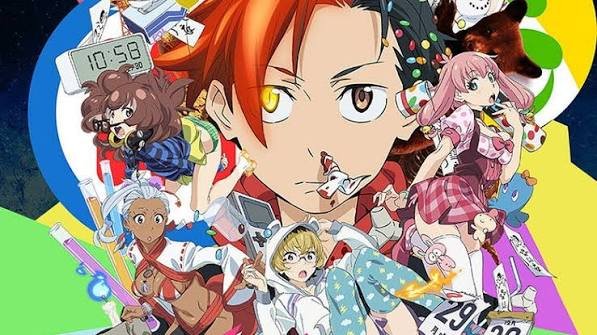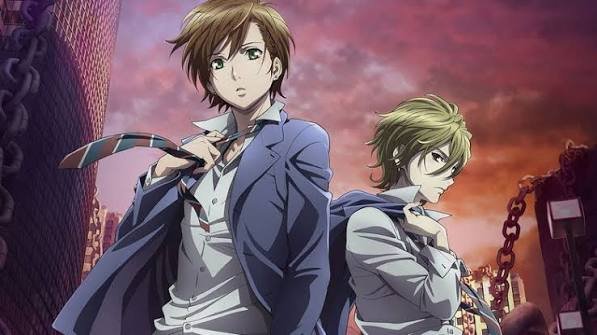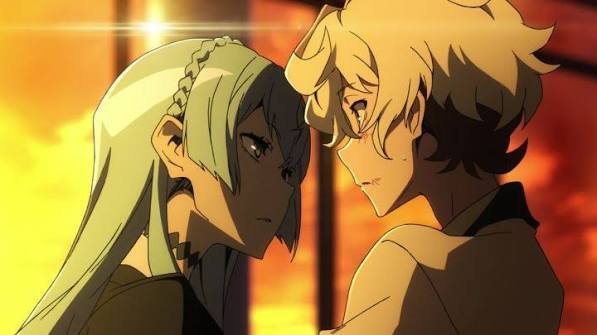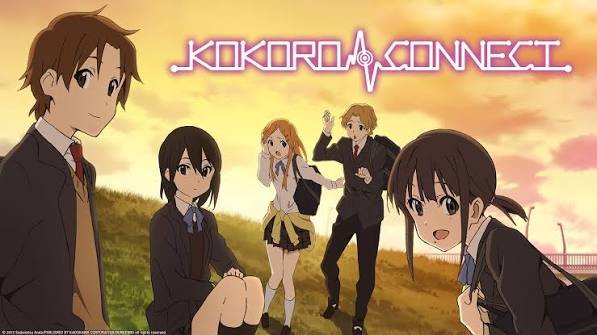
Rewrite is an ambitious, genre-bending anime that evolves from a lighthearted supernatural school story into a sprawling, philosophical epic about the fate of humanity and the planet. The story follows Kotarou Tennouji, a high school student with the ability to “rewrite” his own body, who joins the Occult Research Club in his city of Kazamatsuri. As he investigates supernatural mysteries with his eccentric clubmates, he is drawn into a secret war between two factions: the guardians who protect humanity and the summoners who seek to destroy it to save the Earth.
The series is defined by its core themes: a complex and layered power system where abilities come at a cost, an underdog protagonist who is often outmatched and must rely on strategy and willpower, and a profound subversion of expectations, where the initial slice-of-life tone gives way to dark, apocalyptic stakes. Rewrite challenges its audience, asking difficult questions about environmentalism, sacrifice, and what it means to be human. It is a story of loss, memory, and the search for a future worth fighting for.
For fans of Rewrite, finding similar anime can feel like searching for a needle in a haystack. It occupies a unique space—part visual novel adaptation, part ecological allegory, part existential drama. Yet, many underrated series share its core DNA: the blending of supernatural powers with deep philosophical questions, the focus on an underdog protagonist fighting against insurmountable odds, and the willingness to subvert genre conventions in service of a larger, more meaningful narrative. These shows deserve far more attention for their ambition, their emotional depth, and their refusal to take the easy path.
Here are 15 underrated anime that capture the spirit of Rewrite.
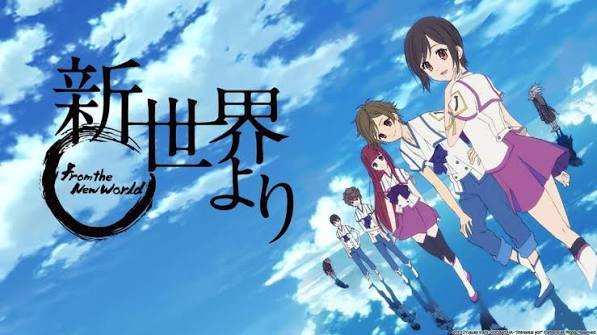
1. Shinsekai Yori (From the New World) (2012)
- Streaming Availability: Crunchyroll, Amazon Prime Video
- Rating: MAL: 8.3
- Episodes: 25
- Studio: A-1 Pictures
- Notable Staff: Based on the award-winning novel by Yusuke Kishi.
Plot Summary: A thousand years after humanity develops psychic powers called Cantus, a group of children in a seemingly utopian village begins to uncover the horrifying truths their society is built upon. They learn the terrible price of their peaceful existence and the fate of those who cannot control their powers.
Similarities to Rewrite: This is a definitive exploration of a “seemingly perfect society with a dark secret.” Both series feature a complex power system with strict rules and devastating consequences. The protagonists are underdogs fighting against a system far larger than themselves, and the narrative relentlessly pursues the logical, horrifying implications of its premise, creating a similar atmosphere of dread and philosophical weight.
2. Charlotte (2015)

- Streaming Availability: Crunchyroll, Hulu
- Rating: MAL: 7.8
- Episodes: 13
- Studio: P.A. Works
- Notable Staff: Created by Jun Maeda (Clannad, Angel Beats!), a key writer for visual novel studio Key.
Plot Summary: In a world where a small percentage of adolescents develop special abilities, Yuu Otosaka uses his power to cheat his way through life until he is caught and forced to join the student council of Hoshinoumi Academy. The group works to protect other ability users, but they soon uncover a darker conspiracy surrounding the origin and fate of these powers.
Similarities to Rewrite: Both series are from the same creative family, with Jun Maeda’s influence being a direct link to Key’s visual novel style. They share a narrative structure that begins with school-life comedy and evolves into a tragic, high-stakes drama. The power system—abilities that are temporary and often flawed—mirrors the cost of power in Rewrite, and both feature protagonists who must make immense personal sacrifices.
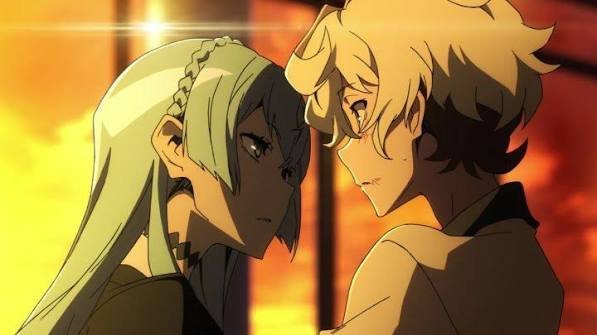
3. Kiznaiver (2016)
- Streaming Availability: Crunchyroll
- Rating: MAL: 7.3
- Episodes: 12
- Studio: Studio Trigger
- Notable Staff: Directed by Hiroshi Kobayashi, written by Mari Okada (Anohana, Maquia).
Plot Summary: A group of high school students is forcibly linked by the “Kizuna System,” an experimental technology that shares their physical and emotional pain. They are assigned missions to deepen their bonds, forcing them to confront their own traumas and the dark secrets they keep from one another.
Similarities to Rewrite: While the scale is smaller, Kiznaiver shares the core theme of individuals being forced into a system they did not choose. The Kizuna System, like the factions in Rewrite, is an external force that strips away agency and forces characters to confront uncomfortable truths. Both series are ultimately about the power and pain of human connection, using their sci-fi concepts to explore emotional vulnerability.
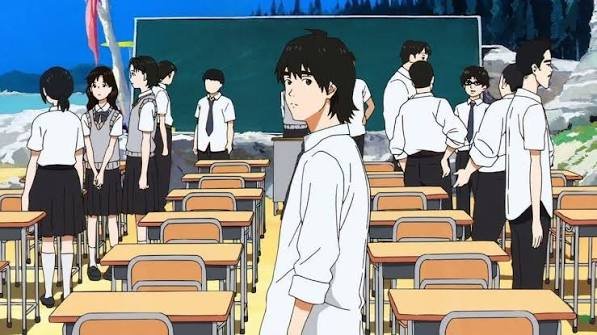
4. Sonny Boy (2021)
- Streaming Availability: Crunchyroll, Hulu
- Rating: MAL: 7.8
- Episodes: 12
- Studio: Madhouse
- Notable Staff: Directed by Shingo Natsume (One-Punch Man), with an original script by Shingo Natsume.
Plot Summary: An entire high school class is suddenly transported to a black void and begins drifting through a series of bizarre new worlds. As they discover their unique abilities, the students grapple with questions of authority, purpose, and the nature of their reality, leading to shifting alliances and philosophical conflict.
Similarities to Rewrite: Sonny Boy is a surreal, allegorical exploration of similar themes: the search for meaning in a broken world, the development of unique powers as a metaphor for individuality, and the conflict between different ideologies for survival. It is an ambitious, thought-provoking series that, like Rewrite, subverts expectations of its genre and demands the audience’s full intellectual engagement.
5. The Melancholy of Haruhi Suzumiya (2006)

- Streaming Availability: Crunchyroll, Funimation
- Rating: MAL: 7.8
- Episodes: 28
- Studio: Kyoto Animation
- Notable Staff: Based on the light novels by Nagaru Tanigawa.
Plot Summary: Kyon, a cynical high school student, is dragged into the world of the eccentric Haruhi Suzumiya, who is unknowingly a god-like being capable of altering reality. She forms the SOS Brigade to find aliens, time travelers, and espers, who turn out to be the other members of the club, all secretly monitoring her.
Similarities to Rewrite: The SOS Brigade is a club that investigates the supernatural, just like the Occult Research Club. Both series start with a seemingly mundane premise that gradually reveals a deeper, more complex reality. The core theme of a group of individuals bound by a shared secret and forced to navigate extraordinary circumstances is central to both narratives, and both explore the burden of hidden knowledge.
6. Angel Beats! (2010)

- Streaming Availability: Crunchyroll, Funimation
- Rating: MAL: 8.0
- Episodes: 13
- Studio: P.A. Works
- Notable Staff: Created by Jun Maeda (Rewrite, Charlotte), directed by Seiji Kishi.
Plot Summary: Otonashi wakes up in the afterlife, a high school purgatory where students who died with unfulfilled dreams must learn to let go of their past lives. He joins a rebel group called the SSS, who fight against a mysterious girl named Angel, the student council president who enforces the rules of this world.
Similarities to Rewrite: This is another Jun Maeda work with a direct thematic connection. The premise of a group fighting against a seemingly oppressive system, only to discover the system is more complex and tragic than they imagined, mirrors the central conflict of Rewrite. The series blends comedy, action, and profound emotional tragedy, building toward a powerful and cathartic conclusion about the meaning of life and death.
7. Boogiepop and Others (2019)

- Streaming Availability: Crunchyroll, Funimation
- Rating: MAL: 7.0
- Episodes: 18
- Studio: Madhouse
- Notable Staff: Based on the influential light novel series by Kouhei Kadono.
Plot Summary: The story is told in a non-linear fashion, revolving around Boogiepop, a rumored shinigami who appears to “save” people from a world of pain, and the various strange supernatural events and characters that plague a single city. The narrative weaves together multiple perspectives to reveal a larger, interconnected mystery.
Similarities to Rewrite: Both series are complex, non-linear puzzle boxes that demand the audience’s full attention. They share a cold, analytical tone, focusing on the philosophical implications of their supernatural events. The protagonists are often observers or cogs in a larger machine, trying to understand a world that is far stranger and more dangerous than they initially believed.
8. Haibane Renmei (2002)

- Streaming Availability: Funimation
- Rating: MAL: 8.0
- Episodes: 13
- Studio: Radix
- Notable Staff: Created by Yoshitoshi ABe (Serial Experiments Lain).
Plot Summary: Rakka, a newly born “Haibane,” awakens in a strange, walled town with small wings and no memory of her past. She and the other Haibane are forbidden from leaving and must live a quiet, simple life while grappling with their existence and the nature of their “sin.”
Similarities to Rewrite: This is a deeply atmospheric and melancholic series about identity, memory, and salvation. It shares the core theme of characters who are “broken” by their pasts, even if they can’t remember them. The walled town is a liminal space, much like the city in Rewrite, and the Haibane’s search for meaning and redemption echoes Kotarou’s own journey. The focus is on quiet, emotional character development over plot.
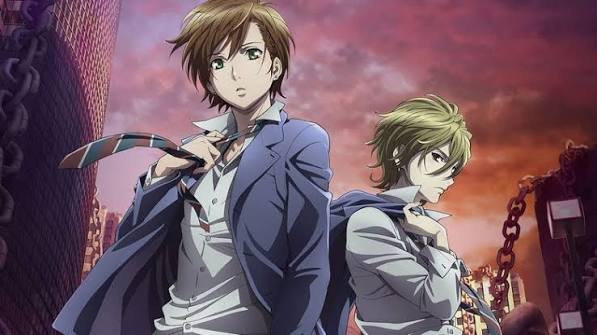
9. Zetsuen no Tempest (Blast of Tempest) (2012)
- Streaming Availability: Crunchyroll, Amazon Prime Video
- Rating: MAL: 7.9
- Episodes: 24
- Studio: Bones
- Notable Staff: Based on the manga by Kyou Shirodaira, directed by Masahiro Ando (Sword of the Stranger).
Plot Summary: Yoshino Takigawa and Mahiro Fuwa are drawn into a conflict involving the resurrection of the “Tree of Exodus,” a magical force that could destroy the world. Their quest for answers is intertwined with the murder of Mahiro’s sister, and they must use logic and magic to navigate a world spiraling into chaos.
Similarities to Rewrite: Both series feature a central conflict between opposing forces representing “salvation” and “destruction” for the planet. The use of magic is heavily tied to philosophy and logic, with characters frequently engaging in intellectual debates. The protagonist, Yoshino, is an underdog who relies on his wit and resolve, and the narrative is full of twists and subversions that keep the audience guessing.
10. Nagi no Asukara (A Lull in the Sea) (2013)

- Streaming Availability: Crunchyroll, Amazon Prime Video
- Rating: MAL: 8.0
- Episodes: 26
- Studio: P.A. Works
- Notable Staff: Directed by Toshiya Shinohara, written by Mari Okada (Kiznaiver, Anohana).
Plot Summary: From a school under the sea, four childhood friends are forced to attend a school on the surface when their own is closed. A catastrophic event occurs, separating the group and forcing them to confront their changing relationships and the deep-seated conflict between the sea-dwellers and the land-dwellers.
Similarities to Rewrite: The environmental and societal conflict between the people of the sea and the land is a strong thematic parallel to the war between the guardians and summoners in Rewrite. Both series use a fantastical setting to explore themes of prejudice, coexistence, and the consequences of humanity’s actions on the natural world. The emotional drama and complex character relationships are also deeply reminiscent.
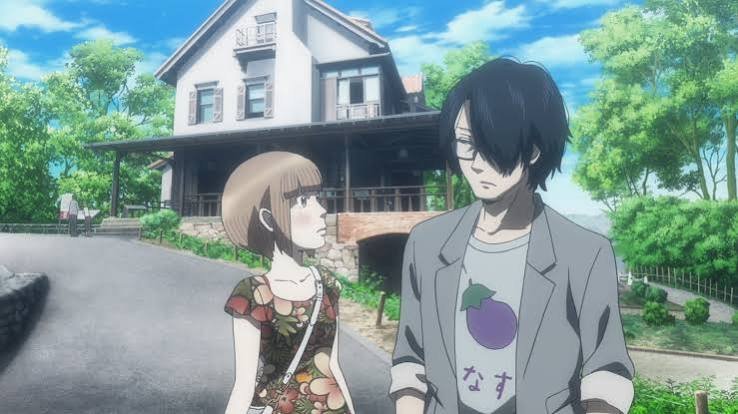
11. The Perfect Insider (Subete ga F ni Naru) (2015)
- Streaming Availability: Crunchyroll
- Rating: MAL: 7.1
- Episodes: 11
- Studio: A-1 Pictures
- Notable Staff: Based on the award-winning novel by Hiroshi Mori.
Plot Summary: Brilliant professor Sohei Saikawa and his student Moe Nishinosono travel to a remote island research facility, only to be trapped there when a murder occurs. The central mystery involves the facility’s enigmatic genius, Dr. Magata Shiki, who has lived in isolation for fifteen years.
Similarities to Rewrite: The core of this series is an intellectual mystery, driven by philosophical conversations and logical deduction. The remote island setting creates a sense of isolation and claustrophobia, much like the city of Kazamatsuri. The focus on solving a complex puzzle, where every detail matters, will appeal to fans of the mystery elements in Rewrite, and its cold, analytical tone is a strong match.
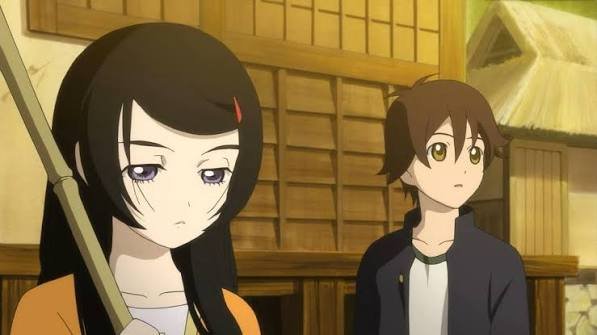
12. Ghost Hound (2007)
- Streaming Availability: Amazon Prime Video, HiDive
- Rating: MAL: 7.0
- Episodes: 22
- Studio: Production I.G.
- Notable Staff: Created by Masamune Shirow (Ghost in the Shell), directed by Ryutaro Nakamura (Serial Experiments Lain).
Plot Summary: Three high school boys who have all experienced past traumas begin to have out-of-body experiences. They use this phenomenon to explore the “Unseen World” and investigate a mysterious case from their past connected to a local religious cult.
Similarities to Rewrite: Both series are set in a specific, atmospheric location and explore the intersection of the supernatural and the psychological. The out-of-body experiences are treated with scientific rigor, similar to the detailed power system in Rewrite. The focus on trauma, memory, and the process of healing through confronting the past is a central theme in both narratives, creating a similarly moody and introspective tone.
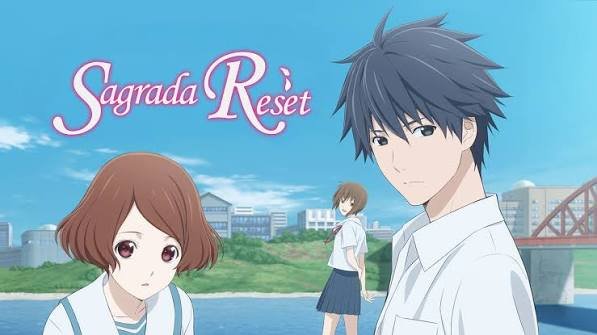
13. Sagrada Reset (Sakurada Reset) (2017)
- Streaming Availability: Crunchyroll
- Rating: MAL: 7.4
- Episodes: 24
- Studio: David Production
- Notable Staff: Directed by Shinya Kawatsura, with composition by Katsuhiko Takayama.
Plot Summary: In the town of Sakurada, where almost everyone has a unique ability, Kei Asai has the power to remember everything he sees and hears. Together with Misora Haruki, who can reset time up to three days, they solve cases for the town’s “Service Club” and uncover the truth behind their powers.
Similarities to Rewrite: Both series feature a town isolated from the rest of the world, where supernatural abilities are commonplace and governed by a local administrative body. The focus on a complex, rule-based power system and the use of those powers to solve mysteries is a direct parallel. Both also explore the philosophical implications of their powers and the moral compromises required to maintain their societies.
14. Planetarian: The Reverie of a Little Planet (2016)

- Streaming Availability: Funimation
- Rating: MAL: 7.7
- Episodes: 5 (ONA)
- Studio: David Production
- Notable Staff: Based on the visual novel by Key, directed by Naokatsu Tsuda.
Plot Summary: In a post-apocalyptic world where humanity has been destroyed by war, a lone scavenger stumbles upon a functioning planetarium. Inside, he meets Yumemi, a cheerful robot who has been waiting for customers for thirty years, unaware that the world has ended.
Similarities to Rewrite: This is another direct Key adaptation, and it captures the same melancholic, philosophical tone. Both stories are set against the backdrop of a dying world and explore the importance of memory, hope, and finding beauty in the face of despair. The relationship between the scavenger and Yumemi is a powerful exploration of what it means to be human, echoing the central questions of Rewrite.
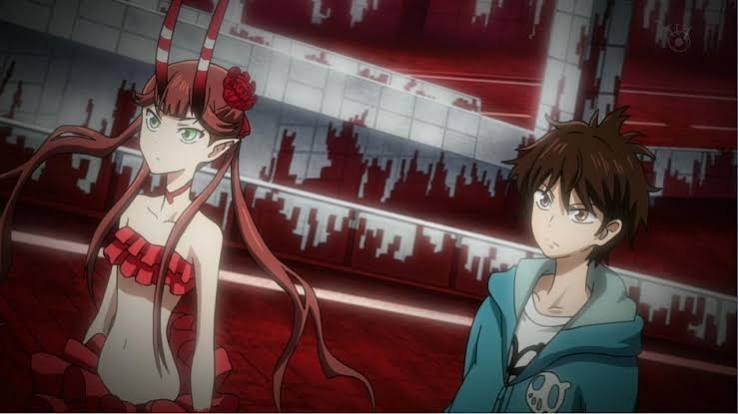
15. C: The Money of Soul and Possibility Control (2011)
- Streaming Availability: Funimation
- Rating: MAL: 7.1
- Episodes: 11
- Studio: Tatsunoko Production
- Notable Staff: Directed by Kenji Nakamura (Mononoke).
Plot Summary: Kimimaro Yoga, a poor economics student, is drawn into the “Financial District,” a supernatural realm where individuals must use their “future” as collateral to enter battles called “Deals.” Winning means gaining wealth, but losing means losing one’s future and potentially their life.
Similarities to Rewrite: Both series feature a power system with immense, tangible costs. In Rewrite, using powers drains one’s life force; in C, losing a Deal drains one’s future. The protagonists are underdogs forced into a system they don’t understand, fighting for survival in a world governed by abstract, often cruel rules. Both are ambitious, thought-provoking series that use their fantastical premises to critique real-world systems.
Why These Anime Work for Rewrite Fans
Fans of Rewrite are looking for a story that is ambitious, emotionally resonant, and intellectually challenging. They appreciate narratives that are not afraid to shift genres, to ask difficult questions, and to follow their themes to their logical, often tragic, conclusions. They want to be challenged, not comforted.
The anime listed above all share this fundamental ambition:
- Complex Power Systems with Real Costs: Whether it’s the life-draining Rewrite ability, the Kizuna System’s shared pain, or the future-collateral of C, these series understand that power must come with a price. This creates high stakes and forces characters to make difficult, meaningful choices.
- The Underdog Against the System: The protagonists are not chosen ones destined for greatness. They are ordinary people thrust into extraordinary circumstances, fighting against powerful organizations, societal structures, or even the very fate of the world. Their struggles are personal, and their victories are hard-won.
- Subversion of Expectations: These series refuse to be boxed in. Rewrite shifts from comedy to tragedy, Shinsekai Yori from utopia to horror, and Sonny Boy from survival to surreal philosophy. They understand that genre is a tool to be used and broken in service of exploring deeper truths.
These 15 anime, like Rewrite, are not afraid to ask “what is the value of a life?” or “what is the future worth saving?” They are underrated gems that offer profound, thought-provoking experiences for viewers who are willing to invest their time and their hearts.